Ever wonder if there’s a smarter way to plan for retirement than just saving and hoping for the best? The world moves fast, and those old-school playbooks don’t always fit our lives anymore. Flexible retirement planning lets me adjust to change, protect my lifestyle, and prep for whatever’s around the corner.

I get how stressful it feels, worrying if my money will last or if I can help my kids without sacrificing my own needs. Instead of locking myself into some rigid plan, I want options—a strategy that bends but doesn’t snap when life throws me a curveball.
That’s why I build a retirement plan that moves with me. It just makes sense.
Key Takeaways
- Build a retirement plan that adapts to unexpected changes.
- Balance different income sources for more security.
- Keep learning and get expert advice to stay on track.
Understanding Flexible Retirement

Flexible retirement lets me shape my own path, rather than waiting for some magic age to quit working. I can try out new schedules, income streams, and transition options as my needs and goals shift.
Key Features of Flexible Retirement
Why stick to just one formula for retirement? The heart of flexible retirement is reducing work hours or duties over time, not stopping all at once.
Phased retirement could mean part-time jobs, consulting, or even project-based gigs that fit my life.
I often find myself negotiating with employers for a lighter workload or more flexible schedule. Some folks even switch careers late in life, using their experience to launch a small business or finally chase a passion.
Flexible arrangements mean I can keep earning and learning. Some employers let me keep contributing to retirement plans, like a 401(k), even while working less.
Taking advantage of these features makes retirement smoother and less risky. If you’re curious, check out how a phased-in approach works in real life.
Benefits of a Flexible Approach
Most people I know worry about running out of money or losing purpose after retirement. Flexible retirement helps with both.
Earning some income, even if it’s less, stretches my nest egg and gives me peace of mind.
There’s an emotional boost, too. Staying involved with work—even a little—makes me feel valued and relevant.
If you’ve got family, flexible work means more time with kids or grandkids, plus a chance to help out financially.
I also get room to adjust my retirement age. If health costs or family needs pop up, I can ramp work up or down as needed.
Flexible retirement balances my finances, health, and happiness all at once.
Traditional vs. Flexible Retirement
That old idea of working until a set age, then quitting cold turkey, feels outdated. Traditional plans assume I’ll hit some magic number and just stop. But is that really what I want?
Flexible retirement lets me shift gradually. I get to control when and how much I work.
Instead of relying only on savings and Social Security, I can earn as I go. This approach can mean more security and less stress.
When I compare the two, traditional retirement just doesn’t fit modern life for most of us. Now, I can customize how I leave the workforce, take fewer risks, and avoid outliving my money.
A flexible plan helps dodge the common pitfalls traditional plans tend to ignore.
Trends Impacting Retirement Flexibility
Retirement looks nothing like it did for my parents or grandparents. Baby boomers are leading the way, demanding more choices, longer careers, and jobs that fit their late-life needs.
Tech makes remote and part-time work easier than ever.
The economy keeps shifting, so it makes sense to rethink old retirement models. Many employers now offer flexible benefits or phased retirement options.
Younger workers are watching and want even more flexibility for themselves.
Rising health costs, changing family setups, and the urge to stay active keep pushing this trend forward. If I start a flexible retirement plan, I can stay ahead of the curve and make smarter moves for my future.
Assessing Your Retirement Readiness

Real retirement readiness is more than just what’s in my 401(k). I measure my progress by looking at the actual numbers—not just what sounds good on paper.
Having a flexible plan depends on what I’ve saved, what I’ll need, and how ready I am for surprises.
Evaluating Retirement Savings
When I check my retirement savings, I make a list of every account. That means 401(k)s, IRAs, brokerage accounts, and anything else I’ve set aside for the future.
I check the latest balances and see how my money’s invested. Is my portfolio keeping up with inflation? Am I taking on too much risk—or not enough—for my age?
I think about my contributions, too. Am I getting the full employer match? Could I bump up my monthly contribution, even by a little?
Reviewing contributions and investments regularly keeps me honest.
A table like this helps me spot any gaps:
Account Type
Balance
Last Contribution
Growth Rate (%)
Target Amount
401(k)
$120,000
Apr 2025
7.2
$300,000
Roth IRA
$45,000
Mar 2025
8.1
$75,000
Brokerage
$60,000
Feb 2025
6.8
$75,000
Am I on track to hit my “target” in time?
Estimating Income Needs
How much income will I actually need every month in retirement? The old rule was 80% of my working salary, but that feels like a shot in the dark.
I dig deeper and base it on my real life.
To get a realistic estimate, I look at my current bills, projected healthcare costs, and any plans for travel or helping family.
I add up Social Security, pension, and retirement withdrawals to see if there are gaps.
Reviewing Social Security options is a big part of my plan.
Here’s a simple monthly income target worksheet I use:
- Social Security: $2,200
- Pension: $900
- IRA/401(k) Withdrawals: $1,500
- Rental Income: $450
- Projected Total: $5,050
If that doesn’t cover my expected spending, I know it’s time to tweak my plans or save more.
Identifying Essential Expenses
Not every expense is created equal. I start with the must-haves: housing, food, utilities, insurance, transportation, and basic healthcare.
These go in one column. “Wants” like travel or hobbies go in another.
To get a real picture, I review my credit card and bank statements from the past year. Looking at 12 months of spending helps me spot hidden costs or seasonal spikes.
I plan for big, but less frequent bills—like property taxes or a new car.
This breakdown keeps things real:
Expense Type
Monthly Cost
Mortgage/Rent
$1,600
Utilities
$250
Food/Groceries
$500
Transportation
$350
Insurance
$320
Healthcare
$450
Total Essentials
$3,470
Do my “essentials” fit within my guaranteed income? If not, I know I need to rethink spending or figure out how to fill that gap.
Building an Emergency Fund
Life throws curveballs—health issues, home repairs, family needs. That’s why I keep a cash emergency fund outside my retirement accounts.
Experts say three to six months of expenses, but let’s be honest—what does that look like? I add up my monthly “essentials” and multiply by at least four. That’s my rock-bottom minimum.
If I’m helping adult kids or parents, I might want an even bigger cushion.
Where do I stash this fund? I use a high-yield savings or money market account. It keeps my cash safe, earns a little interest, and helps me sleep at night.
Building an emergency fund is the backbone of my flexible plan. It lets me handle surprises without wrecking my retirement timeline.
Developing a Flexible Retirement Plan
Building a retirement plan that adapts to life’s changes isn’t a set-it-and-forget-it thing. I want to stay ready for unexpected twists, changing family needs, and goals that might shift as I go.
Setting Financial Goals
I start by getting real about what I want from retirement. Do I plan to travel, help my kids with college, or maybe launch a business? Dreams have price tags, so I break my vision into short-term and long-term goals.
I list essentials like housing, healthcare, and daily living expenses. Then I add in extras—vacations or helping family. I estimate the costs.
This isn’t about being perfect. It’s about getting clear.
I try to make my goals specific, measurable, and realistic. So instead of “save more,” I’ll say “save $25,000 for a child’s college in five years.”
That way, I can track my progress and adjust if life throws me a curveball. Sometimes I use worksheets or a simple table to keep it all straight.
Goal Type
Example
Estimated Cost
Target Date
Basic Living
Monthly bills, food, housing
$40,000/year
Ongoing
Healthcare
Insurance, out-of-pocket expenses
$10,000/year
Age 65+
Family Support
College fund, care for parents
$25,000+
5 years
Recreation
Travel, hobbies
$5,000/year
65-75
This table keeps me focused and honest with myself.
Creating a Comprehensive Plan
Now that my goals are set, I start building a comprehensive plan. Just saving money isn’t enough—I need a strategy that covers all the bases.
I look at my expected income streams: Social Security, pensions, 401(k)s, IRAs, and maybe even some side gigs. Next, I check how my assets are split among stocks, bonds, real estate, and cash.
If my portfolio feels lopsided, I rebalance to spread out risk. I dig into my insurance policies—life, health, long-term care—just to be sure nothing’s missing.
Estate planning pops up on my radar, too. I review my will and power of attorney. Taxes matter, so I think through how different account withdrawals will hit my bottom line.
If I want flexibility, I don’t just crunch numbers. I look for products and accounts that give me options, like a flexible retirement plan.
This way, I can slow down at work or shift gears if my family needs me.
Working With a Financial Advisor
When I get stuck, I turn to a financial advisor. The good ones don’t just pitch products—they actually listen and help me map out my moves.
I show them my goals and my plan, and I don’t hold back on the tough questions. A good financial professional listens more than they talk.
They check if my plan is on track or if I need to tweak things. Advisors use their tools and experience to run “what-if” scenarios, like a market crash or a surprise medical bill.
Before I sign on, I dig into their credentials. Are they fee-based or working for commissions? I want someone who puts my interests first, not theirs.
I ask how often we’ll review my plan and how they get paid. A trusted advisor can even walk me through easing into retirement part-time if quitting cold turkey feels scary.
If you’re curious, check out this style of flexible retirement and see how others make it work.
Adjusting Your Plan Over Time
No plan stays perfect forever. I check in on mine at least once a year or after big life changes—new job, a move, or family stuff.
If the market drops or my spending jumps, I adjust my plan fast. My goals might shift as my kids grow up or my priorities change.
Maybe I decide to travel less and help my grandkids more. I keep my advisor in the loop so we can pivot quickly.
Checking my investments, income, and spending isn’t just busywork—it’s my way of staying on top of things. I stay alert for new opportunities or risks.
Treating my plan as a living document gives me the freedom to move with life, not fight against it.
Optimizing Your Investment Portfolio
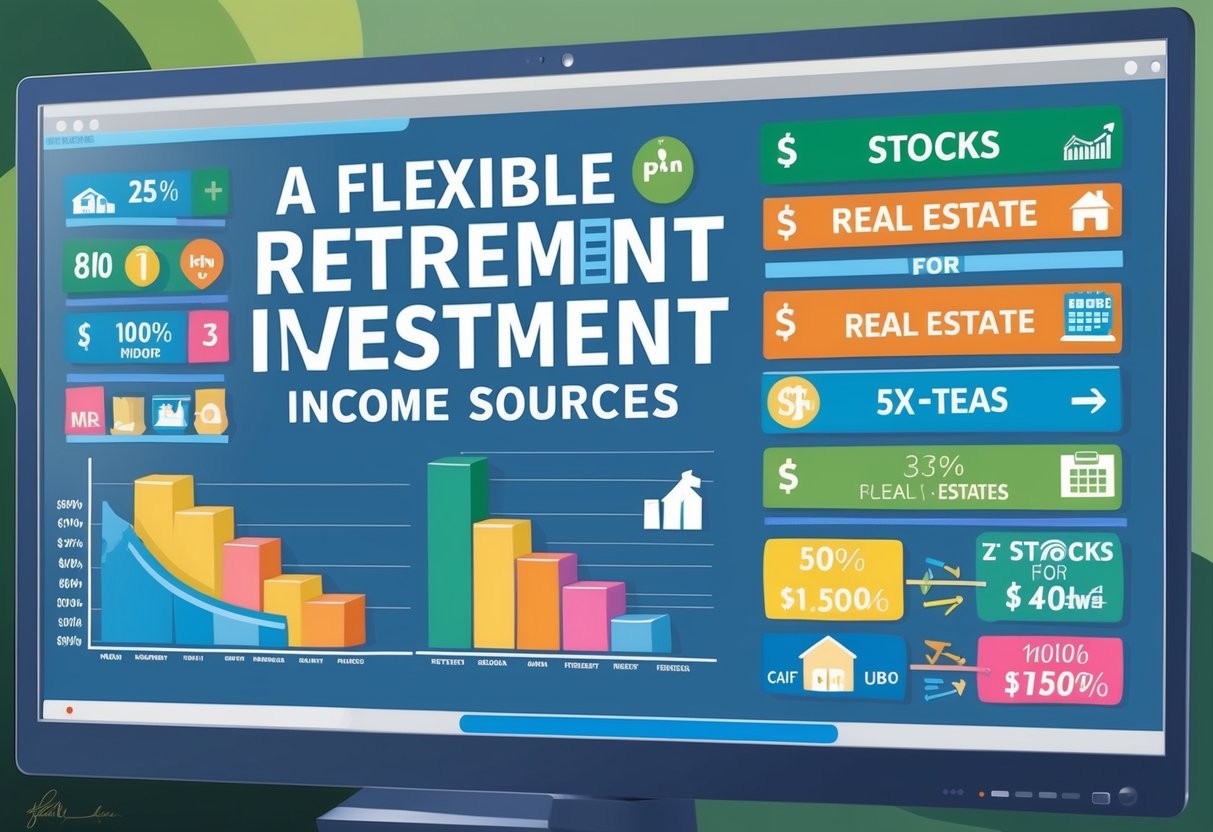
I want my retirement money to last—and hopefully grow. To pull that off, I keep my strategy flexible and make smart choices with what I’ve got.
I weigh risk, return, and taxes, trying to stack the odds in my favor—not just for now, but for the long haul.
Choosing Investment Vehicles
The investment vehicles I pick shape my future. I like mixing stocks, bonds, mutual funds, and ETFs for a balance between growth and stability.
Stocks can bring bigger returns, but they’re a wild ride. Bonds feel steadier, though the gains aren’t huge.
For safety, I sometimes look at certificates of deposit (CDs) or money market accounts, but they don’t grow much. Mutual funds and ETFs help me diversify, spreading my money across many companies instead of betting on just one.
I ask myself: am I building real wealth, or just playing it safe?
If I’m still working, I’ll use employer retirement plans like 401(k)s, especially if there’s a company match. That’s free money—I’d hate to leave it behind.
Finding the right mix depends on my timeline and how much risk I can stomach when the market gets rocky.
Balancing Risk and Return
Why should I fear risk? The real question is: how do I use risk to my advantage without letting it wreck my plan?
I decide how much to keep in stocks versus bonds based on my age and how long I plan to work. If I’m over 40, I probably still want some growth, but not so much risk that a market drop wipes me out.
I check my mix—my “asset allocation”—every year or whenever my goals shift. If my investments get out of whack, I move money around to keep things balanced.
For example, if stocks shoot up, I might sell some and buy bonds to lock in those gains and dial down risk. My plan isn’t just about chasing returns; it’s about protecting what I’ve built and letting my money do the work.
Tax-Advantaged Accounts
Am I just handing over money on taxes I could avoid? Accounts like IRAs, Roth IRAs, and 401(k)s shelter my investments from taxes.
With a traditional IRA, my growth is tax-deferred, so I pay taxes when I take money out. A Roth IRA gives me tax-free growth and withdrawals in retirement.
For money above those yearly limits, I use taxable investment accounts. Even there, I can manage taxes by holding investments for at least a year to snag the lower long-term capital gains rate.
I try to use each account for its best purpose—let my money compound and keep more of what I earn. Picking the right account for every dollar builds flexibility and keeps more cash in my pocket for whatever life throws at me.
Maximizing Retirement Income Streams

In retirement, I want every dollar I’ve saved to work harder for me—not the other way around. Planning ahead helps me squeeze more from Social Security, pensions, and any extra work I pick up, giving me more flexibility and control over my income streams.
Social Security Benefits Strategies
Timing really matters with Social Security. If I delay claiming past my full retirement age, my benefit grows each year until I hit 70.
Waiting isn’t for everyone, but it can mean a bigger monthly check for life. If I start benefits early, like at 62, my payments shrink.
Sometimes claiming early makes sense—maybe my health isn’t great or I need the cash. I always check my yearly Social Security statement to see what I’d get at different ages.
A lot of families don’t realize they could qualify for spousal or survivor benefits. Knowing these options helps boost household retirement income.
I like to use tools that estimate benefits and run scenarios for when to file. Here’s a quick table to compare monthly payments:
Age to Start
% of Benefit
Income Impact
62
70%
Lower
67 (FRA)
100%
Full
70
124%
Highest
There’s no one-size-fits-all answer, but knowing my options gives me more confidence in my withdrawal strategy.
Pension and Annuity Options
If I’ve worked for the right company, a pension gives me steady income. I usually pick between a lump sum or monthly payouts—most people find the regular check comforting.
But do I trust the plan’s long-term stability? It’s worth digging into the details.
Annuities can get confusing. Fixed annuities promise steady income, while variable ones change with the market. Some offer inflation adjustments or survivor benefits for a spouse, and each choice affects my cash flow.
I always ask: what’s the trade-off for locking in that income? Sometimes, it’s less flexibility or higher fees. I need to review all the costs before signing anything.
If you want to dive deeper, check out Vanguard’s guide for more on combining these options.
Integrating Part-Time Work
Retirement doesn’t have to mean quitting work completely. Part-time jobs can add a steady income stream and help me delay dipping into Social Security or savings.
Flexible gigs are everywhere—consulting, seasonal work, or even starting a small business. Working part-time also keeps me active and connected, and I get to choose how and when I earn.
But I have to remember—earning too much could affect my Social Security if I claimed early. There are income limits before full retirement age, so I need to be strategic.
I always check how outside income fits with my withdrawal plan, making sure it helps—not hurts—my finances. More people are using part-time work to fill income gaps these days than ever before.
Other Sources of Income
Not all my retirement income has to come from work or government programs. Rental properties can bring in monthly checks.
Dividends from stocks, interest from bonds, and even peer-to-peer lending can add new streams. I might also tap a cash-value life insurance policy, use a reverse mortgage, or sell things I don’t need.
Every extra stream I create means more control and less dependence on any single source.
Blending these income sources helps me ride out market ups and downs. If you want more details, the Morningstar retirement income guide lays out practical, flexible approaches.
The goal? Build a sturdy financial base that can handle a rough year or a surprise expense.
Withdrawal Strategies for Flexibility

When I think about retirement, I know having a flexible withdrawal plan gives me more control and less stress. The right strategy helps me cover expenses, roll with market changes, and avoid draining my savings too fast—or too slow.
Safe Withdrawal Rate
The “safe withdrawal rate” is my go-to for making my money last. I figure out what percent of my retirement savings I can take out each year without running dry.
Most folks mention the 4% rule as a starting point, but is it still reliable now? I adjust my rate based on the market and my needs.
In a rough year, I might pull back to protect my nest egg. If the market’s strong, I could take a little more. Flexible retirement withdrawal strategies mean changing what I withdraw as life changes.
I keep an eye on:
- My total savings
- My age and how long I might need the money
- What’s happening in the market and with inflation
By sticking to a flexible withdrawal rate, I stay ready for surprises—like unexpected expenses or living longer than I thought.
Required Minimum Distributions (RMDs)
When I turn 73, the IRS says I have to start taking required minimum distributions (RMDs) from certain retirement accounts, like traditional IRAs or 401(k)s. Missing an RMD can mean hefty penalties.
The IRS calculates RMDs using my account balance and a life expectancy factor. These withdrawals get bigger every year as I age.
Not all accounts have RMDs—Roth IRAs usually don’t require them during my lifetime. I keep close tabs on deadlines and amounts.
My first RMD is due by April 1 of the year after I turn 73, then every December 31 after that. Knowing how RMDs work keeps my withdrawal plan in sync with tax rules.
Minimizing Tax Liabilities
Every dollar I take out of retirement accounts can mess with my taxes. Some withdrawals get taxed as ordinary income, while others might come with lower rates or even be tax-free.
I try to spread out withdrawals so I don’t accidentally push myself into a higher tax bracket. Sometimes, I’ll use Roth IRA withdrawals or harvest losses elsewhere to keep my tax bill in check. Focusing on minimizing tax liabilities means I keep more of my money working for me.
A few tips that help me:
- Withdraw from taxable accounts first, before touching tax-deferred ones
- Convert traditional IRA funds to Roth IRAs when my income drops
- Coordinate withdrawals with Social Security to dodge tax surprises
By using the right strategies, I make sure my withdrawals support my lifestyle without giving more than I have to to the IRS.
Managing Healthcare and Long-Term Care Costs

I know medical costs can sneak up and chip away at retirement savings. Navigating Medicare, planning for big bills, and protecting myself from long-term care expenses is something I take seriously if I want to stay flexible in retirement.
Smart choices now give me more freedom and less worry later.
Understanding Medicare Coverage
When I hit 65, Medicare steps in to cover my healthcare needs. But Medicare doesn’t handle everything.
It comes in parts—Part A covers hospital care, Part B helps with doctor visits, and Part D covers prescriptions. Medicare premiums aren’t free and can change based on my income.
Are all my doctors in the network? Do I need extra coverage, like a Medigap policy, to fill the gaps? I have to answer these before I claim my benefits.
Even with Medicare, I deal with deductibles, copays, and premiums every year. Private plans, called Medicare Advantage, can replace traditional Medicare, but they have trade-offs.
If I want numbers and details, I check out this Fidelity guide on planning healthcare costs in retirement.
Accounting for Medical Expenses
It’s easy to overlook regular medical expenses when planning for retirement, but that’s risky. I can’t just assume my current insurance will always cover the same things at the same price.
Dental, vision, and hearing care usually aren’t included in Medicare. I look back at my past few years of expenses and estimate increases for inflation and age.
Most advisors say health care almost never gets cheaper as I get older. I keep a cash buffer for unexpected costs—like new meds, surgeries, or home medical gear.
Sometimes it makes sense to budget monthly, the same way I do for groceries. Tracking spending over time helps.
This way, I’m prepared for medical bills to grow and less likely to get blindsided by something big.
Using Health Savings Accounts
If I have a high-deductible health plan before Medicare, I stash money in a Health Savings Account (HSA) for future medical costs. Why bother? Contributions are tax-deductible, growth is tax-free, and withdrawals for qualified expenses aren’t taxed.
An HSA gives me triple tax advantages. No other account gives me this much flexibility for health costs.
After I turn 65, I can even take out funds for non-medical expenses, though I’ll pay regular income tax. I treat my HSA like a stealth IRA for health care.
The more I put in before Medicare, the more room I have later to cover dental visits, prescriptions, or even long-term care premiums. Careful planning here lets me use my savings efficiently and avoid leaving money on the table.
Planning for Long-Term Care
Long-term care could wreck my retirement if I ignore it. Most people need some form of long-term help, whether at home or in a facility. Medicare doesn’t cover most long-term care costs.
So what do I do? I can buy long-term care insurance, set aside my own funds, or use my home’s equity. Making a plan gives me more options—and more control.
If I wait too long, my choices shrink and insurance gets pricier. There are different ways to pay for care, like savings, some annuities, or certain life insurance policies.
For a clear breakdown, I check guides like this one from the National Institute on Aging about paying for long-term care.
The best time to plan for long-term care is before I need it. I weigh my budget, health, and where I want to live.
Thinking ahead on this isn’t just smart—it’s necessary to protect my family and keep my retirement plan flexible.
Lifestyle Choices and Social Connections

Living well in flexible retirement means more than just managing money. It’s about keeping my body and mind sharp, connecting with others, and staying active in ways that give back and bring joy.
Thoughtful choices here can boost my well-being as much as a solid financial plan.
Maintaining Physical and Mental Fitness
When I think about retirement, fitness isn’t optional—it’s the fuel for my next chapter. I try to stick with regular exercise like walks, swimming, or bike rides.
These keep my body strong and lower my risk of health problems. I’m not running marathons; I just show up and move every day.
Mental activity matters too. I might read, tackle a puzzle, or learn something new online. Doing this helps my brain stay sharp and resilient.
Feeling good isn’t automatic; it’s the result of habits I commit to. Some retirees join group fitness classes or walking clubs.
Others meditate or do yoga to lower stress and boost their mood. Even short daily routines can help me stay independent as I age.
The best part? Studies show staying active often leads to a happier, more satisfying retirement.
Building Social Networks
Honestly, real wealth isn’t just in the bank—it’s in the people I can count on. Building and keeping social ties lifts my mood, helps me handle change, and gives my days meaning.
I make time to see friends for dinner, join interest groups, or stay in touch with old coworkers. When I retired, connecting felt awkward at first—funny how life shifts when the office disappears.
But finding support networks helps me handle both the joys and challenges of having more free time. Even a small circle is vital for my emotional health and sense of community.
A strong social network isn’t just for fun—it helps me navigate life’s tough spots and shapes how flexible my retirement lifestyle can be.
Creating supportive social connections increases my resilience as I build a life beyond my career.
Volunteering and Community Involvement
I get a special kind of energy when I give back. That’s why volunteering has become a big part of how I spend my time.
Whether I help at a local shelter, mentor kids, or pitch in at a food bank, I know my experience still matters. Volunteering gives me two big benefits: I meet new people and keep my mind engaged.
It’s not just about charity—sometimes, I gain skills, find new passions, or even step into leadership roles. Some of my friends enjoy caregiving, helping relatives or neighbors.
Others get involved with nonprofits or church groups. The opportunities really are endless.
Giving my time gets me out of the house, connects me to my neighborhood, and lets me shape my own legacy. It’s one way to stay purposeful, relevant, and respected—all while building lasting social connections.
Travel and New Experiences
Retirement finally gives me the freedom to explore. Traveling doesn’t have to mean spending a fortune or circling the globe, though that’s on the table if I want to travel the world.
Sometimes, the best journeys are close to home—a road trip, a week in a new town, or a day spent trying something new. For me, it’s about saying yes to new experiences.
I try new foods, learn a language, or take a cooking class. The thrill isn’t just in the destination, but in shaking up my routine and meeting people from different backgrounds.
These moments spark new ideas, keep me adaptable, and add stories that make life richer. Travel and exploration aren’t just “nice-to-haves.”
They help my body stay active, boost my mental health, and deepen my connections with others. Every fresh experience is an investment in myself.
Adapting to Life’s Unexpected Changes

Being ready for change isn’t just smart—it’s necessary. My income or health can shift in ways I never expected, so I want a plan that keeps me steady even when the world isn’t.
Managing Pay Cuts and Employment Gaps
When my salary suddenly drops or a job disappears, panic is natural. Here’s my playbook: First, I cut back on non-essential expenses and focus on needs over wants.
Next, I tap emergency savings, but only if I have to. These funds act like my financial airbag—they cushion the blow when profit slips and cash flow stalls.
Sometimes, I pick up short-term gigs or freelance to fill the gap. Even if it’s not my dream work, extra income keeps me afloat.
I make sure to keep funding my retirement accounts, even if it’s less than before. Consistency helps my money grow over time.
If I fall too far behind, I might try a side hustle or learn new skills to boost my earning power.
I remember the power of networking. Staying connected to peers and mentors opens doors when traditional jobs vanish.
For more ways to handle sudden changes, I check out tips for employment gaps and pay cuts.
Coping With Health or Family Changes
If I get sick or need to care for a loved one, my whole routine can spin. Health or caregiving demands often mean extra costs—medical bills, time off, or even a shift to part-time work.
I accept help where I can get it. Sometimes there are community resources or family members willing to pitch in.
If I have long-term care insurance, I read every word so I know what’s covered before a crisis hits. When needed, I re-balance duties with my partner or family so no one gets overwhelmed.
Honestly, caregiving can drain even the most careful planner. I try not to feel guilty about financial slowdowns during tough times.
If I need to, I look into making my home safer and more accessible. For more tips on adapting to tough circumstances, I check out adapting to unexpected life changes in retirement.
Revisiting Financial Plans
Unexpected events can throw any retirement plan off course. That’s why I stick to regular check-ins.
At least once or twice a year, I sit down with my statements and update my budget. When life gets wild, I bump up the frequency.
If my income shifts, I tweak how much I save and sometimes even change my investing approach. Flexibility matters way more than most people think.
Sometimes I rebalance my portfolio—not just for risk, but to match new life goals. If I suddenly become a caregiver, for example, I might push back retirement by a year or lower my savings target.
Here’s what I revisit:
- Monthly spending
- Emergency fund size
- Insurance coverage
- Savings rate
- Investment mix
When the math gets hairy, I’ll use trusted online calculators or talk to a financial pro. Some guidebooks suggest trying out steps for flexible retirement planning, especially when 2025 throws a curveball at the economy.
Understanding Taxes in Retirement

Taxes can eat into retirement savings if I’m not careful. I’ve learned that knowing how each account gets taxed—and planning my withdrawals—keeps more money in my pocket.
Taxation of Retirement Accounts
Ever notice how each account treats your money differently? Traditional IRAs and 401(k)s grow tax-deferred, but every dollar I pull out gets counted as taxable income.
If I use a Roth IRA, I pay taxes up front, but then withdrawals are tax-free if I follow the rules. Taxable brokerage accounts? Only interest, dividends, and capital gains get taxed in the year they happen.
When I mix up account types, I can control my taxable income in retirement. This helps me manage my tax liabilities each year.
The trick is picking which account to tap and when, especially as my income needs or tax bracket shifts.
Strategies for Reducing Taxes
Why give the IRS more than I have to? I lean on a few tried-and-true moves:
- Roth conversions: I move money from traditional IRAs to Roth IRAs when my tax rate drops. That means tax-free withdrawals later.
- Use all account types: Since I have both tax-deferred and Roth accounts, I can choose where to take income based on my tax situation each year.
- Harvest losses: In taxable accounts, I sell losing investments to offset gains and lower my tax bill.
- Charitable giving: If I’m donating to charity, I might give directly from an IRA. That counts toward my required minimum distributions and skips the tax.
Want more clever ideas? Schwab has a few tax planning tips for retirement that help me keep my plan flexible.
Tax Implications of Withdrawals
Once I hit age 73, the government makes me take required minimum distributions (RMDs) from tax-deferred accounts. These forced withdrawals can push me into a higher tax bracket.
I need a plan so these withdrawals don’t catch me off guard. With Roth IRAs, I don’t have RMDs for my own account, so I keep some control.
In taxable accounts, I only pay tax on the gains, not the original investment. If I time withdrawals right, I can avoid unnecessary taxes and stretch my savings further.
If I ignore these rules, I miss out on tax-free growth and might leave money on the table. Columbia Credit Union breaks down how smart tax moves can really matter in retirement.
Leveraging Professional Guidance

Guesswork won’t cut it. If I want to move past outdated advice, I need real strategies and trusted partners who can handle shifting rules and surprise markets.
Role of Financial Professionals
I don’t leave my future up to chance—I count on sharp experts. A skilled financial professional looks at the big picture and breaks down complex retirement options.
They tailor a plan for my life, not just my age. These specialists help me sort through IRAs, 401(k)s, and other accounts, making the most of tax advantages and timing.
They also know how to handle unpredictable stuff: market swings, changes in income, or new family expenses. Honestly, would I rather chase down every weird tax rule myself, or let an advisor bring me options?
The gap between a generic plan and a customized approach can mean the difference between just scraping by and actually thriving in retirement.
Evaluating Your Advisor’s Expertise
Not every financial advisor is the same. Credentials matter, sure, but I think experience and philosophy are just as important.
Do they actually listen to my goals? Can they show a history of working with people like me—mid-career, juggling family and retirement plans?
I always go for advisors who lay out their fee structures clearly. Hidden costs can quietly eat away at your returns.
I ask them straight up: How do you make decisions when the market gets wild? Will you push back against the usual thinking if it helps me?
A good financial pro doesn’t only react—they’ve got backup plans for when things go sideways. If they can’t break down their advice in plain English or show real results, I’m out.
My future’s too important to leave with just anyone.