
Retirement can be a time of financial stress or freedom. It all depends on how well you plan. I’ve seen too many people struggle in their golden years because they didn’t think ahead.
Maximizing retirement income sources is key to creating a comfortable and secure future.
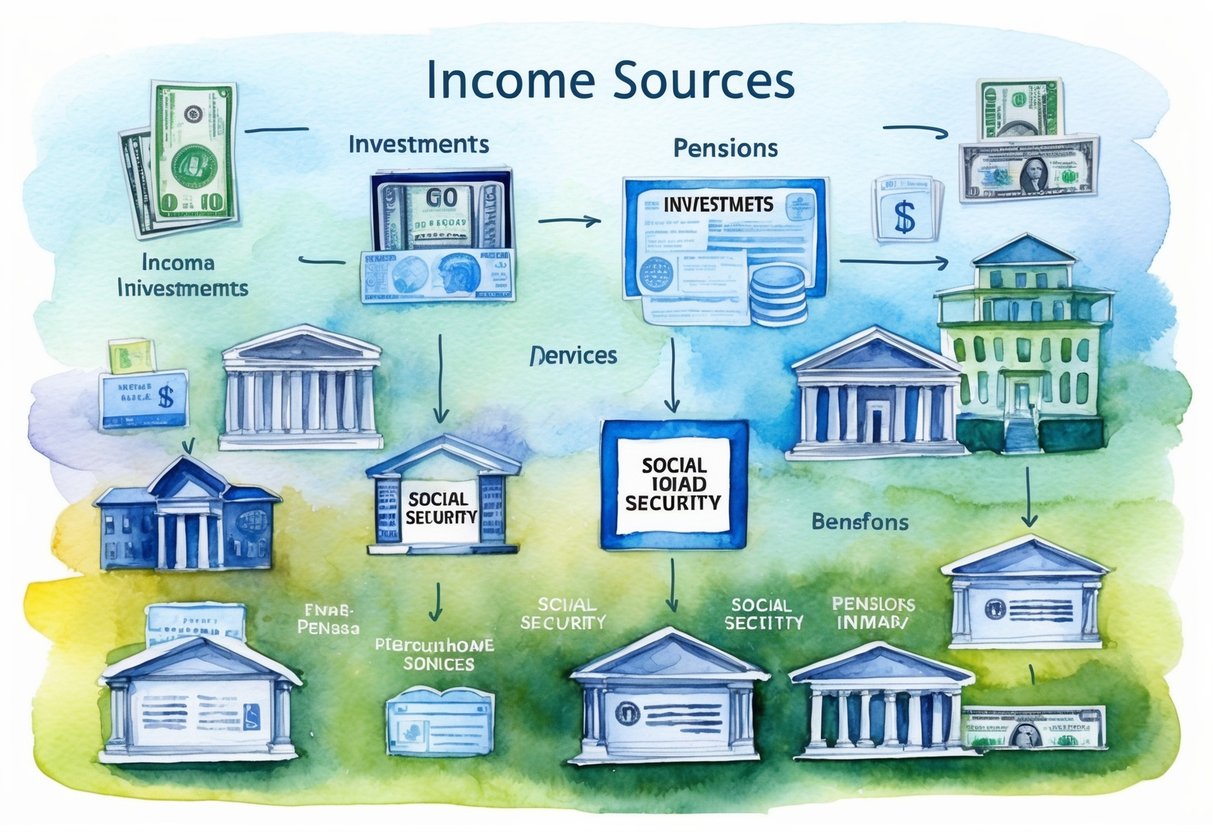
Have you ever wondered if your current savings will be enough? It’s a common worry. But here’s the good news: there are many ways to boost your retirement income.
From Social Security to investments, each source plays a vital role. The trick is knowing how to make the most of them.
I believe in taking control of your financial destiny. That’s why I’m excited to share some powerful strategies with you. These aren’t just theories - they’re practical steps you can take right now. Ready to turn your retirement dreams into reality?
Key Takeaways
- Diversify income sources to reduce risk and ensure steady cash flow
- Optimize tax strategies to keep more money in your pocket
- Consider part-time work or entrepreneurship to supplement retirement funds
Understanding Retirement Income Fundamentals
Retirement income is the key to financial freedom in your golden years. It’s not just about saving money - it’s about creating streams of income that will support your lifestyle long after you stop working.
Importance of Retirement Goals
Why set retirement goals? Because without a target, how can you aim?
Your retirement goals shape your entire financial strategy. They’re not just numbers on a page - they’re your dreams and aspirations.
What do you want your retirement to look like? Maybe it’s traveling the world, starting a business, or simply enjoying time with family. Whatever it is, put a price tag on it.
I always tell my clients: “Don’t just save for retirement. Save for the retirement you want.” It’s not enough to have a vague idea. You need specifics.
Here’s a quick exercise:
- Write down your ideal retirement lifestyle
- Estimate the annual cost
- Multiply by 25 (assuming a 4% withdrawal rate)
This gives you a rough target. It might seem big, but remember - big goals lead to big achievements.
Assessing Current Financial Position
Now, let’s talk about where you stand today. It’s like taking a financial snapshot.
What assets do you have? What debts? What’s your current income and expenses?
This step is crucial. It’s the foundation of your retirement plan. I often ask my clients, “If you were to retire today, what would your income be?”
Start by listing your assets:
- Savings accounts
- Investment portfolios
- Real estate
- Retirement accounts (401(k), IRA, etc.)
Next, look at your debts. Are you still paying off a mortgage? Credit card debt? These affect your retirement strategy.
Finally, review your current income and expenses. This gives you a baseline for your retirement budget. Remember, some expenses may decrease in retirement, but others, like healthcare, often increase.
Maximizing Government and Employer Benefits
Retirement income can be significantly boosted by making smart choices with government and employer-sponsored benefits. Let’s explore how to get the most out of these crucial retirement pillars.
Optimizing Social Security Benefits
Did you know that the timing of when you claim Social Security can make a huge difference in your retirement income? I’ve seen too many people leave money on the table by claiming too early.
If you wait until your full retirement age (usually 66-67), you’ll get 100% of your benefit. But here’s the kicker - for every year you delay after that, up to age 70, your benefit grows by 8%! That’s a guaranteed return you won’t find anywhere else.
On the flip side, claiming early at 62 could reduce your benefits by up to 30%. Is that a hit you can afford to take?
Consider your health, family history, and other income sources when deciding. Remember, Social Security is designed to replace only about 40% of your pre-retirement income. How will you make up the rest?
Pensions and 401(k) Plans
Are you maximizing your employer-sponsored retirement plans? If not, you’re leaving free money on the table.
Many employers offer matching contributions - that’s essentially a 100% return on your investment!
For federal employees, the Thrift Savings Plan (TSP) is a crucial retirement income source. Are you contributing enough to get the full government match?
If you have a pension, understand your options. Some plans offer a choice between a lump sum or monthly payments. Which is better for you? It depends on your other income sources and life expectancy.
Don’t forget about catch-up contributions if you’re over 50. This is your chance to turbocharge your savings in the home stretch to retirement. Are you taking full advantage of this opportunity?
Investment Strategies for Retirement

Choosing the right investment strategies can make or break your retirement plans. I’ve seen countless people struggle because they didn’t have a solid approach. Let’s explore some key strategies that can help secure your financial future.
Strategic Asset Allocation
Asset allocation is the cornerstone of a strong retirement portfolio. It’s about spreading your money across different types of investments to balance risk and reward. But how do you do it right?
I recommend starting with a mix of stocks, bonds, and other assets based on your age and risk tolerance. As you get closer to retirement, you’ll want to shift towards more conservative investments.
Here’s a simple guide:
- In your 40s: 70-80% stocks, 20-30% bonds
- In your 50s: 60-70% stocks, 30-40% bonds
- In your 60s: 50-60% stocks, 40-50% bonds
Remember, these are just guidelines. Your personal situation might call for a different approach.
Understanding the 4% Rule
Ever wondered how much you can safely withdraw from your retirement savings each year? That’s where the 4% rule comes in handy.
The 4% rule suggests you can withdraw 4% of your portfolio value in your first year of retirement, then adjust that amount for inflation each year after. It’s designed to make your money last for a 30-year retirement.
For example, if you have a $1 million portfolio, you could withdraw $40,000 in your first year. But is this rule foolproof? Not always. Market conditions and your personal spending needs can affect its success.
I always advise my clients to be flexible. In good market years, you might withdraw a bit more. In down years, you might need to tighten your belt.
Balancing Growth and Safety
How do you keep growing your nest egg while protecting what you’ve already saved? It’s a tricky balance, but it’s crucial for optimizing your retirement income.
I suggest a two-bucket approach:
- Safety bucket: Hold 2-3 years of living expenses in cash or short-term bonds.
- Growth bucket: Invest the rest in a diversified portfolio of stocks and bonds.
This strategy lets you ride out market downturns without panicking. You can draw from your safety bucket when markets are down, giving your growth bucket time to recover.
Don’t forget about annuities. They can provide a guaranteed income stream, adding another layer of security to your retirement plan.
Income Sources and Diversification
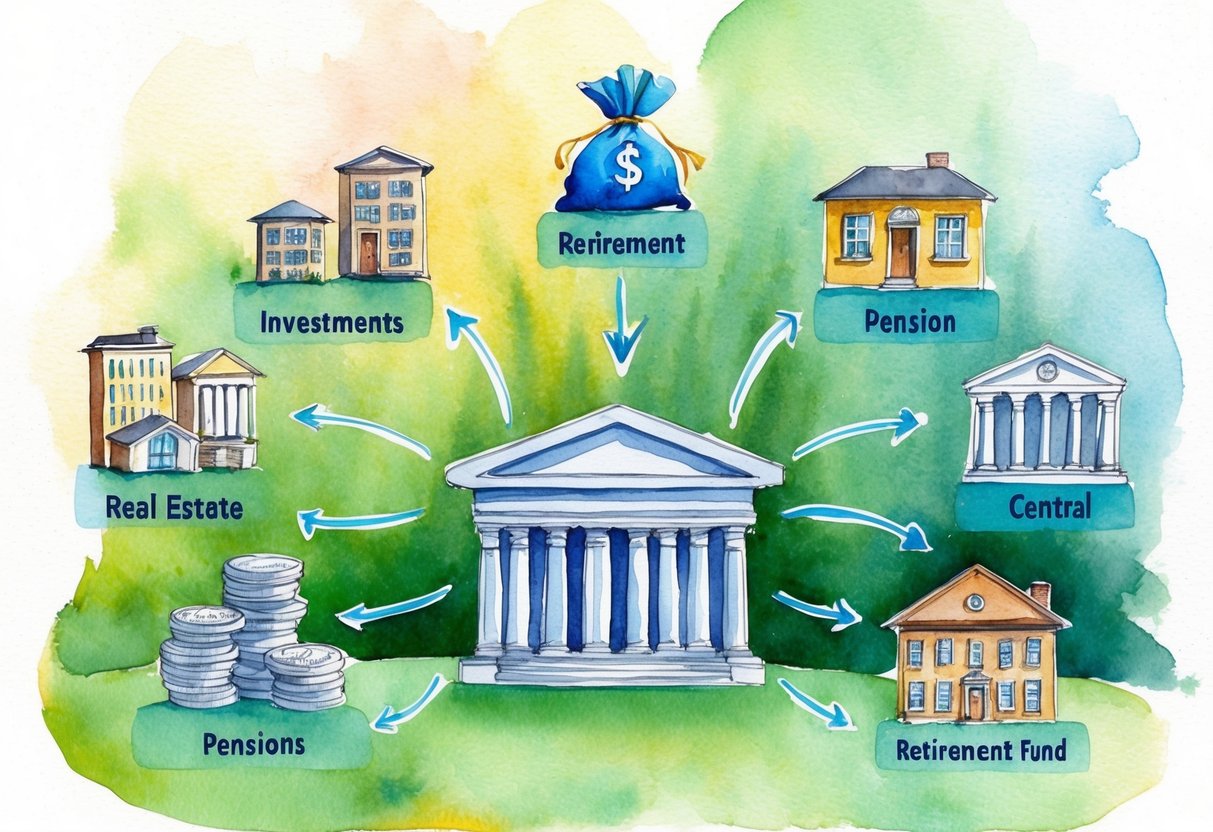
Retirement income doesn’t have to come from just one place. I’ve found that mixing different sources can give you more security and flexibility. Let’s explore some smart ways to create a diverse income stream for your golden years.
Creating a Mixed Income Stream
Have you ever thought about turning your retirement savings into a steady paycheck? That’s what a mixed income stream is all about. I like to think of it as having multiple faucets of money flowing into your retirement bucket.
Start with Social Security. It’s a foundation, but don’t stop there. Add in withdrawals from your 401(k) or IRA. Then, sprinkle in some dividend-paying stocks for extra flavor.
Don’t forget about rental income if you’ve invested in property. And if you’re feeling entrepreneurial, a part-time business can be a great addition. The key is balance. You want enough guaranteed income to cover your needs, with some growth potential to keep up with inflation.
Annuities as Guaranteed Income
Annuities can be a powerful tool in your retirement toolkit. Think of them as a personal pension you buy for yourself. They come in two main flavors: immediate and deferred.
Immediate annuities start paying you right away. They’re great if you need income now. Deferred annuities grow for a while before paying out. They can be a good choice if you’re planning ahead.
The best part? Annuities can provide guaranteed income for life. No more worrying about outliving your savings. But be careful – fees can be high, and you might lose access to your principal. Always read the fine print!
Certificates of Deposit and Bonds
Looking for something safer? CDs and bonds might be right up your alley. They’re like the steady Eddie of the investment world.
CDs are simple. You lend money to a bank for a set time, and they pay you interest. The longer you lend, the more you earn. I like to use a CD ladder – buying CDs with different maturity dates. This way, I always have some money becoming available.
Bonds work similarly, but they’re issued by companies or governments. They can pay higher interest than CDs, but there’s more risk. A bond ladder can help spread out that risk.
Both CDs and bonds can provide reliable income. Just remember, their returns might not keep up with inflation. That’s why I always mix them with other investments for a balanced approach.
Tax Management in Retirement

Managing taxes in retirement can make a big difference in how much money you keep. I’ve found that smart tax strategies can help stretch your retirement savings further. Let’s look at some key approaches.
Roth IRAs and Traditional IRAs
Roth IRAs are a powerful tool for tax-free growth. I love that withdrawals in retirement are tax-free. This can be a huge advantage when you’re living on a fixed income.
Traditional IRAs offer tax deductions now, but you’ll pay taxes later. Which is better? It depends on your situation. I often suggest having both types to give you flexibility.
Here’s a quick comparison:
IRA Type
Tax Treatment
Withdrawal Rules
Roth
After-tax contributions, tax-free withdrawals
Can withdraw contributions anytime
Traditional
Tax-deductible contributions, taxed withdrawals
Penalties for early withdrawals
Tax-Efficient Withdrawal Strategies
How you take money out of your accounts matters. I always tell people to think about the order of their withdrawals.
Start with taxable accounts first. Why? It lets your tax-advantaged accounts grow longer.
Plus, long-term capital gains often have lower tax rates.
Next, tap into tax-deferred accounts like traditional IRAs. Remember, you’ll have required minimum distributions starting at age 72.
Save Roth IRA withdrawals for last. These can grow tax-free indefinitely, giving you a powerful tool for later in retirement.
By planning your withdrawals, you can potentially lower your overall tax bill. Isn’t that worth the effort?
Planning for Healthcare in Retirement

Healthcare costs can eat up a big chunk of your retirement savings if you’re not prepared. I’ll show you how to estimate these expenses and use smart tools like Health Savings Accounts to your advantage.
Estimating Healthcare Costs
Let’s face it - healthcare isn’t cheap, especially as we age. For a 65-year-old retiring today, average healthcare costs in retirement could reach $165,000. That’s a hefty sum!
What’s driving these costs? A few key factors:
• Medicare premiums • Deductibles and copays • Prescription drugs • Long-term care needs
I always tell my clients to expect the unexpected. Health issues can pop up suddenly, so it’s crucial to have a cushion.
Health Savings Accounts
Have you heard of Health Savings Accounts (HSAs)? They’re like a secret weapon for retirement healthcare planning. Here’s why I love them:
-
Triple tax advantage: Contributions are tax-deductible, grow tax-free, and can be withdrawn tax-free for qualified medical expenses.
-
No “use it or lose it” rule: Unlike Flexible Spending Accounts, HSA funds roll over year to year.
-
Investment potential: Many HSAs allow you to invest your funds, potentially growing your healthcare nest egg.
To qualify for an HSA, you need a high-deductible health plan with a deductible of at least $1,500 for individuals or $3,000 for families. If eligible, you can contribute up to $3,850 annually for individuals or $7,750 for families in 2023.
Retirement Cash Flow Management
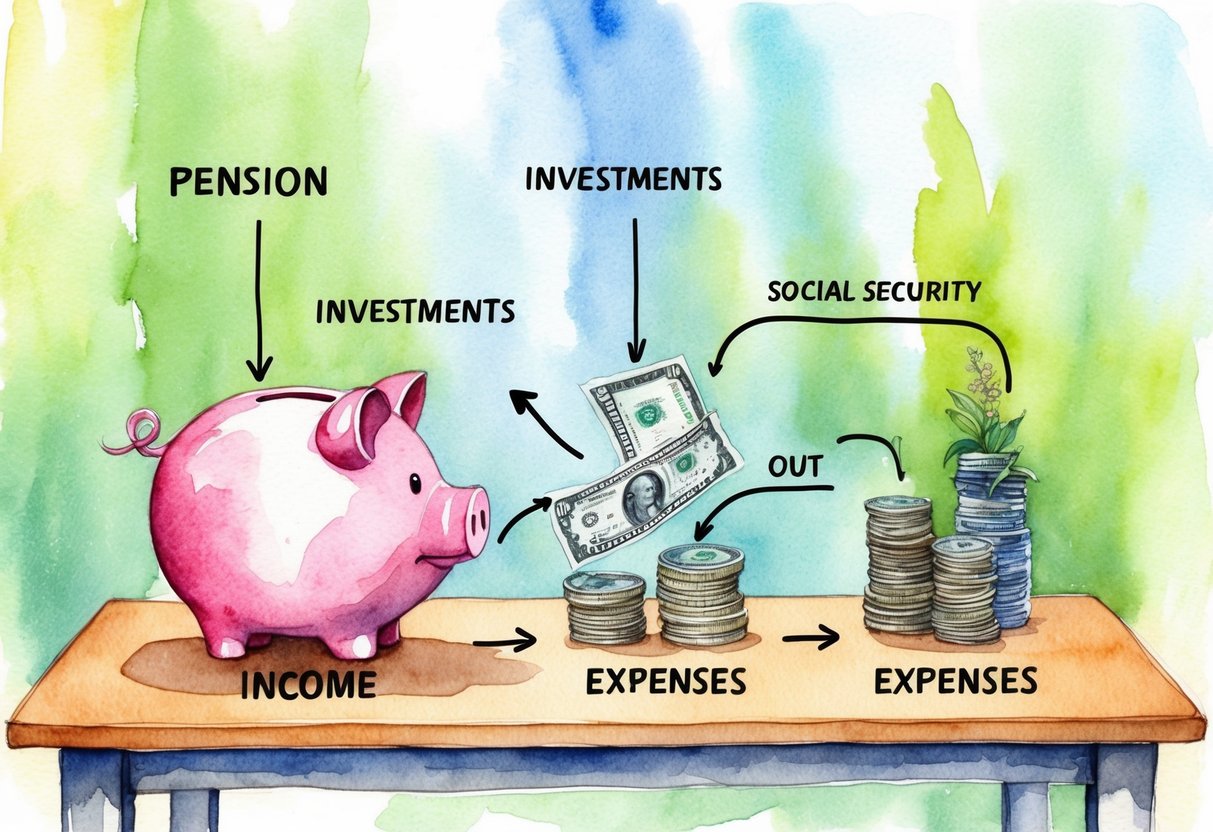
Managing your money in retirement is crucial. It’s about making sure you have enough cash to live comfortably while also growing your wealth. Let’s look at two key areas that can help you maximize your retirement income.
Budgeting and Emergency Funds
I can’t stress enough how important budgeting is in retirement. It’s the foundation of good cash flow management.
Start by listing all your income sources - pensions, Social Security, investment income. Then, track your expenses carefully.
Divide your expenses into needs and wants. This helps you see where you can cut back if needed.
I always recommend keeping 3-6 months of expenses in an emergency fund. This gives you a safety net for unexpected costs.
Remember, inflation can eat away at your purchasing power. Review your budget regularly and adjust as needed. Can you find ways to reduce costs without sacrificing quality of life?
Generating Cash Flow through Real Estate
Real estate can be a powerful tool for creating steady income in retirement. I’ve seen many retirees use rental properties to supplement their income. It’s not just about collecting rent - there are tax benefits too.
Consider investing in residential or commercial properties. Look for areas with strong rental demand and potential for appreciation. Vacation rentals can also be lucrative if you’re in the right location.
Home equity is another way to tap into real estate wealth. A reverse mortgage might make sense for some retirees. It lets you access your home’s value without selling.
Have you thought about Real Estate Investment Trusts (REITs)? They offer a way to invest in real estate without the hassles of property management. REITs can provide steady dividends and potential for growth.
Adjusting for Inflation and Volatility
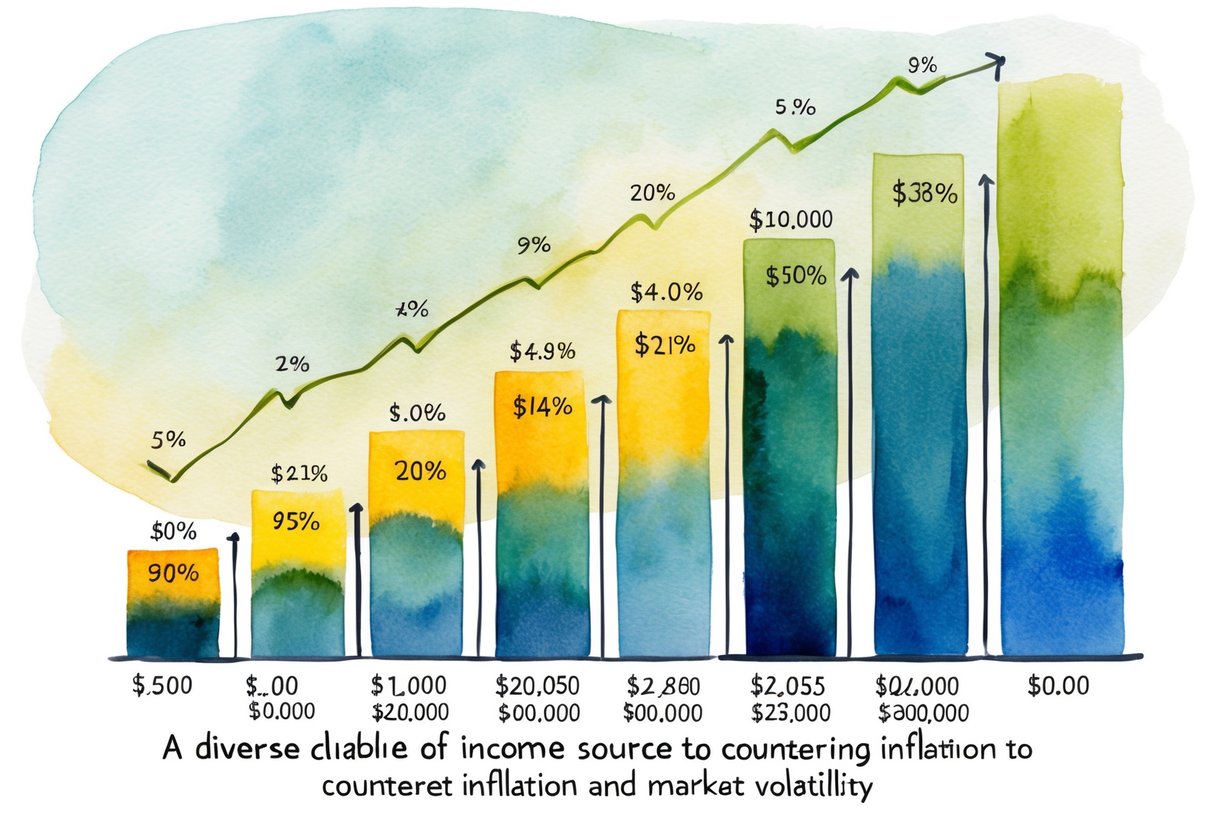
Protecting your retirement nest egg from inflation and market ups and downs is crucial. Let’s explore some smart strategies to keep your money growing and secure.
Inflation-Proofing Your Retirement Assets
Inflation can eat away at your savings if you’re not careful. I’ve seen too many retirees caught off guard by rising prices. What can you do?
Consider investing in dividend-growing stocks. These can provide a steadily increasing income stream that keeps pace with inflation.
Real estate investment trusts (REITs) are another solid option. They often increase dividends over time and can offer a hedge against inflation.
Have you thought about Treasury Inflation-Protected Securities (TIPS)? These government bonds adjust with inflation, ensuring your purchasing power stays intact.
Don’t forget about Series I Savings Bonds. They’re tied to inflation and can be a safe haven for part of your portfolio.
Dealing with Market Fluctuations
Market volatility can be nerve-wracking, but it doesn’t have to derail your retirement plans. How can you stay on track?
Diversification is key. Spread your investments across different asset classes - stocks, bonds, real estate, and even some alternative investments. This can help smooth out the bumps.
Consider the bucket strategy. Divide your portfolio into short-term, medium-term, and long-term buckets. This approach can help you ride out market storms without panic-selling.
Rebalancing is your friend. Regularly adjusting your portfolio back to your target allocation can help manage risk and potentially boost returns.
Have you thought about annuities? While they’re not for everyone, they can provide a guaranteed income stream, regardless of market conditions.
Creative Income Solutions and Legacy Planning

Thinking outside the box can boost your retirement income and leave a lasting legacy. Let’s explore some innovative strategies that go beyond traditional methods.
Leveraging Life Insurance and Annuities
I’ve seen many retirees unlock hidden value in life insurance policies. Did you know you can sell your policy for a lump sum? This can provide a cash boost when you need it most. Annuities are another powerful tool. They offer guaranteed income for life, giving you peace of mind.
But here’s a pro tip: Consider a deferred annuity. You’ll get higher payouts if you delay the start date. It’s like getting a raise for waiting!
Remember, these products can be complex. I always recommend working with a trusted advisor to find the right fit for your situation.
Inheritance and Wealth Transfer
Have you thought about the legacy you’ll leave behind? Smart inheritance planning can maximize the impact of your wealth.
Consider setting up a trust. It gives you control over how your assets are distributed and can offer tax benefits. I’ve seen families use trusts to fund grandchildren’s education or support favorite charities.
Another strategy is gifting during your lifetime. You can give up to $17,000 per person annually without tax consequences. This reduces your taxable estate while helping loved ones now.
Retirement income planning isn’t just about you. It’s about creating a lasting impact for generations to come.
The Role of Part-Time Work and Entrepreneurship
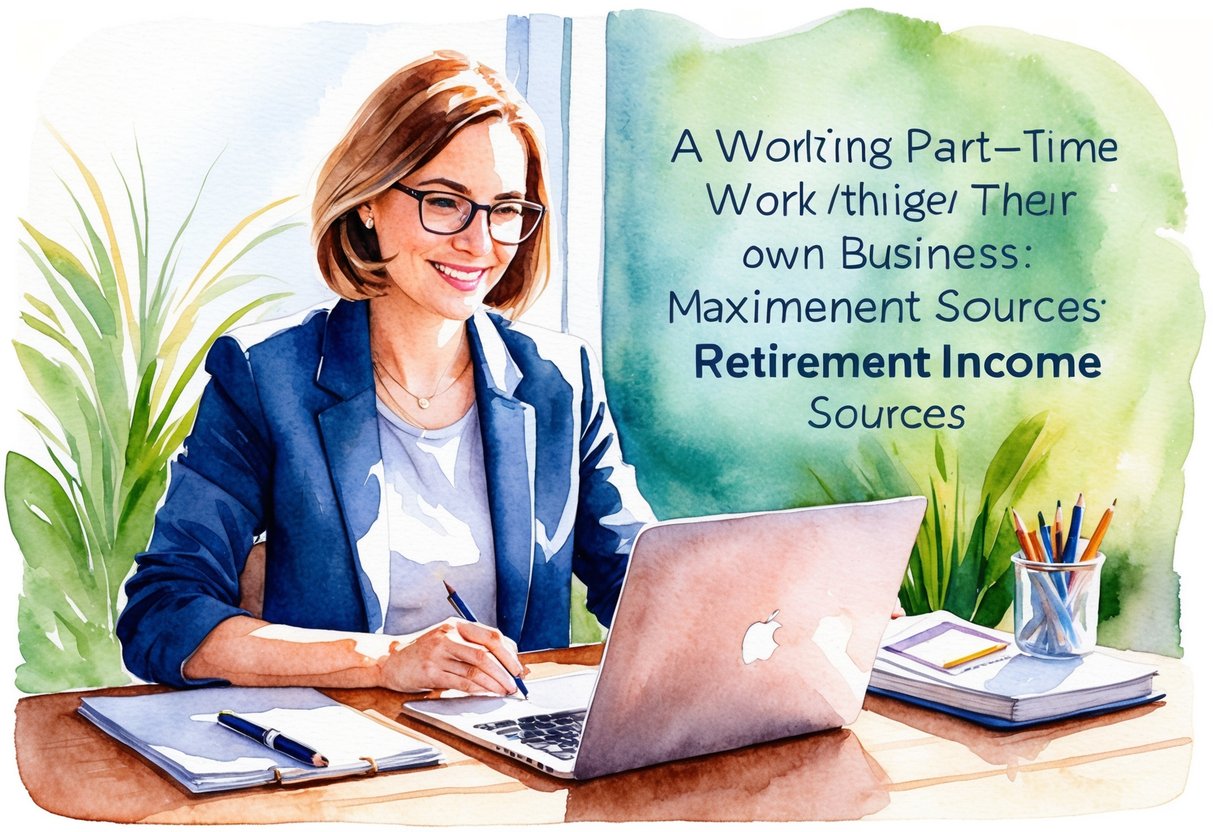
Have you ever considered that retirement doesn’t have to mean stopping work entirely? I’ve found that part-time work in retirement can be a game-changer for many people.
Flexibility is key. With part-time work, you can choose when and how much you work. This allows you to balance your leisure time with earning some extra cash.
But why stop at part-time work? Entrepreneurship in retirement can be even more rewarding. It’s a chance to turn your passion into profit.
Here are some benefits of working part-time or starting a business in retirement:
- Extra income to supplement your savings
- Keeps your mind active and engaged
- Provides social interaction and purpose
- Allows you to pursue interests or hobbies
What about your retirement savings accounts? It’s important to note that earnings from part-time work may affect contributions to certain plans like IRAs.
Consider this: Could your skills and experience be valuable to others? Maybe consulting or freelancing could be your ticket to a more comfortable retirement.
Remember, retirement is not about stopping. It’s about having the freedom to choose how you spend your time. Why not make that time both enjoyable and profitable?
Advanced Retirement Income Techniques

Retirement income doesn’t have to be a guessing game. I’ve seen too many people struggle with outdated strategies. Let’s explore some advanced techniques that can supercharge your nest egg.
Decumulation Strategies
Ever wondered how to turn your savings into a steady income stream? That’s where decumulation comes in. It’s all about spending your assets wisely over time.
One popular method is the 4% rule. You withdraw 4% of your portfolio in the first year, then adjust for inflation each year after. But is this still reliable?
I prefer a more flexible approach. Why not adjust your withdrawals based on market performance? In good years, you can take a little extra. In down years, tighten the belt.
Remember, it’s not just about how much you withdraw, but when. Taking smaller distributions during market downturns can help your portfolio recover faster.
Using the Bucket Strategy
Have you heard of the bucket strategy? It’s a game-changer for managing retirement income.
Here’s how it works:
- Short-term bucket: Cash for 1-2 years of expenses
- Medium-term bucket: Conservative investments for 3-10 years
- Long-term bucket: Growth investments for 10+ years
This approach gives you peace of mind. You’re not forced to sell investments in a down market. Instead, you draw from your cash bucket while giving your investments time to recover.
The key is regular rebalancing. As you deplete your short-term bucket, refill it from your other buckets. This keeps your retirement income strategy flexible and responsive to market conditions.
Preparing for the Unexpected
Life throws curveballs, and retirement is no exception. A solid plan accounts for surprises and adapts to changing circumstances.
Let’s explore how to build flexibility into your retirement strategy and navigate unique family situations.
Building a Flexible Retirement Plan
I’ve seen too many retirees caught off guard by unexpected events. That’s why I always stress the importance of flexibility in retirement planning.
Have you considered how you’d handle a sudden market downturn or health crisis?
One key strategy is diversifying your income sources. Don’t put all your eggs in one basket.
Mix it up with Social Security, personal savings, and maybe even a part-time gig.
Another smart move? Maximize your catch-up contributions. If you’re over 50, you can stash away extra cash in your 401(k) and IRA. It’s like turbocharging your savings in the home stretch.
Lastly, keep an eye on your life expectancy. We’re living longer than ever. How will you stretch your savings to match?
Consider long-term care insurance or annuities to help cover those extra years.
Planning for Unique Family Dynamics
Family can be a source of joy - and financial complexity. Are you planning to help with your grandkids’ education?
Or maybe you’re caring for aging parents?
Start by having open conversations with your family about expectations and resources. It’s not always easy, but it’s crucial for avoiding surprises down the road.
Consider setting up a 529 plan for education expenses.
It’s a tax-smart way to help the next generation without derailing your own retirement.
If you’re caring for parents, look into long-term care options early. It could save you stress and money in the long run.
Remember, your retirement plan needs to work for your whole family situation, not just you.