Are you tired of worrying about your retirement savings? I know how frustrating it can be to follow traditional advice and still feel uncertain about your financial future. But don’t worry - there are ways to maximize your retirement savings that you might not have considered yet.
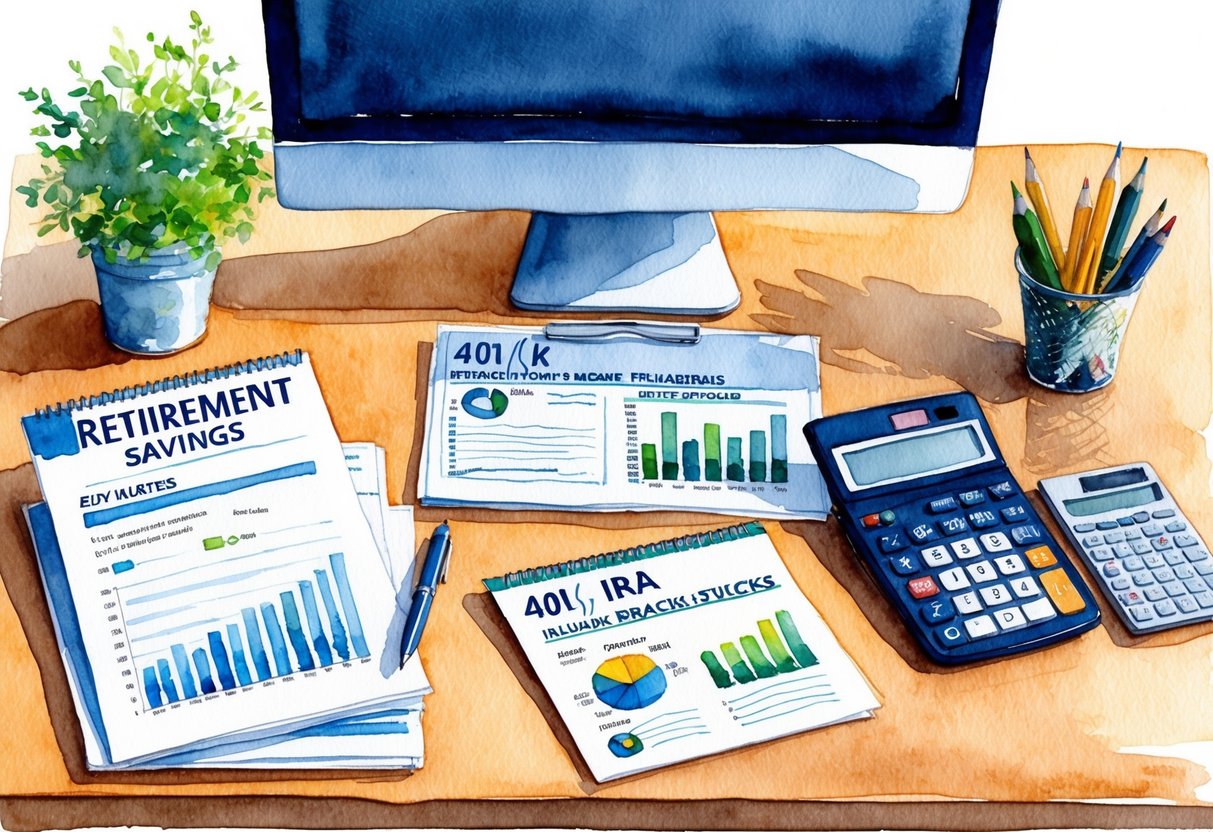
By making smart choices now, you can boost your nest egg and set yourself up for a comfortable retirement. It’s not just about saving more money, but also about using the right strategies to make your money work harder for you.
From taking full advantage of employer matches to exploring different investment options, there are plenty of opportunities to grow your savings.
Let’s explore some powerful ways to supercharge your retirement funds. Whether you’re behind on savings or just want to optimize what you’ve already got, these tips can help you take control of your financial future. Ready to learn how to maximize your retirement savings?
Key Takeaways
- Take full advantage of employer-matched retirement plans
- Diversify investments to balance growth and risk
- Regularly review and adjust your savings strategy as your life changes
Understanding Retirement Savings
Saving for retirement is crucial, but it can be confusing. I’ll break down the key types of accounts and why starting early matters. This knowledge will help you make smart choices for your financial future.
Types of Retirement Accounts
When it comes to retirement savings, you have several options. The most common are 401(k)s, Traditional IRAs, and Roth IRAs.
401(k)s are employer-sponsored plans that let you save pre-tax dollars. Many employers match a portion of your contributions, which is like free money!
Traditional IRAs allow you to contribute pre-tax dollars, potentially lowering your current tax bill. You’ll pay taxes when you withdraw the money in retirement.
Roth IRAs are funded with after-tax dollars. The big benefit? Your money grows tax-free, and you won’t owe taxes when you withdraw it in retirement.
Each account type has its own rules and benefits. It’s important to understand these differences to choose the best option for your situation.
Benefits of Starting Early
I can’t stress this enough: starting to save early is one of the smartest financial moves you can make. Why? Two words: compound interest.
When you start saving in your 20s or 30s, your money has more time to grow. Even small contributions can snowball into a significant nest egg over decades.
Let’s look at an example. If you save $200 a month starting at age 25, assuming a 7% annual return, you’ll have about $525,000 by age 65. But if you wait until 35 to start, you’ll only have about $244,000. That’s a difference of $281,000!
Starting early also gives you more flexibility. If the market dips, you have time to recover. And if you hit a financial rough patch, you can adjust without derailing your entire retirement plan.
Maximizing Employment Benefits
Your job can be a goldmine for building wealth. Many employers offer benefits that can supercharge your retirement savings. Are you taking full advantage of these opportunities?
Leveraging Employer Match
I can’t stress this enough: if your employer offers a match on your retirement contributions, grab it with both hands! It’s free money, folks. Many companies will match a percentage of your 401(k) contributions, often up to 3-6% of your salary.
Here’s a simple strategy:
- Find out your employer’s match percentage
- Contribute at least enough to get the full match
- Increase your contributions yearly if possible
Remember, not taking the full match is like leaving a bonus on the table. Would you turn down a raise? I didn’t think so!
Understanding Workplace Retirement Plans
Your workplace retirement plan is a powerful tool for building wealth. Most common is the 401(k), but you might have a 403(b) if you work in education or a 457(b) in government.
These plans offer tax advantages that can turbocharge your savings:
- Traditional: Contributions reduce your taxable income now
- Roth: Pay taxes now, but enjoy tax-free growth and withdrawals later
If you’re self-employed, don’t feel left out. A solo 401(k) can offer similar benefits, often with higher contribution limits.
I always say, “Know the rules of the game before you play.” Take time to understand your plan’s features, investment options, and any fees. It’s your money – make it work for you!
Investment Strategies for Retirement

Planning for retirement isn’t just about saving money. It’s about making smart choices with your investments. I’ve seen many people struggle with this, but the right approach can make all the difference.
The Importance of Diversification
Diversification is key to protecting your nest egg. I always tell my clients, “Don’t put all your eggs in one basket.” This means spreading your money across different types of investments.
Here’s a simple way to think about it:
- Stocks: For growth potential
- Bonds: For stability
- Real estate: For income and inflation protection
- Cash: For emergencies and short-term needs
By mixing these up, you’re less likely to lose everything if one area takes a hit. Remember, the goal is to balance risk and reward. As you get closer to retirement, you might want to shift towards safer options. But don’t play it too safe - you still need growth to beat inflation.
Choosing Between Mutual Funds and Index Funds
When it comes to funds, you have two main choices: mutual funds and index funds. Both can be good options, but they work differently.
Mutual funds are actively managed by professionals. They try to beat the market by picking winning stocks. Sounds great, right? But here’s the catch - they often charge higher fees, and many don’t actually outperform the market.
Index funds, on the other hand, simply track a market index like the S&P 500. They’re passively managed, which means lower fees. And here’s a surprising fact - over the long term, many index funds outperform actively managed funds.
So which should you choose? I lean towards index funds for most people. They’re simple, low-cost, and provide broad market exposure. But don’t just take my word for it. Do your own research and consider your personal goals and risk tolerance.
Tax Planning for Retirement

Smart tax planning can make a huge difference in your retirement savings. Let’s explore some key strategies to keep more money in your pocket and less in Uncle Sam’s.
Decoding Tax Advantages
I’ve seen many people overlook the power of tax-advantaged accounts. Did you know that 401(k) contributions can lower your taxable income right now? It’s like getting a bonus for saving!
But it doesn’t stop there. Have you considered a Health Savings Account (HSA)? These gems offer triple tax benefits:
- Tax-deductible contributions
- Tax-free growth
- Tax-free withdrawals for medical expenses
I always tell my clients: “Don’t leave free money on the table!” Maximizing these accounts can significantly boost your retirement nest egg.
After-Tax vs. Pre-Tax Contributions
Now, here’s where it gets interesting. Should you pay taxes now or later? It’s not always a clear-cut answer.
Pre-tax contributions, like traditional 401(k)s, give you an immediate tax break. But what if tax rates go up in the future? That’s where Roth accounts shine. You pay taxes now, but future withdrawals are tax-free.
I recommend a mix of both. Why? It gives you flexibility in retirement. On years when you need more income, you can pull from your pre-tax accounts. In high-income years, tap into your Roth. It’s all about options, my friends!
Remember, tax laws change. That’s why I always suggest checking with a financial advisor for personalized tax advice.
Financial Goals and Budgeting

Setting clear financial goals and creating a smart budget are key to maximizing your retirement savings. These strategies help you take control of your money and build wealth for the future.
Establishing Clear Retirement Goals
What do you really want in retirement? It’s crucial to paint a vivid picture of your ideal future. I always ask my clients to dream big. Do you want to travel the world? Start a new business? Or maybe you just want to relax and spend time with family?
Once you have a vision, it’s time to put numbers to it. How much money will you need each year? Don’t forget to factor in inflation and potential health care costs.
Retirement planning isn’t just about saving a lump sum. It’s about creating a steady income stream that will last throughout your golden years.
Crafting a Budget to Achieve Savings Goals
Now that you know your destination, let’s map out how to get there. A budget is your roadmap to financial freedom. But here’s the thing - a budget doesn’t have to be restrictive. It’s simply a plan for your money.
Start by tracking your current spending. Where is your money really going? You might be surprised. Are you falling victim to lifestyle creep? That’s when your spending increases as your income grows.
Next, look for areas to cut back. Could you eat out less? Downsize your cable package? Every dollar you save can be redirected towards your retirement goals.
Budgeting isn’t just about cutting costs. It’s about aligning your spending with your values and goals. What’s more important to you - that daily latte or a comfortable retirement?
Navigating Debt and Retirement

Dealing with debt while saving for retirement can be tricky. But with the right approach, we can tackle both goals and set ourselves up for financial success in our golden years.
Managing Credit Card Debt
Credit card debt is a major roadblock to building wealth. I’ve seen too many people struggle with high-interest balances that eat away at their retirement savings. So how can we break free from this cycle?
First, let’s look at the numbers. Credit card interest rates often top 20%, while the stock market historically returns about 7% annually. It’s clear where our money will grow faster.
My advice? Prioritize paying off high-interest debt before maxing out retirement accounts. But don’t neglect saving entirely. Aim to at least get your employer’s 401(k) match - it’s free money!
Consider these strategies:
- Balance transfer cards with 0% intro APR
- Debt snowball or avalanche methods
- Negotiating lower interest rates
Remember, every dollar of debt paid off is a guaranteed return. Isn’t that better than gambling on market performance?
Insurance and Health Costs
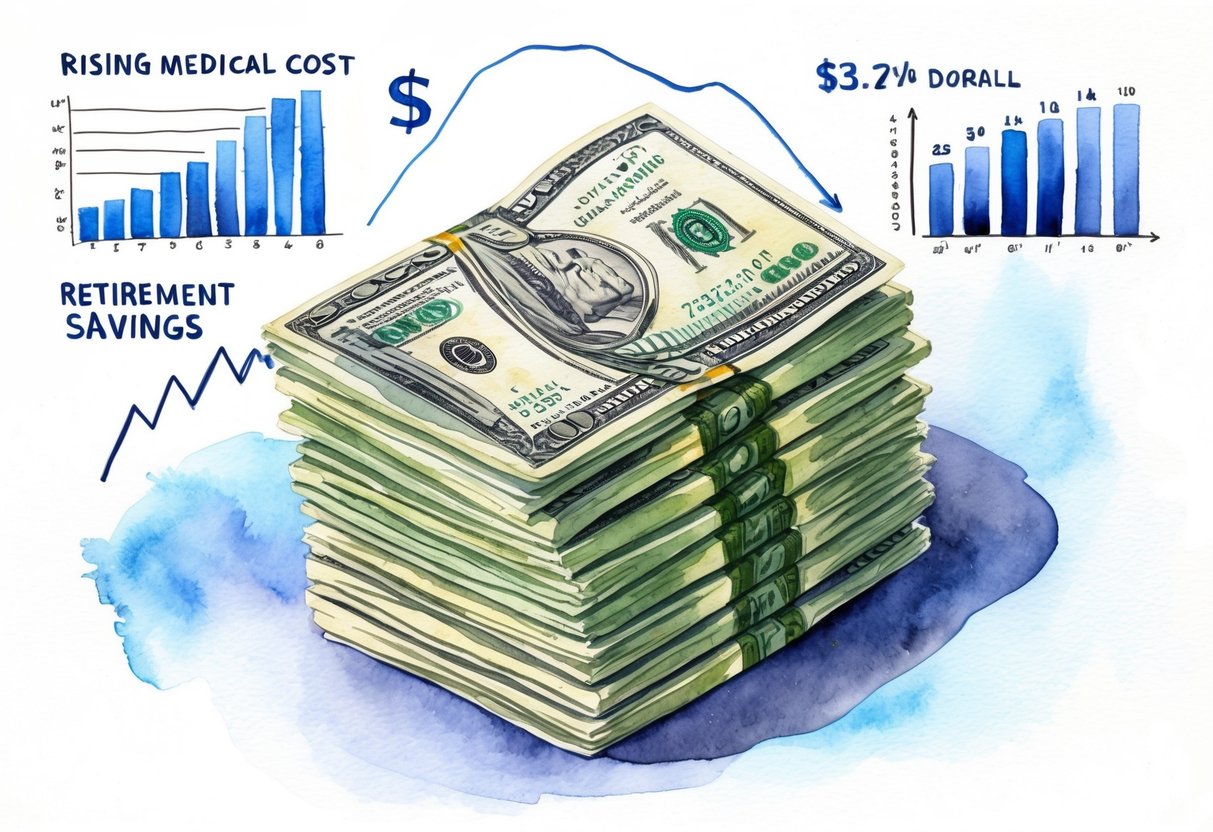
Health costs can take a big bite out of your retirement savings if you’re not prepared. I’ve seen many retirees caught off guard by these expenses. Let’s look at two key areas you need to consider.
Medicare and Long-Term Care
Medicare is a crucial part of retirement planning, but it doesn’t cover everything. I always tell my clients to expect out-of-pocket costs. You’ll need to budget for premiums, deductibles, and copayments.
Did you know that Medicare doesn’t cover most long-term care? This gap can be a major financial risk. Long-term care services are expensive. A private room in a nursing home can cost over $100,000 per year!
One smart move is to use a Health Savings Account (HSA). If you’re eligible, an HSA offers triple tax advantages. You can contribute pre-tax dollars, grow your money tax-free, and withdraw funds tax-free for qualified medical expenses.
The Role of Long-Term Care Insurance
Have you considered long-term care insurance? It’s a powerful tool to protect your retirement savings. This insurance can cover costs that Medicare won’t, like in-home care or assisted living.
Long-term care insurance isn’t cheap, but it can save you from financial ruin. The younger you are when you buy a policy, the lower your premiums will be. Some policies even offer “return of premium” options if you never use the benefits.
Remember, health care costs in retirement can be substantial. A married couple might need over $300,000 saved just for medical expenses! Long-term care insurance can help ensure your retirement savings last.
Professional Financial Guidance

Getting expert help can make a big difference for your retirement savings. Let’s look at why working with a pro and getting smart advice matters.
The Value of a Financial Advisor
I’ve seen firsthand how a good financial advisor can transform retirement planning. They don’t just manage your money - they help you see the big picture. Have you ever wondered if you’re really on track?
A skilled advisor will analyze your whole financial situation. They look at your income, debts, and goals. Then they create a custom plan to grow your wealth.
Financial advisors stay up-to-date on market trends and new investment options. This expertise lets them spot opportunities you might miss on your own. They can also help you avoid costly mistakes.
Many people find that advisors give them peace of mind. Knowing a pro is watching your money can reduce stress about the future.
Seeking Tax and Investment Advice
Smart tax planning is key to keeping more of your hard-earned money. But tax laws are complex and always changing.
That’s why getting expert tax advice is so valuable.
A tax pro can help you find ways to minimize taxes on your retirement savings. They might suggest strategies like:
- Using Roth accounts
- Timing withdrawals carefully
- Taking advantage of tax deductions
Good investment advice is just as crucial.
Are you sure your portfolio is truly diversified?
An investment expert can help you spread risk and boost potential returns.
They’ll look at factors like:
- Your risk tolerance
- Time until retirement
- Overall financial goals
With their guidance, you can build a stronger investment strategy tailored to your needs.