

Curiosity isn’t just for the young. It plays a crucial role in uncovering new strategies for a fulfilling and financially secure retirement. In a world where traditional retirement advice often falls short, curiosity opens doors to fresh opportunities and innovative approaches. Have you ever wondered why some retirees seem to thrive while others struggle? The answer often lies in their willingness to embrace the unknown and explore new avenues. Those who maintain a sense of curiosity tend to discover unique retirement paths tailored to their personal interests and needs. This enthusiasm for exploration not only enriches life but also fuels new connections and adventures. In retirement, curiosity can also have a positive effect on mental and physical health. By actively engaging in new experiences and learning opportunities, you stay sharp and invigorated. This doesn’t just keep your mind active; it also brings a greater sense of purpose and emotional well-being.
Key Takeaways
- Curiosity leads to innovative retirement strategies.
- Embracing curiosity enhances mental and emotional well-being.
- Curiosity fosters deeper social connections and purpose.
The Importance of Curiosity in Retirement Planning
 Have you ever thought about how curiosity can shape your retirement? Many people stick to the status quo, but curiosity can open doors to new possibilities. It might push you to ask questions and explore options that others miss. Curiosity is more than just a trait; it’s a tool for success. It helps you find unique paths and strategies, setting you apart in your retirement planning. By staying curious, you’re more likely to adapt and thrive. Benefits of Curiosity in Retirement Planning:
- Longevity: Studies show curiosity can lead to longer life. Engaging in new experiences keeps the mind active and sharp.
- Well-being: Curious individuals often report higher levels of satisfaction and happiness.
- Financial Insight: Questioning traditional advice can uncover innovative investment opportunities.
Consider how curiosity has already served you in life. What if it could do the same for your retirement? By challenging assumptions, you might discover pathways that align better with your goals. Encourage curiosity and watch how it enhances your retirement journey. Being curious means embracing change. Are you ready to start? By asking new questions, you open the door to a fulfilling and successful retirement.
Understanding Curiosity as a Psychological Trait
 Curiosity plays a crucial role in shaping how we approach challenges, like finding new strategies for retirement. This trait influences our ability to explore new ideas and adapt to changes, affecting our emotional well-being and decision-making.
Conceptual Framework: Socioemotional Selectivity Theory
Why is curiosity so vital as we age? According to the Socioemotional Selectivity Theory, our goals and motivations shift with age. While younger individuals seek knowledge for future use, older adults prioritize emotionally meaningful goals. Curiosity aids in staying open to new opportunities and strategies. Have you ever wondered why some people remain energetic learners while others do not? It often comes down to how they prioritize information gathering versus emotional satisfaction. Maintaining curiosity can therefore be essential for finding satisfaction in personal and financial matters later in life.
Curiosity and Conscientiousness in Aging
How do curiosity and conscientiousness intersect as we age? Conscientiousness, a key personality trait, involves being diligent and organized. It is often linked with curiosity, as both can encourage exploring and planning. As we grow older, being curious might inspire us to explore alternative retirement strategies. It enables us to ask questions and seek knowledge, which is important when traditional methods seem lacking. Conscientious individuals, driven by their curious nature, often find more innovative ways to secure their future. They don’t just follow rules; they seek to understand and adapt them.
The Impact of Declining Curiosity on Mental Health
So, what happens when curiosity wanes? A decline in curiosity might negatively impact mental health. It’s not just about losing interest in learning; it could lead to decreased cognitive and emotional engagement. This can create a feeling of being stuck or lost during retirements planning. Can a lack of curiosity make us less adaptable? Absolutely. When curiosity declines, people may feel trapped in outdated strategies, lacking the drive to explore new options. This staleness can frustrate those over 40 who yearn for fresh retirement paths. By maintaining curiosity, we open doors to discovering dynamic and effective solutions, enhancing not only our mental well-being but also financial stability.
Strategies for Cultivating Curiosity in Retirement
 Cultivating curiosity in retirement can unlock exciting pathways to rediscover passion and purpose.
Pursuing Lifelong Learning Opportunities
Why stop learning just because you’ve retired? I always find that keeping the mind active is key. Many universities and community colleges offer courses tailored for older adults. Attending classes is an engaging way to meet new people while expanding knowledge on topics like history, art, or even new technology. Online platforms also provide a wealth of resources, allowing you the flexibility to learn at your own pace. Joining book clubs or discussion groups can also ignite the spark of curiosity. These activities encourage you to explore different perspectives and connect with like-minded individuals. Continuing education is not just about acquiring knowledge; it’s about keeping the curiosity alive.
Embracing Uncertainty and Critical Thinking
Retirement is the perfect time to rethink how we handle uncertainty. Let me tell you, facing the unknown can be daunting, but it’s also where growth happens. Challenge yourself to question assumptions and analyze situations. This develops critical thinking skills, helping to build a more adaptive mindset. You can practice by tackling puzzles or engaging in debates. These activities sharpen the mind and enhance problem-solving skills. So, when life throws unexpected situations your way, you’re better prepared to handle them. Embracing uncertainty doesn’t mean being reckless; it’s a chance to develop resilience and curiosity.
Leveraging Creativity and Imagination
Imagination isn’t just for kids. Tapping into your creative side can lead to personal growth and new hobbies. Ever considered painting or learning to play an instrument? Activities like these stimulate the brain and encourage innovative thinking. It’s not about achieving perfection; it’s about the journey of creating. I often explore creativity through journals or storytelling. Writing can be a wonderful outlet for expressing ideas and exploring new narratives. Engaging in creative pursuits can inspire new ways of thinking and reveal hidden talents. Don’t shy away from them—let your curiosity guide you to creative endeavors.
The Connection between Curiosity and Physical Health
 Curiosity is more than just a mental spark; it’s a powerful motivator for physical and mental well-being. By fueling inquisitive behavior, curiosity can lead us to healthier lifestyles and sharper minds as we age.
Curiosity-Driven Exercise and Activity
Why does curiosity matter when it comes to staying fit? Because the drive to explore and learn can lead us to try new forms of physical activity. For instance, someone curious about different cultures might engage in dance styles from around the world. This approach can turn exercise from a chore into an exciting adventure. Physical activities inspired by curiosity don’t just keep the body fit; they also support longer life spans. Regular exercise, driven by a genuine interest in diverse activities, promotes cardiovascular health and keeps muscles strong. When curiosity leads to trying out new activities, it helps reduce the monotony of repetitive workouts, encouraging consistent involvement. This kind of engagement is crucial for maintaining motivation and improving overall health.
The Role of Curiosity in Cognitive Functioning
Ever wondered how curiosity impacts the brain? It plays a significant role in maintaining and enhancing cognitive functioning, especially as we age. When we’re curious, our brains are constantly challenged to learn and adapt, which can help maintain mental acuity and memory. Engaging the brain in new learning experiences can slow cognitive decline associated with aging. I’ve found that curiosity leads to more frequent knowledge-seeking behaviors, like reading or puzzles, which strengthen neural connections. This constant mental exercise is believed to bolster brain health and could potentially lower the risk of cognitive disorders. By consistently challenging our minds, we nourish our brains and promote longevity, keeping us sharp for years to come.
Enhancing Social Connections through Curiosity
 Exploring curiosity not only fuels knowledge but also fosters stronger social connections, especially important during retirement. Diving into interests can lead to rewarding interactions and enduring relationships. How can curiosity be the key to boosting your social life?
Building Relationships and Networks
Curiosity drives us to ask questions and learn about others, paving the way for genuine connections. When I approach conversations with an open mind, I’m able to build deeper relationships. This can be especially helpful in expanding personal or professional networks. Joining groups or clubs centered around personal interests can be a great starting point. Imagine the bonds I can form just by engaging sincerely in shared activities! By being curious, I invite others to share their stories, enriching my own experiences with new perspectives. This enriches relationships, making them more fulfilling and dynamic.
Maintaining Social Interactions Post-Retirement
Retirement might feel like a social void for some, but curiosity helps maintain interactions. Why should curiosity end after leaving the workforce? Pursuing hobbies or learning new skills with others can create both friendships and a sense of purpose. I find new ways to engage, whether through volunteering or joining local community activities. These interactions not only combat loneliness but also boost happiness and personal fulfillment. Staying active socially ensures continued connection, which is crucial for maintaining mental and emotional health as we transition into retirement.
Curiosity’s Effect on Emotional Well-Being
 Curiosity can significantly influence emotional well-being by enhancing happiness and building a sense of purpose. It also helps to overcome boredom and maintain a positive mindset, which can be integral in finding new retirement strategies.
Curiosity and Its Link to Happiness and Purpose
Curiosity plays a pivotal role in boosting happiness and self-esteem. When I explore new ideas or interests, my curiosity functions like a mental reward system. It drives me to seek experiences that bring joy and satisfaction. Curiosity also connects to a deeper sense of purpose. By engaging with what sparks my interest, I find more meaning in life. Research suggests that curiosity leads to greater well-being. It acts as a motivating force that encourages me to pursue goals and make positive changes.
Overcoming Boredom and Maintaining a Positive Attitude
Curiosity is a powerful tool against boredom. When I allow myself to follow curious thoughts or explore new activities, I break the cycle of routine that can often lead to dullness. Curiosity encourages me to step out of comfort zones, which is crucial for maintaining a vibrant and engaging life. Keeping a positive attitude is easier when curiosity is part of my routine. When faced with challenges, I rely on curiosity to find solutions or learn something new. This approach strengthens my resilience and contributes to better mental health. Understanding how curiosity can turn boredom into a learning opportunity has proven immensely beneficial in keeping a refreshed outlook on life.
The Role of Curiosity in Preventing Cognitive Decline
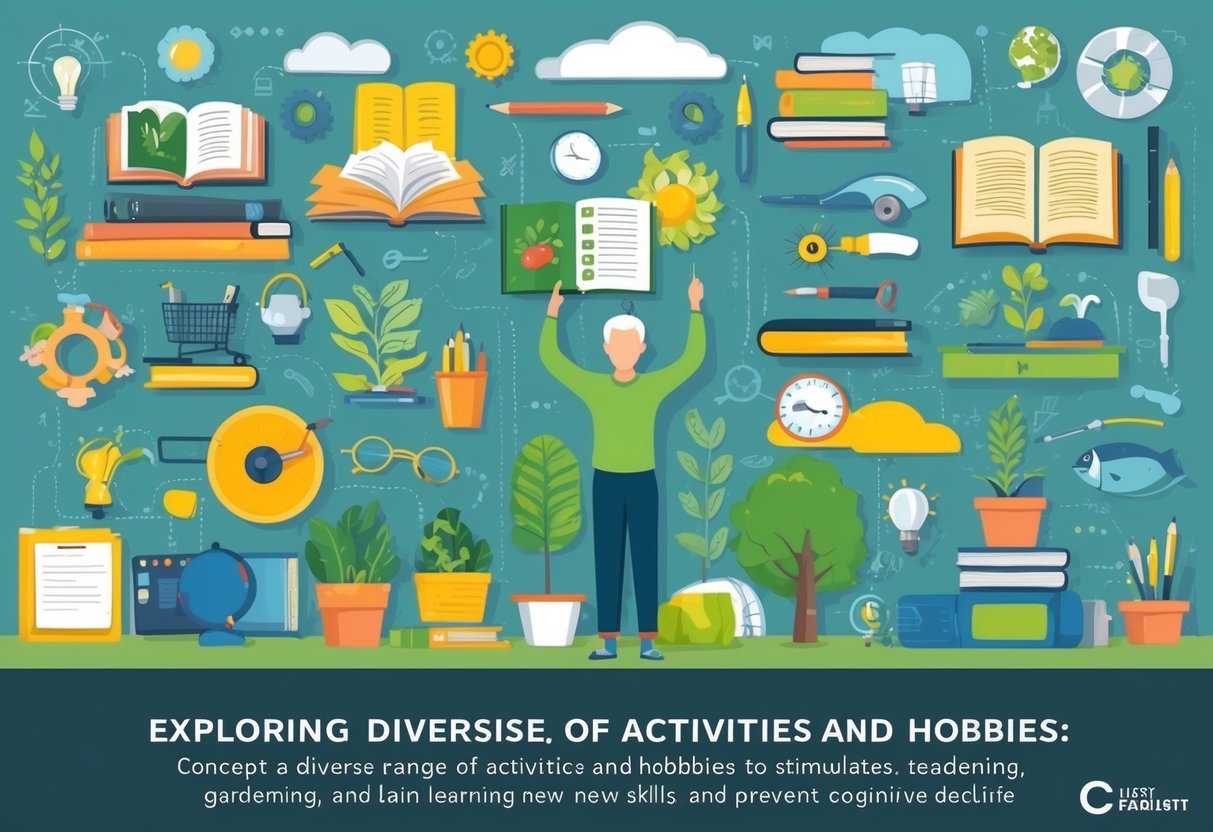 As we explore strategies to keep our minds sharp, curiosity emerges as a powerful ally. It plays a significant role in maintaining cognitive functioning and may help reduce the risk of conditions like dementia.
Curiosity as a Tool Against Dementia
Did you ever wonder why some minds stay sharp with age while others fade? Research suggests that curiosity might be a clue. Keeping an active mind can slow down cognitive decline. Staying curious encourages learning new things and seeking new experiences, which may help fight against dementia. One study shows that curiosity can even be linked to greater survival rates over a period of time in older adults. Finding ways to keep that spark of curiosity alive could be key to protecting the brain. Keeping mentally engaged through hobbies or learning new skills can be a fun and rewarding way to counteract cognitive challenges.
Enhancing Intellectual Engagement
Now, how do we keep this intellectual flame burning? Staying curious involves more than just reading. It means actively engaging with the world. This might mean solving puzzles, exploring new hobbies, or even joining clubs. Research shows that older adults can maintain or even improve cognitive abilities through motivated activities. The act of curiosity-driven learning encourages pathways in the brain to grow and adapt. A simple list of activities can help:
- Try a new language
- Explore a musical instrument
- Read diverse books
Markets may change, and strategies may evolve, but a curious mind is always resilient. By nurturing our curiosity, we can float through the world not only with new knowledge but with a fortified mind ready for any twist or turn.
Fostering Curiosity as a Way to Find Meaning and Passion
 Have you ever wondered if there’s something more out there? Curiosity can open the door to new possibilities in our lives as we seek meaning and passion. It’s like shining a light into the unknown. When I started exploring different financial strategies, the simple act of asking myself “what if?” brought exciting new insights. Curiosity isn’t just a trait; it’s a tool. It pushes us to explore beyond the obvious. When I embraced curiosity, my search for purpose and new ways to secure my future became more than just a task. It turned into an adventure for discovering what truly mattered to me. How can you foster curiosity in your life today?
- Ask More Questions: Start with the basics. Ask yourself about what interests you and why.
- Learn Continuously: Dive into topics that spark your curiosity.
Attend workshops or read articles on new retirement strategies.
- Reflect on Your Passion: Think about what activities make you lose track of time and bring joy, then explore how they can fit into your retirement plans.
Curiosity can lead to passion, which in turn can fuel your sense of purpose. When we’re passionate, we’re more likely to find fulfilling paths that align with our deepest values. Is pursuing traditional options your only way forward, or could there be unexplored avenues ready to uncover?