As I dive into the world of retirement planning, one thing becomes clear: traditional advice can often miss the mark by not emphasizing the importance of flexibility. Many of us have been told to follow a strict path, saving a set amount or sticking to one type of investment. But is this really the best approach? Life throws unexpected surprises our way, and having a flexible plan can help us navigate these twists and turns with confidence.  Flexibility allows us to adapt to changing circumstances, whether it’s market fluctuations or personal lifestyle choices. This means developing a strategy that accounts for varied income sources and exploring diverse investment opportunities. By considering multiple options, we can pave the way for a retirement that suits our unique needs and preferences. I’m excited to share practical insights and strategies that can help shape a more adaptable retirement plan. This approach is about more than just numbers and predictions; it’s about living a fulfilling and confident retirement without being shackled by outdated advice. Together, let’s explore how flexibility can transform the way we think about our future.
Key Takeaways
- Flexibility leads to better adaptability in retirement planning.
- Diverse income and investment options enhance retirement security.
- A flexible plan supports a fulfilling retirement lifestyle.
The Importance of Flexibility in Retirement Planning
 Navigating the complexities of retirement involves more than just stashing away funds. One must consider variables like longevity risk and the changing cost of living, which can significantly impact retirement plans. In this context, flexibility can be a game-changer.
Understanding Longevity Risk
Have you ever thought about how long you might actually live? It’s a tricky question, but it matters a lot in retirement planning. Longevity risk refers to the possibility that you might outlive your savings. People are living longer, thanks to advancements in healthcare. While this is wonderful news, it also means retirement funds need to stretch further. If you retire at 65, you might spend 20 or even 30 years in retirement. That’s a long time to depend on your savings! Flexible retirement plans can help. By gradually reducing work hours, you maintain an income stream longer, which boosts financial security. This strategy can extend your working life without the full stop of traditional retirement. Staying adaptable is vital to managing this risk effectively.
Adjusting for Inflation and Cost of Living
Do you ever feel like prices keep creeping up while your income stays the same? It’s not just a feeling; it’s the reality of inflation and the rising cost of living. Retirement planning must take this into account to maintain your purchasing power over the years. Inflation can erode the value of your savings, making flexibility crucial. Imagine you start with a $1 million portfolio. If costs rise 3% each year, you could lose significant spending capacity within a decade. Flexible retirement options such as phased retirement or strategic withdrawals can help adjust for these shifts. This approach allows you to maintain a decent standard of living, even as prices change. Being adaptable here helps match your income with life’s unexpected twists.
Assessing Retirement Income Sources
 In planning for retirement, understanding your income sources is vital. Social Security, IRAs, 401(k)s, and annuities each play a key role. These sources offer different benefits and requirements, so optimizing each can lead to a more comfortable retirement.
Maximizing Social Security Benefits
Have you ever thought about the right time to claim Social Security? Timing is everything. You can start as early as 62, but did you know waiting until 70 increases your monthly payments? The difference can be significant, and securing the highest possible amount can impact your retirement income positively. Consider your work history and earnings record. This determines your benefit amount. Also, think about your life expectancy and financial needs. Typically, maximizing Social Security involves delaying benefits to gain higher lifelong income. In some cases, it might benefit a spouse to delay or coordinate claiming strategies for optimal results.
Utilizing IRAs and 401(k)s Effectively
IRAs and 401(k)s offer tax advantages that can grow your wealth. Do you make the most of these accounts? It’s essential to consider your contributions and investments wisely. An IRA allows for a variety of investment options helping diversify your portfolio. Think about required minimum distributions. These kick in at age 73 for traditional IRAs and 401(k)s. Planning withdrawals correctly can reduce taxes and extend the longevity of your savings. I recommend annual reviews to adjust for changes in financial goals or market conditions.
Considering Annuities for Steady Income
Annuities can provide a secure, steady income, but are they right for you? They offer regular payments for life, which can supplement other retirement income sources. This might be appealing if you’re worried about outliving your savings. Evaluate different types of annuities. Fixed annuities give predictable income, while variable ones offer potential for growth. Fees and terms vary, so research is crucial. It’s important to consider if the security of an annuity aligns with your retirement plan and financial comfort zone. Would you value the peace of mind an annuity can offer during retirement?
Strategies for Investment and Growth
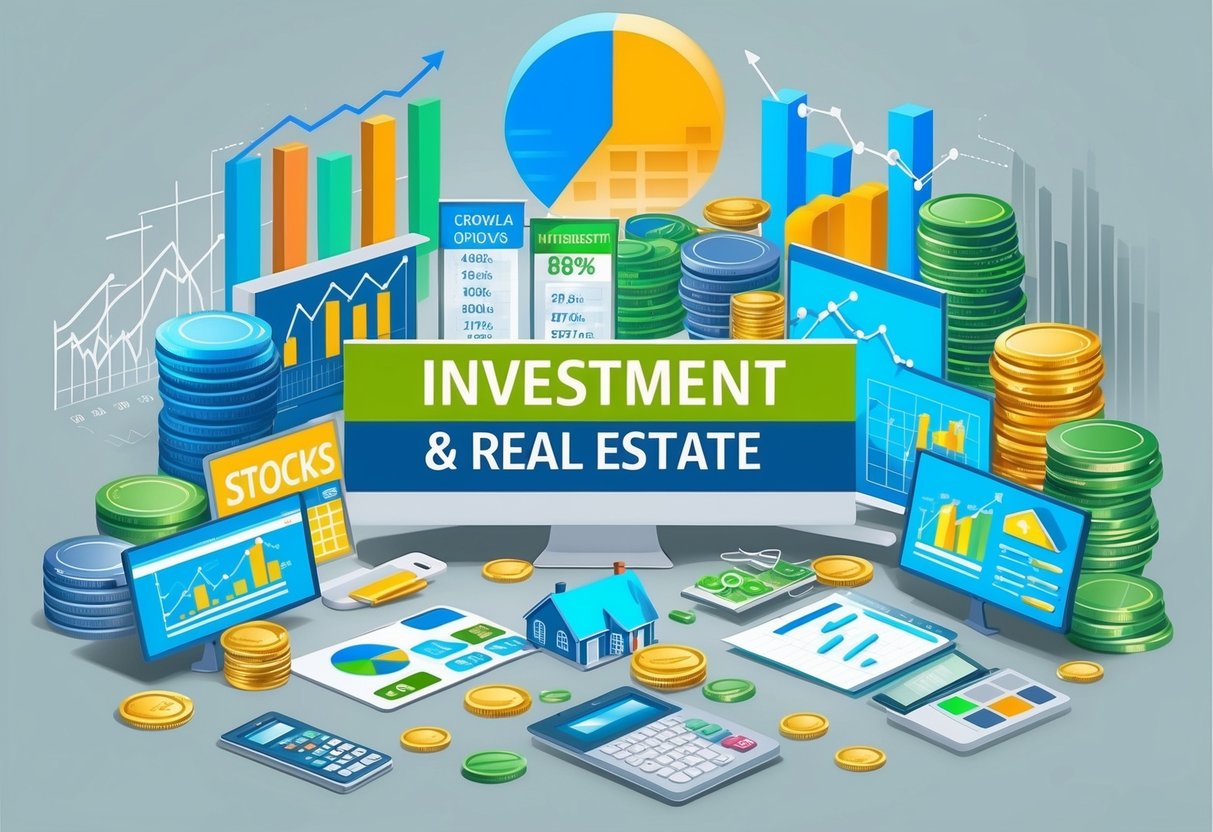 Flexibility in retirement planning is crucial for navigating the financial landscape. It’s essential to consider adaptable strategies like safe withdrawal rates and incorporating part-time work into retirement planning to maintain and grow your investments.
Adopting Safe Withdrawal Rates
Safe withdrawal rates are key to preserving your retirement savings. The traditional 4% rule suggests withdrawing 4% of your initial portfolio in your first retirement year and adjusting for inflation thereafter. Yet, it doesn’t fit everyone’s situation. I believe considering market conditions and personal circumstances is essential. For instance, in a downturn, it might be wise to withdraw a smaller percentage to protect your investment growth. On the other hand, in an up market, higher withdrawals might be feasible. This approach ensures that your savings last longer, aligning with your specific financial goals and needs.
The Role of Part-Time Work and Phased Retirement
Incorporating part-time work or phased retirement can significantly impact your financial stability. Continuing to work part-time allows you to delay full withdrawals from your savings, promoting further investment growth. This strategy is particularly beneficial if you enjoy your career and want to remain active. Phased retirement offers a balanced lifestyle transition. It allows you to gradually reduce your working hours while maintaining income and benefits. This approach not only eases the financial pressure of retirement but also keeps you engaged and productive, supporting a smoother transition into full retirement.
Planning for a Flexible Retirement Lifestyle
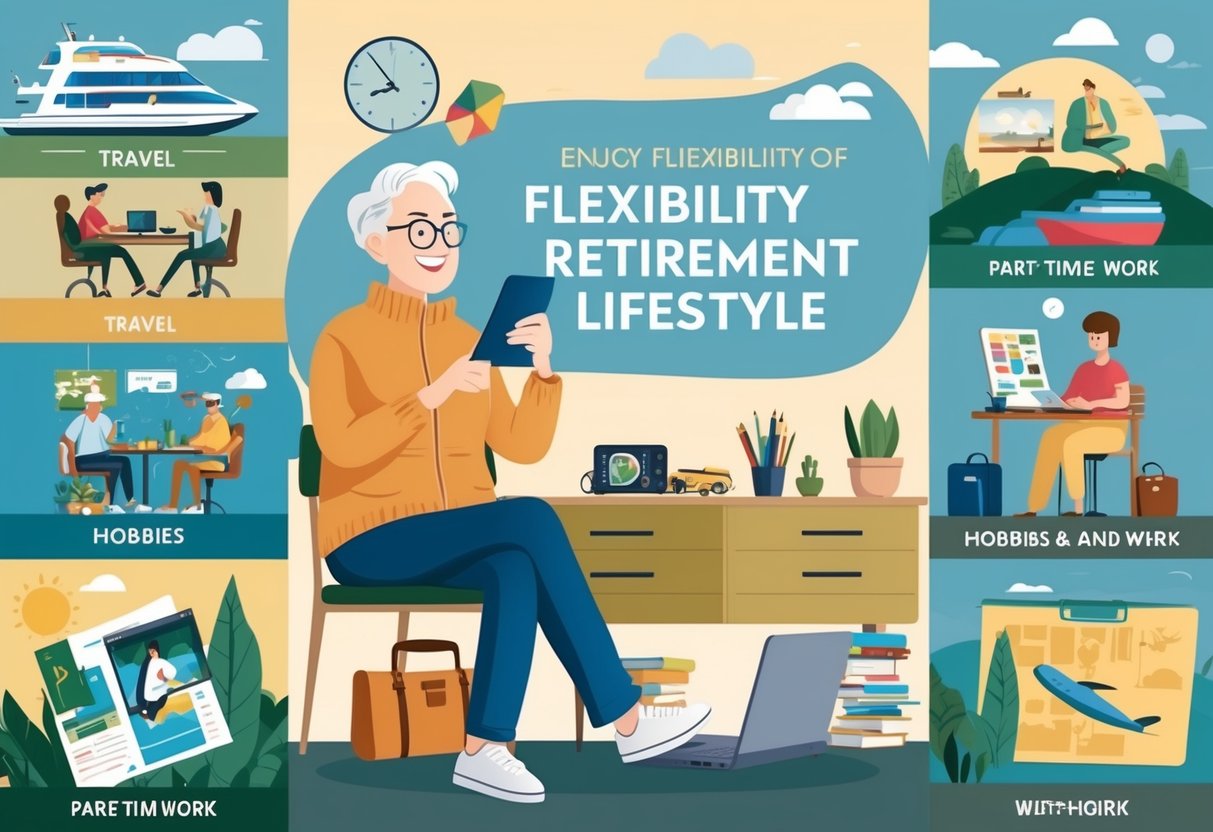 When planning for retirement, flexibility is crucial. Adjusting to life’s surprises and ensuring it aligns with personal desires can make retirement fulfilling and stress-free. Let’s look at how to address these important aspects.
Accommodating Unexpected Changes
Life throws curveballs, and retirement is no different. Health issues, family needs, or shifts in the economy can impact your plans. Have you thought about how you would handle these? Creating an emergency fund is a smart move. It acts as a cushion when unexpected expenses arise. You might also consider part-time work or consulting to keep income flowing when surprises hit. It can be a way to maintain your career connection and bolster finances. Insurance is another safeguard. Health and long-term care insurance can cover significant expenses. I also like to keep my skills updated. It makes it easier to re-enter the workforce if needed, especially for early retirees whose plans depend on more active years.
Designing a Retirement That Fits Personal Needs
Retirement isn’t one-size-fits-all. It’s about what works for you. What activities will fill your days and enrich your life? First, I pinpoint what’s essential for my happiness. Whether it’s travel, hobbies, or family time, my retirement lifestyle should support these desires. Knowing these priorities helps in planning budgets and estimating costs of living. Consider a location that matches your lifestyle goals. Some might prefer a vibrant city life, while others enjoy the peace of a rural setting. Cost of living varies greatly between locations, impacting how far your savings stretch. Finally, staying flexible with my spending gives me control. This way, if I need to adjust later, my lifestyle can stay intact without stress.