
Retirement is often seen as a time of relaxation and joy, but what if it comes with feelings of anxiety? How do we prepare for this important life stage without the stress that can come with such significant change? The secret lies in mindfulness, a powerful tool to help ease your worries and enhance your overall well-being.  Mindfulness enables us to stay present, allowing us to address anxiety in a way that doesn’t control our lives. Imagine retiring with peace of mind, knowing that not only your finances but also your mental health are well cared for. Being mindful calms anxiety by shifting our focus and helping us feel more in control of our thoughts and emotions. When we pay attention to the present moment, we unlock the ability to enjoy life after years of hard work. Mindfulness isn’t just about quieting the mind; it’s about transforming how we perceive retirement and the unknown future it may hold. Let’s discover how mindfulness can play a pivotal role in making retirement a truly fulfilling period.
Key Takeaways
- Mindfulness reduces anxiety by keeping you present.
- It enhances mental health during retirement.
- Practicing mindfulness can lead to greater life satisfaction.
Understanding Mindfulness
 Mindfulness emphasizes paying attention to the present moment without judgment. This approach can ease retirement anxiety by promoting calmness and focus. Understanding its definition, origin, practice, and interventions is vital for anyone interested in managing stress effectively during retirement.
Definition and Core Concepts
What exactly is mindfulness? At its core, mindfulness is the practice of maintaining awareness of our thoughts, feelings, bodily sensations, and surrounding environment. This awareness is cultivated by gently bringing your focus back to the present moment whenever your mind wanders. One of the fundamental principles is non-judgment—experiencing thoughts and feelings without labeling them as good or bad. Why is this important? By not clinging to past experiences or worrying about future events, we can reduce stress and build resilience. These aspects are tied into traditional meditation and various mindfulness practices. Incorporating these into daily life can lead to increased emotional regulation and a greater sense of peace.
Historical Background and Evolution
Did you know mindfulness has deep historical roots? Originating in ancient Eastern traditions, particularly Buddhism, it has been practiced for thousands of years as a path to enlightenment. Over the centuries, these principles gradually spread across the globe. In the mid-20th century, Western science began to recognize and incorporate these practices. Today, mindfulness is widely used in therapeutic settings, with adaptations to suit modern needs and diverse cultures. Its evolution reflects a growing awareness of its benefits for mental and physical health, making it especially relevant for those approaching or in retirement.
Mindfulness Practice and Techniques
How do you practice mindfulness? There are several techniques that anyone can try, ranging from formal meditation to informal practices like mindful walking or eating. Guided mindfulness meditations can help beginners focus on their breath and ease into a state of awareness. Techniques often emphasize focusing on sensations, emotions, or thoughts as they arise. Activities such as yoga, body scans, and mindful breathing exercises allow individuals to integrate mindfulness into their routines. Through these practices, people can learn to respond to stressors with clarity and calm.
Mindfulness-Based Interventions (MBIs)
What are some structured approaches to mindfulness? Mindfulness-Based Stress Reduction (MBSR) and Mindfulness-Based Cognitive Therapy (MBCT) are well-known interventions. Initially developed to help patients manage chronic pain, MBSR focuses on increasing awareness and acceptance of the present moment, using methods like meditation and yoga. MBCT combines cognitive-behavioral techniques with mindfulness strategies. It’s particularly effective in preventing relapses in depression by altering habitual responses to stress and negative thoughts. Another approach, Acceptance and Commitment Therapy, uses mindfulness as a key component to accept what is out of our control while committing to actions that improve our quality of life. These interventions offer tools not only for stress but also for finding more meaning and joy, especially during the transition into retirement.
Mindfulness and Aging
 As we age, mindfulness can play a crucial role in addressing mental health concerns, improving quality of life, and maintaining cognitive function. These factors are essential in navigating the complexities of getting older.
Aging and Mental Health Concerns
Aging brings unique mental health challenges. Depression and anxiety often increase as people grow older, partly due to fears about health and financial security. Retirement can feel like a double-edged sword: the end of a stressful job but also the end of a predictable routine. Changes in roles and loss of loved ones can add to the emotional load. Older adults may experience reduced social contact, which can affect psychological well-being. Having spent years building a network, suddenly finding it shrinking can be disheartening. Mindfulness offers a way to manage these mental health issues, encouraging acceptance and reducing negative thinking.
Mindfulness Benefits for Older Adults
Why is mindfulness so beneficial for older adults? It promotes relaxation, reduces stress, and enhances overall well-being. Practices like Mindfulness-Based Stress Reduction help manage emotions and improve mood. Mindfulness isn’t just about relaxing; it’s about engaging deeply with the present. This is especially valuable for older adults with anxiety over aging. Mindfulness encourages living in the moment and appreciating life more fully, which can be transformative during retirement years. Mindfulness has also been shown to enhance sleep quality by reducing insomnia and fatigue in older adults who practice regular meditation.
Cognitive Function and Mindfulness
Cognitive decline is a significant concern for many as they age. Mindfulness can positively impact this area by promoting better cognitive function and slowing down conditions like dementia. For example, research shows mindfulness training can enhance focus and attention, which are part of our executive function. Older adults often find their memory and thinking skills changing. Mindfulness helps by encouraging mental agility and clarity, potentially keeping the mind sharper for longer. Studies also suggest a link between mindfulness practices and increased social support, which may contribute to better cognitive health. Embracing mindfulness might be a pivotal step for anyone concerned about maintaining cognitive function well into the later stages of life.
Retirement and Psychological Well-Being
 As we approach retirement, it is critical to understand how this phase can affect our psychological well-being. This section explores the transition to retirement, its impact on mental health, and how social connections play a crucial role in easing this life change.
Transition to Retirement
The shift from a busy work life to retirement is a major change. Have you ever wondered how this affects our day-to-day lives? For many, this transition involves adjusting to new routines and finding a sense of purpose. It’s not surprising that some people experience anxiety during this period. They may worry about identity and daily structure without a professional role. Mindfulness practices can play a key role here. They help us remain present and reduce stress. Many pre-retirement programs emphasize mindfulness to aid this transition, improving resilience and overall well-being. According to researchers at Frontiers, mindfulness-based interventions can reduce anxiety and enhance mental clarity, making retirement smoother for many.
Impact of Retirement on Mental Health
Retirement affects mental health in different ways. Some retirees feel liberated, but others may struggle with a loss of identity and purpose. Did you know job satisfaction prior to retirement influences mental well-being afterward? Research indicates that while men might experience reduced well-being if they had high job satisfaction, women often report increased well-being after retirement. Taking proactive steps can make a difference in mental health. Engaging in new activities or volunteering provides structure and fulfillment. Prioritizing emotional awareness and support can effectively combat the potential for depression or anxiety during this significant life change.
Retirement, Loneliness, and Social Support
One big challenge during retirement is loneliness. Why does this happen? Suddenly, the daily social interactions with colleagues are gone. This lack of social contact can increase feelings of isolation. In response, building a strong social network becomes crucial. Surrounding yourself with meaningful relationships can help mitigate loneliness. Joining clubs or community groups provides social outlets. Engaging in shared activities fosters camaraderie and support. Studies show that cultivating hobbies, such as gardening or music, not only offers joy but also essential social connections during retirement. By focusing on social support, one can maintain emotional and mental well-being, reinforcing the sense of belonging and connectedness.
Anxiety Management in Retirement
 Retirement can bring both excitement and concern. It’s important to understand how anxiety might affect you during this time and explore strategies to manage it effectively.
Understanding Retirement Anxiety
Retirement anxiety often stems from changes in routine and identity. Many people worry about living on a fixed income or the loss of a daily purpose. These thoughts can be unsettling, especially if you’ve spent decades in a particular career. Have you questioned what your days will look like once the demands of work are gone? It’s normal to feel this way, but it’s key to address these feelings to enjoy this new chapter of life.
Symptoms and Psychological Distress
Recognizing the symptoms of retirement-related anxiety is crucial. You may experience difficulty sleeping, irritability, or increased worry. Psychological distress in this context can lead to more noticeable issues like tension headaches or even high blood pressure. By paying attention to these signs, you become better equipped to seek solutions and minimize their impact. It’s like having radar for your own well-being—knowing what to look for can help you navigate toward a calmer state of mind.
Stress Management Strategies
Effective stress management requires thoughtful strategies. Consider creating a structured daily routine or engaging in hobbies that spark joy. Physical activities such as walking or yoga can release endorphins, which act as natural stress relievers. Getting together with friends or finding new social groups can also provide support and new perspectives. These practical steps can transform a seemingly daunting retirement into a fulfilling journey by reducing perceived stress and anxiety.
Role of Mindfulness in Anxiety Reduction
Mindfulness-based stress reduction is a powerful tool in taming retirement anxiety. By being present and aware, you can break the cycle of negative thoughts. Techniques such as meditation can help you focus on the moment rather than potential future worries. This practice encourages responding calmly to stressful situations, making the emotional ride of retirement smoother. Why not give mindfulness a try? It’s an effective way to align your thoughts and feelings for a more balanced lifestyle.
Enhancing Life Satisfaction Through Mindfulness
 The power of mindfulness can greatly influence our happiness and overall well-being. By integrating mindfulness into daily life, one can improve quality of life and bolster both emotional and physical health. Let me walk you through the benefits in more detail.
Quality of Life and Mindfulness
Have you ever considered how mindfulness might boost your quality of life? Practicing mindfulness enables us to live in the moment, appreciating the small joys that often go unnoticed. Studies have shown that mindfulness is associated with increased life satisfaction by fostering a deeper sense of fulfillment and gratitude. Through daily mindfulness practices, we can shift our focus away from stressors and towards the positive aspects of life. This approach not only improves mood but also contributes to our overall sense of well-being. It’s not just about happiness but also about creating a life that feels meaningful and content.
Emotional Regulation and Resilience
How often do we find ourselves caught in the whirlwind of our emotions? Here’s where mindfulness plays a crucial role. It offers tools to better regulate emotions, leading to greater resilience when faced with life’s inevitable challenges. Mindfulness practices help create a buffer, making us less reactive to stress and more thoughtful in our responses. Incorporating techniques such as meditation and deep-breathing can profoundly impact emotional well-being. By increasing awareness, we can identify negative thinking patterns more quickly, allowing for thoughtful interventions. This increased emotional intelligence equips us with the resilience needed to tackle life’s ups and downs with grace and strength.
Mindfulness and Physical Health
Have you thought about how mindfulness affects your physical health? Engaging in consistent mindfulness practices can have profound effects on our bodies. Research suggests that mindfulness can alleviate chronic pain and reduce stress levels, which in turn benefits our physical health. Mindfulness helps lower blood pressure, improve sleep quality, and bolster immune functioning. Embracing it as a daily practice could be your key to not only managing stress but also enhancing your physical well-being. By fostering a mindful approach to living, I find that you can achieve a healthier, more balanced lifestyle. Isn’t that what we all strive for?
Practical Mindfulness Applications
 Mindfulness can play a pivotal role in easing retirement anxiety. By integrating simple practices into daily life, maintaining hobbies, and dedicating time for relaxation, you can foster a sense of calm and balance. Let’s explore some practical ways to incorporate mindfulness.
Mindfulness in Everyday Activities
Ever thought about how everyday tasks can become moments of mindfulness? When I focus on each step while preparing my morning coffee or tidying up my space, these simple actions become calming rituals. This practice transforms mundane activities into tools for relaxation and presence. Try focusing on your breath while doing chores, or feel the sensation of water while washing dishes. These activities lend themselves to mindfulness practice, providing pockets of peace throughout your day.
Mindfulness and Hobbies
Hobbies offer a unique chance to weave in mindfulness. When I engage in activities like gardening or painting, I immerse myself in the present moment. This immersion can be a powerful tool against anxiety, especially during retirement years. Choose hobbies that encourage you to focus completely on the task at hand. Whether it’s knitting, playing a musical instrument, or practicing yoga, these activities help ground you, enhancing both mental clarity and relaxation.
Mindfulness Meditation and Relaxation Techniques
Mindfulness meditation is a cornerstone of relaxation. I often find that even short sessions of meditation can significantly reduce stress. Practices such as body scans or deep breathing help me connect my mind and body, allowing for a comprehensive sense of relaxation. Relating this to retirement, setting aside just a few minutes daily for mindfulness meditation can help you develop resilience against anxiety. It’s about creating a routine that you can maintain, even when life feels overwhelming. Incorporating guided meditations or joining a class can offer structure to your practice, making it easier to stay committed.
Advancing Public Health With Mindfulness
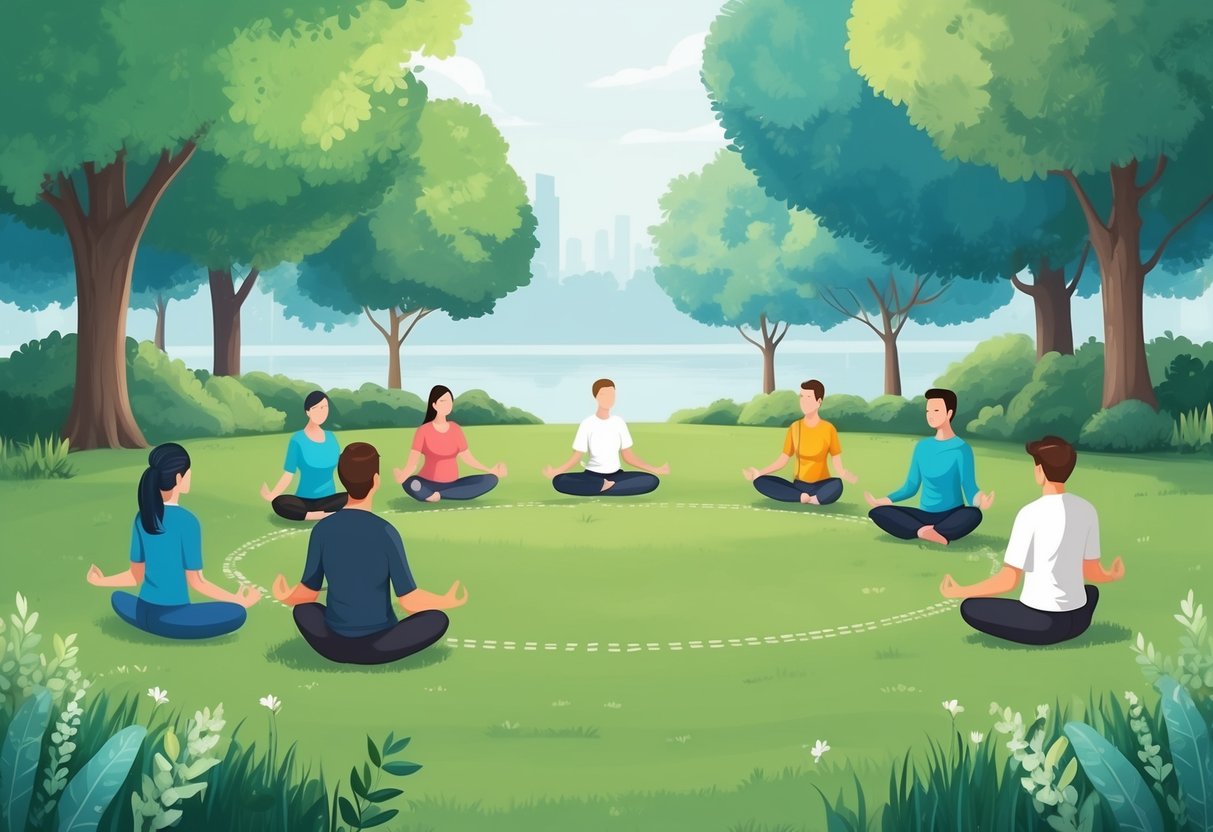 Mindfulness isn’t just about personal peace; it’s a powerful tool for enhancing public health worldwide. By integrating mindfulness-based practices, we can improve mental and physical health outcomes on a broad scale.
Mindfulness-Based Public Health Programs
Mindfulness-based programs have gained traction for their ability to enhance public health. These programs often include activities like meditation and breathing exercises, tailored to reduce stress and improve overall well-being. For example, mindfulness is being incorporated into schools to combat stress among students, which can lead to better academic outcomes and happier, healthier youth. Workplaces also utilize mindfulness to boost employee productivity and satisfaction, indirectly benefiting public health. Community centers also offer classes that help individuals learn mindfulness techniques in a group setting. These programs not only aim to improve personal well-being but also reduce healthcare costs by promoting healthier lifestyles.
Research and Evidence on Mindfulness
Solid research supports the effectiveness of mindfulness in public health. Studies show that mindfulness can positively impact psychological outcomes, like reducing anxiety and depression. The work of David Lee, Ph.D., highlights how these practices are reshaping healthcare by addressing mental health on a physiological level. Evidence indicates that mindfulness reduces inflammation and enhances brain health, making it a worthy investment in community health programs.
Global Perspectives on Mindfulness and Health
Around the globe, mindfulness is increasingly being recognized for its public health benefits. Countries like China are exploring how integrating these practices can alleviate stress and improve community health outcomes. In Europe, mindfulness-based approaches are being included in health care settings to help manage chronic diseases and mental health conditions. The cross-cultural adoption of mindfulness shows its versatility and potential for significant impacts on global public health. The goal is to integrate mindfulness practices into daily life for more balanced, healthier communities worldwide.
Measurement and Assessment of Mindfulness
 Understanding mindfulness can enhance mental well-being, especially for those nearing retirement. I will focus on psychological tools and scales that help evaluate mindfulness, providing a clear picture of how they work and why they matter.
Psychological Assessments for Mindfulness
Mindfulness isn’t just a buzzword; it can be measured using specific psychological tools. One of the tools widely used is the Mindful Attention Awareness Scale (MAAS). This scale captures how often a person pays attention to the present moment, which is vital as it helps pinpoint where one’s awareness typically resides. Another important aspect is self-compassion, assessed through the Self-Compassion Scale. This tool measures attitudes towards oneself, reflecting one’s relationship with personal failures and imperfections. Lastly, the Connor-Davidson Resilience Scale evaluates resilience, which intertwines with mindfulness by highlighting abilities to recover from stress. It’s fascinating how these assessments, though distinct, provide a comprehensive picture when considered together.
Mindfulness Scales and Questionnaires
Mindfulness scales and questionnaires are essential for precise measurement. The Five Facet Mindfulness Questionnaire (FFMQ) is a robust tool that dissects mindfulness into five parts: observing, describing, acting with awareness, non-judging, and non-reactivity. Each facet provides insight into different mindfulness dimensions, making it a versatile tool for researchers and practitioners. The MAAS is also explored in questionnaire format, measuring the degree of attention and awareness. It reflects mindfulness’s tangible benefits, like less stress and improved mood. These tools serve not only to measure but to enhance understanding of your personal mindfulness journey. Isn’t it intriguing how these simple questions can open doors to deeper self-awareness?
Addressing Clinical Issues With Mindfulness
 In this section, I will explore how mindfulness can reshape the way we address clinical issues such as depression, trauma, and chronic pain. These practices offer a transformative shift in managing mental health by focusing on awareness and self-acceptance.
Mindfulness in Treating Mental Disorders
Mindfulness has shown promise in managing mental disorders like depression and anxiety. Have you ever felt that traditional approaches just weren’t enough? Mindfulness-based interventions, including techniques such as Mindfulness-Based Cognitive Therapy, employ awareness and focus to lessen symptoms of depression and anxiety disorders. Studies suggest that these practices can lead to significant improvements. These interventions work by cultivating a non-judgmental awareness of emotions and thoughts. Imagine reducing depression just by changing your perception of your own mind. This approach can complement existing therapies, offering a holistic way to approach mental health challenges.
Mindfulness Approaches to Trauma and Burnout
Dealing with trauma and burnout is a particularly challenging area where mindfulness shows potential. Many people feel exhausted by life’s pressures. Through consistent mindfulness practices, individuals can learn to manage trauma more effectively by fostering resilience and emotional balance. Mindfulness helps individuals process past events without being overwhelmed by them. It’s not just about relaxation; it’s about changing how we relate to our own thoughts and feelings. By using techniques like breathing exercises and mindful check-ins, you may find that you can face trauma and emotional burnout with newfound strength.
Mindfulness and Chronic Condition Management
Mindfulness is also an excellent tool for managing chronic conditions such as pain and addiction. Isn’t it inspiring to think of reducing pain through simple mindfulness exercises? Techniques like Mindfulness-Based Relapse Prevention focus on increasing awareness of triggers and cravings, helping people with substance use issues make more informed choices. For those dealing with chronic pain, mindfulness encourages a greater acceptance of pain, reducing its emotional impact. This doesn’t mean the pain vanishes, but it can mean reducing the suffering attached to it. By integrating these practices into daily routines, many find relief and a greater sense of control over their health.