
Money matters can feel overwhelming, but understanding a few key metrics can make all the difference. I’ve found that tracking just three numbers can give you a clear picture of your financial health and put you on the path to freedom. These three metrics - net worth, savings rate, and passive income - are the compass that can guide you towards financial independence.  Have you ever wondered if you’re really on track with your finances? Maybe you’ve been saving and investing for years, but still feel uncertain about your future. I get it. That’s why I want to share these simple yet powerful metrics that have helped me and countless others gain clarity and confidence. By focusing on these three numbers, you’ll be able to measure your progress and make informed decisions about your money. Whether you’re just starting out or well into your financial journey, understanding these metrics can transform how you view and manage your wealth.
Key Takeaways
- Net worth, savings rate, and passive income are the three essential metrics for financial freedom
- Tracking these numbers regularly provides clarity and motivation on your financial journey
- Improving these metrics over time can lead to greater financial independence and security
Defining Financial Freedom
 Financial freedom means having enough money to live the life you want without worrying about bills or work. It’s about taking control of your finances and future. Let’s explore what this looks like in practice.
Components of Financial Independence
Financial independence has several key parts. First, it’s about having enough savings and investments to cover your living expenses. This could be through a mix of stocks, real estate, and other assets. Income is another big piece. I’ve found that having multiple income streams is crucial. This could include your job, side hustles, or passive income from investments. Debt freedom is also essential. Paying off high-interest debt like credit cards should be a top priority. Lastly, it’s about mindset. You need to be comfortable living below your means and making smart financial choices.
The FIRE Movement Explained
FIRE stands for “Financial Independence, Retire Early.” It’s a lifestyle movement that’s gained popularity in recent years. The basic idea? Save a large portion of your income - often 50% or more - to retire much earlier than the traditional age of 65. FIRE followers focus on:
- Maximizing savings rate
- Cutting expenses
- Investing aggressively
- Creating passive income
There are different flavors of FIRE. Some aim for “lean FIRE” with minimal expenses, while others pursue “fat FIRE” with a more luxurious lifestyle. Is FIRE right for everyone? Not necessarily. But its principles can help anyone improve their financial well-being.
Assessing Your Financial Health
Knowing where you stand financially is crucial for achieving financial freedom. Two key metrics can give you a clear picture of your financial health.Understanding Your Cash Flow
Cash flow is the lifeblood of your financial well-being. It’s not just about how much you earn, but how much you keep. I always say, “It’s not what you make, but what you keep that counts.” To understand your cash flow:
- Track all income sources
- List all expenses
- Calculate the difference
Are you cash flow positive or negative? This simple exercise can be eye-opening. Many people I’ve coached were surprised to find they were spending more than they thought. Positive cash flow is key to building wealth. It gives you the power to invest, save for emergencies, and pursue opportunities. Negative cash flow? It’s time to make changes. Can you increase your income or cut expenses?
Calculating Net Worth
Net worth is your financial report card. It shows how well you’re building wealth over time. Here’s how to calculate it: Assets - Liabilities = Net Worth Assets include:
- Cash and savings
- Investments
- Real estate
- Valuable possessions
Liabilities are your debts:
- Mortgage
- Car loans
- Credit card balances
- Student loans
A positive net worth means you’re on the right track. Is it growing year over year? That’s even better. A negative net worth? Don’t panic. It’s a starting point for improvement. I’ve seen people transform their financial lives by focusing on these two metrics. They provide a clear snapshot of your financial health and guide your path to financial freedom. Are you ready to take a hard look at your numbers?
Laying the Groundwork for Success
Financial freedom doesn't happen by accident. It requires a solid foundation of knowledge and purposeful action. Let's explore the key elements that pave the way for lasting financial success.Importance of Financial Literacy
Financial literacy is the bedrock of wealth-building. I’ve seen countless people struggle simply because they lack basic financial knowledge. But here’s the good news: it’s never too late to learn. Start by mastering the fundamentals. Learn how compound interest works - it’s the eighth wonder of the world! Understand the difference between assets and liabilities. Can you spot which is which in your own life? Read books, take courses, and surround yourself with financially savvy people. Remember, your financial education is an investment in yourself. It pays dividends for life. Do you know your net worth? If not, calculate it today. It’s a crucial first step in your financial journey.
Setting Realistic Financial Goals
Without clear goals, you’re just drifting. I always say, “If you don’t know where you’re going, any road will take you there.” So, where do you want to go? Start by defining your “why.” Why do you want financial freedom? Is it to travel? To help your kids? To give back to your community? Now, let’s get specific:
- Short-term goals (1-3 years)
- Medium-term goals (3-5 years)
- Long-term goals (5+ years)
Write them down. Make them measurable. Instead of “I want to be rich,” try “I want to have $1 million in assets by age 60.” Remember, goals without action are just dreams. What’s one step you can take today towards your goals?
Creating a Robust Financial Plan
 A solid financial plan is your roadmap to freedom. It’s not just about saving money - it’s about making your money work for you. Let’s dive into the key strategies that will set you on the path to financial success.
Effective Budgeting Strategies
I can’t stress this enough: budgeting is the foundation of financial freedom. Start by tracking every dollar you spend for a month. You might be surprised where your money is going! Next, use the 50/30/20 rule:
- 50% for needs (housing, food, utilities)
- 30% for wants (entertainment, dining out)
- 20% for savings and debt repayment
Don’t forget to pay yourself first. Set up automatic transfers to your savings account on payday. This way, you’re building wealth before you even have a chance to spend. Remember, a budget isn’t about restriction - it’s about awareness and control. Are you spending money on things that truly matter to you?
Debt Management and Elimination
Debt is the enemy of financial freedom. But how do we tackle it? I recommend the snowball method:
- List all debts from smallest to largest
- Pay minimum on all except the smallest
- Put extra money towards the smallest debt
- Once paid off, move to the next smallest
Why does this work? It’s all about momentum. Each small win motivates you to keep going. For credit card debt, consider balance transfer offers. A 0% interest period can give you breathing room to pay down the principal. Remember, avoiding new debt is just as important as paying off existing debt. Ask yourself: “Do I really need this, or do I just want it?”
Maximizing Income
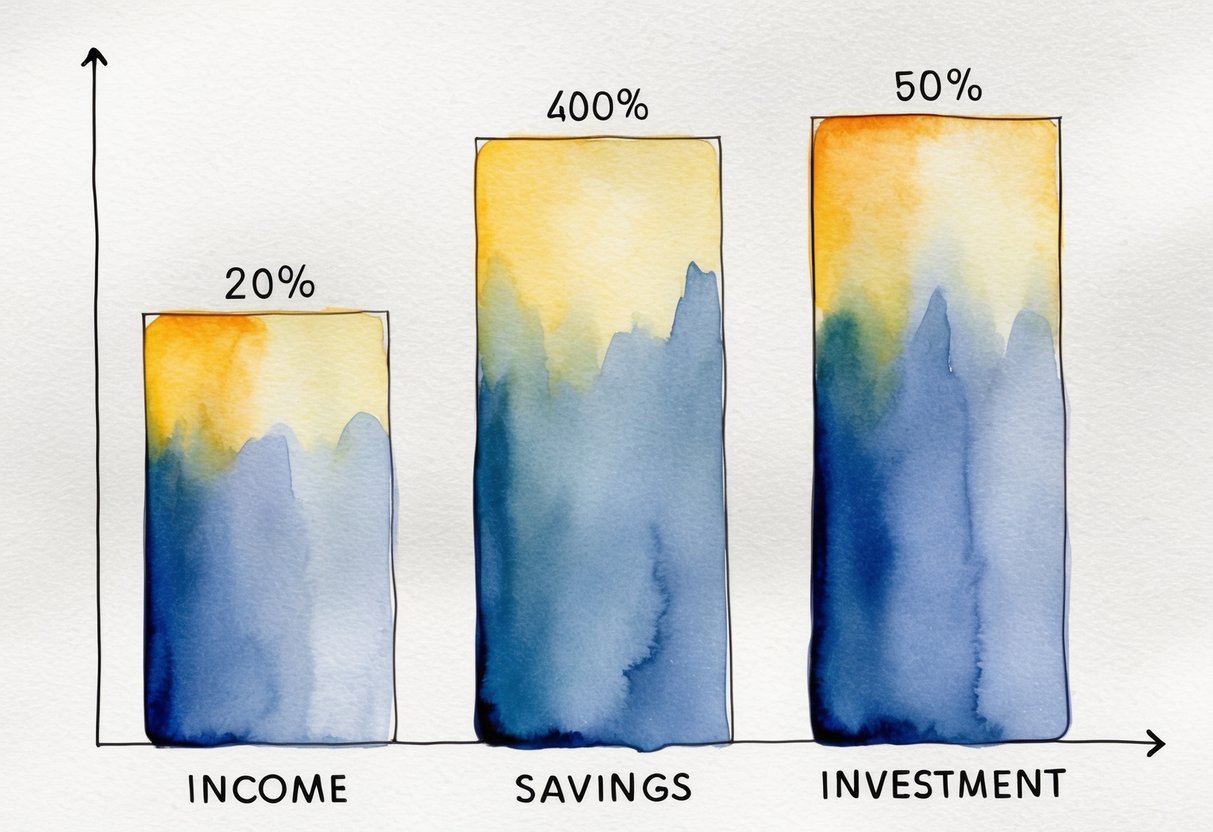 Boosting your income is crucial for financial freedom. It’s not just about how much you earn, but how you make your money work for you.
Exploring Passive and Active Income Streams
I’ve found that combining passive and active income is key to building wealth. Passive income, like rental properties or dividend stocks, keeps money flowing even when you’re not working. It’s like having a money-making machine that runs 24/7. Active income, on the other hand, comes from your job or business. It’s the bread and butter for most people. But here’s the trick: use your active income to fuel passive income streams. How? Invest a portion of your paycheck into dividend-paying stocks or real estate. Think about it - could you turn a hobby into a passive income source? Maybe writing an e-book or creating an online course? These can generate income for years after the initial work is done.
Side Hustles and Diversified Earnings
Side hustles are a game-changer. They’re not just extra cash - they’re a safety net and a path to faster wealth building. I always ask, “What skills do you have that others would pay for?” Maybe it’s tutoring, freelance writing, or selling handmade crafts. The key is to start small and scale up. One client can turn into ten, and suddenly you’ve got a thriving business on your hands. Diversifying your earnings is like having multiple backup plans. If one income stream dries up, you’ve got others to fall back on. Could you consult in your field of expertise? Or maybe leverage your network for referral fees? Remember, every dollar from a side hustle can be invested to grow your wealth even faster. It’s not about working yourself to the bone - it’s about being smart with your time and skills.
The Role of Savings
 Savings play a crucial role in achieving financial freedom. A robust savings strategy can shield you from unexpected expenses and provide a foundation for future wealth-building. Let’s explore two key aspects of effective saving.
Building a Solid Savings Account
I’ve seen many people struggle with saving, but it’s simpler than you might think. Start by setting aside a fixed percentage of your income each month. Even 5-10% can make a big difference over time. Create an emergency fund first. Aim for 3-6 months of living expenses. This buffer protects you from life’s curveballs and keeps you out of debt. Automate your savings. Set up automatic transfers from your checking to savings account. This way, you pay yourself first before spending on anything else. Consider using the 50/30/20 rule:
- 50% for needs
- 30% for wants
- 20% for savings and debt repayment
Remember, disciplined saving is key to financial well-being.
High-Yield Savings and Compounding Benefits
Are you letting your money work hard enough for you? High-yield savings accounts offer significantly better interest rates than traditional savings accounts. The magic of compound interest can’t be overstated. It’s like a snowball effect for your money. The earlier you start, the more time your money has to grow. Let’s look at an example: Initial deposit: $10,000 Monthly contribution: $500 Annual interest rate: 3% Time: 10 years After 10 years, you’d have: $80,679.61 That’s $20,679.61 in interest alone! High-yield savings accounts can supercharge your savings growth. Shop around for the best rates, but remember to consider factors like fees and accessibility too.
Investing Wisely
 Smart investing is key to reaching financial freedom. It’s about making your money work for you, not the other way around. Let’s explore how to build wealth through wise investment choices.
Understanding Investment Options
I’ve seen many people struggle with choosing the right investments. It’s crucial to know your options. Stocks, bonds, real estate, and mutual funds are common choices. But have you considered index funds or ETFs? Each option has its own risk-reward profile. Stocks can offer high returns but come with higher risk. Bonds are generally safer but offer lower returns. Real estate can provide steady income and appreciation. I always tell my clients: know your risk tolerance. Are you comfortable with market swings? Or do you prefer steady, modest gains? Your answers will guide your investment choices.
Crafting a Diversified Portfolio
Ever heard the saying “Don’t put all your eggs in one basket”? That’s the essence of diversification. A diversified portfolio spreads risk across different asset types. Here’s a simple way to think about it:
- 60% stocks (mix of large and small companies)
- 30% bonds (government and corporate)
- 10% alternative investments (real estate, commodities)
This is just an example. Your ideal mix depends on your age, goals, and risk tolerance. As you get closer to retirement, you might want to shift towards more conservative investments. Remember, regularly rebalancing your portfolio is crucial. It keeps your investment strategy aligned with your goals. Don’t set it and forget it!
Preparing for the Future
 Planning ahead is crucial for achieving financial freedom. I’ve found that focusing on retirement and wealth building creates a solid foundation for long-term security.
Retirement Planning Essentials
I always stress the importance of starting retirement planning early. Have you considered how much you’ll need to maintain your lifestyle? A good rule of thumb is to aim for 70-80% of your current income in retirement. Retirement savings should be a top priority. I recommend maxing out tax-advantaged accounts like 401(k)s and IRAs. Don’t forget to take advantage of employer matches - it’s free money! Diversification is key. I suggest a mix of stocks, bonds, and real estate to spread risk. As you get closer to retirement, gradually shift to more conservative investments. What’s your withdrawal rate? The 4% rule is a good starting point, but adjust based on your specific needs and market conditions.
Wealth and Legacy Planning
Building wealth goes beyond retirement. I believe in creating multiple income streams. Have you thought about rental properties or dividend-paying stocks? Estate planning is crucial for protecting your assets. I always recommend setting up a will and considering trusts to minimize taxes and ensure your wishes are carried out. Insurance plays a vital role in financial well-being. Life, disability, and long-term care insurance can safeguard your family’s future. Don’t forget about healthcare costs. I suggest factoring in potential medical expenses and considering a Health Savings Account (HSA) for tax benefits.