
Retiring at 65 used to be the dream. But times have changed, and that goal seems to be slipping away for many of us. I’ve seen firsthand how people are struggling to save enough for their golden years. The cost of living keeps going up, and we’re living longer than ever before. Nearly half of Americans think retiring at 65 is no longer realistic.  So what can we do about it? I believe the key is to change our approach to retirement planning. It’s not just about saving money anymore. We need to think about creating multiple income streams, staying healthy to keep healthcare costs down, and maybe even working part-time in retirement. I know it can feel overwhelming, but don’t worry. I’m here to help you navigate this new retirement landscape. In this article, I’ll share some strategies that can help you build a comfortable retirement, no matter your current age or financial situation. Are you ready to take control of your financial future?
Key Takeaways
- Rethink your retirement timeline and consider working longer or part-time
- Create multiple income streams to supplement your retirement savings
- Prioritize your health to minimize healthcare costs in retirement
The Changing Landscape of Retirement
Retirement isn't what it used to be. The rules have changed, and we need to adapt. Let's look at why [retiring at 65](/what-age-do-most-people-retire/) may no longer be realistic for many of us.Extended Lifespans and Retirement Longevity
We’re living longer, which is great news! But it also means our retirement savings need to stretch further. In the past, people might retire at 65 and live another 10-15 years. Now? It’s not uncommon to live 20-30 years after retirement. Think about it: How would you fund an extra decade or two of retirement? It’s a challenge many of us face. Nearly half of Americans believe retiring at 65 is unrealistic. They’re planning to work until their mid-70s instead. But is working longer the only solution? Not necessarily. It’s about being smarter with our money and planning ahead.
Shift in Pension Plans: From Defined Benefits to Defined Contributions
Remember when companies took care of their employees’ retirements? Those days are mostly gone. Defined benefit plans, where your employer guaranteed a specific payout in retirement, are rare now. Instead, we have defined contribution plans like 401(k)s. What’s the difference? With these plans, we’re responsible for our own retirement savings. The company might match some contributions, but the rest is up to us. This shift puts more pressure on us to save and invest wisely. Are you maximizing your 401(k) contributions? If not, why not start today?
The Impact of Inflation on Retirement Savings
Inflation is the silent killer of retirement dreams. It’s like a thief, slowly eroding the purchasing power of our hard-earned savings. A dollar today won’t buy as much in 20 or 30 years. About 1 in 5 Americans aged 65 and up were still working in 2023. Why? Many found their savings didn’t stretch as far as they’d hoped. How can we fight inflation? By investing wisely and consistently. Are your investments beating inflation? If not, it might be time to reassess your strategy.
Understanding Social Security Benefits
[Social Security](/social-security-guide/) plays a crucial role in retirement planning, but it's not as simple as just collecting a check. Let's explore how this system works and how you can make the most of it.The Role of Social Security in Retirement Income
Social Security is a key part of most Americans’ retirement plans. It provides a steady income stream that can help cover basic living expenses. But here’s the kicker - it was never meant to be your sole source of retirement funds. On average, Social Security replaces about 40% of pre-retirement income. That’s a decent chunk, but is it enough to maintain your lifestyle? Probably not. Many retirees find themselves caught off guard by this reality. They’ve worked hard their whole lives, expecting Social Security to take care of them in retirement. But the truth is, it’s just one piece of the puzzle. So what can you do? Start by understanding your estimated benefits. The Social Security Administration provides online tools to help you calculate this. Then, consider how you’ll bridge the gap between these benefits and your desired retirement income.
Maximizing Your Social Security Benefits
Now, let’s talk strategy. How can you get the most out of your Social Security benefits? It all comes down to timing and planning. The age at which you start claiming benefits has a big impact. You can start as early as 62, but your benefits will be reduced. Wait until your full retirement age (between 66 and 67 for most people), and you’ll get your full benefit amount. But here’s where it gets interesting. If you can hold off until 70, your benefit amount increases even more. We’re talking about an 8% increase for each year you delay after your full retirement age. That’s a significant boost! Of course, waiting isn’t always possible or the best choice for everyone. It depends on your health, financial situation, and other factors. But it’s crucial to understand your options and make an informed decision.
Effective Retirement Planning Strategies
 Planning for retirement requires a smart approach and adaptable strategies. Let’s explore some key tactics that can help secure your financial future and make your retirement dreams a reality.
Setting Realistic Retirement Goals
What’s your ideal retirement lifestyle? It’s crucial to have a clear picture. I recommend starting by calculating your expected expenses. Include housing, healthcare, travel, and hobbies. Don’t forget about inflation! Next, assess your current savings and income sources. This includes 401(k)s, IRAs, Social Security, and any other investments. Are there gaps between your goals and your current trajectory? To bridge these gaps, consider:
- Increasing your savings rate
- Exploring additional income streams
- Adjusting your retirement timeline
Remember, it’s never too late to start. Even small changes can make a big difference over time.
Diversification of Retirement Accounts
Have you put all your eggs in one basket? That’s a risky move. I always stress the importance of diversification in retirement planning. A mix of accounts can provide tax benefits and flexibility:
- Traditional 401(k) or IRA: Tax-deferred growth
- Roth 401(k) or IRA: Tax-free withdrawals in retirement
- Taxable brokerage accounts: More flexibility and potential for lower tax rates
Don’t forget about asset allocation within these accounts. Spread your investments across stocks, bonds, and other assets based on your risk tolerance and time horizon.
The 4% Rule and Withdrawal Strategies
How much can you safely withdraw from your nest egg each year? The 4% rule has been a popular guideline, but is it still relevant? The 4% rule suggests withdrawing 4% of your portfolio in the first year of retirement, then adjusting for inflation each subsequent year. This strategy aims to make your savings last 30 years. But here’s the catch: market conditions change. Some experts now suggest a more flexible approach, adjusting withdrawal rates based on market performance. Consider these alternatives:
- The bucket strategy: Divide your portfolio into short-term, medium-term, and long-term buckets
- Dynamic spending: Adjust withdrawals based on portfolio performance
- Required Minimum Distributions (RMDs): Use IRS guidelines as a starting point
Remember, your withdrawal strategy should be tailored to your unique situation. What works for your neighbor might not work for you.
Healthcare Considerations for Retirees
 As we plan for retirement, healthcare costs can be a major concern. Let’s look at two key areas that can help us prepare for medical expenses in our golden years.
Medicare and Supplemental Health Insurance
Medicare is a crucial part of retirement planning, but it’s not a complete solution. I’ve found that many people don’t realize Medicare only covers about 80% of medical costs. That’s why supplemental insurance is so important. Have you considered a Medigap policy? These plans can help cover the remaining 20% that Medicare doesn’t. They’re offered by private companies and can be a lifesaver for unexpected medical bills. Another option is Medicare Advantage plans. These combine Parts A and B with additional coverage. They often include prescription drug coverage and extra benefits like dental and vision care. Don’t forget about prescription drug coverage! Medicare Part D can help with medication costs, which can add up quickly in retirement.
Estimating Healthcare Costs in Retirement
How much should we set aside for healthcare in retirement? It’s a tough question, but I’ll give you some numbers to think about. Did you know that the average man needs $184,000 to have a 90% chance of covering health care costs in retirement? For women, it’s even higher due to longer life expectancies. Here’s a breakdown of potential annual costs:
- Medicare premiums: $2,000 - $5,000
- Out-of-pocket expenses: $2,000 - $6,000
- Dental care: $1,000 - $2,000
Remember, these are just averages. Your costs could be higher or lower depending on your health and the coverage you choose. Have you considered a Health Savings Account (HSA)? If you’re still working, an HSA can be a powerful tool for saving tax-free dollars for future medical expenses.
Navigating Retirement Income Streams
 Creating a stable income in retirement isn’t as simple as it used to be. We need to get creative and consider multiple sources to ensure our money lasts. Let’s explore some key strategies.
Balancing Multiple Sources of Income
When it comes to retirement income, diversification is key. I’ve seen too many people rely solely on Social Security, only to struggle later. Why not mix it up? Consider a combination of:
- Social Security benefits
- Employer-sponsored retirement plans (401(k)s, pensions)
- Personal savings and investments (IRAs, mutual funds)
- Part-time work or consulting gigs
By tapping into various income streams, you’re less vulnerable to market fluctuations or policy changes. Remember, it’s not about how much money you have, but how many sources of income you can generate.
Understanding Required Minimum Distributions (RMDs)
Ever wonder why Uncle Sam cares about your retirement accounts? Enter RMDs. These are mandatory withdrawals from certain retirement accounts once you hit 72. Here’s what you need to know:
- RMDs apply to traditional IRAs, 401(k)s, and other tax-deferred accounts
- The amount is based on your account balance and life expectancy
- Failing to take RMDs can result in hefty penalties
But here’s the kicker: RMDs can be a double-edged sword. They provide income, sure, but they can also push you into a higher tax bracket. That’s why planning ahead is crucial. Can you strategically withdraw from these accounts earlier to minimize tax impacts later?
Utilizing Home Equity: Reverse Mortgages
Your home isn’t just a place to live – it’s a potential source of retirement income. Have you considered a reverse mortgage? It allows homeowners 62 or older to borrow against their home equity without monthly mortgage payments. Pros of reverse mortgages:
- Provides additional income stream
- No repayment required while you live in the home
- Can help cover unexpected expenses
But beware: reverse mortgages aren’t for everyone. They can be complex and come with fees. Plus, they reduce the equity you can leave to heirs. Before jumping in, ask yourself: Is this the best use of my home equity? Could downsizing or renting out a room be better alternatives?
Professional Guidance and Financial Advice
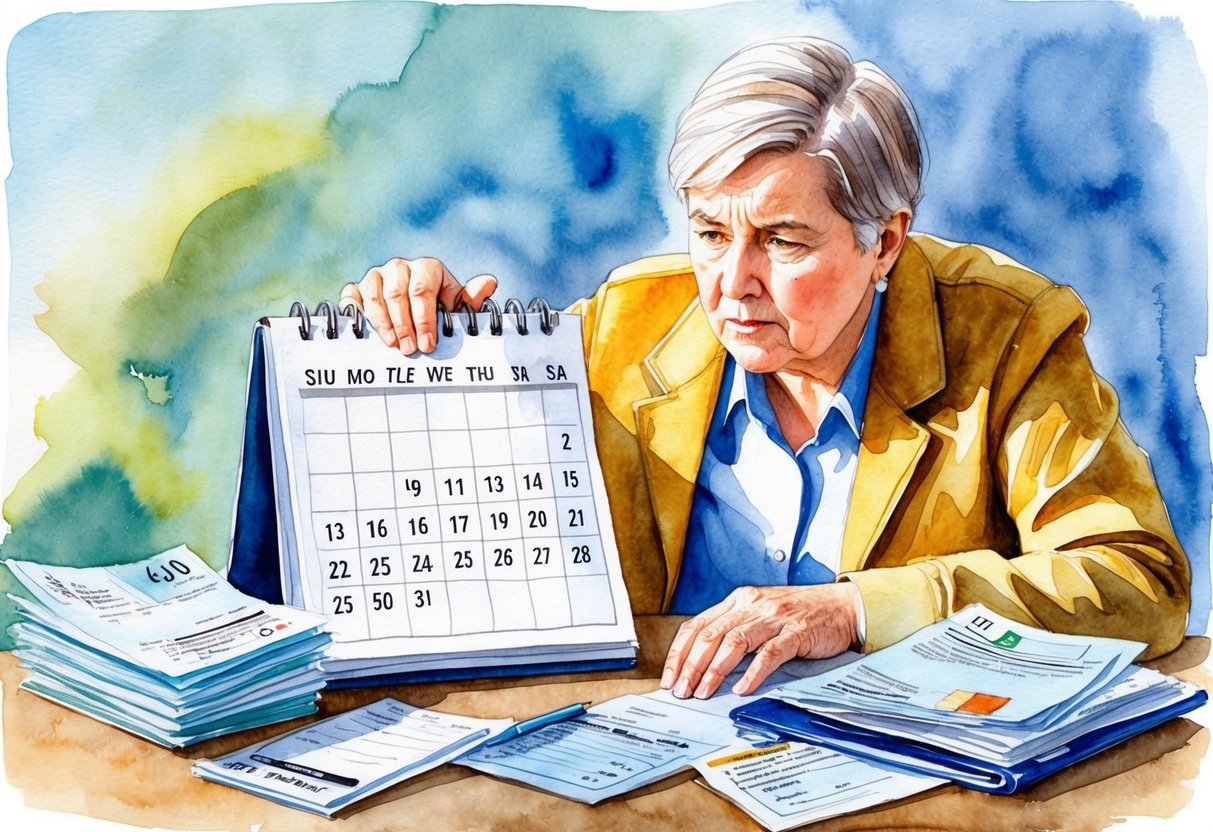 Getting expert help can make a big difference in your retirement plans. Let’s look at how financial pros can help and if you really need one.
The Role of Financial Advisors in Retirement Planning
Financial advisors can be game-changers for your retirement strategy. They bring knowledge and experience to the table, helping you navigate the complex world of investments and savings. But what exactly do they do? A good advisor will look at your whole financial picture. They’ll ask about your goals, your risk tolerance, and your timeline. Then, they’ll craft a plan that fits you like a glove. I’ve seen advisors help clients boost their savings rates, pick the right mix of investments, and even find tax-saving strategies. They can also help you stay on track when markets get rocky. Think of them as your financial coach, keeping you focused on the long game.
Evaluating the Necessity of a Financial Planner
Do you really need a financial planner? It’s a question I hear a lot. The answer isn’t always clear-cut, but here are some things to consider. If you’re comfortable managing money and have a solid grasp of investing, you might be able to go it alone. But be honest with yourself. Do you have the time and know-how to handle complex retirement planning? A planner can be especially helpful if:
- Your financial situation is complex
- You’re not sure how to balance risk and reward
- You struggle to stick to a financial plan
Remember, even if you’re savvy with money, a second opinion can be valuable. A good planner might spot opportunities or risks you’ve missed. Before hiring anyone, check their credentials and fee structure. And don’t be afraid to ask tough questions. After all, it’s your future on the line.
Adjusting Mindsets Towards Retirement
 Retirement isn’t what it used to be. I’ve seen a big shift in how we need to think about our golden years. It’s time to get real about the risks and rewards of planning for retirement in today’s world.
Risk Aversion and Investment Strategies for Pre-Retirees
Are you playing it too safe with your money? Many pre-retirees I talk to are scared of losing what they’ve saved. But here’s the truth: being too cautious can be just as risky as being reckless. I recommend a balanced approach. Don’t put all your eggs in one basket. Diversify your investments across stocks, bonds, and real estate. As you get closer to retirement, you might want to shift to more conservative options. But don’t go overboard! One in five Americans aged 65 and up were still working in 2023. Why? Because they needed to. Don’t let that be you. Take calculated risks now to grow your wealth. • Consider index funds for steady growth • Look into real estate investment trusts (REITs) • Explore dividend-paying stocks for income
Maintaining Standard of Living vs. Pre-Retirement Savings
How much of your current income do you think you’ll need in retirement? Most experts say 70-80%. But I say aim higher. Why settle for less when you can have more? The key is to start thinking differently about your pre-retirement income. Instead of just saving a portion, ask yourself: How can I make my money work harder for me? Consider these strategies:
- Boost your savings rate gradually
- Develop passive income streams
- Cut unnecessary expenses without sacrificing quality of life
Remember, the cost of living keeps going up. What seems like enough today might not cut it in 10 or 20 years. I always tell my readers: plan for the retirement you want, not just the one you think you can afford.