Retirement can be a time of joy and relaxation, but only if you’re financially prepared. Many people worry about their golden years, unsure if they’ll have enough money to live comfortably.
The good news? There’s a simple solution.

Basic financial education is the key to a stress-free retirement. When you understand how money works, you can make better decisions about saving, investing, and planning for your future.
It’s not about complex strategies or risky investments. It’s about grasping the fundamentals and applying them consistently over time.
Have you ever wondered why some people seem to breeze into retirement while others struggle? The difference often lies in their financial literacy.
Those who take the time to learn about personal finance are better equipped to handle the challenges of retirement. They know how to budget, manage debt, and make their money work for them. Isn’t it time you joined their ranks?
Key Takeaways
- Financial education empowers you to make informed decisions for a secure retirement.
- Setting clear goals and understanding income sources are crucial for effective retirement planning.
- Regular saving and smart investing can help you build a robust nest egg for your golden years.
The Importance of Financial Education for Retirement
Financial education is crucial for a stress-free retirement. It helps you make informed decisions and avoid costly mistakes that could derail your golden years.
Understanding Retirement Planning
Retirement planning isn’t just about saving money. It’s about creating a comprehensive strategy that aligns with your goals and lifestyle.
I’ve seen too many people struggle because they didn’t grasp the basics.
Do you know how much you’ll need to retire comfortably? Many don’t. That’s why financial literacy is so important for retirement planning.
With proper education, you can:
- Calculate your retirement needs accurately
- Choose the right investment vehicles
- Understand tax implications
- Plan for healthcare costs
Without this knowledge, you’re essentially flying blind. And in retirement, that’s a risk you can’t afford to take.
Challenges of Inadequate Financial Knowledge
Lacking financial education can lead to serious problems in retirement. I’ve witnessed countless individuals face unnecessary stress due to poor planning.
What happens when you don’t understand your finances? You might:
- Underestimate how much you need to save
- Make risky investment choices
- Fail to account for inflation
- Overlook important insurance needs
These mistakes can erode your financial security and leave you scrambling in what should be your relaxation years.
Remember, retirement planning isn’t a one-size-fits-all approach. Your needs are unique. That’s why it’s crucial to educate yourself and seek guidance when needed.
Establishing Clear Retirement Goals

Setting clear retirement goals is crucial for a stress-free future. It’s not just about having enough money - it’s about knowing what you want your golden years to look like and planning accordingly. Let’s explore how to set realistic expectations and factor in life expectancy.
Setting Realistic Expectations
What do you really want from retirement? It’s a question I’ve asked countless people, and the answers are as diverse as they are eye-opening. Some dream of traveling the world, while others want to spend more time with family.
Your retirement income goal should align with your lifestyle aspirations. Have you considered:
- Housing costs?
- Healthcare expenses?
- Hobbies and leisure activities?
- Potential family support needs?
Be specific. Instead of saying “I want to travel,” think “I want to take two international trips per year.” This precision helps in budgeting and planning.
Remember, retirement isn’t just about survival - it’s about thriving. But thriving looks different for everyone. What’s your version?
The Role of Life Expectancy in Retirement Planning
How long do you expect to live? It’s a tough question, but an essential one for retirement planning. Life expectancy plays a crucial role in determining how long your savings need to last.
Consider this: if you retire at 65 and live to 85, that’s 20 years of retirement to fund. But what if you live to 95? That’s an extra decade to account for.
Here’s a sobering thought: many people underestimate their life expectancy. Are you one of them? It’s better to plan for a longer life and have money left over than to run out mid-retirement.
Factors affecting life expectancy include:
- Family history
- Lifestyle choices
- Access to healthcare
Have you factored these into your retirement timeline? Remember, a longer life is a blessing - but only if you’re financially prepared for it.
Income Sources and Savings Strategies
Securing a comfortable retirement requires a mix of smart income planning and savvy savings strategies. I’ve found that diversifying income streams and maximizing benefits can make a huge difference in your golden years.
Maximizing Social Security Benefits
Are you leaving money on the table with Social Security? Many people do. I always tell my clients to wait until full retirement age or even 70 to claim benefits if possible. This can boost your monthly check by up to 32%!
But there’s more to it than just waiting. If you’re married, coordinating with your spouse can lead to even bigger payouts. For example, one spouse might claim early while the other waits, allowing you to enjoy some income now while growing a larger benefit for later.
Don’t forget about ex-spouse benefits if you were married for at least 10 years. This little-known trick can add thousands to your retirement income.
Diversifying Income Streams
Why put all your eggs in one basket? I’ve seen too many retirees rely solely on Social Security or a single pension. That’s risky business.
Here’s what I recommend:
- Rental income from real estate
- Dividends from stocks
- Interest from bonds
- Part-time work or consulting gigs
- Royalties from intellectual property
Each of these streams can provide steady cash flow, protecting you if one source dries up. Plus, having multiple income sources can lower your tax bill through smart planning.
Remember, retirement planning isn’t just about saving. It’s about creating income that lasts a lifetime.
Understanding Pensions and Retirement Accounts
Do you know the difference between a 401(k) and a Roth IRA? If not, you’re not alone. But understanding these accounts is crucial for your retirement success.
Let’s break it down:
- 401(k) and 403(b): Employer-sponsored plans with pre-tax contributions
- Traditional IRA: Tax-deductible contributions, taxed withdrawals
- Roth IRA: After-tax contributions, tax-free withdrawals
- SEP and SIMPLE IRAs: Great options for self-employed folks
Each has its own rules for contributions, withdrawals, and taxes. I always suggest maxing out your employer match first - it’s free money!
But don’t stop there. Diversifying across account types can give you more flexibility in retirement. A mix of pre-tax and after-tax accounts lets you control your tax bill each year.
Effective Expense and Tax Management

Managing expenses and taxes in retirement is crucial for financial peace of mind. Smart strategies can help you stretch your savings and keep more money in your pocket.
Budgeting for Retirement Living Expenses
Retirement brings a shift in spending patterns. I’ve found that creating a detailed budget is key. Start by listing essential expenses like housing, food, and healthcare. Don’t forget about fun stuff - hobbies and travel matter too!
Here’s a simple breakdown:
- Essential: 50-60%
- Discretionary: 30-40%
- Savings: 10-20%
Adjust these percentages based on your lifestyle and goals. Remember, flexibility is important. Your expenses may change as you age.
Have you considered downsizing? It’s a great way to cut costs. Moving to a smaller home or a more affordable area can significantly reduce your living expenses.
Managing Taxable Income in Retirement
Smart tax planning can save you thousands. I always recommend spreading your retirement savings across different account types:
- Traditional IRAs and 401(k)s
- Roth IRAs
- Taxable investment accounts
This gives you more control over your taxable income in retirement. Why? You can strategically withdraw from different accounts to manage your tax bracket.
Consider Roth conversions in low-income years. This can reduce your future required minimum distributions (RMDs) and potentially lower your overall tax bill.
Don’t forget about Social Security taxation. Up to 85% of your benefits may be taxable, depending on your total income. Plan accordingly!
Planning for Medical Expenses
Healthcare costs can eat up a big chunk of your retirement savings. Have you factored this into your plan?
Consider these options:
- Health Savings Account (HSA): Triple tax advantage and can be used as a retirement account
- Long-term care insurance: Protects against costly extended care
- Medicare supplemental insurance: Covers gaps in Medicare coverage
Start planning early. The earlier you begin, the more options you’ll have. Did you know that a couple retiring at 65 might need $300,000 just for healthcare expenses?
Stay healthy! Regular exercise and a good diet can significantly reduce your medical costs in retirement. It’s an investment in your future health and wealth.
The Compound Effect of Savings
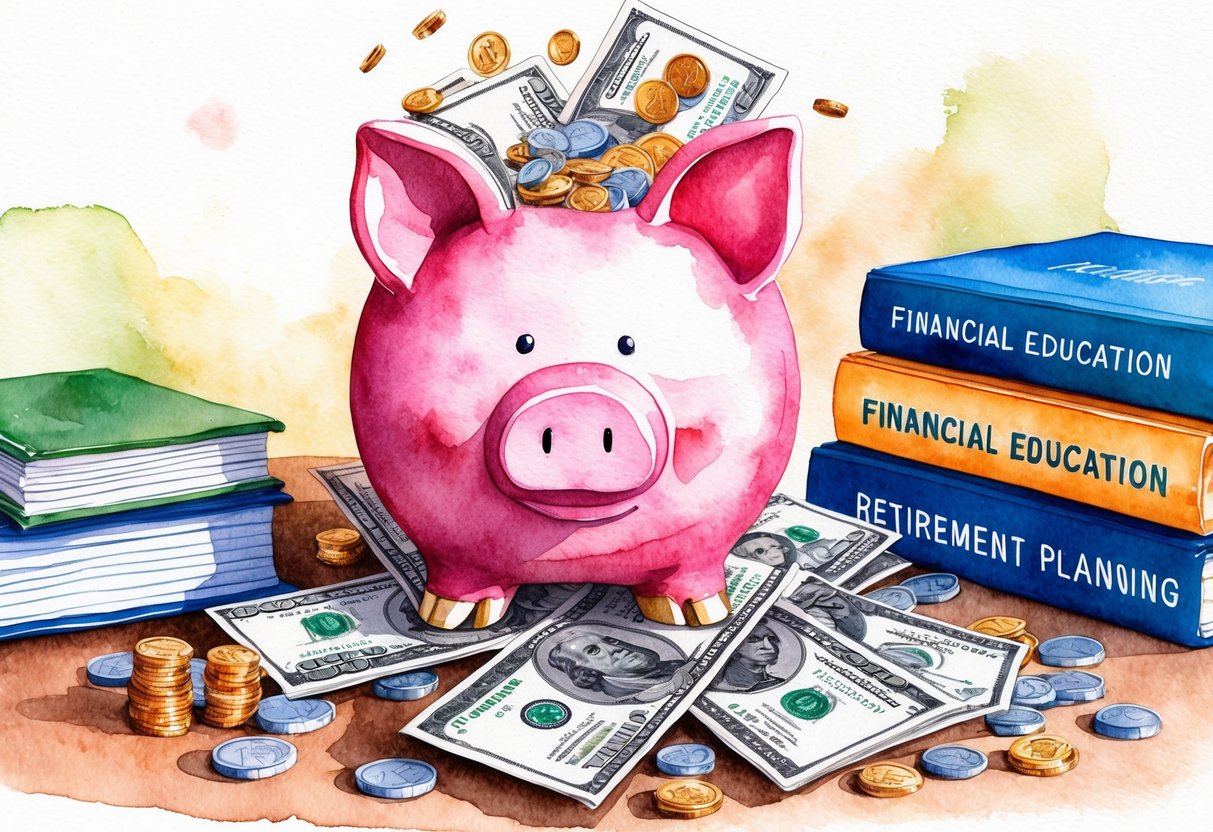
Saving for retirement isn’t just about putting money aside. It’s about harnessing the power of compound interest to grow your wealth over time. Let me show you how this simple concept can transform your financial future.
How Compounding Builds Retirement Wealth
Have you ever heard the saying “money makes money”? That’s exactly what compounding does. When I invest my savings, I earn returns. But here’s the magic - those returns start earning returns too!
Let’s break it down with an example. Say I invest $10,000 at a 7% annual return. After one year, I’ve earned $700. Not bad, right?
But in year two, I’m not just earning on my original $10,000. I’m earning on $10,700. That extra $49 might not seem like much, but it adds up.
Fast forward 30 years, and my initial $10,000 has grown to over $76,000 - all without me adding a single extra penny. That’s the power of compound interest.
But what if I add to my savings regularly? Even small amounts can make a big difference. Here’s a quick comparison:
- $10,000 initial investment: $76,123 after 30 years
- $10,000 initial + $100/month: $186,253 after 30 years
Can you see why starting early is so crucial? The longer your money has to compound, the more wealth you can build. It’s like a snowball rolling downhill, getting bigger and bigger.
Preparing for Uncertainties

Life is full of surprises, especially when it comes to finances. To have a stress-free retirement, we need to be ready for whatever comes our way.
Let’s look at some key areas where we can prepare for the unexpected.
Inflation and Its Impact on Savings
Inflation is like a silent thief, slowly eroding the value of our hard-earned money. Did you know that what cost $100 in 1990 would cost about $221 today? That’s the power of inflation.
To beat it, we need to invest smartly.
I recommend looking into investments that historically outpace inflation, such as stocks or real estate. Treasury Inflation-Protected Securities (TIPS) are another great option. They’re designed to keep pace with inflation.
Remember, keeping all your money in a savings account is like watching it shrink. We need to make our money work for us, not against us.
Health Concerns and Insurance
Have you ever thought about how a sudden illness could wipe out your savings? That’s why health insurance is crucial. But don’t stop there. Consider long-term care insurance too.
Long-term care isn’t just for the elderly. Accidents or chronic illnesses can strike at any age. Without proper coverage, the costs can be staggering.
I always tell my clients: “Your health is your wealth.” Invest in good health insurance and long-term care policies. They’re not just expenses; they’re safeguards for your financial future.
The Necessity of an Emergency Fund
Life is unpredictable. Job loss, unexpected repairs, family emergencies - they can all drain our finances quickly. That’s where an emergency fund comes in.
How much should you save? I recommend 3-6 months of living expenses. Keep it in a high-yield savings account where it’s easily accessible.
An emergency fund isn’t just about money. It’s about peace of mind. Knowing you have a financial cushion can reduce stress and prevent hasty decisions.
Lifestyle Considerations in Retirement

Retirement brings exciting opportunities to shape your daily life. I’ve found that planning ahead for key lifestyle factors can make a huge difference in your happiness and financial stability.
Travel and Leisure Activities
Many retirees dream of exploring the world. I encourage you to think creatively about travel options. Consider longer stays in one location to really immerse yourself in the culture and save on costs. Home exchanges or volunteering abroad can offer unique experiences on a budget.
Have you thought about off-season travel? It’s often cheaper and less crowded. Make a bucket list of places you want to visit, but be flexible. Sometimes the best adventures are unplanned!
Don’t forget local leisure activities too. Many communities offer free or discounted programs for seniors. Parks, museums, and community centers can provide enriching experiences without breaking the bank.
Hobbies and Personal Development
Retirement is your chance to pursue passions old and new. What skills have you always wanted to learn? Maybe it’s time to pick up that instrument gathering dust or take an art class.
Learning new things keeps your mind sharp and can even lead to new income streams. I’ve seen retirees turn hobbies into successful small businesses or part-time gigs.
Consider volunteering too. It’s a great way to stay active, meet people, and give back to your community. Many organizations need your skills and experience.
Remember, staying physically active is crucial. Join a sports league, take up hiking, or try yoga. Your body and mind will thank you.
Relocating and Cost of Living
Where you live can have a huge impact on your retirement lifestyle. Have you thought about downsizing or moving to a lower-cost area? It could free up cash for other priorities.
Research carefully before making a move. Consider:
- Housing costs
- Healthcare access
- Tax implications
- Climate
- Proximity to family and friends
Some retirees find happiness in active adult communities. Others prefer urban areas with easy access to cultural activities. There’s no one-size-fits-all solution.
Don’t forget to factor in potential future needs. A single-story home or an area with good public transportation might become important as you age.
Estate and Legacy Planning

Estate and legacy planning are crucial for a stress-free retirement. They help protect your assets and ensure your wishes are carried out. Let’s explore why it’s important to start early and how to choose the right advisor.
Benefits of Early Estate Planning
I can’t stress enough how important it is to start estate planning early. It’s not just for the wealthy - everyone needs a plan. By starting now, you can save your family from headaches later.
Have you considered what would happen to your assets if something unexpected occurred? Estate planning helps you answer this question. It includes creating a will, setting up trusts, and naming beneficiaries.
One key benefit is tax savings. With proper planning, you can minimize estate taxes. This means more of your hard-earned money goes to your loved ones, not the government.
Another advantage is peace of mind. You’ll know your family will be taken care of, no matter what happens. Isn’t that what we all want?
Choosing the Right Financial Advisor
Finding the right financial advisor is like finding a trusted partner for your financial journey. But how do you choose?
First, look for someone with experience in estate planning. They should understand the ins and outs of wills, trusts, and tax laws.
Ask about their qualifications. Are they a Certified Financial Planner (CFP) or have other relevant certifications?
Don’t be afraid to ask tough questions. How do they get paid? What’s their investment philosophy? A good advisor will welcome these questions.
Remember, this person will help shape your financial future. Take your time and choose wisely. After all, it’s your money and your legacy at stake.
Approaching Retirement with Confidence

Retirement planning isn’t just about saving money. It’s about creating a lifestyle that brings joy and security. Let’s explore how to approach this exciting phase with confidence and peace of mind.
Strategies for Early Retirement
Want to retire early? I’ve got some tips. First, boost your savings rate. Cut unnecessary expenses and put that money to work. Aim for 20-30% of your income if possible.
Next, diversify your investments. Don’t put all your eggs in one basket. A mix of stocks, bonds, and real estate can help balance risk and reward.
Consider starting a side hustle. Extra income can supercharge your savings. Could you consult? Sell products online? Teach a skill?
Lastly, stay healthy. Medical costs can derail early retirement plans. Eat well, exercise, and get regular check-ups. Your body (and wallet) will thank you.
Maintaining Financial Health in Retirement
Once you’ve retired, how do you keep your finances in shape? First, create a realistic budget. Track your spending for a few months to understand your needs.
Adjust your investment strategy. As you age, you might want to shift towards more conservative options. But don’t abandon growth entirely - you still need to outpace inflation.
Stay informed about Social Security and Medicare. These programs can significantly impact your financial health. When should you start taking benefits? What coverage do you need?
Consider part-time work or volunteering. It can provide extra income and keep you engaged. Plus, it’s great for your mental health!
Home Care and Living Arrangements
Where will you live in retirement? Your home is often your largest asset.
Should you downsize? Relocate to a cheaper area? These decisions can greatly affect your finances.
Consider future care needs. Will your home work if you have mobility issues?
Look into:
- Home modifications (ramps, wider doorways)
- In-home care services
- Retirement communities
Don’t forget about property taxes and maintenance costs. These can eat into your budget over time.
Explore reverse mortgages if you need extra cash flow. But be cautious - they’re not right for everyone.
Always consult a financial advisor before making big decisions.