Retirement is a major milestone in life, yet many of us wonder if we’re ready for it. Are we prepared for the twists and turns that might come our way? One thing is clear: embracing flexibility is crucial to adapting your retirement plan. A rigid plan won’t hold up against life’s unpredictable changes. Instead, having a flexible approach ensures that you’re ready for whatever comes your way.  The importance of flexibility in financial planning can’t be overstated. Think about it—how often do things go exactly as planned? By allowing room for adjustments, we create a financial cushion that can absorb unexpected expenses or shifts in income. This isn’t just about managing money; it’s about ensuring peace of mind throughout our retirement journey. It’s about making choices that keep us in control instead of feeling trapped by circumstances. Beyond finances, finding joy and purpose in retirement is key. What activities will keep you engaged and fulfilled? How can you continually adapt as you hit new milestones? By staying open to change, you’ll navigate your retirement years with confidence and satisfaction, enjoying every moment of this new chapter in life.
Key Takeaways
- Flexibility is essential for an effective retirement plan.
- Adapt financial strategies to overcome unexpected changes.
- Focus on finding joy and purpose beyond finances.
The Importance of Flexibility in Retirement Planning
 Flexibility is crucial in retirement planning. It allows me to adapt to life’s changes, face uncertainties, and create a strategy that works for my unique needs.
Understanding Flexibility and Its Role
Flexibility in retirement planning means being open to adjusting my plans as life changes. It’s about having a plan that can evolve with my circumstances, whether that’s through adjusting my savings goals or changing my investment strategies. By recognizing the role of flexibility, I’m better prepared for unexpected events like market shifts or personal life changes. Did I ever think how a sudden health issue might impact my finances? Being flexible ensures I won’t be caught off guard, allowing my retirement goals to remain within reach.
Embracing Change and Uncertainty
Life is unpredictable. If I embrace change, I can smoothly navigate uncertainties. As many know, nearly half of working adults have adjusted their retirement plans due to the rising cost of living, making a flexible approach essential. Retirement isn’t a one-size-fits-all journey. I need to be ready to pivot when necessary, whether that means delaying retirement or exploring new income streams. By accepting that change is constant, I’ll be better equipped to handle the unexpected, ensuring my financial security isn’t compromised.
Adaptability as a Retirement Strategy
Adaptability is a powerful tool in my retirement planning arsenal. Just like flexibility, it helps me adjust my path while staying true to my long-term goals. By cultivating an adaptable mindset, I’m ready to reconsider my financial tactics, such as shifting my investment focus or adjusting my spending habits. For instance, I might benefit from adopting strategies that empower me to adapt, like decumulation strategies, enabling me to access my retirement savings as needed. This adaptability ensures I maintain a proactive stance, continuously aligning my plans with my evolving circumstances. Am I willing to consider these changes to secure my financial future?
Structuring Your Financial Plan
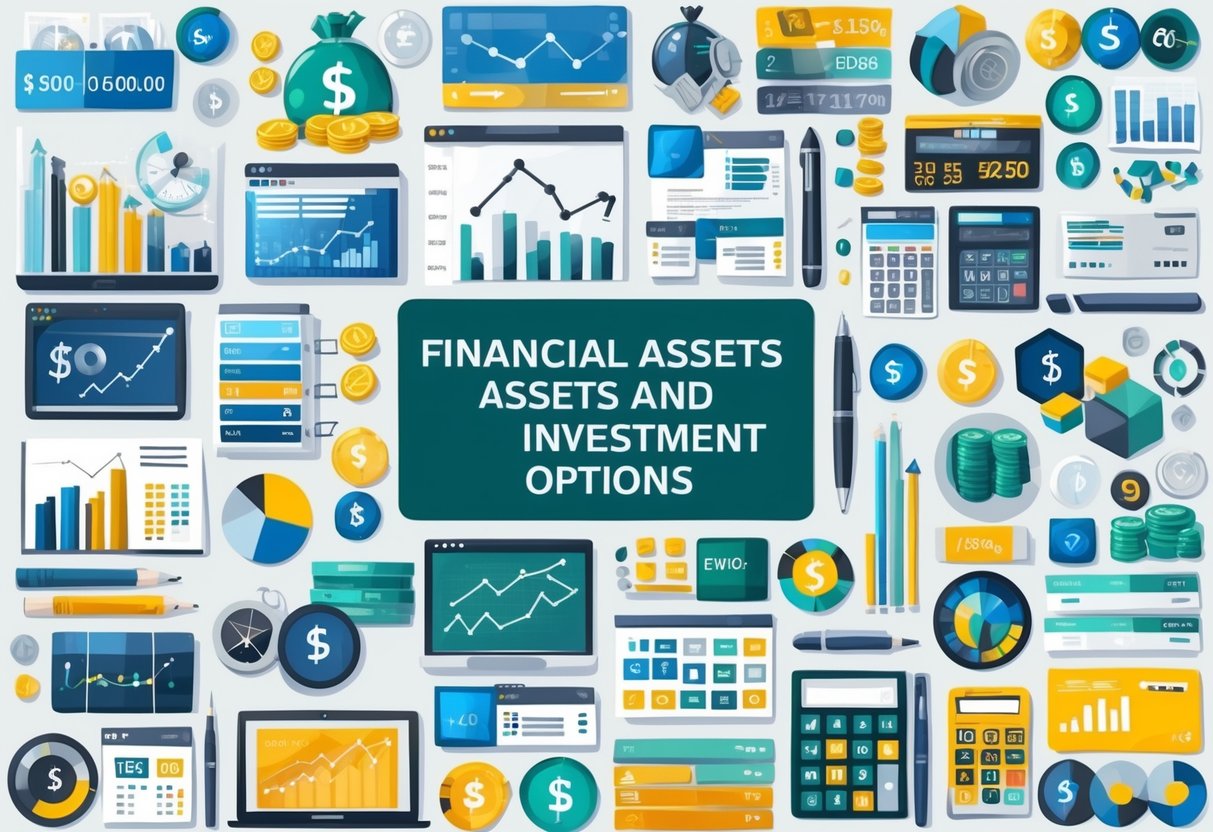 When considering how to structure a financial plan, it’s crucial to diversify your investments and incorporate a mix of asset classes. Additionally, preparing for unexpected expenses can help keep your plan on track.
Diversification of Investment Portfolio
What does it mean to truly diversify? Essentially, it’s about spreading risk across various investments. Imagine not putting all your eggs in one basket. By doing so, I increase my chances of stability, no matter what the market throws at me. I typically allocate funds across different sectors such as technology, healthcare, and consumer goods. Each sector responds differently to market forces. This approach can minimize potential losses and provide opportunities for growth. Keeping my portfolio adjusted to reflect economic changes is another important step. Regularly reviewing and rebalancing ensures it aligns with both market trends and my financial goals.
Incorporating Different Asset Classes
Asset classes bring essential diversity to my financial plan. Stocks, bonds, and real estate each play distinct roles. Stocks might offer growth potential, but also come with higher risk. Bonds can provide steady income, balancing potential volatility in my portfolio. Real estate, whether direct investment or through REITs, adds a tangible asset that can appreciate over time or generate rental income. It’s important for me to weigh the pros and cons of each class. By blending these different types of investments, I can create a robust portfolio. The key is understanding how each asset class fits into my overall strategy and meets my risk tolerance.
Planning for Unexpected Expenses
Life is full of surprises. This is why planning for unexpected expenses is so critical in my financial strategy. I establish a “rainy day” fund, which acts as a buffer when sudden costs arise. This fund is separate from everyday savings. Having a safety net ensures that surprises won’t derail my long-term plans. Commonly, I keep around three to six months’ worth of living expenses liquid so I can access it quickly without touching investment accounts. Preparedness isn’t just about having money set aside—it’s about having peace of mind, knowing that whatever life throws my way, I’m ready.
Creating a Dynamic Retirement Budget
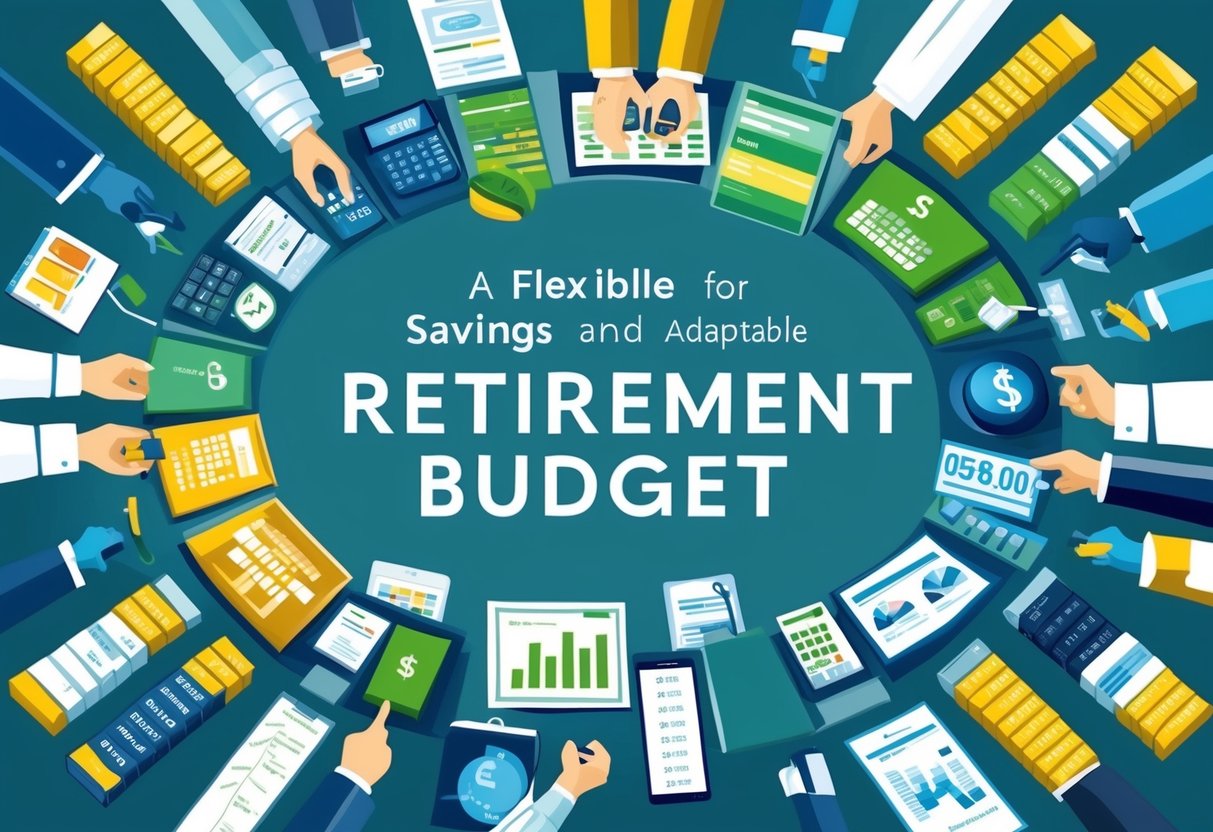 A dynamic retirement budget is crucial for adapting to life’s changes. It requires ongoing assessment, flexibility in risk-taking, and a balance of income sources to secure financial stability.
Assessing and Adjusting Spending Patterns
First, I look at where my money goes each month. This helps me understand my spending patterns. Do I spend too much on things I don’t need? By keeping track, I can find areas to cut back. This isn’t about restricting myself; it’s about making sure my money works for me. Adjusting my spending is also about setting priorities. What’s more important, dining out every week, or having extra savings for emergencies? I choose to adjust based on what aligns with my long-term goals. This approach makes my financial plan more flexible and more likely to succeed.
Determining Your Risk Tolerance
Risk tolerance is personal, but it’s a crucial part of my budget planning. How much risk can I handle without losing sleep at night? This affects my investment choices. While some people might thrive on higher risks for bigger returns, others may prefer safer, steady options. I regularly reassess my comfort with risk. As I age, my tolerance may shift. Early on, I might be okay with more aggressive investing. Later, I might prioritize security over big gains. Understanding my own limits helps me keep a balanced approach that suits my needs.
Balancing Income Streams and Expenditures
Creating balance between income and expenses means thinking beyond just one paycheck. What if one income source dries up? By diversifying my income streams, like adding rental properties or part-time work, I create financial security. Next, I evaluate my expenses versus my total income. It’s critical to ensure that my cost of living doesn’t exceed what I earn. If it does, I make adjustments to either cut back or find additional income sources. This balance keeps my finances stable and helps avoid debt.
Maximizing Retirement Savings and Accounts
 When thinking about retirement, using the right savings strategies is crucial. Key areas to focus on include effective use of retirement accounts like 401(k)s, building a solid emergency fund, and making the most of Social Security benefits. Each of these elements plays a significant role in securing a comfortable future.
401(k)s and Retirement Accounts
Are you taking full advantage of your 401(k) plan? Employer-matched contributions can be a game changer. If your employer offers a match, maxing out those contributions is essential. It’s free money that boosts your retirement savings. Remember, tax-advantaged accounts such as IRAs can also play a pivotal role. Why let Uncle Sam take more than necessary? By strategically using these accounts, you defer taxes until retirement when your tax burden may be lower. This strategy not only helps in saving more but also grows your nest egg faster due to the power of compound interest.
Building a Solid Emergency Fund
Ever wondered how you’d manage an unexpected expense or job loss during retirement? This is where a solid emergency fund comes into play. Having 3 to 6 months’ worth of living expenses saved is essential. Think of it as a safety cushion that protects your retirement savings. Without this fund, unexpected expenses might force you to dip into retirement accounts prematurely, leading to penalties and taxes. Establishing and maintaining this fund ensures a smoother transition into retirement and keeps your financial plans intact.
Leveraging Social Security Benefits
Did you know that your Social Security benefits can significantly impact your retirement planning? It’s crucial to understand how timing affects your benefits. The difference in claiming benefits at 62 versus waiting until 70 can be substantial. By delaying benefits, you increase your monthly payout, which could be vital if you anticipate a longer retirement. Assess your health, financial needs, and retirement goals to determine the right time to claim. I aim to maximize this benefit to support my lifestyle and reduce reliance on other savings.
Life Beyond Finances: Finding Joy and Purpose
 Retirement offers much more than the end of your professional life. It is a chance to build new connections, explore different interests, and find meaning. This stage can be enriching and rewarding when you focus on strengthening relationships, engaging in personal growth, and chasing fulfillment.
Cultivating Relationships and Community
Have you ever considered how essential your relationships are to your happiness? Building a strong community after leaving the workforce is crucial for maintaining joy. Friends and family provide support, companionship, and keep life interesting. Joining clubs or groups that align with your interests can create bonds and bring a sense of belonging. Volunteering is another way to contribute and feel part of something bigger. Giving time to causes you care about can fill your days with purpose and passion. Connecting with others doesn’t just enhance your social life—it boosts your emotional and mental health, too. So, why not make it a priority to nurture those ties?
Pursuing Personal Growth and Learning Opportunities
What would life be like if learning never stopped? Think of retirement as the perfect time to embrace curiosity and challenge yourself. Engaging in activities that foster personal growth keeps your mind sharp and fuels your passion for life. Consider enrolling in classes or workshops focusing on subjects you’ve always wanted to explore. Online platforms make it easier than ever to learn from home. Whether it’s cooking, painting, or a new language, these experiences add depth and excitement to your days. Reading books or attending lectures broadens your understanding of the world. By committing to lifelong learning, you invest in your own development and ensure an enriching retirement journey.
The Quest for Fulfillment After the Workforce
Have you discovered what truly fulfills you? Retirement is not just about relaxation—it’s also a chance to pursue things that give your life meaning. Many find fulfillment by starting “encore careers” that match their passions and values with work that doesn’t feel like work. Perhaps it’s mentoring others or creating art. Imagine having the freedom to dive into causes or hobbies that stir your soul. This pursuit creates a sense of accomplishment and satisfaction that keeps you vibrant and engaged. Exploring these options allows you to focus on what truly matters, bringing a sense of purpose to each day.
Continual Adaptation through Milestones
 Navigating retirement planning requires a flexible mindset, ready to adapt to changes as they come. Financial stability isn’t just about reaching one big goal but involves many smaller milestones that guide decisions and adjustments. Let’s explore how to manage career shifts, adjust retirement goals, and embrace life transitions effectively.
Career Shifts and Work-Life Balance
Adapting to career shifts can boost your retirement planning. How do you turn changes into opportunities? Recognize and leverage each shift. With each new role or job change, there’s potential to optimize benefits, salary, and retirement contributions. I’ve found that work-life balance plays a key role. Striking a balance between personal and professional life is necessary. It impacts not only current satisfaction but long-term financial planning. Consider flexible work arrangements that might allow you to earn while managing personal commitments more effectively. Think of career shifts as a way to reassess your strategies. Each milestone is a step towards a better future, allowing for reevaluation of your goals and ensuring they align with your life’s changes.
Setting and Evolving Retirement Goals
How often should retirement goals be reassessed? I see it as a continuous process tied to achieving various milestones. Setting measurable targets is crucial. Whether it’s paying off a mortgage or saving for your child’s education, these goals require regular updates. What I emphasize is the need for flexibility. As you approach each milestone, your priorities may shift. Changes in the economy, personal health, or family needs might lead to new goals. Stay proactive in adjusting your plans. New goals bring new opportunities: think about diversifying investments or reallocating funds to better suit your changing life needs. In this ever-changing landscape, the ability to adapt ensures that your retirement goals remain aligned with your personal journey.
Embracing Life Transitions
Life transitions are inevitable. They bring change that affects both personal and financial aspects. But how do we adapt and thrive amidst these changes? Begin by understanding their impact. Major life events, such as marriage, having children, or entering retirement, require strategic adjustments to your plans. These transitions are not just challenges; they’re also opportunities to reaffirm your goals and adjust your approach. I view each transition as a chance to reflect on personal and financial priorities, aligning them with current circumstances. Staying flexible and open to change is crucial. Whether facing an unexpected health issue or a new job opportunity, preparedness and adaptability are key to navigating these life transitions successfully.