

Retirement is something many of us dream about, but what happens when it feels like that dream keeps getting pushed further away? For many people over 40, the idea of retiring seems uncertain, even after years of hard work and savings. Have you ever wondered why the finish line seems to keep moving, and how that impacts our mental health and well-being? Retirement delays can lead to stress and anxiety, but understanding these impacts can help us cope and adapt on this challenging journey. Navigating this shift requires a fresh perspective on retirement transitions. Adjusting your plans might feel daunting, but it can also be an opportunity to reevaluate priorities and focus on what truly matters. From maintaining social ties to adapting financial strategies, every step you take to align your future with your present situation is crucial. How can we transform this anxiety into empowerment and resilience? I believe that maintaining mental and physical well-being, along with strong financial planning, is vital for handling the delays in retirement. Uncover ways to stay motivated and ensure your mindset is powerful enough to steer through these changes. Let’s explore how we can find balance and maintain control over our future.
Key Takeaways
- Understand how retirement delays impact mental health.
- Adapt plans to improve mental and emotional resilience.
- Strengthen social and financial strategies for future security.
Understanding Retirement and Its Significance
 Retirement stands as a major life event. It involves a shift from a structured work life to a more self-directed existence. This transition impacts identity and purpose. Many older adults find themselves navigating new experiences.
Defining Retirement in the Modern Context
What does retirement mean today? Unlike the past, when retirement simply meant stopping work, today it means different things to different people. Some see it as a chance to reinvent themselves, while others might fear losing their sense of purpose. For many, the retirement process is not about letting go of all responsibilities. Instead, it’s about inspecting personal values, exploring new interests, and finding a balance between relaxation and staying active. This life event can be an opportunity for growth or a challenging period of adjustment. I’d say retirement involves redefining what fulfillment means, as once the regular work cycle ends, new patterns of living take its place. Embracing this change with an open mind allows older adults to shape a retirement experience that aligns with their values.
The Psychological Implications of Retirement
How does one prepare psychologically for retirement? Retirement can stir a mix of emotions, from excitement to anxiety. The sudden shift may impact mental health and even lead to experiences of depression, especially if one struggles to find a new sense of purpose. I find it essential to establish a strong support network and engage in activities that sustain mental well-being. The retirement process often calls for adjusting self-identity, which can be easier with the help of friends and family. Having a plan for this phase is crucial. It shouldn’t just be about financial preparation but also about exploring passions and maintaining a social life. After all, retirement is not about quitting; it’s about thriving.
The Consequences of Retirement Delays
 Retirement delays can affect both mental health and financial security in significant ways. These delays may lead to stress and uncertainty, impacting emotional well-being and leading to feelings of grief over postponed plans.
Mental Health Effects of Prolonged Working Life
I often wonder how many of us realize the toll a prolonged working life can take on our mental health. Maintaining a high level of productivity as we age isn’t just physically tiring—it can also impact mental health. Stress, anxiety, and even depression start to become unwelcome companions. Working longer than expected can lead to burnout and an increased risk of experiencing depressive symptoms. With older age comes a vulnerability to these issues, making it crucial to monitor personal well-being. However, not everything about working longer is negative; social interactions at work may help keep cognitive abilities sharp. But how much is too much?
Financial Concerns and Retirement Age
Delaying retirement isn’t just about mental well-being; financial security plays a major role too. Many are pushing back their retirement age to ensure they have enough savings to last through retirement. This often becomes a tricky balancing act. How much money will be enough? Does staying in the workforce longer translate to better financial security? These questions linger as the cost of living rises and healthcare expenses climb. Working longer may seem wise, but existing literature suggests that an extended working life often means a delayed start to enjoying the fruits of one’s labor.
Grieving the Loss of Anticipated Retirement
Facing retirement delays can feel like grieving a loss. The dream of retirement involves aspirations and plans that are deferred when delays happen. It’s not merely about postponing time on the golf course or vacations; it touches on one’s identity and life goals. The emotional journey mirrors grief, as it involves coming to terms with a reality different from what one expected. By acknowledging this grief, coping strategies like setting new milestones can become possible, transforming lost hopes into renewed possibilities for the future.
Adapting to a Shifted Retirement Timeline
 Navigating a delayed retirement requires a proactive approach. It’s about reassessing where you stand and embracing new routines and perspectives. This journey involves personal growth, discovering new opportunities, and finding ways to enjoy life even if plans have changed.
Reassessing Goals and Expectations
Put simply, what do you really want from retirement? It’s crucial to revisit and adjust your goals. Changing timelines means redefining expectations. Do you need to work longer for financial stability, or are there other motivations? This is the time for honest reflection. I sometimes ask myself: are my priorities still aligned with my original plans? This reflection might highlight new opportunities or goals. Updating your financial plan can also relieve stress and provide a clearer path forward, allowing me to determine what adjustments are necessary.
Cultivating a Flexible Mindset
Flexibility is key when life throws you a curveball. I remind myself that my mindset plays a huge role. Holding onto rigid plans can lead to frustration, but being open to change allows me to see new paths forward. Finding ways to stay positive and adaptable can be empowering. I seek out stories of others who have thrived despite delays or setbacks, because that inspires me. Developing a flexible outlook involves embracing change as a chance for growth and discovery.
Developing New Routines
A shifted timeline offers me an opportunity to establish new routines. With more time before retiring, it’s important to find activities that enrich my daily life. Whether it’s picking up a new hobby or focusing on personal development, these routines give my days structure and purpose. I find it valuable to create a balance between work and personal time. This balance helps navigate the transition and cope with any stress or anxiety. Viewing this stage as a time for personal growth lets me focus on positivity and fulfillment. I use lists or planners to keep track of my new routine, ensuring it supports my mental and emotional well-being.
Maintaining Mental and Emotional Well-being
 Facing retirement delays can be challenging, but there are ways to maintain mental and emotional well-being. Staying connected socially, managing emotional transitions, and practicing self-care can significantly enhance your quality of life. Let’s dive into these areas and explore how they can make a difference.
Addressing Loneliness and Social Isolation
Have you ever felt disconnected from others? You’re not alone. Many retirees face loneliness and feelings of isolation, especially if they lose the daily social interactions work provides. Building and maintaining social connections is crucial. Join clubs or groups that align with your interests. Do you enjoy gardening or reading? Connect with like-minded individuals for shared experiences. Volunteering can also offer opportunities to meet people while contributing to the community. This involvement promotes a sense of belonging and purpose, which is vital for psychological well-being.
Supporting Emotional Health During Transition
Transitioning to retirement can bring mixed emotions. Some might feel relief, while others experience a loss of identity or purpose. How do you navigate these feelings? First, acknowledge that it’s normal to feel uncertain during this phase. Don’t hesitate to seek support from family or friends. In times of stress, engage in positive coping strategies. Look for new hobbies or revisit old passions. Creative outlets, such as painting or writing, can provide emotional release. Consider speaking with a counselor if needed; it’s a powerful step toward nurturing your emotional well-being.
Engaging in Self-Care Practices
Self-care is more than a trend; it’s essential for maintaining a balanced life. What do you do for yourself every day? Small acts of self-care can make a big difference. Regular exercise, like walking or yoga, boosts physical and mental health. Mindfulness activities, such as meditation or deep breathing, help reduce stress and improve emotional stability. Ensure you get enough sleep and eat a balanced diet rich in nutrients. Plan activities that bring you joy and relaxation, whether it’s cooking a favorite meal or enjoying a quiet moment in nature.
Physical Health and Retirement Delays
 When it comes to delaying retirement, considering physical health is vital. People often face challenges from aging and managing chronic illnesses. This can affect their ability to extend their working years.
Impact of Aging on the Delay Decision
Are the benefits of working a little longer worth the potential health risks? As we age, the body naturally faces more challenges. This includes reduced energy and increased risk of injury. These factors can make work more difficult and affect productivity. Older workers may experience physical limitations that influence their decision to delay retirement. Aging can also lead to cognitive decline, affecting how one manages job-related stress. In some cases, delaying retirement could mean choosing between working longer and attending to health needs. This is a critical decision that comes with trade-offs, and understanding the impact of aging is essential.
Managing Chronic Illness in Retirement
How do chronic illnesses play into the decision to delay retirement? Many workers continue working while managing health conditions like diabetes or arthritis. These illnesses often require regular medical visits and treatments, which can affect work schedules and energy levels. I’ve noticed that this balance can be tough. Sometimes, the need to maintain a stable income keeps people in the workforce. However, others may find that retirement provides better opportunities for focusing on health and well-being. Managing chronic illness is a key factor that can tip the scales when deciding whether to postpone retirement or finally step away from the daily grind.
Building and Maintaining Social Ties
 Why are social ties important as we approach retirement? Maintaining these connections can greatly influence mental well-being. Strong social networks can provide emotional support and help combat loneliness. Let’s explore how social connections and community participation play a role.
The Role of Social Connections in Retirement
Does the transition into retirement feel overwhelming? You’re not alone. Social connections can ease this shift. Research shows that strong social ties can reduce anxiety and depression. They provide a sense of belonging and identity. For some, losing the routine and social aspects of work can leave a void. Reaching out to friends, family, and former colleagues can fill that gap. Having these connections offers stability and continuity, vital for navigating life changes. Social networks also provide opportunities for continued achievement and contribution to society. They enable shared experiences and wisdom, making retirees feel valued and engaged. It’s about maintaining social ties that nurture both our mental and emotional health. Connecting with others helps prevent social isolation and its adverse effects.
Participation in Community and Support Groups
How can joining a community group improve my life? Communities offer support, purpose, and a chance to contribute. Participating in local clubs or volunteer organizations helps create a sense of belonging. It’s not just about filling time but enriching your life and others’. Support groups tailored for retirees can be incredibly beneficial. They offer a space to share experiences, discuss retirement challenges, and find solutions. These groups are a great way to build new friendships and strengthen existing ones. Interaction with like-minded individuals can provide fresh perspectives and emotional uplift. Joining a group related to your interests can spark a renewed sense of passion and achievement. Whether it’s a book club, a gardening community, or a sports team, these activities encourage positive social interactions. They foster a supportive network that can enhance this exciting new chapter in life.
Financial Planning for Retirement Delays
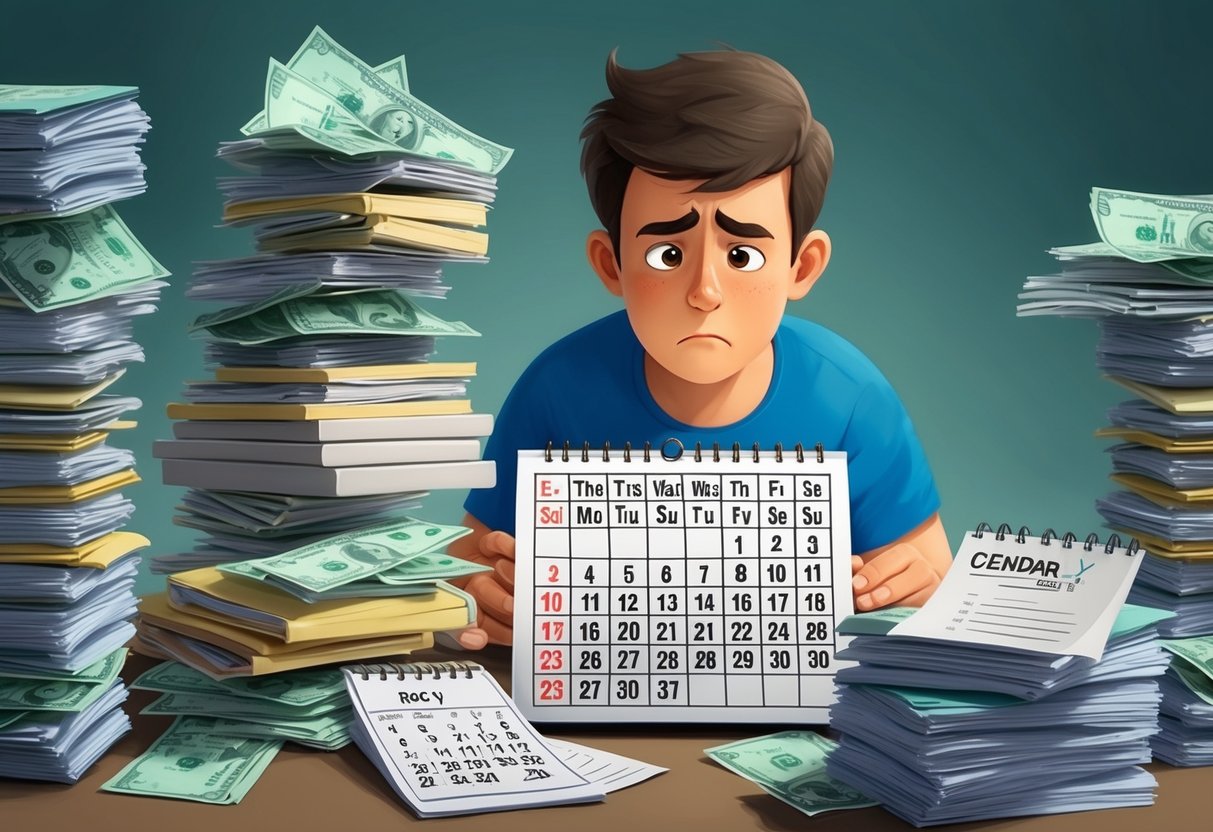 Navigating the changes in financial needs when delaying retirement requires careful planning and strategy. It’s vital to explore how to adjust existing financial support systems and make the most of extended employment benefits.
Adjusting to Changes in Financial Support
How do you handle fluctuations in financial needs when retirement plans shift? This question might be keeping many of us awake at night. Delaying retirement often means reassessing the financial resources we rely on. Personal savings, pension plans, and social security benefits might need reevaluation. It’s crucial to ensure that any financial support aligns with the extended timeline. Consider speaking with a financial advisor to review your retirement accounts and identify any gaps. This might present opportunities to invest more aggressively or, conversely, to adopt a more conservative approach, depending on your circumstances. Understanding potential changes to government benefits is also essential. Sometimes, delaying retirement can increase Social Security benefits, providing a safety net for later years. By being proactive, we can better handle our financial concerns.
Maximizing Benefits from Extended Employment
Thinking of extending my career? This decision poses both challenges and opportunities. Working longer can lead to increased earnings, which in turn might boost retirement savings and delay the need to draw from them. Extended employment can mean more significant contributions to 401(k) plans and potentially more employer match benefits. It’s a chance to bridge any shortfall in the retirement phase with additional income. However, it’s more than just about money; staying employed also helps maintain social connections and a sense of purpose. Additionally, some companies offer additional perks to long-term employees, including health benefits and continuing education opportunities. By aligning extended work life with personal and professional growth, I can better prepare for eventual retirement transitions, ensuring both financial stability and personal satisfaction.
Coping with the Socioeconomic Impact on Retirement
 Retirement planning has been significantly impacted by several socioeconomic factors and unforeseen events. I’ll dive into how the Covid-19 pandemic altered retirement plans and explore ways to adapt strategies during uncertain times.
The Effects of the Covid-19 Pandemic on Retirement Plans
Did you ever imagine that a global pandemic could change your retirement plans? The Covid-19 pandemic has done exactly that for many. Market volatility, job losses, and health concerns reshaped financial security perceptions for those nearing retirement. Some folks saw their nest eggs shrink as the market took a hit. So, what should you do if your retirement timeline has been affected? It’s essential to evaluate your current financial situation. Lowering expenses, seeking alternative income sources, or even delaying retirement might be necessary steps. Prioritize understanding how these economic changes impact your retirement and health care plans.
Adapting Retirement Strategies in Uncertain Times
How can you navigate retirement planning when everything seems up in the air? During uncertain times like these, flexibility is crucial. Consider revisiting your financial goals and timelines. This might mean re-thinking investment strategies or re-evaluating which retirement accounts you contribute to. Creating a diverse income stream can offer a cushion against economic shifts. Rental income, part-time work, or even turning hobbies into side businesses can help. Remember, staying informed and adaptable allows you to manage stress and maintain financial security even as the economy shifts. Adjusting your plans will enable you to thrive, not just survive, in your retirement years.
Enhancing Psychological Resilience in Retirement
 Retirement can be a time of great change, but it also offers new opportunities for personal growth and happiness. Embracing this phase with a focus on building resilience can lead to increased life satisfaction and well-being.
Fostering a Sense of Achievement and Growth
Who says achievement ends when you retire? Retirement is the perfect time to indulge in passions and develop new skills. I often find joy in setting achievable goals, whether it’s learning a new instrument or mastering a craft. This sense of accomplishment boosts psychological resilience by proving that age is just a number when it comes to personal growth. Staying active in goal-setting can transform how you view retirement. Tackling challenges keeps the mind sharp and spirits high, paving the way for enduring happiness. Remember, success isn’t measured by past titles or positions, but by your ongoing quest for knowledge and experiences.
Exploring New Avenues for Personal Fulfilment
Retirement opens up a world of possibilities for personal fulfillment. Have you ever thought about volunteering or starting a side business? Engaging in activities that bring joy can enhance your sense of purpose and life satisfaction. I encourage you to explore these avenues to discover what truly fulfills you. Giving back to the community or pursuing a passion project can reinvigorate the soul. These endeavors not only provide structure to your days but also a chance to connect with others. By finding new meaning in daily activities, we can build a foundation of resilience that supports overall well-being.
Utilizing Meditation and Mindfulness for Well-being
Meditation and mindfulness are powerful tools to anchor the mind and body. Practicing these techniques can lead to a deeper sense of peace and clarity. I’ve found that integrating even a few minutes of meditation into my routine helps manage stress and increase emotional resilience. Are you aware of the benefits of staying present? By focusing on the here and now, meditation can alleviate worries about the future. It’s about cultivating a calm mind and nurturing emotional stability, which are essential components for navigating the changes that come with retirement. Try incorporating mindfulness practices to enhance your journey towards a fulfilling and resilient life.