
We all hope to live long, healthy lives, but many of us are unaware of how this can impact our finances during retirement.
Have you ever thought about what it means to outlive your savings? It’s a reality that many face, and the key to avoiding it lies in preparing for a longer life. Underestimating how long you will live can significantly drain your savings, potentially leaving you without enough resources in your later years.

Consider how to adjust your financial strategies to meet the needs of an extended lifespan.
From adjusting your savings plans to optimizing your retirement benefits, every decision can make a huge difference.
Are you ready to challenge the norm and ensure your financial security for the years ahead?
Now more than ever, people are eager to pave their own financial paths.
By taking proactive steps, you can protect your hard-earned nest egg.
Let’s explore the strategies that will keep your savings intact, regardless of how long retirement lasts.
Key Takeaways
- Misjudging lifespan can risk your retirement savings.
- Smart strategies are crucial for financial security.
- Adjust plans to fit an extended retirement period.
Understanding Longevity in Retirement Planning

Planning for retirement requires an awareness of how long you might live. If life expectancy is underestimated, you risk outliving your savings, impacting your financial future and peace of mind.
The Rise in Life Expectancy
Life expectancy is increasing across the globe. Advances in healthcare and better living conditions have led to more people living well into their 80s and beyond.
This means when we plan for retirement, we must consider the possibility of decades without a paycheck. Did we think about how long those savings really need to last?
If I were to look at life expectancy trends, I’d see that many underestimate their lifespan. This can be especially true for those with higher incomes who tend to live longer.
So, what’s the solution? Plan for longevity by boosting your savings and making lifestyle adjustments now to secure a comfortable future.
Longevity Risk and Retirement Savings
What if you live longer than you planned? That’s what we call longevity risk. It’s the possibility of depleting your retirement savings because you lived longer than expected.
Nobody wants to be in their golden years worrying about running out of money.
A financial strategy, tailored to this potential risk, becomes essential.
By considering this, we can align our investments and savings to match our increasing lifespans.
We need to ask ourselves: are we prepared for this extra time? The goal is to maintain our standard of living without financial stress, ensuring peace of mind for those later years.
The Importance of Accurate Life Expectancy Estimates

I’ve learned that knowing how long you might live can greatly impact your financial planning. If you underestimate how long you’ll live, you might run out of savings. Let’s dive into the specifics.
Impact of Underestimating Longevity
Imagine reaching retirement age with a solid nest egg, only to find out later that you’ve miscalculated your lifespan.
What happens if you live longer than expected? This scenario is more common than you might think. The impact of underestimating longevity is significant and widespread.
Among retirees, nearly two in three men underestimate life expectancy by five years or more, which can significantly influence financial security. This underestimation can lead to spending savings too quickly, leaving some without adequate funds in later years.
Retirees may face increased medical costs, housing, or even unexpected family expenses. Without enough financial cushion, these challenges can strain already limited resources.
Calculating Life Expectancy for Retirement
So, how do you plan accurately for a retirement that could last decades?
One effective approach is to update your calculations regularly. By staying informed about the average life expectancy, you can adjust your savings plan accordingly.
For instance, women in the U.S. often live until 81, while men live until 76. But that changes if you’ve already reached 50.
You can improve your estimates by considering factors like health and lifestyle.
Retirees should also consider changes in life expectancy due to advancements in healthcare.
Calculating life expectancy is not just about numbers; it’s about considering quality of life and unforeseen expenses. This kind of foresight can make your retirement years truly secure and enjoyable.
Financial Strategies to Counter Longevity Risk

When planning for a long retirement, it’s crucial to think about how to make your savings last. Key strategies involve using financial products and plans that can help you hold on to your wealth, meet unexpected expenses, and secure a steady income throughout your later years.
Utilizing Annuities for Steady Retirement Income
Annuities can offer a reliable income stream during retirement. They work like a contract between you and an insurance company where you pay a sum upfront and then receive regular payments. Think of it as your own personal paycheck that never takes a vacation.
Why do I even bring up annuities? Because they lighten the load of guessing how long you’ll live and worrying about outliving your savings.
They come in various forms like fixed, variable, and indexed. A fixed annuity might be your go-to if you want predictable payments.
It’s like having a steady hand guiding you through the turbulent waters of longevity risk. Always read the fine print to understand the fees and options.
Leveraging Diversified Investment Portfolios
How do you make sure your money works for you? By investing in a diversified portfolio. Balancing different asset types, such as stocks, bonds, and real estate, can help minimize risk. It’s about not putting all your eggs in one basket.
A well-diversified portfolio becomes your financial safety net. If one sector takes a hit, others might be performing well. This balance can provide protection against volatile market movements and inflation, which is especially important in a long-term horizon. You’re not just hoping things turn out good; you’re making sure they do.
Incorporating Long-Term Care into Retirement Plans
Have you thought about who will take care of you if you need medical help later in life?
Including long-term care in your retirement planning can give you peace of mind. The cost of long-term care can drain your savings faster than you realize.
One way to prepare is by investigating long-term care insurance. Consider the cost and coverage to fit your needs.
While it adds to your monthly expenses, it protects you from large, unexpected medical bills. Relying only on Medicare is a gamble you shouldn’t rely on.
Stay ahead by planning for any surprises life might throw your way.
Adjusting Retirement Savings for Inflation and Market Conditions

When planning for retirement, it’s crucial to consider how inflation and market changes can impact savings.
Inflation can reduce the purchasing power of your retirement funds, while market volatility may affect your portfolio’s growth. Let’s explore these concepts further.
Inflation’s Impact on Retirement Funds
Inflation silently eats away at the value of money over time. Have you ever wondered why the same amount of money buys less than it did years ago? That’s inflation at work. It’s essential to incorporate inflation into any retirement plan to maintain your purchasing power.
A strategy many adopt is increasing contributions annually. For example, boosting savings by 1-2% each year can counter inflation.
For more guidance, consider reading about strategies to adjust retirement savings on the Savvy Wealth blog. This progressive approach ensures that your nest egg grows in tandem with rising living costs.
Navigating Market Volatility with a Retirement Portfolio
Market volatility is like a stormy sea, and it can be daunting. How does one secure a stable future with such uncertainty? Diversification is the key.
I focus on spreading investments across different asset classes to minimize risk.
A mix of stocks, bonds, and other investments balances potential returns against potential losses. Adjusting this mix based on current market conditions is wise.
Understanding that market ups and downs are inevitable helps me stay focused on long-term goals. Keeping an eye on financial news and trends can help guide when to adjust or hold steady. These steps help ensure a robust retirement portfolio despite market fluctuations.
Maximizing Government and Employer Retirement Benefits

Navigating retirement benefits can be a game-changer for your financial future. By understanding Social Security and managing healthcare costs, you can maximize your savings and safeguard your retirement income.
Understanding Social Security Benefits
Have you ever wondered if you’re getting the most out of Social Security? It’s crucial to fully grasp how it works.
Social Security is an essential part of retirement income, especially for those like me who have worked for years.
One way to maximize benefits is by delaying claims. Did you know your benefits increase the longer you wait to claim, up to age 70?
Assess your personal retirement plans and decide the best time to claim.
Additionally, keep track of your earnings record and ensure it’s accurate. Errors in your reported earnings could mean lower benefits. With these steps, I can ensure I receive the maximum possible benefits.
Medicare and Healthcare Cost Management
Medicare plays a vital role in your healthcare in retirement. But how do you prepare for growing healthcare costs?
The first step is understanding the different parts of Medicare—A, B, C, and D.
Each part covers different services, and selecting the right combination is essential. Considering supplemental plans? They can help with costs not covered by standard Medicare.
I also keep an eye on premium changes. For instance, 2024 FEHB premiums are on the rise.
Having a plan to manage these costs can make a big difference. Remember, staying informed can protect not only my health but also my savings.
Addressing Expenses and Budgeting During Retirement

Retirement planning involves managing both predictable and unexpected expenses. Balancing housing costs, healthcare, and emergencies ensures a stable financial future. A well-structured budget is key to navigating this phase of life smoothly.
Typical Retirement Expenses and Budget Considerations
What are the costs that often catch retirees off guard? The obvious ones like housing and food, but also the sneaky ones like healthcare and hobbies.
Medical expenses can rise with age, and leisure activities might become more frequent as you have more free time.
A realistic budget should include these predictable expenses and leave room for inflation.
Consider using budgeting tools or apps tailored for retirees. They simplify tracking and adjustments, which can be invaluable in maintaining financial health.
Managing Housing Costs and Downsizing Options
Is your home too big now that the kids are gone? Housing is a major retirement expense. You might choose to stay put or downsize to free up some funds.
Downsizing can significantly reduce monthly costs and provide a financial cushion.
Look into housing options that fit your lifestyle and budget, whether that means moving to a smaller home or considering a community designed for retirees.
Analyze the trade-offs carefully, as they can affect both your wallet and your lifestyle.
Preparing for Unexpected Expenses and Emergencies
What if the roof leaks or a medical emergency arises? Preparing for the unexpected is crucial.
That’s why an emergency fund is not just a good idea but a necessity in retirement. This fund should cover several months’ worth of expenses, protecting you from sudden financial stress.
Unexpected expenses, like car repairs or home maintenance, can strain your budget if you’re not prepared.
Regularly review your financial plan, and adjust your emergency fund as needed. Keeping your finances flexible can help ensure security in those unexpected moments that life may throw at you.
Tax Planning and Financial Management in Retirement
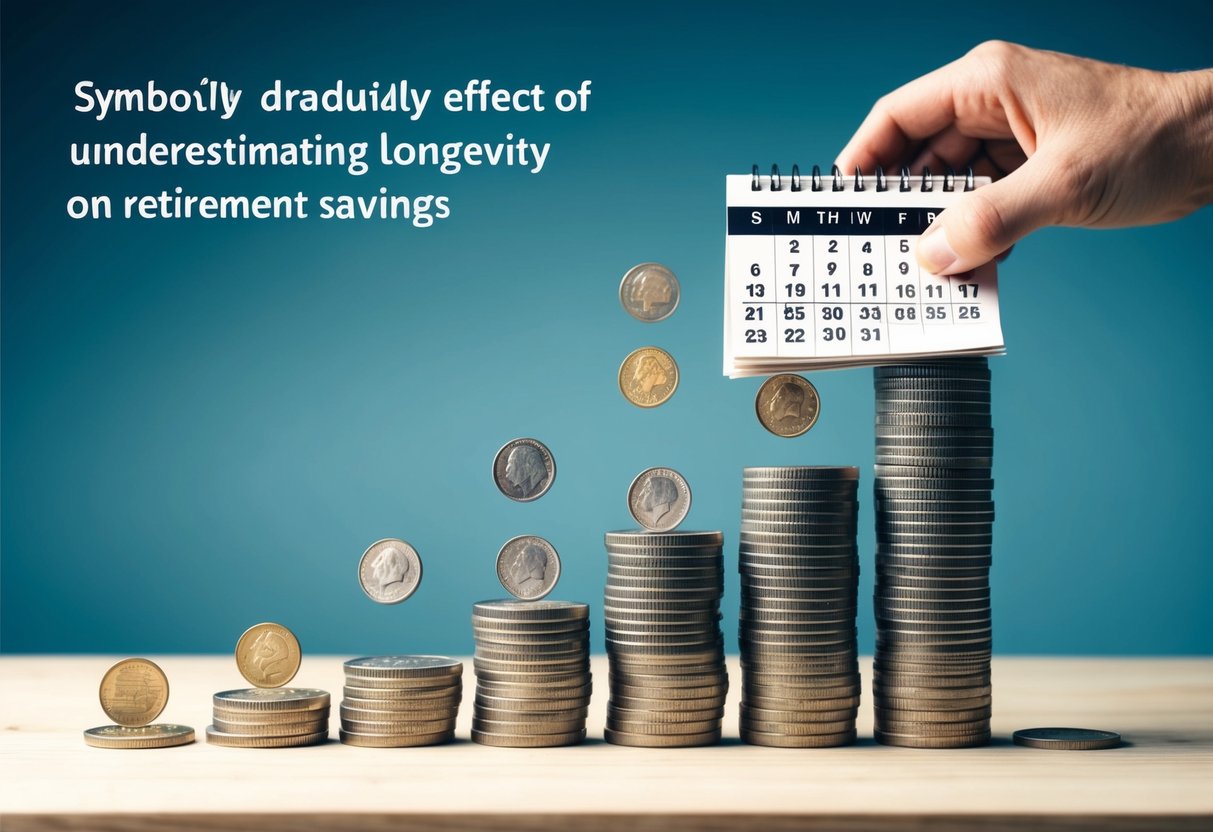
In retirement, effectively managing taxes and finances can make a significant difference in preserving your savings. Understanding the nuances of retirement withdrawals and how to optimize your tax obligations is crucial.
Tax Implications of Retirement Withdrawals
When it comes to withdrawing from retirement accounts, taxes become a major concern. Are you aware that not all money taken from retirement funds is taxed equally?
Traditional IRAs and 401(k)s require you to pay taxes on the withdrawals since these accounts were funded with pre-tax dollars. On the other hand, withdrawals from a Roth IRA come tax-free provided you follow the required conditions.
It’s wise to plan withdrawals strategically to stay in a lower tax bracket. This involves managing how much you withdraw yearly and considering the effect on your taxable income.
Another aspect to consider is the taxation of Social Security benefits, which is impacted by your overall income, including retirement withdrawals.
Stay informed, and think ahead to reduce your tax burden and keep more of your hard-earned savings.
Required Minimum Distributions (RMDs) and Tax Efficiency
Do you know how Required Minimum Distributions (RMDs) might impact your retirement taxes? Once you hit age 73, the IRS mandates you to take RMDs from your retirement accounts such as traditional IRAs and 401(k)s. Failing to withdraw the required amount may result in hefty penalties.
One strategy to achieve tax efficiency is to start smaller withdrawals before RMDs kick in. This can help level out your tax liability over time.
Some people also look into converting traditional accounts to Roth IRAs to avoid future RMDs altogether. By planning these distributions wisely, you can enhance your tax efficiency and protect your savings.
Comprehensive Estate and Legacy Planning

A strong estate plan protects your assets and ensures your wishes are respected. It’s vital to manage how your wealth transfers to beneficiaries. So, why is it important to get it right? Let’s dive in.
Establishing a Solid Estate Plan
Creating a solid estate plan is like building a safety net for your family. An estate plan outlines how your assets are distributed and can prevent unintended consequences later.
Essential components include a will, trusts, and powers of attorney. These documents can help minimize taxes and avoid costly probate.
Why leave things to chance? I always ensure that every asset is accounted for. From real estate to investments, everything should be included in the plan.
This ensures financial security and supports your retirement goals. Remember, your estate plan is a living document and needs to be updated regularly. As life changes, so should your plan.
Managing Wealth Transfer and Beneficiary Designations
Transferring wealth is more than just passing on money; it’s about your legacy. Proper beneficiary designations are crucial. They dictate who receives your assets like retirement accounts and life insurance policies.
I pay attention to updating these, especially after major life events. Incorrect or outdated designations can cause disputes and financial losses.
Why risk having your hard-earned wealth go to the wrong people? Consider setting up trusts to control asset distribution. This not only protects your beneficiaries but also ensures your wishes are followed.
Through effective wealth transfer strategies, you can provide for loved ones and preserve the legacy you’ve built.
Factors Influencing Retirement Decisions

Choosing when and how to retire involves assessing various factors that impact long-term financial stability and happiness. Understanding the optimal retirement age and the significance of social connections can guide more informed decisions.
Determining the Optimal Retirement Age
Many pre-retiree men and women face a critical question: What is the best age to retire? The answer isn’t as straightforward as one might hope.
For some, early retirement may seem appealing for freedom and travel, but it can also lead to financial strain if savings run out. On the other hand, working longer can boost income and social security benefits, but it might reduce time spent on personal passions or family.
Health is another key consideration. Those in good health may choose to work longer, enhancing financial security. Yet, some opt to retire when they’re healthy enough to enjoy their newfound free time.
Striking a balance between financial readiness and personal desires will determine the best retirement age for each individual. Weighing these factors carefully ensures that retirement is not just a phase, but a well-planned adventure.
The Role of Social Connections in Retirement
Why are social connections so vital when retiring? Retirement can transform social lives, often removing daily interactions with colleagues.
For many, this shift can lead to loneliness unless balanced by active social engagement.
Maintaining friendships and social networks becomes essential for a fulfilling retirement lifestyle.
When retirees remain socially active, they often experience better mental well-being and reduced stress levels. Joining clubs, volunteer work, or simply meeting with friends can provide a sense of purpose and community.
These connections can enhance the quality of life, making retirement a rich period of personal growth and happiness. Boosting our social ties is not just a nice-to-have; it’s a cornerstone of a rewarding retirement.
Guidance on Avoiding Common Retirement Mistakes

When preparing for a secure retirement, it’s crucial to address common pitfalls like overspending in the early years and neglecting the value of professional financial advice. By staying aware and informed, you can protect your savings and enjoy a stress-free future.
The Dangers of Overspending in Early Retirement
Picture this: you finally retire and suddenly feel like you deserve to enjoy it all at once. Fancy vacations, new cars, and expensive hobbies might seem tempting after years of hard work.
But overspending early can dramatically shrink your savings. What if your retirement lasts longer than expected? Will your funds hold up?
I see many fall into this trap, thinking they have plenty of time to adjust. It’s essential to set a realistic budget that aligns with a long-term financial plan.
Regularly review your spending habits. Prioritize essential expenses over luxury ones. Remember, the first few years of retirement can set the tone for the rest of your life.
Mitigating Financial Stress with Professional Advice
Have you ever wondered if you’re managing your money right? Financial stress can sneak up on you, especially if you handle everything without guidance.
This is where professional advice comes into play. A financial advisor can help you see the whole picture, craft a tailored plan, and offer peace of mind.
Expert advice isn’t just for the wealthy. It’s about ensuring your money lasts, even through unforeseen obstacles.
Regular check-ins with a trusted advisor can highlight potential issues before they become major problems. Do you want to secure your future without worry? Seeking professional guidance may be a worthwhile investment.
Practical Tips for Sustaining Retirement Finances

Balancing the need to cover annual expenses with managing financial risks is essential to keeping retirement savings on track. With proper budgeting and careful management, you can enjoy a secure and fulfilling retirement.
Effective Budgeting for Annual Retirement Expenses
Budgeting for retirement isn’t just about estimating expenses. It’s about adapting to a new lifestyle without the regular paycheck.
How can you accurately budget for your golden years? Start by listing all fixed and variable expenses, such as utilities, groceries, and recreational activities.
Create a realistic budget that includes unexpected expenses like healthcare emergencies. Many people underestimate these costs.
Did you know medical expenses can take up a significant portion of your retirement income? Adjust your budget annually to accommodate changes.
I recommend looking into methods such as the 4% rule, where you withdraw 4% of your savings in the first year and adjust for inflation after.
With these practices, you can maintain control over your retirement finances.
Managing Retirement Finances and Financial Risks
How do you handle risks that could threaten your retirement security?
Identifying and managing these risks is crucial.
Diversify your portfolio to spread out risk and protect against market fluctuations. Include a balance of stocks, bonds, and other safe investments.
Secure guaranteed income streams with annuity products or Social Security.
Don’t overlook debt management; paying down high-interest debt is critical as you near retirement.
Remember, nearly half of Americans expect to retire with some debt. Reducing this burden can significantly improve your financial security.
With these strategies, you can confidently face retirement knowing you are prepared for financial uncertainties.