
Impact investing is transforming how we think about building a lasting legacy. Unlike traditional investing, it allows us to align our financial goals with our values, creating a unique opportunity to make a difference.
Who wouldn’t want to secure their future while also supporting causes they care about?
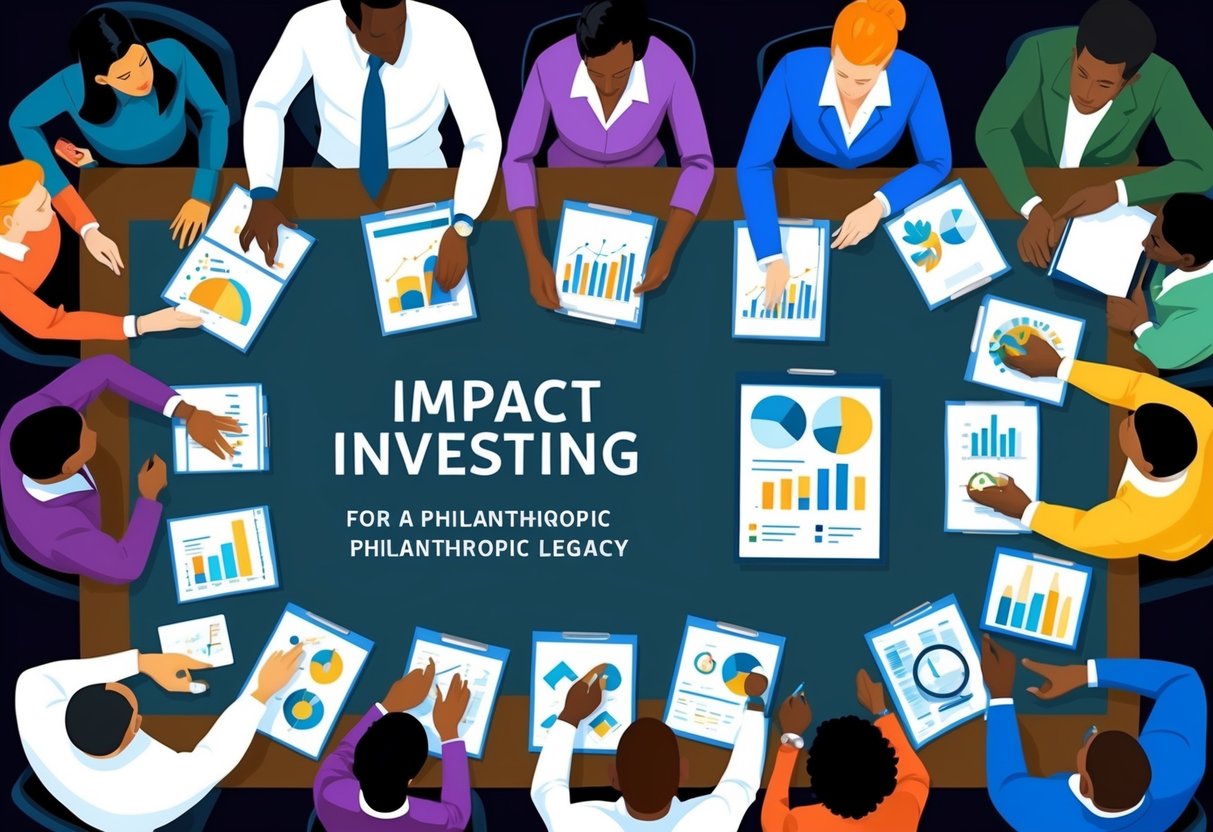
I’ve seen how doubts about financial security can weigh heavily on people’s minds, especially those of us who have worked hard but worry about retirement and family expenses.
Exploring impact investing can open up new possibilities, providing a path to both financial stability and meaningful change.
Impact investing is a powerful tool for legacy construction. - Jacqueline Novogratz
Building a legacy is not just for the wealthy. It’s a way to make sure that the world is a bit better because you were here. I believe impact investing is a strong way to do this.
Why settle for either doing good or making money when you can do both?
What excites me about impact investing is the balance it offers. You can align your values with your financial goals.
It’s about making strategic choices that create real change. Think about it—each investment becomes a chance to improve lives and benefit the planet.
Investing this way could mean supporting clean energy or funding education programs. Every decision can fuel a cause you care about.
Many of us want to leave a lasting impression, and this is one way to start. It’s like planting seeds that will grow for generations.
Why wait to make a difference? Impact investing lets me contribute now while planning for the future.
People often think they need to choose between their heart and their wallet. What’s wrong with choosing both? Surely, we can aim for a brighter future in more ways than one.
I find that impact investing gives me the chance to look beyond the usual. Creating a legacy is about more than leaving financial wealth. It’s about leaving a footprint that others can follow. Maybe it’s time for you to explore what impact you can make with your investments.
2) Allocate a Portion of Investments to Social Enterprises

When I think about creating a lasting impact, I often consider how my investments can shape the world. Social enterprises provide a unique opportunity for this. They’re not just about profit; they’re about creating real change.
Why not use this to leave a better world for future generations?
By allocating a portion of my funds to social enterprises, I can support causes that matter to me.
These enterprises aim for sustainable solutions to social issues like poverty and education. Isn’t it exciting to think that your money could contribute to such meaningful change?
One of the critical factors to consider is the potential for financial sustainability. Some social enterprises can manage without constant reliance on philanthropy.
With careful selection, my investments could help these enterprises scale and thrive. This is where impact investors can make a real difference by assisting these organizations in achieving larger goals.
Financial returns also play a role in decision-making. While social enterprises focus on their missions, they often seek financial viability. This means they can potentially offer returns while achieving their objectives.
It’s a way to align my financial goals with my desire for social impact.
So, what’s the right mix between traditional investments and ones that support social good? The answer is personal.
As I look to the future, weighing this balance is part of my strategy. It’s about finding what fits my goals and values, and it could be a key step in building a philanthropic legacy.
Utilize Donor-Advised Funds for Controlled Distribution
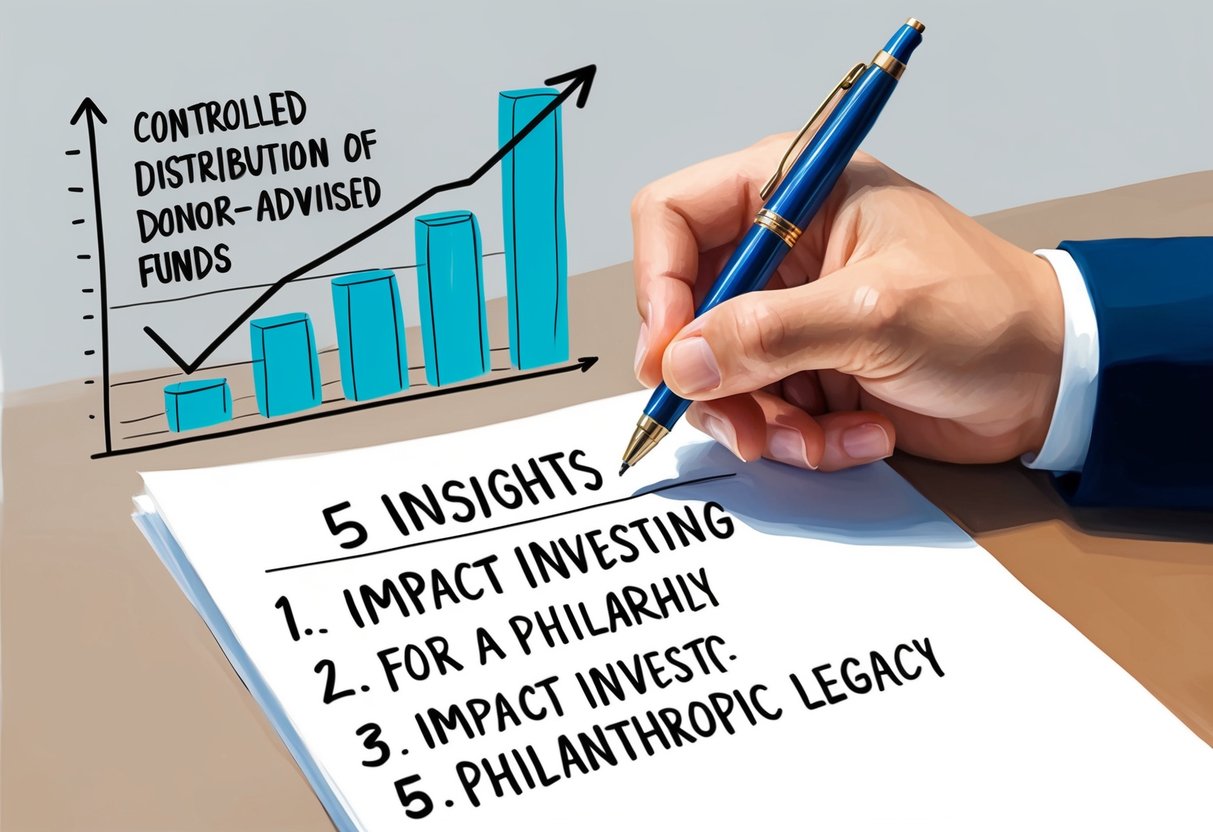
Have you ever wondered how to maintain control over your charitable contributions while maximizing their impact? I’ve found that donor-advised funds (DAFs) offer this control.
Setting up a DAF allows me to contribute to a charitable account managed by a sponsoring organization. This way, I can decide where and when to allocate funds over time.
Why choose DAFs? They provide flexibility and tax advantages, allowing contributions when it suits my financial situation.
I can plan my charitable giving without feeling pressured to make immediate decisions. It’s a strategic way to ensure my philanthropic goals align with my vision for the future.
Using DAFs for impact investing can also enhance my philanthropic legacy. For example, I can direct investments into social enterprises, such as those focused on environmental sustainability.
By doing so, I support initiatives that resonate with my values and create positive change. Many DAF providers, like Pathstone, offer options to invest directly in projects that matter to me.
Additionally, DAFs offer a means to engage other family members in charitable activities.
By involving my children in decisions about fund distribution, I can teach them about responsible giving and instill values that will carry on to future generations. It’s not just about money; it’s about fostering a legacy of care and responsibility.
4) Prioritize educational program funding within impact investing

You’ve worked hard, saved diligently, yet there’s a persistent question: are your investments truly making an impact? Education stands out as a crucial sector for impact investing. Why? It’s not just about the potential returns; it’s about the legacy you leave behind.
Imagine seeing young minds blossom because of your support. Investing in education means backing programs that foster real-life skills.
Companies and nonprofits often need funding to enhance their educational offerings, from K-12 programs to higher education initiatives for young adults.
In today’s rapidly evolving world, education is the key to preparing future generations. Kids today will face challenges we can’t even imagine. By investing in educational programs, you’re not merely contributing to a charitable cause; you’re paving the way for innovation, progress, and resilience.
Consider the opportunities across different sectors and boundaries. Educational programs don’t just reside in traditional classrooms. They extend to digital learning and cultural exchanges.
There are remarkable opportunities in both developed and developing markets. With a focus on impact, you can be part of something bigger—shaping the future.
But how can you ensure your impact investing makes a difference? Look for organizations that demonstrate transparency in their use of funds and provide clear outcomes.
These organizations are committed to utilizing their resources to make tangible improvements in education.
There’s a growing recognition of the role private funding can play in transforming education. According to reports, impact investing in education is gaining traction, aligning social value with financial success.
So, how do you want to be remembered? Wouldn’t it be remarkable if your investments helped turn educational dreams into reality?
Align Investments with United Nations Sustainable Development Goals
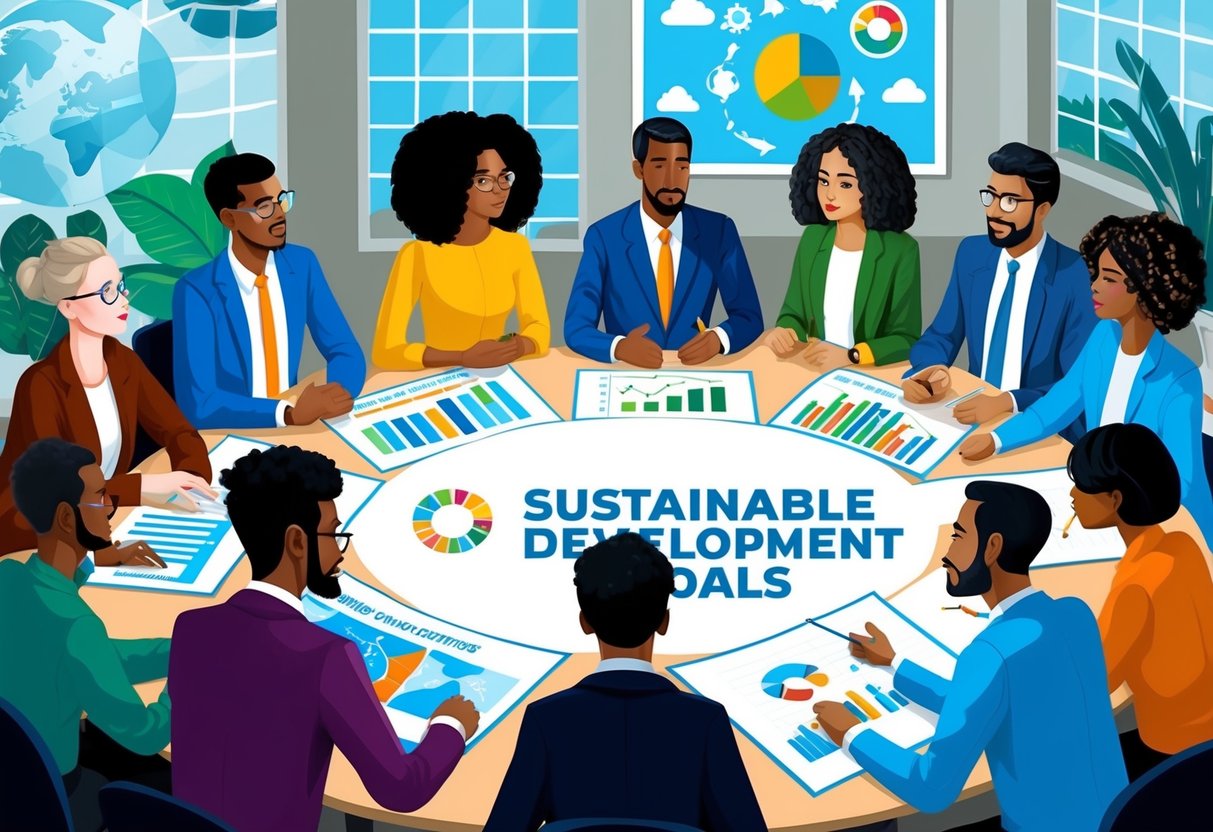
Have you ever wondered how your investments can leave a lasting impact while also securing your financial future? Aligning investments with the United Nations Sustainable Development Goals (SDGs) offers a unique opportunity to do just that.
The SDGs are a set of 17 goals aimed at addressing global issues such as poverty, inequality, and climate change. By investing in companies or projects that support these goals, I can contribute to meaningful change and potentially see financial returns.
It’s about making every dollar count, not just for my wallet, but for the world.
One of the key aspects of aligning with SDGs is choosing the right metrics and data. How do I ensure my investments truly support these goals?
It’s important to select relevant sources and reliable metrics to evaluate alignment. This means doing my homework on companies that genuinely prioritize sustainability.
Moreover, engaging with companies to encourage better practices can amplify the impact of my investments.
I look for firms that are committed to sustainability, holding them accountable to ensure they contribute to positive outcomes. This way, I can influence businesses to adopt sustainable practices, aligning their operations with SDGs.
Aligning investments with the SDGs isn’t just about returns; it’s about responsibility.
By focusing on this approach, I harness the power of capital for the greater good. It’s a win-win situation where my investments work to improve the world, while also building a solid foundation for my financial future.
Understanding Impact Investing

Impact investing can reshape how we think about money and its power to transform societies. It merges social good with financial return, offering a strategic approach for building a meaningful legacy.
Definition and Purpose
Impact investing is all about setting your money to work for both profit and positive change. Unlike traditional investing focused solely on financial returns, impact investing aims to achieve measurable social or environmental outcomes as well.
It’s a purposeful strategy that combines financial growth with a proactive effort to improve the world.
Why settle for just a return on investment when you can drive real change? Impact investing challenges the conventional view by making positive societal effects just as important as profit. This dual focus is what sets it apart. By aligning investments with personal values, investors can leave a lasting mark on society.
Economic and Social Benefits
Balancing financial return with societal impact may sound ambitious, but the rewards can be significant. For one, impact investments often target sectors like clean energy, education, and healthcare, which have proven potential for substantial growth.
These areas not only offer promise of good returns but also enhance quality of life globally. Who wouldn’t want their investments to yield double benefits?
Furthermore, companies engaged in impact investing often show strong corporate social responsibility, which can foster trust and brand loyalty. This dual benefit strategy ensures both economic gain and positive social outcomes, addressing concerns many investors have about not just retiring comfortably, but making a real difference in society.
Strategies for Building a Philanthropic Legacy

Building a philanthropic legacy involves aligning your investment strategies with your core values and developing a long-term vision. By doing so, you can ensure that your legacy not only supports immediate charitable efforts but also contributes to sustainable change over time.
Aligning Investments with Values
Aligning investments with your personal values is a powerful approach to impact investing. This means putting your money into areas that reflect what you care about most.
Is it environmental sustainability, education, or healthcare? By focusing on investments that match these values, your legacy becomes a true reflection of your beliefs.
One way to achieve this alignment is by carefully reviewing potential investments. For instance, using guidelines that consider both financial returns and social impact can help shape a portfolio that supports your goals.
What specific causes make you feel energized? That’s where your focus should be.
Such alignment enhances not only financial benefits but also social progress. It’s about making investments meaningful beyond just dollars. That’s why many advisors suggest tools like impact investment platforms for those eager to integrate personal values with financial strategies.
Long-term Vision and Planning
Thinking long-term is crucial for building a legacy that lasts. This involves creating a strategy that withstands the test of time, ensuring that charitable goals are achieved both now and in the future.
What does this mean for you? It means planning beyond the immediate.
Developing a long-term vision requires setting clear goals and benchmarks. How will you taper your investments to support evolving needs and challenges?
It’s about crafting a roadmap that adapts to changes in society and your personal growth.
Planning includes understanding how your financial commitments today will affect future outcomes. This might also mean considering estate planning tools to secure your philanthropic efforts, ensuring they continue even after you’re no longer involved.
By setting this vision, you create a foundation that can support lasting change.