

Market volatility can feel like a storm on the financial horizon, especially when your hard-earned retirement savings are at stake. Imagine seeing your nest egg shrink just when you’re planning to enjoy the fruits of your labor. The reality is, without a solid strategy, market fluctuations can indeed erase years of savings. This isn’t just a possibility; it’s something that retirees need to be actively prepared for. What if I told you there are ways to safeguard your retirement funds, even in a turbulent market? It’s not about predicting the market, but about managing the risks and making informed decisions. Protecting your savings involves smart moves like diversifying your investments and understanding the hidden risks that could impact your plans. Every investment decision should be tailored to where you are in your financial journey. Do you hold onto the stocks during dips, or is it time to rethink your asset allocation? These are the types of questions you should be asking as part of your financial planning. This is not just about surviving market volatility, but about thriving despite it.
Key Takeaways
- Market volatility can significantly impact retirement savings.
- Strategic planning helps mitigate the risk of savings loss.
- Diversified investments provide a safety net for retirees.
Understanding Market Volatility
 In this section, I will explore key aspects of market volatility, focusing on its definition, historical patterns, and how it affects retirement planning. This information is essential for those looking to secure their financial future amidst fluctuating market conditions.
Defining Market Volatility
Market volatility measures how much the value of financial assets, like stocks, fluctuates over time. It’s like the heartbeat of the stock market. When volatility is high, prices can zigzag dramatically. This isn’t just numbers on a screen—these shifts represent real risks and opportunities. Why does this matter? Because volatility can shake the confidence of even seasoned investors. When you see your retirement savings shrink during a market dip, it’s natural to worry. Yet, understanding volatility helps navigate these stormy seas without panic.
Historical Market Trends
Looking at historical trends, the market has always seen ups and downs. Remember the financial crises? Past events show that markets eventually recover, but the journey can be rough. Studying these trends provides lessons on enduring patience and recognizing patterns. Market downturns aren’t permanent—rather, they’re cycles. History teaches us that downturns, like those seen in a bear market, are followed by recovery and growth. This perspective can guide your decisions and help safeguard your investments.
Volatility and Retirement Planning
What’s the link between volatility and your retirement? It’s crucial. During market swings, your savings can feel less secure. You might see plans get shaky. But, with the right strategies, you can protect your nest egg. Diversifying your investments can buffer against these fluctuations. Consider strategies like the bucket method, where you manage risks by dividing assets into short-term and long-term needs. This approach helps face immediate market challenges while maintaining a long-term perspective. Preparing for volatility today is a proactive step toward financial security.
Impacts of Volatility on Retirement Savings
 Market volatility can significantly affect your retirement savings. These impacts often show up as changes in investment returns, the risk of eroding purchasing power, and unpredictability in income during retirement. Each of these factors can be crucial if not carefully managed, especially for those nearing retirement.
Sequence of Returns Risk
Do you know that the order in which you experience gains and losses can greatly affect your savings? This is called the sequence of returns risk. Retirees who withdraw funds during a market downturn risk depleting their savings too soon. Imagine starting retirement just as the market dives. If you withdraw money during these low periods, the recovery time for your investments is shortened, leaving less for future growth. Planning for such scenarios by diversifying your portfolio or using cash reserves can be critical. This approach can help cushion your savings against the blows of market instability.
Inflation Risk
Inflation is a silent threat to retirement savings. Over time, the cost of goods and services tends to rise, and if your retirement income doesn’t keep up, it can feel like losing money. Have you considered how inflation could erode your purchasing power over a decade or two? If you rely on fixed income sources, such as bonds or a pension, this could be more pronounced. I suggest exploring investments like stocks and real estate that historically outpace inflation. Regularly reviewing your investment strategy can also help ensure your savings grow faster than the inflation rate, protecting your purchasing power in the long run.
Retirement Income Fluctuation
Retirement income fluctuation can be unsettling. During volatile markets, the income you depend on might fluctuate if it’s tied to investments. How do you deal with this uncertainty? Retirees often rely on a mix of income streams, from Social Security to dividends. It’s wise to set up a strategy where these income sources can support each other. You might consider a laddered bond portfolio or annuities that offer a fixed income stream. Proper planning helps ensure that even if one income source drops, others can fill the gap. Balancing risk and stability in your income plan is vital for maintaining a comfortable retirement lifestyle.
Strategies for Mitigating Risk
 Mitigating risk in your retirement savings is crucial to ensure a stable financial future. By focusing on asset allocation, diversifying your portfolio, and regularly rebalancing investments, you can better protect your wealth. Integrating annuities and mutual funds also plays a vital role.
Asset Allocation and Diversification
Have you ever considered how asset allocation can safeguard your investments? By spreading your money across different asset classes, like stocks, bonds, and real estate, you protect your savings from market swings. Each asset class responds differently to economic changes, which can balance potential losses with gains. Diversification is essential, but how can you achieve it effectively? Choose assets that suit your risk tolerance and financial goals. By mixing various assets, you reduce the impact of a single asset’s poor performance. Remember, over-diversification can dilute potential returns, so choose wisely. Think of it like a safety net. A well-diversified portfolio helps protect your savings from market volatility. This strategic approach allows you to maintain financial stability and achieve long-term goals.
Rebalancing Your Portfolio
How often do you review your investment mix? Rebalancing ensures that your portfolio aligns with your financial objectives. Over time, some investments may outperform others, shifting your portfolio’s balance. This can increase risk if your asset allocation drifts from your target. Regularly rebalancing helps manage risk and maintain your desired asset mix. By selling overperforming assets and buying underperforming ones, you keep your portfolio in check. This discipline can improve long-term returns and maintain your risk level. Consider using automatic rebalancing if you lack the time or expertise. Many financial advisors offer this service. Staying proactive with rebalancing promotes a healthy investment strategy and keeps your retirement plan on track.
Utilizing Annuities and Mutual Funds
Have you explored annuities and mutual funds for risk management? Annuities can provide a steady income stream during retirement, offering protection from market volatility. They come in various forms, including fixed and variable annuities, each with unique benefits and drawbacks. Mutual funds pool money from multiple investors to buy diversified stocks and bonds, reducing individual risk. They are professionally managed, providing expertise without the need for constant monitoring. This can simplify investment choices and provide peace of mind. Combining annuities with mutual funds can enhance your retirement strategy. Together, they offer a balanced approach, helping you achieve financial security and meet long-term financial goals.
Financial Planning for Retirees
 When it comes to financial planning in retirement, it’s crucial to understand your risk profile, plan for steady income, and balance short-term and long-term investments. These elements are vital for maintaining financial security and peace of mind during retirement.
Determining Your Risk Profile
Do you know how much risk you’re comfortable taking with your investments? Your risk profile is key in deciding where to allocate your funds. Some retirees have a high risk tolerance, while others prefer stability. The best route often lies in consulting a financial advisor. They can assess your situation and give guidance tailored to your retirement readiness. Knowing your risk profile helps in balancing risky assets like stocks with more stable ones like short-term bonds.
Planning for Fixed Income
What’s your strategy for generating reliable income during retirement? Fixed income from sources like pensions, annuities, or bonds is essential. This dependable income stream covers daily expenses without the stress of market swings. Many retirees consider ladders of fixed income securities, where bonds mature at different intervals, providing a steady cash flow. Working with a financial advisor ensures these strategies align with your lifestyle needs and goals.
Long-term vs Short-term Investments
How do you differentiate between long-term and short-term investments in retirement? Understanding the balance between these can make a huge difference. Long-term investments, like stocks, can offer growth potential but may carry more risk. On the other hand, short-term investments provide liquidity, which is crucial for unexpected expenses. Investing in short-term bonds can maintain some risk exposure while offering you the flexibility to adjust your strategy as needed. Is your financial plan robust enough to handle market volatility? These strategies can help secure your savings against unforeseen changes, giving you more confidence in your retirement plans.
Safeguarding Retirement Funds
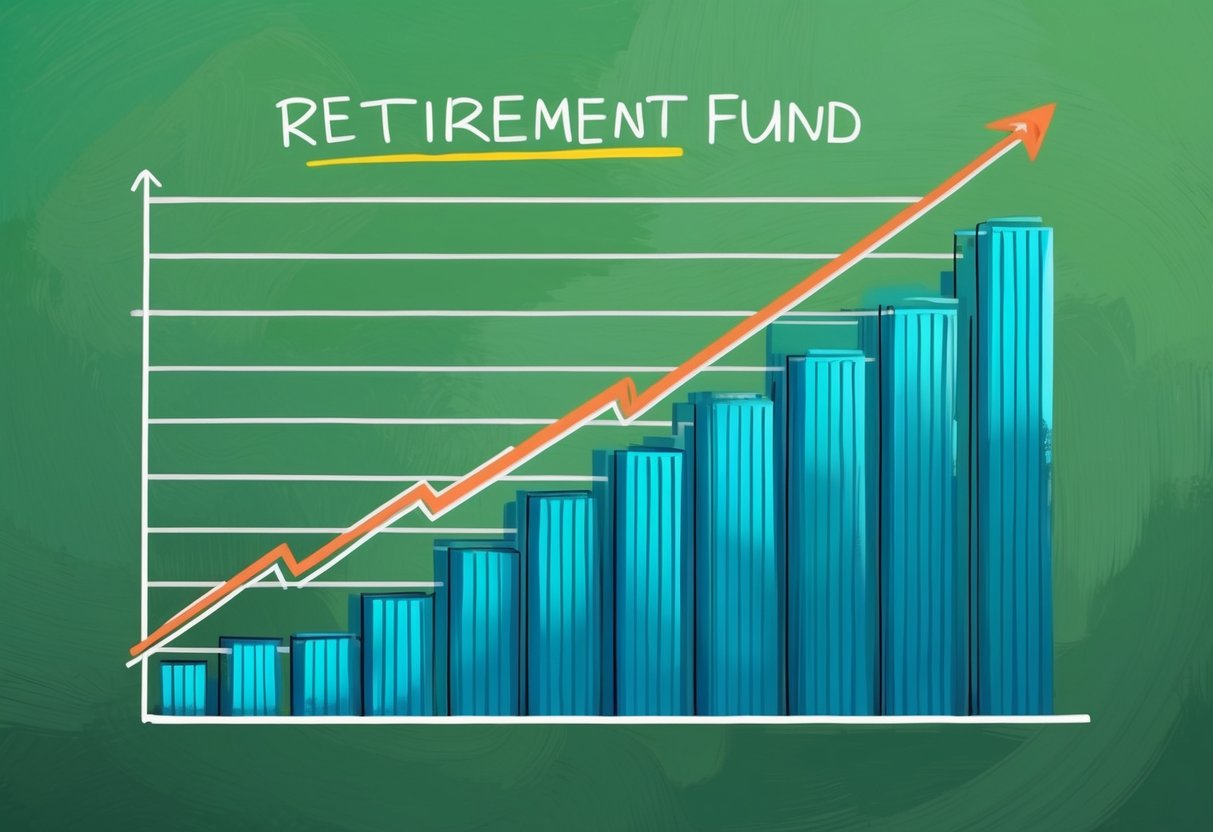 Preparing your retirement savings to withstand market changes is crucial. This involves regular contributions, staying informed, and seeking professional advice to protect your retirement assets like 401(k)s and IRAs.
Importance of Regular Contributions
Keeping up with your retirement account contributions is key to building a solid foundation. By consistently adding to your 401(k) or IRA, you maximize benefits like employer matches and compound interest. Regular contributions ensure that your retirement funds continue to grow, irrespective of market ups and downs. It’s essential to treat saving for retirement as an ongoing commitment. Even when markets are shaky, maintaining contributions can help you buy more shares at lower prices. This can be an effective strategy to bolster your retirement funds over time. Are you keeping track of how much you’ve been saving each year?
Staying Informed and Updated
In the current financial world, staying informed is vital. Market conditions can change rapidly, impacting your retirement assets. Make it a habit to read financial news and reports regularly. This can help you make timely decisions regarding your savings and investments. Being knowledgeable about market trends enables you to adjust your investment strategy when needed. Understand how different types of assets, like stocks and bonds, respond to market volatility. Being aware of these details empowers you to protect your savings more effectively. How often do you update yourself on financial trends?
Consulting with a Financial Professional
When it comes to safeguarding your retirement savings, getting advice from a financial professional can be extremely beneficial. These experts can tailor strategies to your unique situation, helping you optimize your retirement strategies. They understand market complexities and can provide insights that might not be obvious to the average investor. A financial professional can help assess your risk tolerance and recommend changes to your investment portfolio if necessary. They can guide you in diversifying your investments to minimize potential losses during volatile periods. Have you consulted a professional recently to ensure your retirement plans are on track?