
Are you ready to tackle the real challenges that could put a dent in your retirement dreams? When we think of retirement, we imagine relaxation and having time for what truly matters. Here’s the catch: rising housing costs could challenge this vision. Buying a home today has become more expensive. Are you prepared for it? Rising housing expenses can quickly turn your retirement plans upside down if not managed wisely.  Imagine carrying a mortgage into your golden years. It’s a scenario many retirees face today. The burden doesn’t stop at the mortgage payment. Property taxes and maintenance costs add up too. Seeing how these expenses can eat into your savings is crucial for a comfortable retirement lifestyle. Some alternatives might make your retirement more sustainable. Downsizing or exploring different living arrangements can ease your financial stress. Find the right path for you. This is a journey, and each step leads to more security and peace in retirement.
Key Takeaways
- Housing costs are a major factor in retirement planning.
- High expenses can strain retirement savings.
- Exploring alternatives can improve financial stability in retirement.
Understanding the Role of Housing Costs in Retirement Planning
 Housing costs can significantly impact your retirement life. They influence how much you can save, the power of your savings against inflation, and how far your fixed income stretches. Let’s explore these key areas to help you make informed financial decisions.
Retirement Savings Vs. Housing Expenses
Do you know how much of your retirement savings could go toward housing? Housing often takes up a large portion of your budget. It’s crucial to balance saving for retirement while managing housing expenses. According to a Government Accountability Office (GAO) report, housing costs are one of the biggest expenses for retirees. Carrying a mortgage into retirement can strain your finances. If you pay off your home, you can free up funds for other needs or investments. Downsizing might be a smart move. Besides lowering maintenance costs, as highlighted by Boston College’s Center for Retirement Research, it can also simplify your life. How will you decide to manage this balance?
The Impact of Inflation on Housing Costs
Ever wonder how inflation affects your housing expenses over time? Inflation can erode your buying power, making fixed expenses like housing more burdensome. In areas with high housing costs, like San Diego, inflation can make a big difference in how much retirees get from Social Security, as discussed here. To protect against inflation, consider including inflation-protected investments in your portfolio. This could help preserve your purchasing power. Other tactics might include locking in mortgage rates or re-evaluating your housing situation to reduce long-term costs. Is your retirement plan inflation-proof?
Fixed Income and Monthly Income Considerations
How do you plan to manage your retirement income with housing costs on the rise? For most retirees, income becomes fixed, relying on Social Security, pensions, or retirement accounts. Fixed incomes must be carefully planned to cover monthly expenses, including housing. With a potentially limited monthly income, budgeting becomes essential. Analyze your expenses to prioritize needs over wants. Determine if your income covers essentials or if adjustments are necessary. Could part-time work or annuities provide extra income to cover rising housing costs? Evaluating your monthly income in detail helps avoid surprises.
The Burden of Mortgages and Property Taxes
 Rising housing costs are causing real concern for many who are looking forward to retirement. High mortgage payments and increasing property taxes are at the forefront of these challenges, making it vital to understand their impact.
Mortgage Payment Challenges for Retirees
Mortgage payments can be a heavy burden for retirees. Have you ever thought about how these ongoing payments chip away at what you’ve saved? The housing crisis has pushed the estimated income needed to afford a typical home to around $117,000. This is a big hurdle, especially for those on fixed incomes. Retirees may feel stuck between wanting financial freedom and being tied down by mortgage payments. Many face the harsh reality of postponing retirement to keep up with these costs. Isn’t it frustrating to think of having worked so hard, only to feel tethered by financial obligations?
How Rising Interest Rates Affect Mortgages
Interest rates are sneaky; they creep up and suddenly you’re paying more. Higher rates mean higher mortgage payments, which eats into monthly budgets. It’s incredible how a slight increase in rates can drastically alter what you’re shelling out each month. With rates on the rise, refinancing might not be the savior it once was. If you lock into a higher rate, you might be looking at spending more money in the long run. How can I make sure I’m not paying too much? This is the question plaguing many homeowners who hoped to retire sooner.
Understanding Property Taxes and Insurance Costs
Property taxes can feel like a hidden pitfall. Since the pandemic, property taxes have increased more than 25% in some areas. It’s not just about paying them; it’s about how they add up with everything else. Add insurance into the mix, and costs rise even further. Insurance rates are climbing, due to factors like extreme weather, which raises home repair risks. Balancing insurance costs along with rising property taxes poses a significant strain. How can anyone plan their retirement with so many unpredictable expenses? This is a common worry as retirees struggle to manage these growing financial pressures.
Alternatives to Homeownership in Retirement
 As retirement approaches, exploring alternative living options is key. The rising costs of maintaining a home can strain finances, so it’s important to consider other possibilities like renting, downsizing, or even renting out your property.
Pros and Cons of Renting
Renting offers flexibility and can reduce the financial burden of homeownership. One great advantage is not having to worry about property maintenance and repairs. Instead, those responsibilities fall on the landlord, leaving you free to enjoy a more stress-free lifestyle. On the other hand, renting carries its own challenges. Rent prices can increase, impacting your financial security and requiring constant adjustments to your budget. Plus, there’s no opportunity to build equity as you would with owning a home, which some might find limiting.
Downsizing and Its Financial Implications
Downsizing can lead to significant financial benefits. By selling a larger home and purchasing a smaller one, or moving into a less expensive living situation, you can free up equity. This extra cash can enhance your financial security in retirement. Beyond the immediate financial gain, smaller spaces often mean lower maintenance and utility costs. But remember, the real estate market can be unpredictable. The timing of your sale and purchase could significantly affect your financial outcome.
Benefits and Challenges of Renting out Property
Renting out property can create a steady stream of income. This strategy allows you to keep your real estate asset while generating cash flow, which can bolster your retirement savings. It’s a smart way to leverage your property without giving up ownership. However, being a landlord comes with challenges. Managing tenants and maintaining the property require time and effort. There are also risks, such as potential vacancies, which could disrupt your expected income stream and affect your financial stability in retirement.
Dealing with Unexpected Expenses and Emergencies
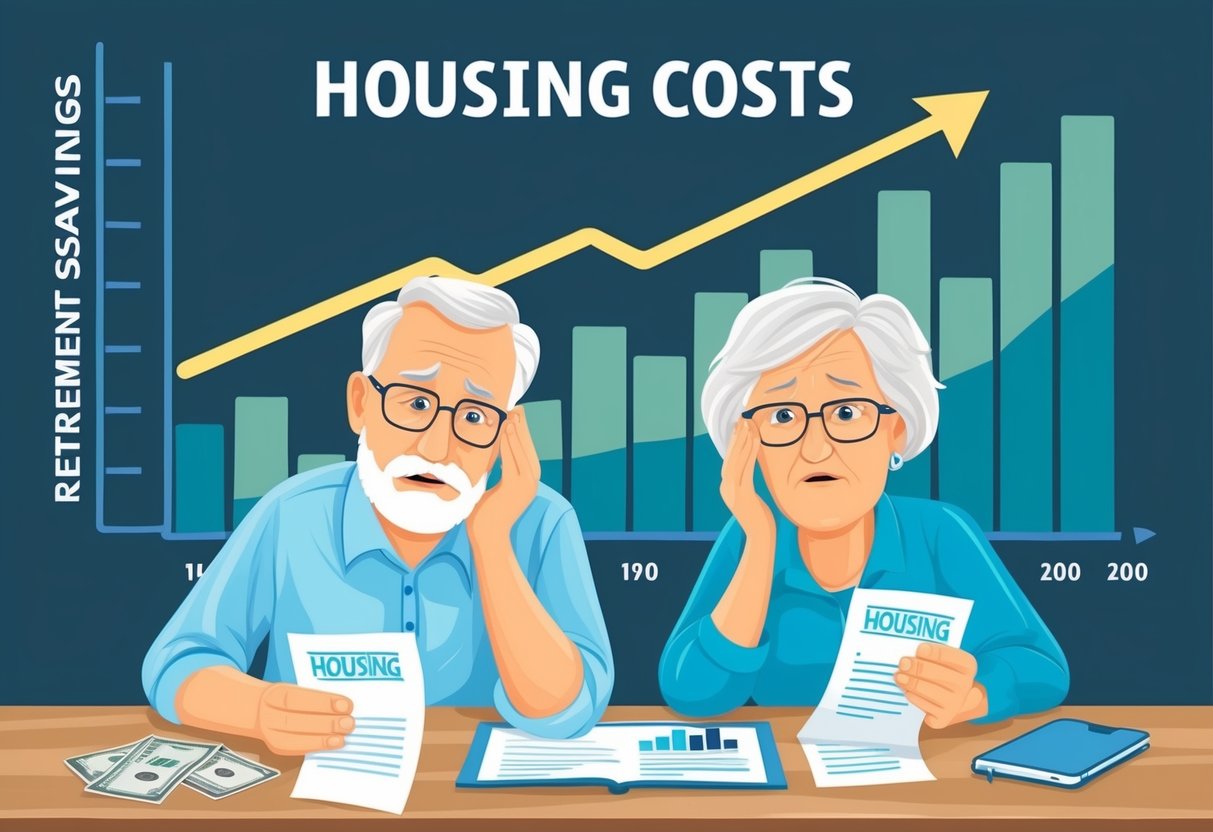 Life has its surprises, both good and bad. Preparing for unexpected expenses is crucial, from health scares to sudden home repairs. How can you stay financially ready for these surprises?
Emergency Fund Importance
Building an emergency fund is non-negotiable. You never know when the roof will start leaking or the car breaks down. I recommend setting aside at least three to six months’ worth of living expenses. This fund acts as a buffer, ensuring that an unexpected bill doesn’t derail your financial stability. Don’t forget the power of consistency. Each paycheck, set a small percentage aside. Over time, those contributions add up. This fund is for genuine emergencies, not planned costs, so guard it carefully.
Healthcare Costs and Insurance Considerations
Healthcare is one of the biggest uncertainties. As we age, medical expenses can rise unexpectedly. Having comprehensive health insurance is a must. I can’t stress enough how important it is to check what your plan covers. Does it handle major surgeries or extended caregiver support at home? Consider additional options like long-term care insurance to cover costs that regular plans might not. Shop around for the best value—sometimes higher monthly premiums can save you more later. Ensuring you’re adequately covered prevents surprise medical costs from eating into your savings.
Financially Preparing for Life Changes
Life is unpredictable. Divorce, changing caregiving roles, or even starting a second career can impact your finances. Planning ahead for these life changes starts with flexibility in your financial plan. Diversify your investments and keep a portion liquid for quick access. Learn the tax implications of withdrawing from retirement savings in case life throws a curveball. Expect the unexpected, and have a strategy. Will you be prepared if you suddenly need to support a family member, or if your marital status changes? By taking these proactive steps, you’re not just reactive to life’s challenges. You’re ready.
State and Federal Assistance Programs
 Navigating retirement can be a complex task, especially when rising housing costs threaten to derail your plans. It’s crucial to understand how various state and federal assistance programs fit into your strategy. In this section, I explore how Social Security, Medicare, and housing assistance can play pivotal roles in retirement planning.
Navigating Social Security Benefits
Did you know that Social Security is more than just a retirement benefit? For many, it’s a lifeline that supports basic living expenses. One key decision is when to start drawing benefits. Should you claim early, or wait for a larger sum? This choice hinges on your personal circumstances and health. Many overlook how Social Security can reduce the immediate burden of housing costs by covering a portion of monthly expenses. By marrying these benefits with personal savings, you can create a more flexible budget. It’s vital to understand the maximum taxable earnings and how they influence the benefits you can claim later.
Medicare and Its Impact on Retirement Finances
Medicare can be a financial buffer, but it’s important to grasp how it intertwines with your retirement budget. Many assume that Medicare covers everything, yet out-of-pocket costs can still surprise you. What about prescription drugs, vision, or dental care? These often require additional coverage. It’s wise to plan how to manage these expenses without derailing your financial plan. Consider pairing Medicare with supplemental insurance to protect against unexpected health costs. For some, setting aside funds in an IRA ahead of retirement can provide extra breathing room. Medicare isn’t just healthcare; it’s a critical piece in the financial puzzle of retirement.
Seeking Financial Assistance for Housing
As housing prices surge, many find themselves questioning if they can sustain their current lifestyle in retirement. What if you could access programs specifically designed to help? The Modest Needs offers assistance for those who don’t qualify for other programs. Additionally, veterans have specific options through the U.S. Department of Veterans Affairs for transitional housing assistance. State programs can also offer relief, providing grants or reduced housing rates for low-income seniors. Knowing where to look and how to apply can be the difference between staying secure in your home or facing relocation. Don’t overlook these resources as part of a robust retirement plan.
Developing a Retirement Budget for Housing
 Creating a solid retirement budget for housing is essential to avoid future financial stress. Key factors include estimating living costs, considering the impacts of inflation, and planning for maintenance.
Calculating Long-term Living Costs
When setting up a retirement budget, I start by calculating long-term living costs. Housing expenses, like mortgages, rent, and property taxes, are significant and need close attention. Don’t overlook utilities, as they can add up quickly, especially in retirement. I break down all potential expenses. For instance, factor in potential increases in property taxes based on historical data for your area. Think about how community fees or association dues might change. Moreover, consider how downsizing or relocating might reduce these costs significantly.
Adjusting for Inflation and Purchasing Power
Inflation is a silent wallet shrinker. Ignoring it when budgeting can lead to nasty surprises down the line. I evaluate how the inflation rate might impact my housing costs over several years. By estimating future costs in today’s dollars, I can better prepare for tomorrow. Keeping an eye on my purchasing power helps me adjust the budget accurately. I usually update my calculations annually to ensure they remain aligned with actual inflation trends.
Incorporating Maintenance and Upkeep
Home maintenance often catches people off guard in retirement. Regular upkeep can prevent larger, costlier problems. I keep a dedicated fund for unforeseen issues. Routine expenses like lawn care, roof repairs, or HVAC maintenance add up over time. Planning these into my budget helps smooth out sudden spikes in spending. I also consider the age and condition of my home since older homes typically require more frequent repairs. By staying proactive, I avoid being surprised by maintenance costs and help preserve my financial stability in retirement.
Investing in Housing as a Retiree
 When it comes to investing in real estate during retirement, considering the balance between risk and reward is crucial. You must also keep an eye on market trends that affect home prices, while leveraging your property’s equity for steady income.
Risk Versus Return in Real Estate
Investing in real estate can be an exciting way to potentially grow wealth. But let’s not forget the risks. Unlike traditional commodities, real estate isn’t as liquid. Getting caught up in consumer price index fluctuations might stress you out. Why? Because real estate involves larger amounts of money and longer time frames compared to stocks or bonds. Owning property may bring in rental income, providing financial security. Yet, maintenance costs and changing property values can eat into your profits. Always weigh these aspects when adding real estate to your portfolio. Does the prospect of being a landlord appeal to you, or does it feel more like a job?
The Effect of Market Dynamics on Home Prices
Home prices don’t exist in a vacuum. What’s affecting them today? Market dynamics, defined by supply, demand, and economic conditions, play an essential role. Think about how interest rates, employment rates, and the overall economy can create real shifts in property values. Are you aware of how consumer spending power affects demand for housing? It’s important to consider these factors before diving in. Interest rates, for example, can make mortgages cheaper or more expensive, directly affecting your buying power. Keep an eye on the broader economic indicators to ensure you’re catching trends rather than missing them.
Utilizing Equity and Real Estate for Income
Your home’s equity isn’t just a number. It’s potential income. By tapping into equity, you could maintain your lifestyle without compromising your financial security. Options like refinancing or using a home equity line of credit (HELOC) can turn the values tied up in your property into cash flow. Some retirees choose to downsize, unlocking significant equity. Imagine no longer needing a large home, and instead, having the options to invest that capital elsewhere. Is utilizing your home’s value as easy as it sounds? It’s about making smart decisions that ensure sustainable income throughout your retirement.