

Retirement is not just a financial goal, it’s a lifestyle transformation. Have you ever thought about how mental health impacts your financial decisions for the future? When planning for retirement, it’s easy to focus only on numbers, but the truth is, the mind plays a big role in shaping your financial well-being. The connection between mental health and financial stability can be a game-changer in how you approach retirement planning. It’s fascinating to see how the state of our mental health affects our ability to save and invest wisely. Stress, anxiety, and mental well-being directly influence our confidence and decisions. Many people don’t realize that financial stress can cloud judgment, leading to choices that might not support long-term goals. This relationship between stress and planning impacts how we save for retirement and manage resources. Understanding these links can make a real difference in creating a healthier approach to retirement planning. When you combine mental wellness with financial literacy, the prospects for a secure retirement become much brighter. This is about taking back control and ensuring that both your mind and your money are prepared.
Key Takeaways
- Mental health impacts financial decision-making and planning.
- Poor mental well-being can undermine saving and investment strategies.
- Integrating mental wellness enhances retirement planning success.
Exploring the Connection Between Mental Health and Financial Well-Being
 It’s clear that our mental health is closely tied to our financial state. Financial stressors can take a toll on our well-being, while improved financial health can enhance our overall wellness. Let’s take a closer look at these relationships.
Understanding the Impact of Financial Stress on Mental Health
Have you ever lost sleep over money worries? Financial stress can lead to anxiety and even depression, creating a ripple effect in your mental state. When you’re constantly worried about meeting your financial obligations, your mental well-being suffers. This can affect your decision-making abilities and overall quality of life. Studies show that financial problems are one of the top stressors for adults. This stress doesn’t just disappear. It makes a person more vulnerable to psychological distress. When you think about your future, retirement, and supporting your family, financial uncertainty can weigh heavily on your mind. It’s important to recognize this impact. Taking proactive steps to alleviate financial worry can significantly improve mental health.
Financial Health as a Component of Overall Wellness
Financial health goes beyond having money in the bank. It’s about being confident in your financial future. How does that relate to wellness? When your finances are secure, stress levels decrease, allowing you to enjoy life more. A sound financial plan can contribute to better mental well-being by reducing worries about unexpected expenses or future needs. Imagine knowing you can handle an emergency without financial anxiety. That’s the impact of financial wellness. It enhances life satisfaction and psychological well-being. By focusing on financial health, we invest in our mental health too. Make financial planning a priority, and watch as it positively influences every area of your life.
Retirement Planning Essentials
 Planning for retirement is crucial. It involves setting clear savings goals and understanding the need to secure financial well-being as you age.
Importance of Saving for Retirement
Have you ever wondered why saving for retirement is stressed so much? It is the backbone of a comfortable future. Without a solid retirement savings, financial stress can cloud your later years. I know many believe they will secure a sizable nest egg, but life often throws unexpected hurdles. Creating a Nest Egg: Consider 401(k) or IRA options. Each provides a chance to grow your savings while benefiting from tax advantages. Investing in these accounts from a young age can enable compounding growth, which gradually boosts savings over time. Emergency Funds: Establishing a backup fund ensures that unexpected expenses won’t derail your long-term objectives. It allows you to manage life’s surprises without dipping into retirement funds.
Setting Financial Goals for a Secure Retirement
Do you have clear financial goals for retirement? Without these, it is easy to stray off course. Goals act like a roadmap to a secure future, guiding decisions and commitments. Assessing Needs: Understand the lifestyle you want post-retirement. Will you travel or pay for grandkids’ education? Align your financial goals with these aspirations. Monitoring Progress: Regularly review financial plans against your goals. This check ensures your strategies are effective and allows for timely adjustments. Sometimes, saving more or reallocating assets might be necessary.
Effects of Mental Health on Retirement Savings Behavior
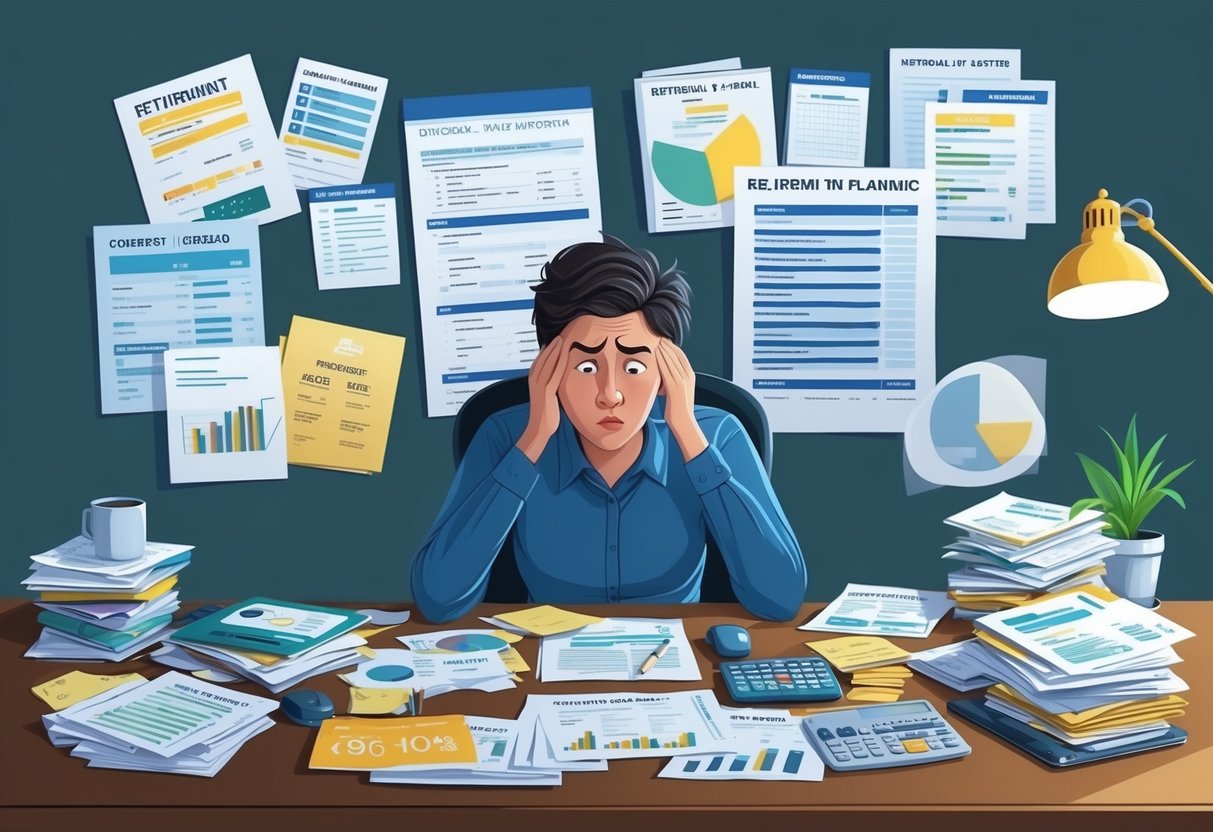 As we explore how mental health impacts retirement savings, it’s crucial to understand how decision-making processes are altered and the significance of self-care in maintaining effective planning. These aspects can guide us to make wiser financial choices.
How Mental Health Challenges Influence Financial Decision-Making
Did you know that mental health challenges can significantly influence how we manage our money? For instance, stress and anxiety might lead us to make impulse purchases, sabotaging our long-term savings goals. It often clouds judgment, making it tough to focus on future planning. Depression can also reduce motivation to engage in financial planning activities. Those grappling with mental health challenges may find it difficult to stick to a budget or evaluate investment options carefully. This can cause inconsistencies in saving, leading to a less secure financial future. When we’re not in the best mental state, our priorities can shift from saving to immediate gratification. Abandoning set saving strategies often leads to financial regret. Implementing systems to counteract these tendencies, like automatic deposits to savings accounts, can help maintain progress and keep retirement goals on track.
The Role of Self-Care in Sustaining Retirement Planning
Can self-care practices really impact retirement savings? Absolutely. Taking care of one’s mental health through techniques such as mindfulness and therapy can provide clarity and enhance focus on long-term goals. By reducing stress, we make better financial decisions. Self-care involves developing a strong support network. Discussing financial goals with friends or mentors can provide motivation, accountability, and fresh perspectives. When we feel supported, we’re more confident in taking actions aligned with our goals. Regularly reflecting on spending habits and aligning them with financial objectives is another aspect of self-care. Are your purchases bringing you closer to or further from your retirement plan? Engaging in these self-assessments allows us to prioritize actions for more secure retirement planning.
Strategies for Enhancing Financial Literacy and Management
 Managing finances effectively in retirement requires both solid financial literacy and smart management strategies. Investing time in education and seeking professional guidance are crucial steps to improving how I handle money during my golden years.
Educating on Financial Literacy for Better Decision-Making
Am I really equipped to make the best financial decisions? Financial literacy isn’t just about understanding numbers. It’s about grasping how various financial products, like stocks or retirement accounts, work. I focus on boosting my knowledge through online courses, webinars, and financial seminars designed for people like me who may feel left behind by traditional advice. I also prioritize learning how to evaluate my investment options. This involves staying updated on current market trends and revisiting the basics of budgeting. How much do I truly know about compound interest? Or how inflation might affect my savings? These are critical questions, and the more informed I am, the fewer costly mistakes I will make.
Professional Guidance and Money Management
Should I be handling my finances alone? Seeking guidance from a financial professional can make a big difference. I consult with advisors who specialize in retirement planning. This includes setting realistic goals for my future and understanding how to achieve them. Investments and money management can be complex. Professionals bring insights into managing my current assets while planning for unexpected expenses. They offer advice on diversifying my portfolio and optimizing my retirement strategy. Why muddle through alone when expert support is available? With the right advice, I feel more confident handling my finances and making informed decisions for a secure retirement.
Addressing the Psychological Aspects of Retirement Planning
 Navigating the emotional landscape of retirement planning can be challenging. The intersection of mental well-being and financial security is crucial for a smooth transition into this new phase of life.
Dealing with Anxiety and Depression During Financial Planning
Have you ever felt that knot in your stomach while thinking about your future savings? Anxiety and depression are all too common when people face the uncertainties of financial planning. When I think about managing my savings account or retirement accounts, it’s important to recognize the emotional strain these tasks can bring. By acknowledging these feelings, I can better prepare myself mentally. Identifying anxiety triggers and actively seeking support, whether through professional help or community resources, can make a significant difference. It’s helpful to create a structured plan to reduce these feelings. Setting clear financial goals and establishing a realistic timeline can provide clarity and reduce stress. By breaking down the steps to achieve these aims, I can tackle challenges one step at a time. Remember, you’re not alone in these concerns, and taking active measures can pave the way for peace of mind.
The Relationship Between Physical Health and Financial Security
Would you believe that physical health and financial security are closely linked? My financial well-being can often mirror my physical condition. Maintaining good physical health not only contributes to my overall well-being but also supports a more secure financial future. When I am active and healthy, I am less likely to face unexpected medical expenses, leading to a more stable financial position. Investing in physical health is like investing in a savings account for my future. Regular exercise, balanced nutrition, and routine check-ups can decrease the risk of costly health issues. By prioritizing my health, I am also fortifying my financial security. Just as with financial planning, consistency in health practices can yield significant benefits. Why not take care of both your wallet and your well-being simultaneously?