
When most people think about growing their wealth, they go straight to stocks or mutual funds. But have you ever wondered if there’s a smarter, more tangible way to put your money to work?
Real estate investing in Newport, RI can provide steady income, potential appreciation, and a welcome hedge against uncertain markets. With its historic neighborhoods, top-rated schools, and access to beautiful beaches, Newport offers something many investors overlook—lasting value in every property.

I’ve spent years watching traditional advice let people down, leaving them anxious about the future. Newport, on the other hand, stands out as a market where investing isn’t just about buying property—it’s about building security for your family.
Opportunities range from luxury homes, historic rentals and even mixed-use properties. The key is knowing where to look and understanding the rules of the game.
Key Takeaways
- Newport real estate offers stability and growth potential.
- There are several property types and neighborhoods worth considering.
- Smart financing and management are crucial for long-term success.
Why Invest in Newport RI Real Estate
Newport, Rhode Island offers a unique blend of strong market fundamentals, high demand from both locals and visitors, and attractive rental potential all year. For those ready to move past the old advice of “just save more,” Newport’s real estate opportunities can be a smart alternative.
Strong Market Fundamentals
When I look at any real estate market, I want to see stability packed with opportunity. Newport stands out with a median home value of about $425,400, which is higher than many places in Rhode Island and far above the national average.
This tells me that Newport’s market isn’t propped up by hype—there’s real value here. Higher property values hold up even when the market cools, which helps protect hard-earned investments.
Even after years of price growth and low home inventory, new data suggest Newport could see a bit more balance in 2025. That’s the opening careful investors like me are looking for—a chance to get in before the next climb.
For more details on market data, I recommend reviewing the 2025 Newport real estate analysis.
Attractive Lifestyle and Demand
Ever wonder why some cities attract both long-term residents and constant waves of tourists? Newport does it by offering a maritime lifestyle, historic charm, and a vibrant arts scene.
Proximity to Boston means it stays on the radar for professionals who want both convenience and culture. People flock here in summer for the beaches and festivals, but Newport isn’t just a warm-weather spot.
Restaurants, museums, sailing, and outdoor activities drive demand year-round. That constant draw spells one thing to me—steady demand for both homes and rentals, no matter the season.
If I’m investing, I want a market where people truly want to live, not just visit.
Year-Round Rental Opportunities
Rental income in Newport isn’t limited to the summer. With strong tourism and a sizable population of students, military personnel, and professionals, I see all-season potential for both short-term and long-term rentals.
Summer brings the big vacation dollars, of course, but demand hardly disappears in fall or winter. Owning property here can give me income that covers more than just the busy season.
Whether it’s weekly vacationers, year-long tenants, or military families, Newport has a broad tenant base. For investors aiming for reliable cash flow, this year-round market is tough to beat.
Explore more on Newport’s rental market and investor advantages.
Types of Real Estate Investment Properties
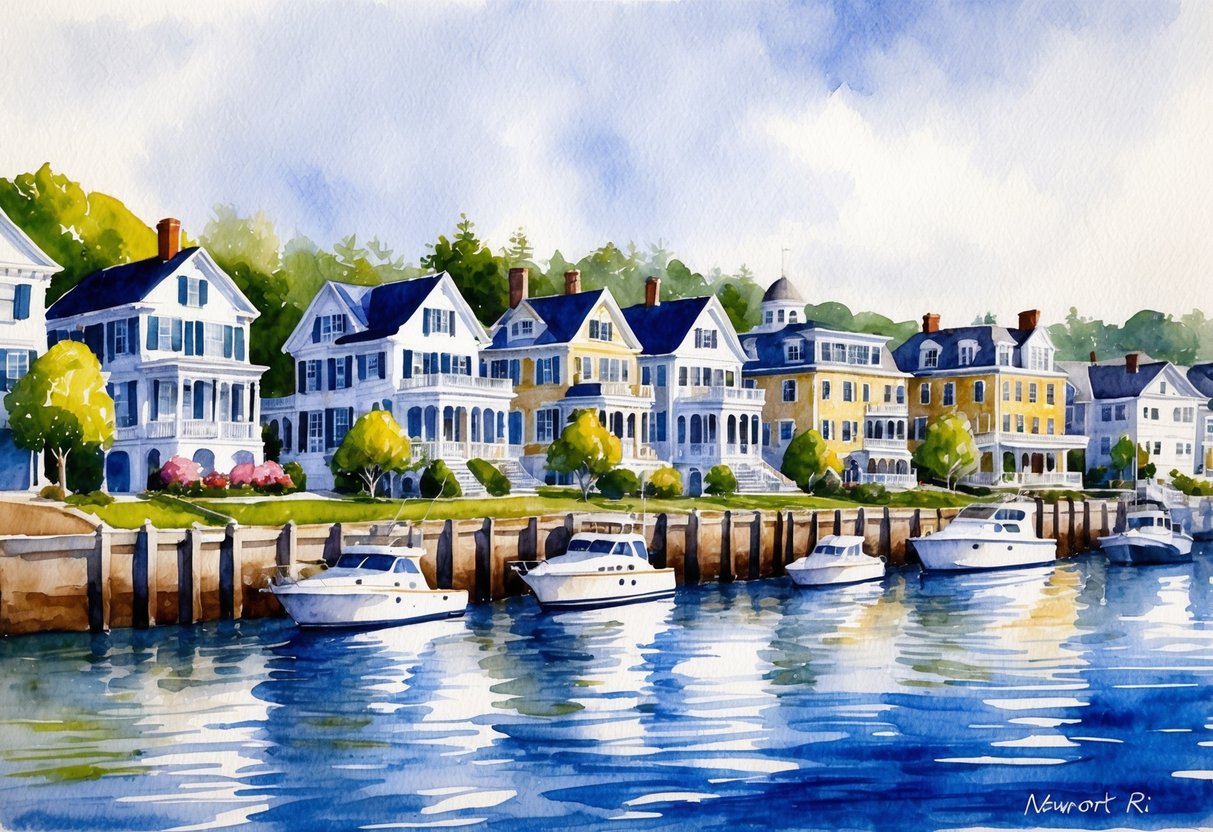
Newport, RI offers diverse real estate that appeals to investors seeking income, appreciation, and unique lifestyles. Properties here attract both steady renters and seasonal visitors while boasting features that can protect and grow wealth for the long term.
Vacation Homes
When I look at Newport, I see vacation homes as a prime strategy. Why hold stocks that rise and fall in a blink, when you can own a home people dream of visiting?
Newport’s coastal charm, historic sites, and events like sailing races draw consistent streams of visitors. A vacation home with ocean views can generate significant short-term rental income, especially in summer.
I favor properties near downtown or beaches. These spots stay booked and often command premium nightly rates on platforms like Airbnb or VRBO.
Owning a vacation home isn’t passive—seasonal upkeep, marketing, and local regulations matter. But well-chosen properties can appreciate fast as Newport becomes even more popular as a getaway spot.
For those ready to manage an active investment, this asset can outperform many traditional options.
Multi-Family Residences
Multi-family residences appeal to me for one powerful reason: steady monthly cash flow. Duplexes, triplexes, and other small apartment buildings supply much-needed rental options to the year-round community in Newport.
When one unit is vacant, others can cushion the loss, making these properties less risky than single-family homes. I’ve found that well-maintained buildings in neighborhoods near schools or transit have little trouble finding tenants.
Rents in Newport have remained strong, driven by both local workers and seasonal employees. Renovating older multi-families can boost rents and equity.
Tax benefits—depreciation, expense write-offs—help keep more income in my pocket. If I want stable returns and the option to live in one unit while renting others, I focus here.
Luxury Waterfront Properties
Owning a luxury waterfront property in Newport isn’t just about scenery—it’s about exclusivity and potential appreciation. These homes sit in prime spots facing the Atlantic or harbors, giving owners prestige and, often, privacy.
Wealthy renters will pay a premium for ocean views, large decks, and direct beach access. The demand for high-end stays rises during local festivals, yacht races, and peak tourist periods.
Waterfront estates can also support long-term wealth building due to their limited supply and desirability. These properties require a higher upfront investment, but their uniqueness often makes them resilient when the market changes.
I view luxury real estate less as a “flip” and more as a cornerstone asset to preserve family wealth while enjoying a distinct lifestyle.
Rental Apartments
Rental apartments provide reliable shelter for Newport’s year-round population. Compared to vacation homes, they offer fewer seasonal swings in occupancy.
I see strong demand from young professionals, college staff, and service workers who want to live close to the heart of town. Apartments can be in purpose-built buildings or older homes divided into separate units.
The appeal for investors is in scale—owning several apartments spreads out risk and simplifies management. Consistent rents make projecting returns straightforward.
Upgrading units with modern amenities can justify higher rents and attract better tenants. If I value predictable income and the chance to build equity over time in Newport RI real estate, rentals remain a foundation of my portfolio.
For more information about current investment opportunities in Newport, I check platforms like Mashvisor’s Newport investment property guide.
Key Neighborhoods for Real Estate Investing

Each neighborhood in Newport has its own story, market trends, and opportunities. Rental demand and property values can change a lot depending on the area, the type of property, and its views.
Historic Hill
When I look at Historic Hill, I see a mix of classic charm and consistent demand. Located near the center of downtown Newport, this neighborhood is known for its colonial homes and cobblestone streets.
Many buyers are drawn to the walkability to shops, restaurants, and the wharves. Most properties here are older, but their unique architecture attracts both vacation renters and long-term tenants.
The rental market is strong, especially during tourist season. With so much foot traffic, short-term rentals flourish.
One thing that stands out is how values have held steady, even as other markets bounce up and down. If you want stable occupancy and a property that holds its character, Historic Hill is worth a hard look.
I recommend paying close attention to renovation rules due to the historic status of many homes.
Fifth Ward
The Fifth Ward is all about community and comfort. This neighborhood has a mix of single-family homes, duplexes, and multi-unit properties.
For investors, this means more options and price points. Many families and young professionals choose Fifth Ward because of its quiet streets, local parks, and walkable proximity to downtown and the harbor.
I notice that rents here keep climbing, especially as buyers are priced out of tourist hotspots. What makes this area appealing for investment? The broad rental demand, steady appreciation, and lower entry price compared to some other Newport neighborhoods.
There’s also less competition from short-term vacation rentals, so long-term leases are common.
Bellevue Avenue
Bellevue Avenue is the most prestigious address in Newport. Here, high-end mansions, historic estates, and renovated townhouses line beautifully landscaped streets.
Some have direct ocean views, others overlook famous landmarks like The Elms or The Breakers. Can luxury property work as an investment? In my view, it depends on your strategy.
Bellevue Avenue’s homes attract wealthy buyers and renters, creating opportunities for both short-term luxury rentals and longer-term prestige leases. Expect to pay a premium.
The median home price on Bellevue Avenue and the area is well above $1 million, but rental rates support those values. Maintenance and taxes are higher, but the chance to own a piece of Newport’s history is real.
Ocean Drive
If I want true luxury and privacy, Ocean Drive is at the top of my list. This scenic, winding stretch sits along Newport’s southern edge and offers panoramic ocean views and direct water access.
Many estates are gated and set on several acres, with private beaches and gardens. The properties on Ocean Drive are some of the most expensive in Newport.
Investors usually hold onto these for their appreciation potential or as exclusive short-term vacation rentals. Owners here value privacy, security, and unmatched scenery.
Inventory is always tight, so patience is required. When a property does come up for sale, demand is strong among buyers who want something rare.
This area isn’t for everyone, but if you can enter the market, Ocean Drive delivers something you just can’t find anywhere else.
Financing and Terms for Newport Properties
Real estate investing in Newport, RI can be life-changing if I approach the financing correctly. Knowing my options, the real requirements, and the difference between short- and long-term strategies separates the ordinary investor from the successful one.
Loan Options and Requirements
When I dive into Newport RI real estate, understanding my loan choices is crucial. Lenders offer both conventional and specialized mortgages for investment properties.
For single rental homes, the 30-year fixed rate mortgage is a popular choice. Full amortization gives me predictable payments and long-term stability.
Loan amounts can start as low as $75,000 and go well above $1 million. This range helps me scale my portfolio over time.
If I’m looking for flexibility, some Rhode Island lenders offer products for single-family homes, multi-units, and even vacation rentals. Hard money loans are another tool, but they usually come with higher rates.
The average loan amount with these lenders in Newport is nearly $309,000. I have to balance that against the mean interest rates and stricter timelines.
Picking the right investment property loans in Rhode Island can give me leverage. The key is finding terms that fit my cash flow goals.
Down Payments and Credit Considerations
Securing financing for Newport real estate almost always means higher down payments than a primary home. Most lenders expect 20% to 25% down.
That’s a big leap from the usual 3% to 5% I’d put on my own residence. It’s just the price of admission for investment assets.
My credit score matters a lot more here. Anything above 700 can unlock better interest rates.
If my score dips lower, borrowing costs rise quickly. Lenders want to see stable income, a manageable debt-to-income ratio, and assets in reserve.
Having strong financials isn’t just about getting approved. It helps me negotiate terms and lowers my overall risk.
Here’s a quick table to reference:
Requirement
Primary Home
Investment Property
Down Payment (%)
3-5
20-25
Credit Score (min)
620
700+
Short-Term vs. Long-Term Investments
Do I want cash now or growth for later? That’s a question I always ask myself.
Short-term investing in Newport, like flips or short Airbnb holds, needs quick access to capital. These deals usually involve higher interest rates and shorter loan terms—hard money and bridge loans are common options.
I have to keep my exit plan tight or risk shrinking profit margins. Long-term investments, such as buy-and-hold rentals, thrive on stability.
I lock in lower fixed interest rates and favor 15-, 20-, or 30-year terms. This lets the property appreciate over time and gives me a steadier income stream.
I keep an eye on my loan’s amortization schedule to make sure I’m truly building equity. It’s easy to get caught up chasing break-even, but I try not to fall into that trap.
Legal Considerations and Compliance
Investing in Newport real estate opens exciting opportunities. It’s not as simple as signing paperwork and collecting rent.
I always keep my eye on laws and local policies so I can protect my money and avoid costly missteps.
Zoning Laws and Regulations
I learned early that Newport’s zoning rules can make or break a deal. In this city, zoning laws control what you can do with your property.
Want to turn a Victorian house into separate apartments or run a bed and breakfast? You have to check how the property is zoned before you buy or remodel anything.
There are strict historic district guidelines in Newport’s older neighborhoods. These may limit changes to building exteriors or even landscaping.
New investors sometimes get blindsided when they find out they can’t build a garage or add units because of the area’s zoning designation. Here’s what I always ask before moving ahead:
- What’s the current zoning classification?
- Are there permits for adding units or making structural changes?
- Does the historic district commission need to approve my renovations?
Skipping these questions can delay your project for months or even sink an investment.
Tax Implications
Real estate in Rhode Island can have very different tax outcomes depending on how you structure the deal and use the property. Property taxes in Newport are not cheap, and unlike many places, rates can shift from year to year.
I keep local assessments on my radar, as the city sometimes raises valuations that lead to bigger tax bills. If I’m buying as an investment, I pay close attention to capital gains taxes and how rental income is reported.
Rhode Island has its own rules for landlord income and deductions. For example, repairs and maintenance are generally tax-deductible, while major improvements may have to be depreciated over years.
It’s smart for me to consult my accountant before closing any deal. When I know the true after-tax cost of owning a property, I can compare it better with stocks, bonds, or other investments.
Short-Term Rental Legislation
Short-term rentals like those posted on Airbnb have brought big profits, but they’ve also sparked tight local rules in Rhode Island. Newport has passed strict laws to control vacation rentals.
These include limits on how many days a unit can be rented, registration requirements, and sometimes a ban on new short-term rental permits in certain neighborhoods. Rental owners must post emergency contacts, follow noise and trash guidelines, and pay local lodging taxes.
Newport officials can fine landlords who skip registration or break rental caps. I never assume that just because I own a property, I can list it as a short-term rental whenever I want.
Before buying, I always check if the building already has a rental permit or if new permits are being issued. Knowing the current rules keeps my rental income legal and steady.
Property Management Strategies

Finding success in Newport real estate means using the right property management strategy. Whether I hire someone or manage on my own, my approach can impact rental income, privacy, and time spent.
Hiring a Local Management Company
When I look at Newport’s rental market, I see a range of professional property management options. Companies like Stonelink Property Management have deep knowledge of local laws, screening tenants, and handling turnovers.
Why should I consider a management company? My time is valuable, and I may not want late-night repair calls.
These firms collect rent, coordinate maintenance, and deal with tenants, giving me peace of mind. Local managers often know how to market rentals to the right people and optimize pricing.
They follow privacy laws and respect my property by using vetted contractors. Of course, hiring a company means paying a fee—usually a percentage of monthly rent.
I weigh this cost against the hours and headaches saved. If I own more than one property or live out of state, working with a trusted team might be a smart investment.
Self-Management Tips
If I like to stay hands-on, self-management gives me more control. Setting clear rental policies and using digital lease agreements protects my interests and helps prevent misunderstandings.
I perform background and credit checks on every applicant. For maintenance, I set up a list of reliable local contacts—plumbers, electricians, and cleaners.
Responding to repairs quickly builds trust with my tenants. I keep consistent communication but respect tenants’ privacy rights.
For example, I always provide written notice before entering a property for repairs. Online rent payment tools make collections easier and let me spot payment issues earlier.
I keep detailed records of all work and communication in case of disputes. Organization makes tax time and year-end reviews much easier.
Maximizing Rental Income
To boost my rental income, I focus on what tenants in Newport want. Properties near beaches or downtown often rent faster.
I consider upgrades like smart locks or modern lighting for extra appeal. Short-term rentals can be more profitable, but they require more management and local permits.
I monitor trends in Newport’s market using resources like HouseCashin’s local analysis for data on average rents and vacancy rates. Staying flexible with lease terms—offering furnished or unfurnished options—lets me attract different renters.
I review expenses regularly—insurance, property taxes, utilities—to spot savings. Careful management and attention to detail often make a big difference in my bottom line.
Maximizing Property Value and Privacy
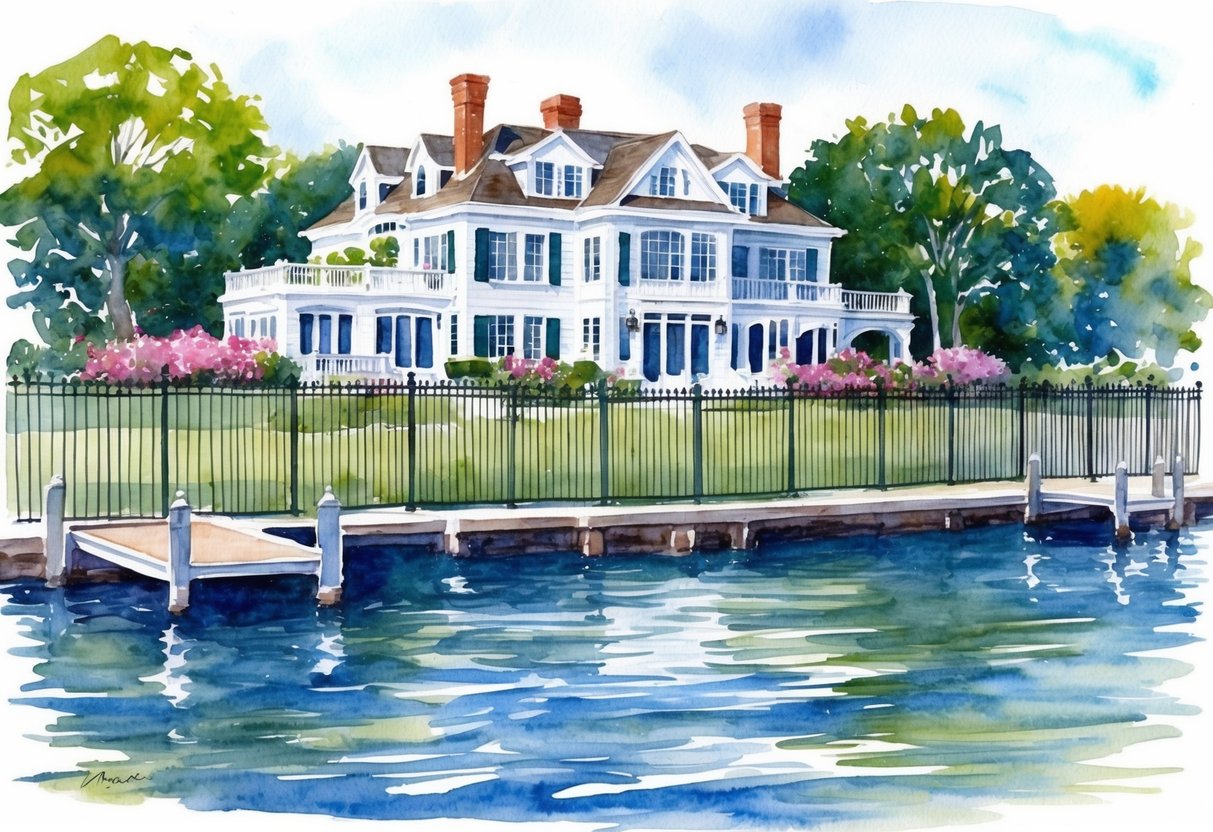
In Newport, smart upgrades do more than boost a property’s resale number. They can also give me precious privacy and scenery most owners only dream about.
Investing right helps my property stand out as both a top vacation home and a long-term asset.
Renovations for Ocean Views
If my property sits near the water, highlighting those ocean views is not just smart; it’s essential. I look for rooms—like the living area or master bedroom—that have potential for bigger windows, sliding glass doors, or even a balcony.
With Newport’s coastal charm, a well-placed window can turn an average home into a luxury getaway. Removing outdated walls, using open floor plans, and installing glass railings can help connect indoor spaces to the seascape.
I make sure any upgrades add energy efficiency, like double-paned glass, to keep comfort high without spiking my bills. Vacation renters and buyers will pay a premium for unobstructed ocean sights, a fact noted by reputable Newport property management companies.
Key tips:
- Use large windows and doors facing the shore
- Add decks or rooftop terraces for wider views
- Keep window treatments minimal and modern
Landscaping and Outdoor Upgrades
Privacy and curb appeal can be as important as square footage. I use privacy hedges, strategic fencing, and plantings that shield my yard from the street and neighbors—without blocking the view.
Native Newport plants like bayberry or holly add privacy while keeping maintenance costs in check. Outdoor living sells in Rhode Island.
Why not install a patio with a fire pit or an outdoor shower for guests? Good lighting and weatherproof furniture make my vacation home welcoming year-round.
I work with local pros to create these upgrades, boosting both value and privacy while fitting the unique Newport landscape.
Smart landscaping moves:
- Install tall hedges along property edges
- Use layered greenery for both privacy and beauty
- Create separate outdoor spaces: patios, dining, gardens
Emerging Trends in Newport Real Estate
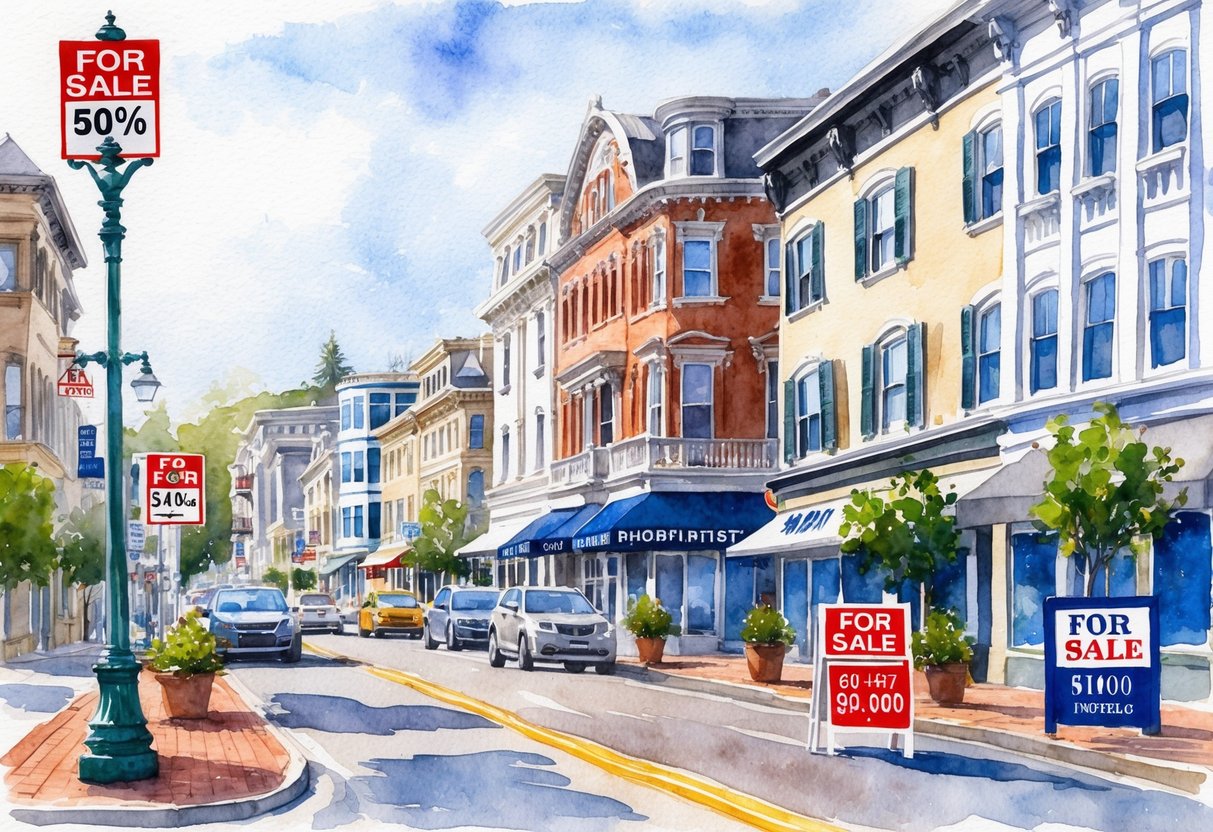
Change can mean opportunity or risk, especially for real estate investors. I focus on what moves the needle—technology and sustainability—because these trends aren’t just buzzwords.
They directly shape the value and appeal of properties in Newport.
Technology and Smart Homes
Ever notice how smart technology went from being a fancy extra to something everyone expects? In Newport, you can’t miss it.
Homes with automated lighting, smart thermostats, and security systems are getting more attention than ever. Buyers and renters are now asking for properties with remote-controlled systems and energy tracking.
Voice-activated assistants have become the norm in upscale neighborhoods. People love the convenience of smart locks and video doorbells, and honestly, who doesn’t want less to worry about when it comes to security?
The more integrated these features are, the more buyers seem to flock to those homes. There’s just something about a place that feels ahead of the curve.
Here’s what I’ve been paying attention to:
Smart Tech Feature
Buyer/Renter Demand
Impact on Value
Smart Thermostats
High
Increases ROI
Automated Lighting
Moderate
Boosts Appeal
Security Cameras
High
Reduces Liability
If I wanted to stand out in Newport, I’d jump on next-gen smart home tools—not just for comfort, but for the way they lift a property’s value. More remote workers are moving in, so these upgrades keep popping up as top selling points.
Sustainability Practices
Does green living really pay off? When I look at Newport real estate, the answer feels like a strong yes.
Eco-friendly designs and energy-efficient features aren’t just nice-to-have anymore. Buyers now expect them.
A lot of investors are retrofitting homes with solar panels and using recycled materials. Modern insulation and high-efficiency windows are showing up everywhere.
People want lower utility bills and a more comfortable living space. Who can blame them?
Some of the top sustainable improvements I see:
- Solar energy systems
- Rainwater harvesting
- Efficient HVAC systems
- Low-flow plumbing
Newport buyers care about long-term maintenance, too. Sustainable upgrades help cut down repair costs in the future, so they’re a smart pick.
If I ignored these practices, I’d probably lose out in today’s market. For anyone eyeing Newport’s future, going green isn’t just a trend—it’s the new baseline. You can dive deeper into these shifts in this market trends analysis.
Important Considerations for Investors

In Newport, RI, real estate investing brings both unique challenges and big opportunities. I have to stay sharp about local conditions, know my rights, and stick with trusted partners if I want to build wealth here.
Seasonal Market Fluctuations
Newport’s real estate market definitely isn’t the same all year. Summer brings a rush of tourists, which pushes up short-term rental demand and property prices.
If I’m planning to rent out my place, I need to prepare for vacancy dips in the off-season—especially in fall and winter. That’s just how it goes.
Homes near the waterfront or in historic districts often appreciate faster. Prices tend to spike just before and during summer, then settle down or even drop after.
Timing my buy or sell could mean thousands of dollars either way. It’s a bit of a gamble, honestly.
Key tip: I keep an eye on local event calendars and watch rental booking patterns. This helps me figure out when to list or adjust my rates.
Monthly market reports or even a basic spreadsheet can help me plan for cash flow swings. No one likes surprises when the cold weather hits. If you want to get a handle on this stuff, market trends are worth a look.
Consent, Privacy, and Data Compliance
Collecting tenant information isn’t as simple as checking references anymore. Now, I have to pay attention to how I store and use personal data.
Laws cover consent for things like Social Security numbers, employment details, and even how I use cookies on a rental website. I make sure every lease or agreement spells out what info I’ll collect and how I’ll protect it.
If I use a property management website or third-party software, I double-check their privacy policies to make sure they’re following state and federal law. I’d rather not risk it with protected data.
If I’m ever unsure about tenant consent rules or renters’ privacy rights, I ask a legal expert. That way, I stay on the right side of the law—and avoid headaches later on.
Choosing a Reliable Closing Company
Picking the right closing company—or closing attorney (CLO)—isn’t something I check off my list without some thought. The right partner can catch mistakes in contract language and dig through the title history for any hidden problems.
They also help keep things moving, even when issues pop up. Honestly, I want someone who knows Rhode Island real estate inside and out.
Here’s what I look for:
- Does the company really specialize in Rhode Island properties?
- Are their closing fees clear and fair?
- Will they send regular updates or let me track things online?
I always ask for references. I also test how quickly they answer my questions.
Missing a deadline or making an error at closing could put my investment—and my savings—on the line. Working with a trusted local expert adds a layer of protection, and honestly, a bit of peace of mind.