
Short-term rentals can turn your hard-earned savings into scalable passive income. Imagine freeing up your time by letting automation handle the constant juggling of guest communication, cleaning schedules, and bookings. How do you do that? By leveraging the right tools to automate your rental process, you’ll make your investment work for you without it feeling like a second job. Isn’t it frustrating to feel like you’re tied down by endless tasks? With automation, there’s a smarter way to manage your properties. You can enhance your guest’s experience, ensure seamless bookings, and gain back your freedom while growing your profit. How do you get started on this path to automated income? The process involves selecting tools that fit your rental needs, setting up systems that save time, and ensuring your management is as efficient as possible. The goal is to build a rental business that operates effortlessly and scales when you’re ready.
Key Takeaways
- Automate tasks for efficient rental management
- Enhance guest experiences with smart tools
- Scale operations for increased passive income
Understanding Short-Term Rental Automation
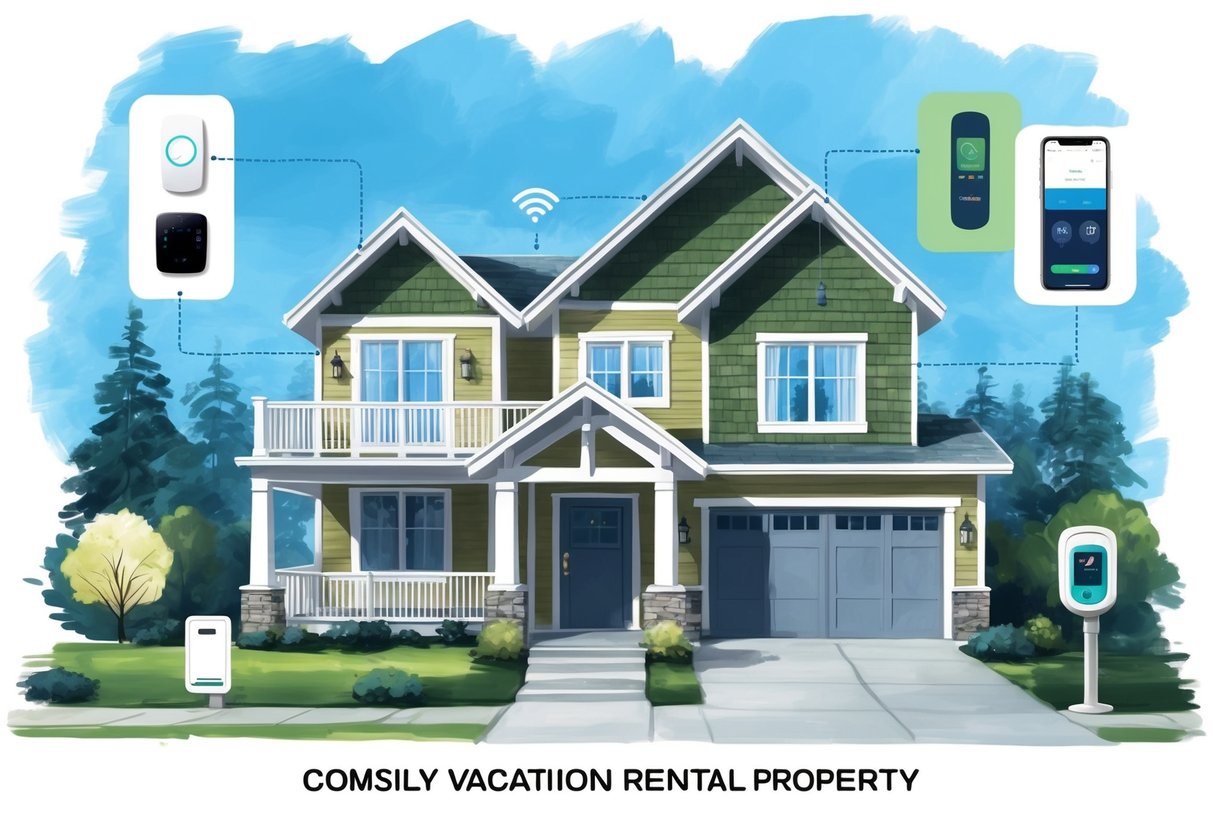 Exploring automation in short-term rentals opens up opportunities for efficiency and income growth. I’m going to dig into the benefits, tech tools, and key areas for automation.
Benefits of Automation in the Rental Industry
Automation is crucial in transforming how rental businesses operate. Imagine eliminating repetitive tasks, which frees up time for more strategic pursuits. These systems enhance guest experiences by ensuring smooth processes—from booking to checkout. Tasks like guest communication and scheduling maintenance can operate automatically, leading to a more reliable service. This reliability not only boosts reputation but also encourages repeat business. In addition, automation can cut operational costs by reducing the need for manual labor and minimizing human error.
Technologies Enabling Rental Automation
The core of automating rentals lies in technology. Two essential tools dominate this space: property management systems (PMS) and third-party apps. A PMS acts as a central hub, integrating various aspects of your operations. This includes everything from tracking bookings to managing financial records. Third-party apps complement the PMS by adding specialized functionalities. For example, apps can automate check-in processes or manage cleaning schedules. Voice assistants and smart home devices also play a role by allowing remote control of rental properties. Implementing these tools can create a seamless and efficient operation that makes property management easier.
Deciding What Aspects to Automate
Not every task needs automation, so it’s important to strategize. Begin with tasks that are time-consuming or prone to mistakes. For example, consider automating guest communication. Templates for responses to common questions can save significant time. Next, look at calendar management. Automation here can avoid double bookings and optimize occupancy rates. Billing and invoicing should also be streamlined to ensure timely and accurate payments. By selectively automating, you target inefficiencies, ultimately boosting your property’s performance without sacrificing quality.
Setting Up Your Rental Space
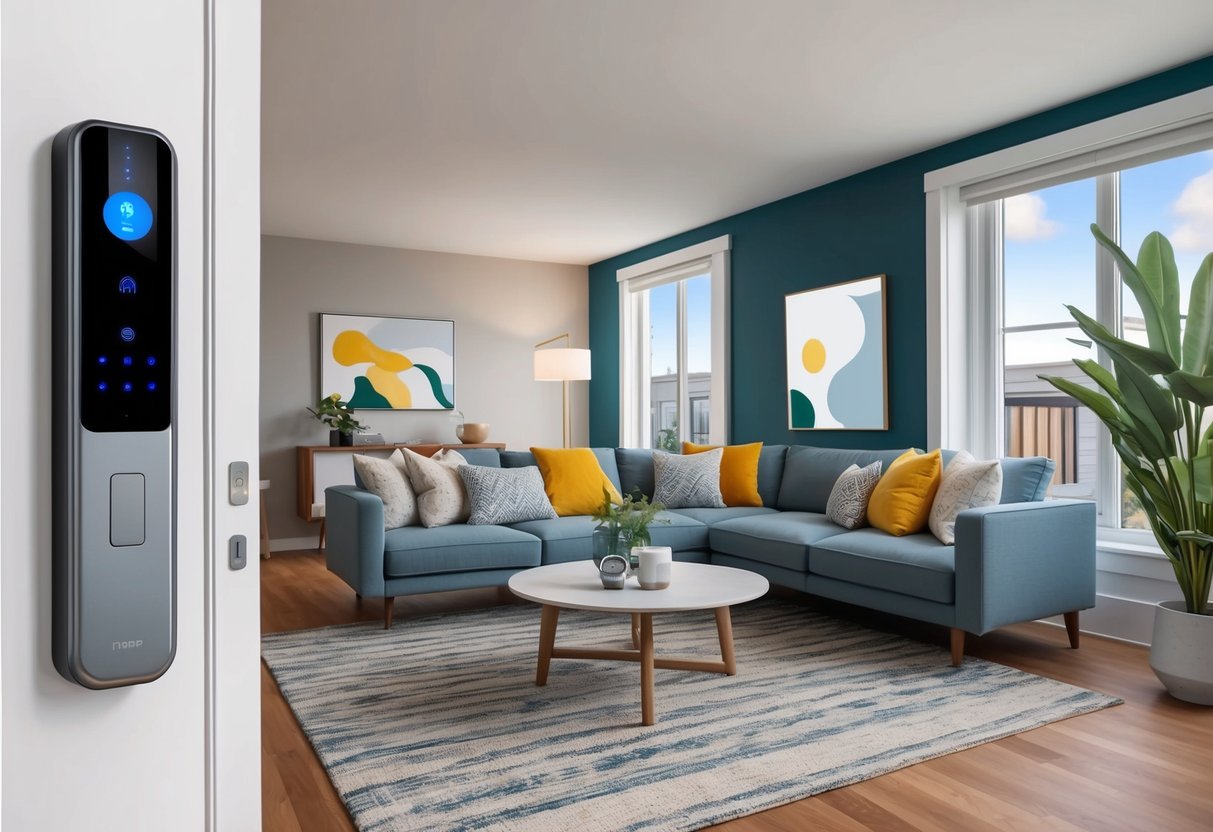 Creating a rental space that’s appealing to guests and easy to manage is crucial for generating passive income. Let’s look at how to optimize your property and design it for seamless management. These changes can make a big difference in your rental’s success.
Optimizing Your Property for Guests
Do you want your guests to feel at home? Start with the essentials. Reliable Wi-Fi tops the list, as it’s something almost every guest expects. It’s the little details that count, like offering a well-stocked kitchen with basic cooking supplies and utensils. Ensure that your property is sparkling clean before guests arrive. Consider a professional cleaning service to keep standards high. Think about security too. A keyless entry system not only enhances convenience but also minimizes the need for in-person key exchanges. This helps you maintain a smooth, hands-off process. Efficiency is important, so why not use smart thermostats and lighting? These allow you to control the environment remotely, ensuring a comfortable stay for your guests while saving on energy bills.
Design and Furnishing for Automated Management
Design plays a big role in how easy your property is to manage. Choose furnishings that are durable and easy to clean. Avoid complex decor that requires frequent maintenance. Instead, opt for simple, stylish pieces that appeal to a wide range of guests. Practicality is key. Invest in items that serve multiple functions, like a sofa bed, to maximize space. Organize storage areas for clarity and ease of use. Provide clearly labeled instructions for appliances and house rules. This reduces the number of guest queries and ensures a hassle-free experience. Does your design reflect a warm and inviting atmosphere? If not, it might be time to update your color schemes. Neutral tones can create a calming environment, perfect for any traveler looking for a restful retreat.
Implementing Automation Tools
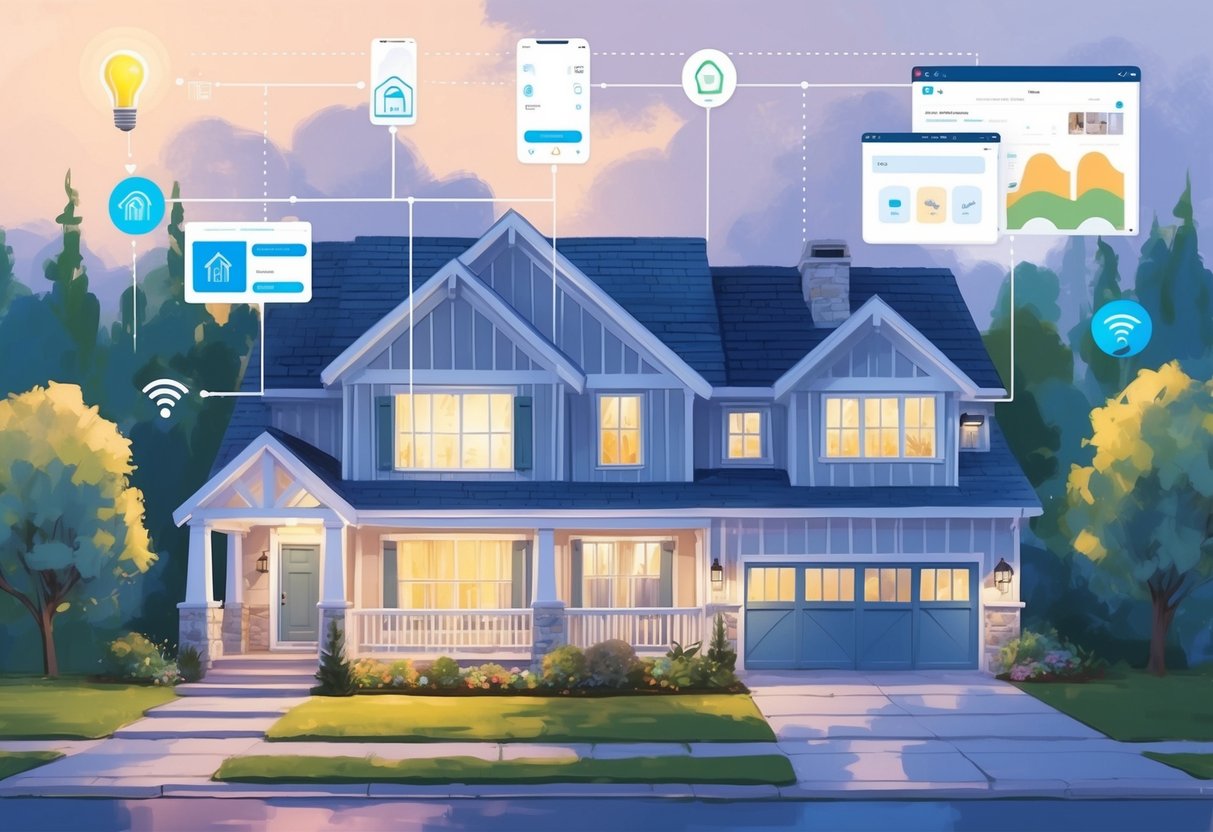 Automating short-term rentals can transform how you manage properties and increase passive income. By choosing the right tools, you can streamline operations and save time. We’ll explore key areas such as property management software, self-check-in systems, and smart home technologies.
Property Management Software Selection
Choosing the right property management software (PMS) is crucial. A good PMS acts as the central hub, helping manage bookings, guest communications, and property maintenance. Look for options that offer integration with third-party applications, enabling you to automate even further. Features to prioritize include automated messaging, booking calendar management, and real-time updates. A user-friendly interface makes daily tasks more efficient and reduces the learning curve. I always evaluate software by trying demos or trials to ensure it meets my needs. A good example is Hospiria, known for its comprehensive features in rental management.
Self-Check-In Systems
Self-check-in systems are a game-changer for hosts and guests alike. They eliminate the need for in-person key exchanges and provide guests with the flexibility to check in anytime. Smart locks and keyless entry devices are popular tools that can be managed remotely. These systems provide an extra layer of security by allowing me to change access codes between stays. Automated notifications inform guests of their check-in credentials, enhancing customer satisfaction. To implement effectively, I recommend choosing systems that integrate with your PMS to further streamline operations.
Smart Home Technologies
Incorporating smart home technologies enhances property appeal and boosts operational efficiency. Devices like smart thermostats, lights, and security cameras can be controlled remotely, giving you better control over the property’s environment. This not only improves guest experiences but also reduces energy costs. Imagine adjusting the home temperature just before guests arrive, creating a welcoming atmosphere. Look for devices that connect seamlessly with your property management tools and enhance the guest experience. Investing in reliable, easy-to-use tech pays dividends in the long run, saving both time and money.
Streamlining The Booking Process
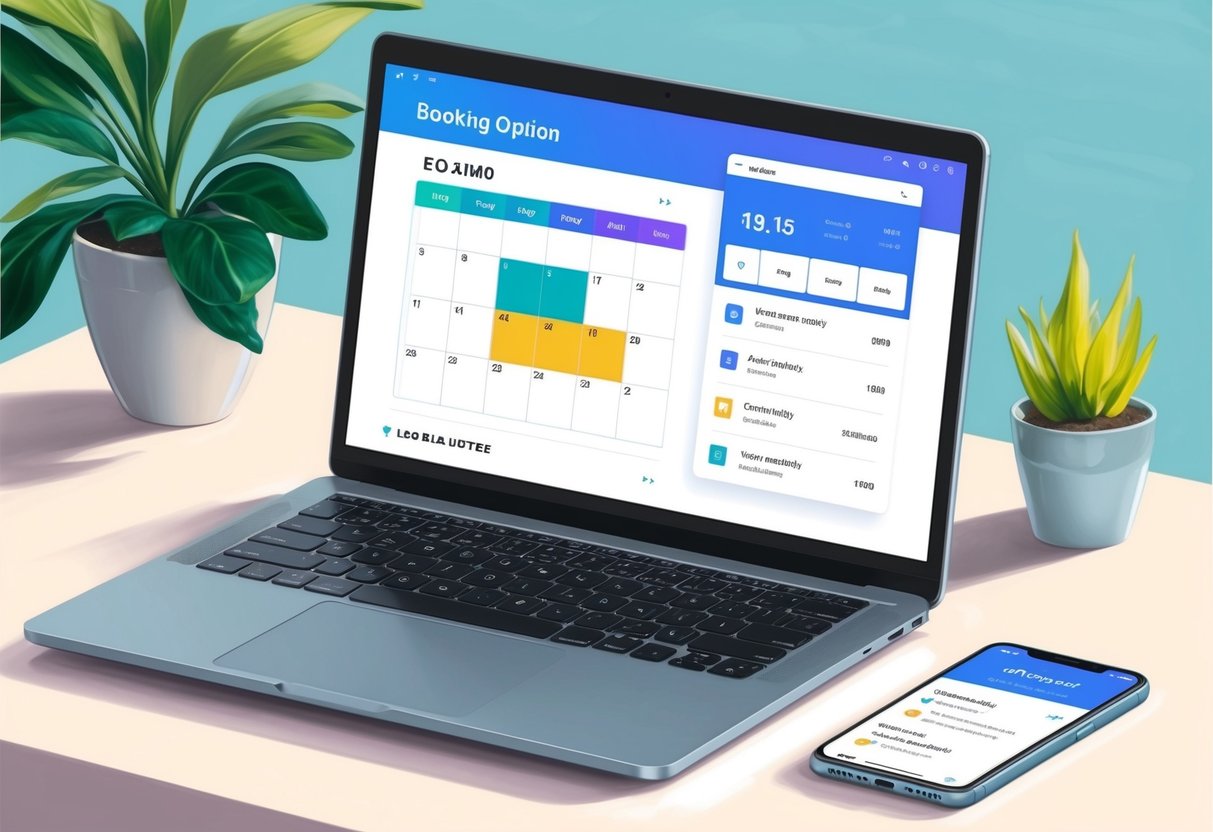 Automating the booking process in short-term rentals can save time and increase efficiency. By focusing on an effective listing, automated communication, and a smart pricing strategy, I can ensure a seamless experience for both myself and my guests.
Creating an Effective Listing
An effective listing captures attention and sets expectations. I focus on clear, attractive photos that highlight the property’s best features. Detailed descriptions are crucial, answering questions before guests ask them. What amenities stand out? Is the location easy to find? Optimizing my listing with essential keywords is another important step. Tools that provide insights into search trends can make my property more visible. Enhancing the readability with bullet points helps break up the information, making it digestible.
Automated Communication with Guests
Communication shouldn’t consume my time. Setting up automated messages ensures guests receive timely information without me lifting a finger. I use templates for inquiries, confirmations, check-in details, and post-stay thank-yous. Integration with property management systems simplifies this process. These systems can send messages based on triggers, such as booking confirmations or check-in reminders. While automation handles the routine messages, I stay available for personalized responses when needed, maintaining a personal touch.
Dynamic Pricing Strategy
Pricing isn’t static. To maximize revenue, employing a dynamic pricing strategy is key. Dynamic pricing tools evaluate factors like demand, local events, and competitor rates to adjust prices automatically. This keeps my property competitively priced without constant monitoring. How often should I adjust prices? Let the data guide me. Consistently updated prices attract more bookings and increase profits. Staying informed about local market trends helps tweak my strategy with precision. Implementing these tools makes pricing stress-free and profitable.
Operational Efficiency in Property Management
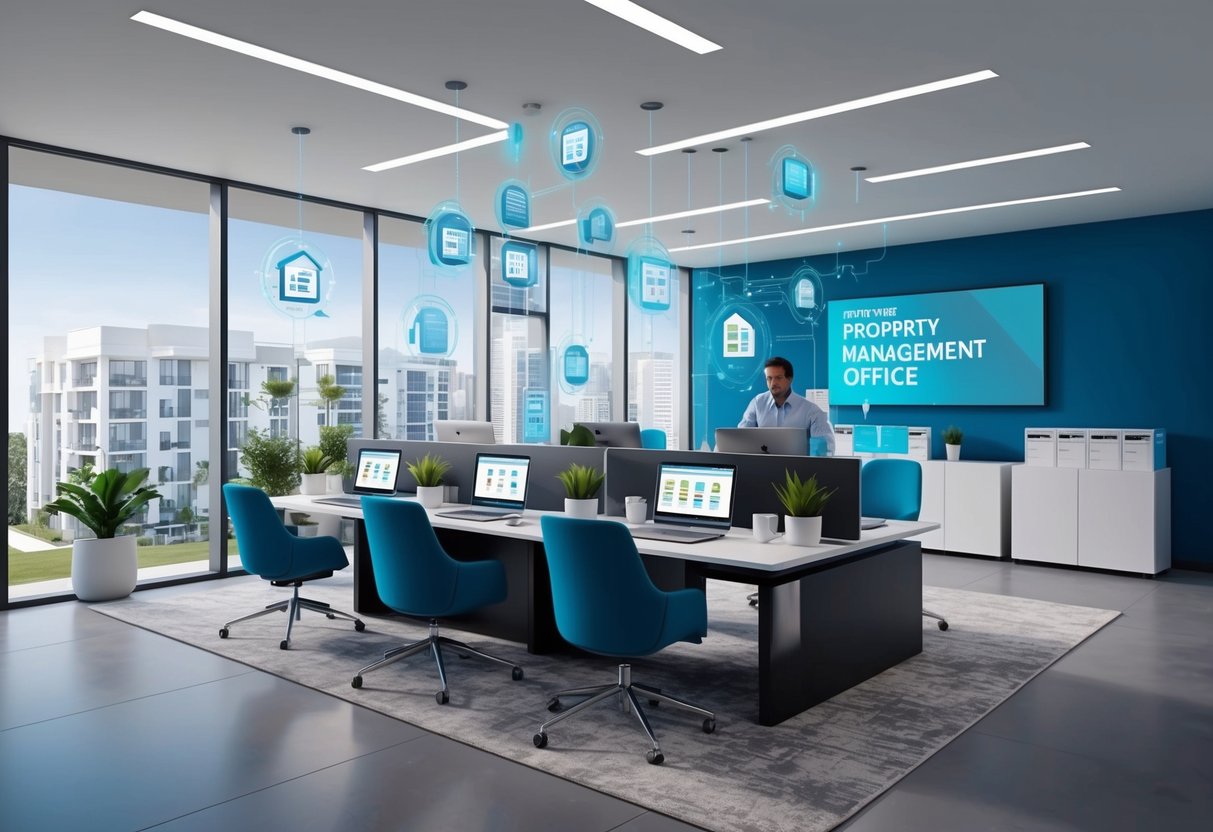 Running a short-term rental efficiently can lead to scalable, passive income. The key lies in automating daily tasks like maintenance and inventory management. This ensures properties are always guest-ready, cutting down on manual labor and reducing errors. With the right systems in place, property management becomes less about firefighting and more about strategy.
Maintenance and Housekeeping Coordination
Isn’t it frustrating when a leaky faucet ruins a guest’s experience? Keeping your property in top condition requires more than a last-minute call to a handyman. I use software to schedule regular inspections and maintenance. This proactive approach helps prevent small issues from turning into expensive repairs. Housekeeping is a pivotal part of guest satisfaction. Automation tools organize cleaning schedules, ensuring the property is spotless for every new arrival. This helps avoid missed appointments and ensures high standards are consistently met. My approach allows housekeepers to focus on quality, not logistics.
Inventory Management and Restocking
Have you ever thought about the importance of a well-stocked rental? From toiletries to kitchen essentials, guests expect a home-like experience. Automated inventory systems track stock levels, sending alerts when supplies run low. This application saves time and prevents last-minute shopping sprees. To streamline the process further, I set up automatic restocking orders for frequently used items. This guarantees that essentials are always available, reducing the stress of managing multiple properties. Implementing these systems transforms short-term rental management into a seamless, efficient operation where the details look after themselves, and I can focus on growth.
Legal and Financial Considerations
 Managing short-term rentals isn’t just about technology or guest experience. Getting the legal and financial parts right is crucial. You can’t afford to overlook local regulations, need sound accounting, and must secure proper insurance.
Understanding Local Regulations
Have you ever considered just how pivotal local laws are in the rental business? Cities and towns often set different rules for short-term rentals. These rules may cover aspects like operating licenses, safety standards, and occupancy limits. In some areas, you may even face restrictions or bans altogether. Taking time to research and comply with the local regulations can save you a lot of headaches. Check if you need a business license and stay updated on any new ordinances that might impact your operations. You might want to consult a local lawyer to keep everything above board. Following these regulations is not only a legal requirement but also a way to build trust with the community and local authorities.
Accounting and Tax Management
How do you keep track of your rental income without getting overwhelmed? The answer is systematic accounting. Accurate record-keeping is vital for understanding your financial health and obligations. This includes tracking rental income, expenses, and ensuring you understand deductions related to property management. One useful strategy is to use accounting software tailored for rental properties. It simplifies the process and helps automate many tasks like invoicing and payroll. But remember, software can’t replace professional advice. Consider hiring an accountant who specializes in rental properties to maximize benefits like cost segregation and depreciation. Don’t forget about the short-term rental tax loophole that can be a game-changer. It’s worth consulting with a tax professional to see how this might benefit you.
Insurance for Automated Rentals
Have you insured your investment fully? Standard homeowner’s insurance often falls short for short-term rentals, which can expose you to risks. Evaluating your insurance needs is critical. Look for a policy that covers the unique risks associated with short-term rentals, such as liability and property damages. Consider expanding your coverage to include specific rental property insurance. Some insurers offer plans that cater to short-term rentals, including loss of income coverage. Make sure to scrutinize what each policy covers and decide which fits your needs the best. Proper insurance is not just a safety net; it’s peace of mind for your growing business.
Marketing Your Automated Rentals
 Marketing your automated rentals is key to ensuring they stay occupied and profitable. By focusing on building a strong online presence, using social media effectively, and networking with local businesses, you can attract more guests and increase your revenue.
Building a Strong Online Presence
Have you ever considered how your rental looks online? Creating an inviting and professional online presence is crucial. Start by investing in high-quality photos and detailed descriptions of your property. Potential guests want to envision their stay, so include images of every room, as well as amenities like pools or kitchens. Using multiple booking platforms can also increase your property’s visibility. Platforms like Airbnb and VRBO have millions of users looking for their next vacation spot. Ensure that your listings on these platforms are complete, accurate, and updated regularly. Building a website for your rental can also attract direct bookings, saving you on platform fees. Highlight special promotions, local attractions, and unique features of your property. An engaging website builds trust and can make potential guests feel more connected to your rental.
Leveraging Social Media Platforms
Social media is not just for teenagers; it’s a powerful tool for marketing your rental. Platforms like Instagram and Facebook allow you to share stunning photos and updates that can attract potential guests. Who doesn’t love a beautiful sunset photo from a beachfront property? Creating engaging content is key. Share photos of your rental, local attractions, and guest experiences. Encouraging guests to tag your rental in their posts can increase exposure. Consistent posting keeps your rental in mind for future trips. Running targeted ads on these platforms can be an effective way to reach potential guests. You can target by location, interests, and more, ensuring your property gets seen by those most likely to book.
Networking with Local Businesses
Who do you know in your area? Networking with local businesses can drive more bookings. Partnering with restaurants, tour operators, and other attractions can offer guests a package experience. Offering discounts or special deals can make your rental more appealing. Local businesses can also provide referrals. Imagine a nearby coffee shop recommending your property to travelers. This mutual relationship can benefit both parties. Attend local business events and trade shows to establish these connections. Building strong relationships within your community not only boosts your rental’s exposure but also enhances the guest experience. Guests who feel connected and informed about the area often have better stays and leave glowing reviews.
Guest Experience Enhancement
 Improving guest experience in short-term rentals can set a property apart from the competition. Key strategies include offering personalized services tailored to guest preferences and managing reviews effectively to boost credibility and attract new guests.
Offering Personalized Services
In today’s fast-paced world, guests appreciate when hosts go the extra mile to personalize their stay. I use artificial intelligence to analyze booking patterns and guest preferences. This way, I can suggest activities or amenities that match their interests. With personalized itineraries or special touches like a favorite snack waiting for them, guests feel valued and unique. Focusing on local attractions that guests might enjoy can further enhance their experience. For example, if a guest prefers a quiet atmosphere, I recommend nearby parks or serene cafes. This tailored approach can turn a simple stay into a memorable adventure. Offering custom services not only increases guest satisfaction but also encourages repeat visits.
Soliciting and Managing Reviews
Guest feedback is crucial for improving rental services. After each stay, I make it a priority to ask guests for reviews. This feedback loop not only helps me understand what went well but also pinpoints areas for improvement. Managing reviews effectively means responding promptly to both positive and negative comments. By addressing concerns and thanking guests for their input, I showcase my commitment to quality. Positive reviews boost the rental’s credibility, attracting potential guests. According to reports from Guesty, AI tools can help manage this process by organizing feedback efficiently. Robust review management leads to better online presence, which is vital for maintaining an edge in the short-term rental market.
Analyzing Performance and Scaling Up
 To maximize income from short-term rentals, tracking and understanding the market is crucial. By examining data and applying strategic approaches, you can expand your rental portfolio effectively and profitably.
Data Analysis for Business Intelligence
One of the most powerful tools I use to boost my rental business is data. Why leave it to chance when insights are available? I focus on market trends and performance metrics to make informed decisions. By monitoring occupancy rates, average daily rates, and revenue per available room, I can quickly gauge the health of my business. You might wonder how all this data fits into your strategy. I rely on property management systems that integrate with third-party applications to keep things smooth. These systems help automate daily processes and compile reports. I can spot what’s working and what needs tweaking, ensuring my properties perform at their best.
Strategies for Portfolio Expansion
It’s not just about identifying top-performing rentals but leveraging that data to grow. I consider aligning investments with rising tourist hotspots or capitalizing on seasonal demands. Knowing which locations have potential allows me to invest wisely. I often adopt automation tools to maintain consistent service across multiple properties. Syncing listings and automating responses make scaling up easier. By focusing on efficient operations, I prevent quality dips and enhance guest experiences. The result? A scalable, profitable set of properties that work for me, even when I’m not working them. Engaging the right technology and strategies keeps my portfolio’s momentum going strong, setting the stage for continued success.