Have you ever wondered how you can make your eCommerce business truly hands-off while maintaining a steady income?
Automating inventory management can be your gateway to passive income.
By integrating advanced technology, you can ensure your products are always in stock, customers are satisfied, and your business thrives even while you sleep.

Imagine waking up to reports of sales without manually adjusting stock levels or managing orders. Automation in inventory not only frees up your time but also increases accuracy and efficiency in your business operations.
With tools and software available today, you can easily transform a stress-inducing task into a seamless process that keeps everything running smoothly.
Automation isn’t just about saving time; it’s about generating a reliable income stream. How does that sound for a change?
By leveraging automation, you maintain better control and insight into your business, allowing you to focus on growth and innovation.
Key Takeaways
- Automating inventory maximizes passive income potential.
- Technology simplifies stock management and improves accuracy.
- Automation enhances customer satisfaction and business efficiency.
Understanding eCommerce Automation
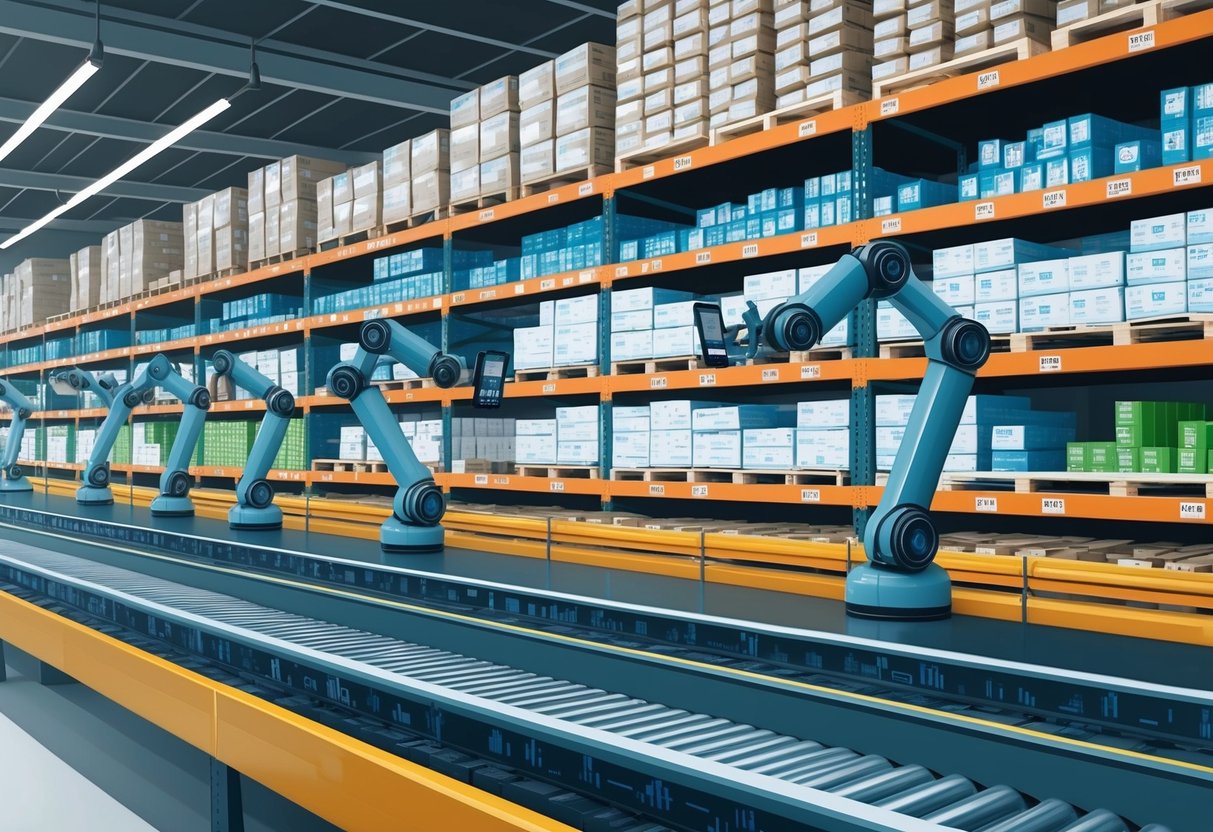
In today’s fast-paced digital landscape, automating your eCommerce business can be a game-changer. By implementing the right strategies, you can enhance efficiency, save time, and boost profitability.
Defining Automation in Online Business
Automation in online business refers to the use of technology to perform tasks without human intervention. This encompasses everything from inventory management to customer service.
What does this mean for your eCommerce platform? Imagine having a system where orders are processed automatically, stock levels are updated in real-time, and customer inquiries are answered instantly.
Automation streamlines processes, reducing human error and freeing up your time to focus on growth and strategy.
Benefits of Automating an eCommerce Business
Automation offers several benefits for online retail operations. First, it decreases operational costs by minimizing the need for manual labor.
With automated systems, tasks that once required human input — like reordering stock or sending marketing emails — are handled swiftly and accurately.
Furthermore, automation supports scalability. As your business grows, your automated systems can handle increased demand with ease.
Lastly, it enhances customer satisfaction by providing quick responses to customer needs and ensuring a seamless shopping experience.
Key Areas for eCommerce Automation
Key areas for automating an online business include inventory management, order processing, and customer service.
For inventory management, automated systems track stock levels and reorder products automatically, preventing stockouts and overstocking.
In order processing, automation ensures orders are fulfilled promptly, improving delivery times.
For customer service, chatbots and automated email responses provide timely support, enhancing the customer experience.
By leveraging these automated processes, eCommerce platforms can operate more efficiently and effectively in the competitive online marketplace.
Inventory Management Essentials

In today’s fast-paced eCommerce world, effective inventory management isn’t just a task—it’s a crucial part of creating a reliable passive income. By focusing on preventing stock issues and using real-time data, I can ensure a seamless supply chain.
The Role of Inventory Management in eCommerce
Why is inventory management vital in eCommerce? It’s about balancing supply and demand. If I can keep enough products in stock to meet customer needs without overstocking, I’ve hit the sweet spot.
This involves understanding trends, predicting customer behavior, and optimizing stock levels.
Good inventory management also reduces costs. Holding too much stock ties up money. On the other hand, too little stock can turn customers away.
Successful management strikes a balance, thus enhancing profits and boosting customer satisfaction. Automation tools now make tracking and adjusting inventory easier than ever.
Preventing Stockouts and Overstocking
Stockouts and overstocking are eCommerce nightmares. When I run out of products, I risk disappointing customers and losing sales. Conversely, excess stock can lead to wasted resources. How do I stop these problems? By leveraging data and projections.
Using systems that analyze sales trends and forecast demand helps keep inventory levels just right. Automated reorder points ensure stock is replenished before it runs out.
Additionally, integrating order management with inventory systems cuts down on inaccuracies. In short, balance paves the way to meeting customer expectations and maintaining profitability.
Inventory Tracking and Real-Time Data
Real-time inventory tracking transforms eCommerce. It allows constant monitoring and provides up-to-date information.
When I use real-time data, I can see what’s selling and what isn’t, instantly. This enables swift decisions on restocking and product offerings.
Cloud-based tools effectively update stock details across all sales channels. Having this information means I can promptly adapt to changes, minimizing delays and discrepancies in the supply chain.
Moreover, staying agile helps manage orders efficiently, ensuring the whole process runs smoothly.
Technological Advancements in Inventory Management

Inventory management is swiftly evolving, thanks to cutting-edge technologies. These advancements bring efficiency and accuracy, transforming how businesses handle their products. Let’s explore some of these innovations and their impact.
Artificial Intelligence and Machine Learning
Artificial intelligence and machine learning are making a big splash in inventory management. How? AI systems can process vast amounts of data, spotting trends and patterns that might be missed by the human eye.
With these insights, businesses can enhance their stocking strategy to meet customer demands effectively.
Machine learning models even learn from historical sales data to predict future inventory needs. This predictive power allows companies to maintain optimal stock levels and reduce waste.
It’s all about smarter decision-making and creating leaner operations.
Predictive Analytics and Data Analysis
Predictive analytics takes a bunch of data and turns it into actionable insights. Why guess when you have precise forecasts to guide your inventory choices?
By analyzing past sales data, you can better anticipate demand fluctuations, ensuring your shelves aren’t bare when your customers come calling.
Data analysis tools dig into every corner of your operation. They evaluate purchasing patterns, seasonality, and even economic indicators.
With these details at your fingertips, you’re positioned to adjust your inventory plans before sudden changes impact your business.
Robotics and Automated Systems
Robots aren’t just for sci-fi—they’re revolutionizing how we manage inventory. Automated systems can handle repetitive tasks like stocking, picking, and packing with precision.
They don’t tire or make mistakes, increasing efficiency and freeing up human workers for more complex roles.
Warehouses equipped with robotics can scale operations quickly, adjusting to peak season demands. These smart systems track items in real-time and ensure that nothing gets lost in the shuffle.
Imagine an operation where everything runs like clockwork, all thanks to technology driving automation.
Maximizing Revenue Through Automation
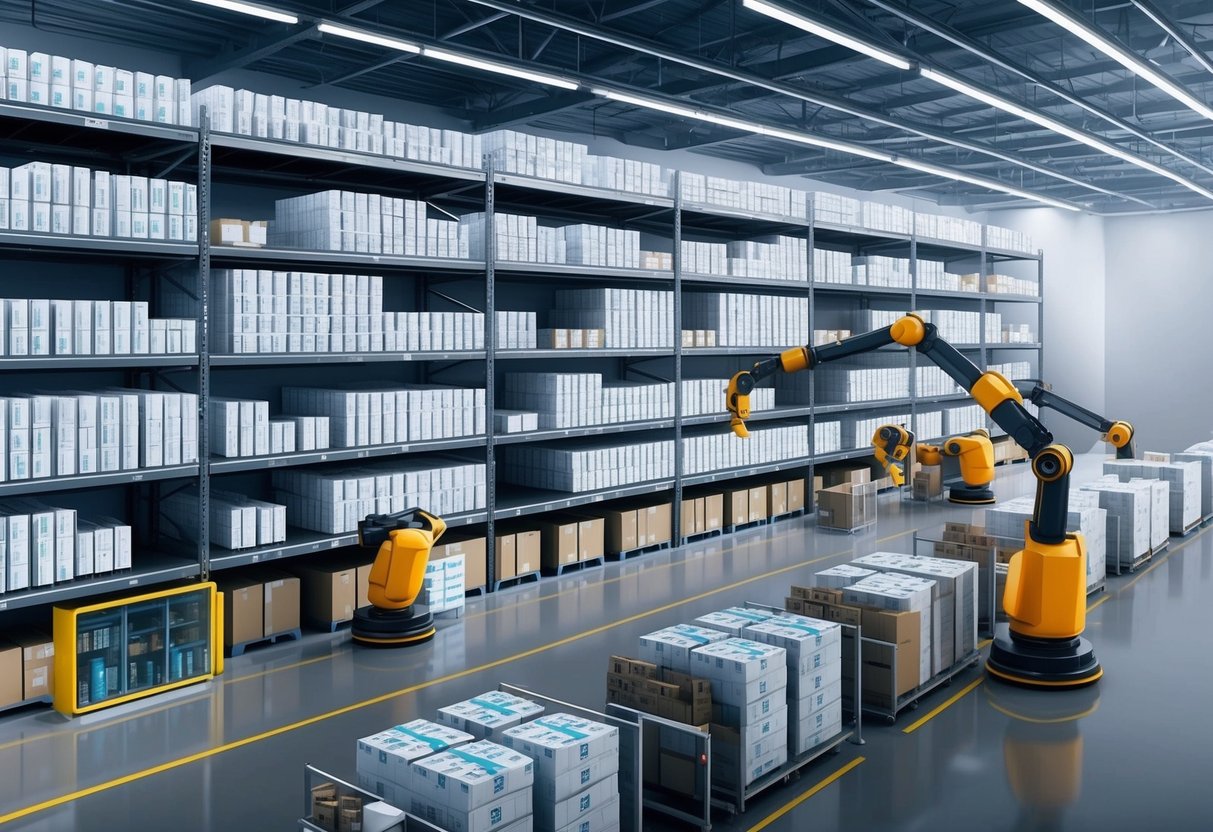
Automation is a powerful tool for increasing revenue, giving eCommerce businesses a competitive edge. By improving customer experience, streamlining marketing efforts, and optimizing order fulfillment, businesses can enhance their profit margins and generate more passive income.
Enhancing Customer Experience with Automation
A seamless customer experience is vital for boosting revenue. I focus on using automation to personalize interactions and streamline service.
For instance, chatbots can respond instantly to customer inquiries, reducing wait times and increasing satisfaction. This boosts conversion rates as customers are more likely to purchase from a responsive company.
Automated email campaigns can deliver personalized product recommendations based on past purchases, leading to higher sales.
By tracking customer behavior, I can ensure that marketing efforts align with what customers actually want.
This not only enhances the shopping experience but also drives repeat business, which is essential for sustainable profit growth.
Automated Marketing for Strategic Growth
Automated marketing systems transform how I reach potential customers. By using tools that handle targeted ads and personalized email campaigns, I can effectively engage with various customer segments without hands-on involvement.
These systems analyze customer data, segmenting audiences based on behavior and preferences.
This way, targeted messages reach the right people at the right time.
The result? Increased revenue through higher conversion rates and improved customer loyalty. With strategic automation, I don’t just cut costs—I boost my marketing impact efficiently.
Optimizing Order Fulfillment
Order fulfillment is a crucial area where automation can significantly impact profit margins.
Automated systems have the capability to handle order processing, inventory tracking, and even returns management. This reduces errors, ensures timely deliveries, and keeps costs low.
For instance, an eCommerce platform using automated systems can track stock levels in real time and reorder products as needed.
This minimizes storage costs and out-of-stock scenarios, directly enhancing revenue by meeting customer demand promptly. With efficient fulfillment, I enhance the entire supply chain, making my business more profitable and capable of sustaining passive income over time.
Improving Customer Engagement and Satisfaction

In today’s digital world, keeping customers engaged and satisfied is key to building a successful eCommerce business. Automation can help streamline customer service, personalize marketing, and create a responsive feedback loop.
Automated Customer Service Tools
Have you ever waited endlessly on hold, just to ask a simple question? Automated customer service tools, like chatbots, can be lifesavers by providing instant responses 24/7.
These tools can handle basic inquiries, such as order tracking or product availability, freeing up human agents for more complex issues.
Instant feedback from chatbots can guide me in optimizing inventory or identifying trends. By using customer data, I can improve service strategies, resulting in happier and more loyal customers.
Personalized Marketing and Email Campaigns
How often do we ignore emails that don’t speak to us personally? With personalized marketing, I can target emails and campaigns based on demographics, purchase history, or activity on my site.
It’s about sending the right message, to the right person, at the right time.
Automated systems can segment my audience and curate offers that resonate deeply.
This personalization not only captures attention but also drives sales and improves customer engagement.
Every message I send should reflect an understanding of the customer’s needs, creating an emotional connection. This strategy builds a stronger bond, increasing the likelihood of repeat purchases. Who doesn’t love a personalized touch in today’s impersonal world?
Feedback Loop and Customer Interaction
Honest feedback is gold for any business. Creating an effective feedback loop allows me to understand and improve my offerings.
How can I ensure my customers are happy? By actively seeking their opinions and making improvements based on their suggestions.
Automated surveys and feedback forms, sent post-purchase, gather valuable insights without much effort. This feedback loop allows me to adjust strategies quickly for maximum impact.
Seeing a recurring issue? It’s an opportunity to tweak and refine, turning problems into chances for growth.
Imagine engaging customers in a dialogue that shows their voices truly matter. This ongoing interaction creates trust and satisfaction, encouraging them to return – the ultimate goal in any eCommerce endeavor.
Integration and Implementation

In today’s competitive market, automating inventory management is crucial for creating passive income through ecommerce. Integrating the right tools can streamline processes and enhance efficiency while maintaining security and data privacy.
Tools and Platforms for eCommerce Automation
When considering ecommerce automation, I often look at platforms like Shopify and WooCommerce. Why? These platforms provide robust automation options that can help manage your inventory and other ecommerce needs.
Using automation software, you can simplify tasks such as order processing and stock level updates. Apps like Klaviyo and Mailchimp are great for integrating customer communication and marketing automation, creating a seamless workflow that requires minimal manual intervention.
Seamless Integration of Automated Services
How do these automated tools integrate seamlessly? It’s all about connecting the different elements of your business.
Let’s use Shopify as an example. Its integration features are designed to connect inventory systems with sales, marketing, and customer service.
Imagine having all these services talking to each other without a glitch. That’s the magic of seamless integration.
It ensures your inventory is always updated, preventing issues like overselling or stockouts. The right integrations can transform your ecommerce business into a smoother, more efficient operation.
Security and Data Privacy
With automation, security and data privacy are paramount. How do I keep my data safe?
Implementing robust security measures is essential to protect against data breaches.
Using secure platforms like Shopify and WooCommerce provides built-in safeguards. Regular updates and encryption are vital to protect sensitive information.
Additionally, having clear data privacy policies reassures customers that their personal data is handled responsibly.
It’s about building trust with your customers and ensuring their information is secure.
Automated tools should incorporate advanced security features to shield against potential cyber threats while maintaining the smooth operation of your ecommerce business.
Specialized Aspects of eCommerce Automation
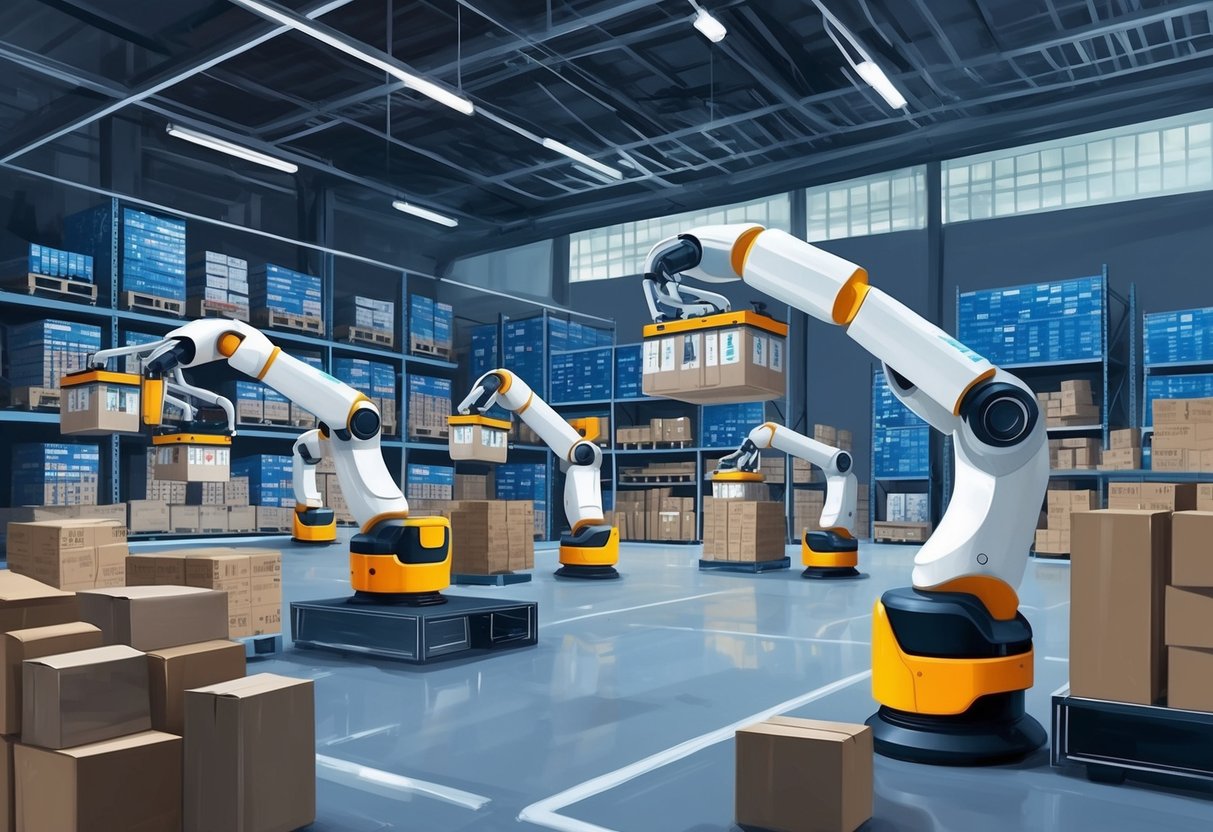
In the world of eCommerce, automation is a game-changer. It makes processes smoother, saves time, and boosts efficiency. Here, I explore how automation refines and enhances specific areas like dropshipping, accounting, and loyalty programs.
Dropshipping and Print-on-Demand Services
Have you ever wondered how to sell without the hassle of managing inventory? Dropshipping and print-on-demand are revolutionary in this regard. They allow you to sell products without worrying about stock or delivery.
In dropshipping, products go straight from the supplier to the customer, eliminating storage costs and risks.
Print-on-demand takes customization to a new level. You can offer products tailored with unique designs, which are only created once an order is placed. This model reduces waste, lowers inventory costs, and caters to personalized consumer demands.
These services are essential for keeping your eCommerce business robust and responsive.
Accounting and Financial Management
Managing money can seem like a daunting task, but automation makes it clear and straightforward. Automated accounting systems track expenses, manage invoices, and reconcile transactions seamlessly.
They help you stay on top of your finances without the day-to-day grind of manual bookkeeping.
Wouldn’t it be great to have a clear picture of your business’s financial health at all times?
Financial management automation can also forecast cash flow and profitability. This gives you a clear roadmap to achieving financial freedom.
With these systems in place, you reduce risk and gain peace of mind, letting you focus on growth and strategic decisions.
Loyalty Programs and Rewards Systems
How do you keep customers coming back? Loyalty programs backed by automation offer solutions.
Automated systems can track purchases and reward customers efficiently, encouraging repeat business. Personalization is key here—tailored offers and rewards can make customers feel valued.
Automated loyalty programs can analyze customer data to create personalized shopping experiences, enhancing satisfaction and reliability.
This kind of strategy not only retains customers but also increases their lifetime value.
Implementing these systems makes sense if you are seeking sustainable growth and customer engagement in your eCommerce venture.
Trends and Future Directions
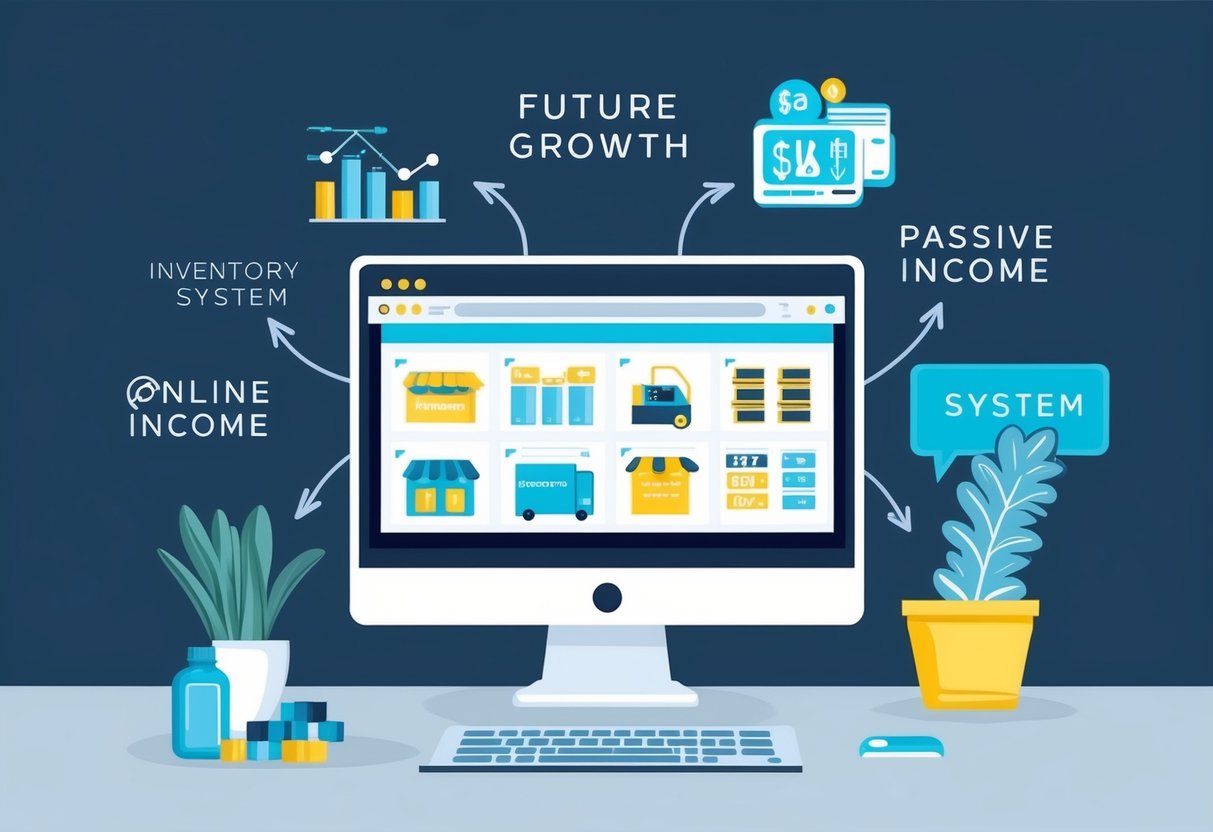
Automation in inventory management is driving change in eCommerce, transforming how businesses operate in the digital marketplace. Key areas include evolving consumer trends, the push towards sustainability, and how automation enables strategic growth and scalability.
Evolving Consumer Trends and Market Research
I’ve noticed that consumer trends shape the eCommerce landscape. Nowadays, buyers want convenience and personalization.
With market research, I can tap into these desires, making my eCommerce business more competitive. The right data helps forecast demand accurately, reducing overstock and stockouts.
By integrating these insights, I tailor my offerings, aligning with what customers want.
Adapting to these trends not only keeps my business relevant but also puts me ahead in the digital marketplace.
It’s all about staying tuned into what the market tells me and acting fast.
Sustainability in eCommerce
Sustainability is no longer just a buzzword; it’s a necessity. With consumers demanding eco-friendly products, I’m focused on integrating sustainable practices into my inventory management.
By reducing waste and optimizing supply chain operations, I not only satisfy eco-conscious consumers but also enhance efficiency.
Automating these processes means I can quickly adapt to sustainable methods without the usual disruptions.
As I view it, embracing sustainability isn’t just good for the planet—it’s a strategic growth move that resonates with more consumers every day.
It’s an approach that matches well with both my business values and my customer’s expectations.
The Impact of Automation on Scalability and Growth
Why is automation crucial for scaling a business? The answer lies in its ability to streamline operations and reduce manual errors.
Through advanced automation systems, I can handle larger inventories without being overwhelmed. Real-time inventory updates and automated categorization allow me to scale my business easily while maintaining control.
Scalability becomes seamless, enhancing growth potential and positioning my business to tackle larger challenges.
In the digital marketplace, where speed and accuracy matter, automation is my key to unlocking new heights and ensuring strategic growth.
It’s about expanding smartly, not just broadly, taking advantage of the technology available to us today.
Evaluating and Measuring Success
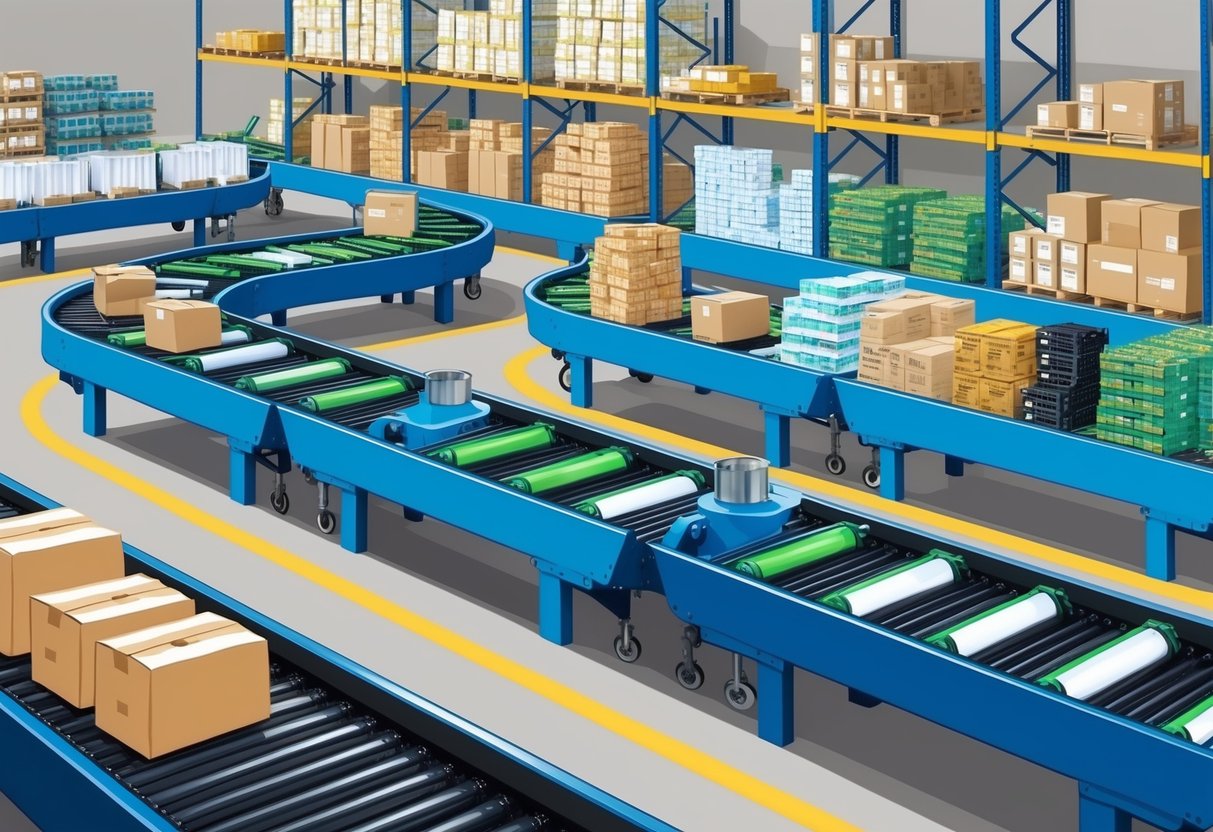
To ensure the success of automating inventory management for eCommerce passive income, it’s crucial to establish clear performance metrics, analyze customer behavior and sales data, and adjust strategies based on analytics.
Setting Performance Metrics for Automation
Metrics are my compass in the world of automation. Without them, evaluating success is like flying blind.
I focus on key performance indicators such as inventory turnover rate, accuracy, and stockout rates. These metrics help gauge how effectively the automation is running.
Is the inventory turning over as expected? Are stock levels at optimal levels?
Creating a balanced scorecard can be useful. It outlines financial and customer-related metrics, with operational benchmarks.
Disseminating this information can ensure every team member understands the automation objectives.
Performance metrics guide decision making, ensuring actions are aligned with business goals. They help pinpoint areas for improvement, whether in inventory management, sales forecasts, or marketing automation.
Analyzing Customer Behavior and Sales Data
Sales data offers a treasure trove of insights. I analyze patterns in customer purchases, average order values, and seasonal changes.
How are customers interacting with my store? What products are flying off the shelves, and why?
Understanding these aspects is key to refining inventory automation strategies.
Tools like heat maps and analytics platforms can shed light on customer behavior.
Identifying high-traffic areas on the website and successful keywords can feed into marketing automation efforts.
Sales data backed by customer insights allows for precise adjustments in stocking decisions, ensuring that high-demand items are always available to maximize sales opportunities.
Adjusting Strategies Based on Analytics
Once I have a grasp on the metrics and customer data, it’s time to adjust strategies.
Analytics is not static; it evolves with time. The insights drawn from the data analytics inform my approach.
What new patterns have emerged? Are there missed opportunities I am not capitalizing on?
Using forecasting models helps in predicting future sales trends, adjusting inventory orders accordingly.
Regularly reviewing these analytics aids in fine-tuning the automation processes.
Timely adjustments mean staying ahead of potential bottlenecks or declines.
With an agile approach, I improve sales forecasting, boost decision making, and maintain a well-oiled eCommerce operation.