
Cape Cod is a hidden gem for real estate investors. I’ve been watching this market closely, and it’s showing some exciting potential.
Investing in Cape Cod real estate can be a smart move, with strong demand and desirability driving property values up.

Have you ever dreamed of owning a piece of paradise? Cape Cod offers just that. With its beautiful beaches, charming towns, and rich history, it’s no wonder people are flocking to this Massachusetts coastal region.
But it’s not just about the scenery - it’s about the opportunity.
I’ve seen firsthand how investment properties in Cape Cod can generate solid returns. Whether you’re looking at vacation rentals or long-term leases, the rental market here is robust.
Plus, with the right property management, you can turn your investment into a passive income stream.
Key Takeaways
- Cape Cod’s real estate market offers strong investment potential due to high demand and desirability
- Diverse property types cater to both vacation rentals and long-term leases, providing flexible investment options
- Local expertise is crucial for navigating Cape Cod’s unique real estate landscape and maximizing returns
Understanding the Cape Cod Real Estate Market
The Cape Cod real estate market is unique and dynamic. It offers diverse opportunities for investors, with factors like seasonal demand and limited land impacting property values.
Market Dynamics and Key Indicators
I’ve noticed that Cape Cod’s real estate market is driven by strong demand and desirability. The area’s natural beauty and vacation appeal make it a hot spot for both permanent residences and second homes.
Median sales prices have been on the rise, with single-family homes reaching $795,000 in September 2023. This represents a significant 17.8% increase year-over-year.
What does this mean for you as an investor? It signals potential for appreciation. But remember, real estate is local. Each of Cape Cod’s 15 towns has its own market characteristics.
For example, in 2018, median sale prices varied widely between neighboring towns like Harwich ($433,250) and Chatham ($746,200).
Inventory and Property Types
When I look at Cape Cod’s inventory, I see a market with limited supply and diverse property types. The region offers:
- Single-family homes
- Condominiums
- Vacation rentals
- Luxury properties
Inventory levels have been tight, contributing to price increases. This scarcity can create opportunities for savvy investors. But it also means you need to act fast when the right property comes along.
Have you considered the luxury market? It’s been growing, driven by high-end buyers seeking coastal retreats. This segment could offer interesting prospects if you’re looking to diversify your portfolio.
What about seasonality? Cape Cod’s market fluctuates with tourist seasons. This can affect both property prices and rental income potential. Are you prepared to navigate these cyclical patterns?
Investment Properties in Cape Cod
Cape Cod offers unique opportunities for savvy real estate investors. The region’s charm and popularity make it a prime location for those looking to grow their wealth through property.
Evaluating Investment Opportunities
When I look at investment properties in Cape Cod, I focus on location and potential return. Is the property near popular beaches or attractions? How’s the rental market? These factors can make or break an investment.
I always check local zoning laws. Some areas have strict rules about short-term rentals. It’s crucial to know these before buying.
What about property condition? A fixer-upper might seem cheap, but renovation costs can add up fast. I prefer properties that need minimal work to start generating income.
Don’t forget to consider seasonal demand. Cape Cod’s peak season is short. How will you cover costs during off-months? Year-round rental potential is a big plus in my book.
Condos and Vacation Homes
Condos and vacation homes in Cape Cod can be goldmines if chosen wisely. Why? They’re often easier to maintain and can attract a steady stream of vacationers.
Condos usually come with lower purchase prices than single-family homes. This means a lower barrier to entry for new investors. Plus, many condo associations handle exterior maintenance, saving you time and hassle.
Vacation homes, on the other hand, offer more flexibility. You can use them yourself part of the year and rent them out the rest. This dual-purpose approach can help justify the investment.
But be careful. High-end properties might seem tempting, but they often come with hefty price tags and maintenance costs. I look for mid-range options that appeal to a broader market.
Remember, location is key for both condos and vacation homes. Properties near popular spots like Falmouth or Mashpee tend to have better rental potential.
The Rental Market Landscape

Cape Cod’s rental market offers exciting opportunities for savvy investors. The area’s unique blend of seasonal demand and year-round appeal creates a dynamic landscape for rental properties.
Vacation Rentals and Seasonality
Cape Cod’s vacation rental scene is booming. Summer months see a surge in demand, with tourists flocking to our beautiful beaches and quaint towns. But don’t think it’s just a summer game. Fall foliage and winter getaways are gaining popularity too.
I’ve seen vacation rentals fetch premium rates during peak seasons. It’s not uncommon for a well-located property to be booked solid from June to August.
Off-season? That’s when creativity pays off. I’ve found success offering special packages for shoulder seasons. Think romantic autumn weekends or cozy winter retreats.
Rental Rates and ROI
Let’s talk numbers. Cape Cod’s rental rates can be eye-opening for first-time investors. Prime locations during peak season? They can command top dollar.
I’ve seen single-family homes in popular areas rent for $3,000 to $5,000 per week in summer. Even small condos can fetch $1,500 to $2,500 weekly.
But what about ROI? It’s all about smart buying and efficient management. A well-chosen property can yield returns of 6-10% annually. Some of my best performing rentals have paid for themselves in just 10-15 years.
Remember, location is key. Properties near beaches or in historic towns often see the highest returns. But don’t overlook up-and-coming areas. They might offer better entry prices and growth potential.
Navigating Real Estate Transactions
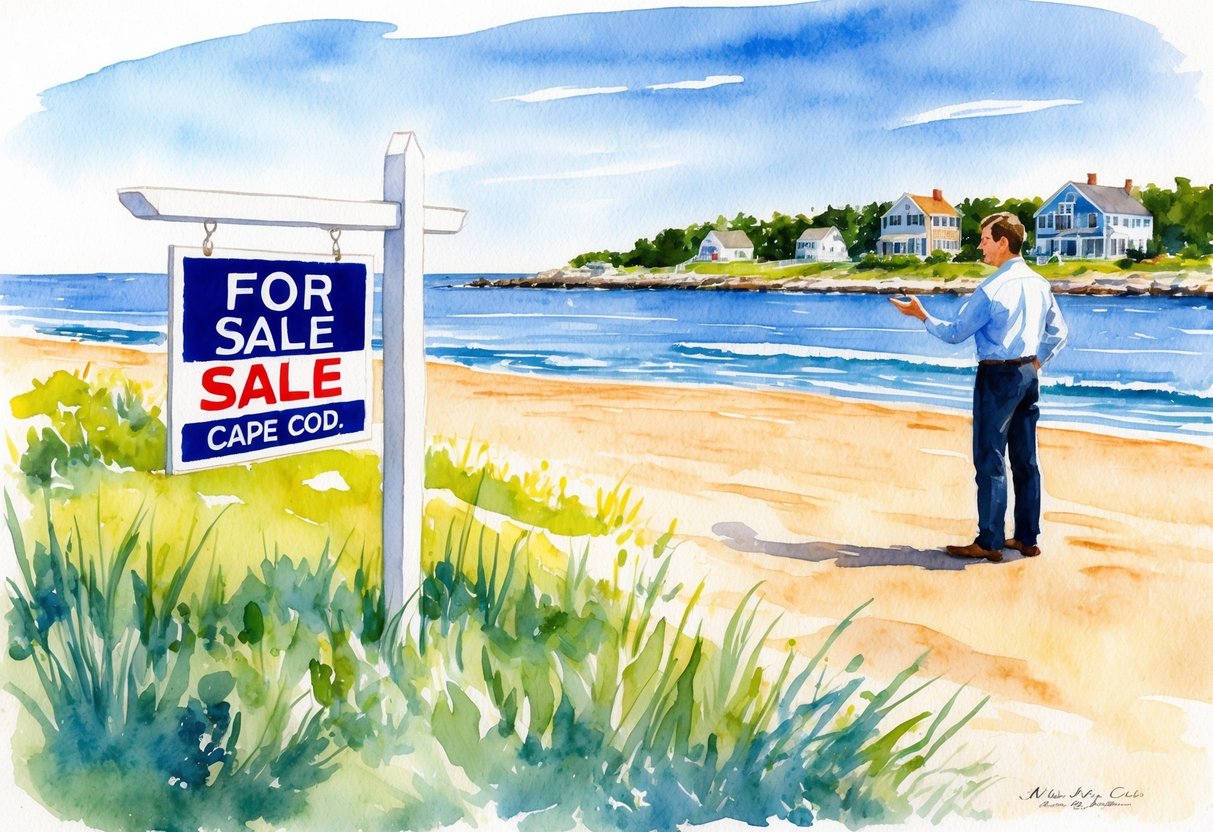
Cape Cod’s real estate scene can be tricky. But with the right knowledge and help, you can make smart moves. Let’s look at how to pick the best people to work with and understand some key rules of the game.
Choosing Real Estate Agents and Brokerage Firms
Finding the right agent is crucial. I always tell my clients to look for someone who knows Cape Cod like the back of their hand. Why? Because local insight is priceless. A good agent will know about hidden gems and potential pitfalls.
When picking a brokerage, size isn’t everything. Some folks think bigger is better, but that’s not always true. I’ve seen small firms give amazing service. What matters most? Look for a firm with a solid track record in Cape Cod deals.
Don’t be shy about asking questions. How many Cape Cod homes have they sold? What’s their take on the market? A top-notch agent will give you straight answers and help you navigate the competitive market.
Understanding Broker Reciprocity
Broker reciprocity is a game-changer, but what is it? Simply put, it’s a system where real estate brokers share listing info with each other. This means you get access to more properties, even if your agent didn’t list them.
Why does this matter? It opens doors, literally. You’re not limited to just one firm’s listings. This is huge in a place like Cape Cod where good properties can be hard to find.
But here’s the catch - not all brokers play by the same rules. Some might hold back certain listings. That’s why it’s key to work with a realtor who’s fully on board with reciprocity. They’ll give you the full picture of what’s out there.
Geographic Desirability in Cape Cod

Cape Cod’s appeal as a real estate investment hotspot stems from its stunning beaches, rich history, and limited land availability. I’ve found that understanding the area’s geography is key to making smart investment choices.
Identifying Investment Opportunities by Location
Cape Cod’s unique shape offers diverse investment options. The Upper Cape, closer to the mainland, tends to be more affordable. But have you considered the potential in the Outer Cape? It’s where you’ll find some of the most sought-after vacation destinations.
I always look for properties near popular beaches or historic town centers. These areas often see high rental demand and strong appreciation. Remember, location is everything in real estate!
Water views can significantly boost a property’s value. Even a partial ocean view can make a big difference. I’ve seen homes with water views fetch 20-30% more than similar properties without them.
Chatham, Orleans, and Other Key Locations
Chatham and Orleans stand out as prime investment spots. Why? They offer a perfect blend of charm, amenities, and natural beauty.
Chatham, with its picturesque lighthouse and vibrant Main Street, attracts tourists year-round. I’ve noticed property values in Chatham tend to hold steady even in tougher markets.
Orleans, known for its beautiful beaches and art scene, is another gem. It’s slightly less expensive than Chatham but still offers great investment potential.
Don’t overlook towns like Brewster or Harwich. They offer a quieter vibe and can be more budget-friendly. I’ve found some great deals in these areas that have paid off handsomely over time.
Future Trends and Market Predictions

Cape Cod’s real estate market is poised for exciting changes in the coming years.
I’ve analyzed the data and spotted some key trends that savvy investors should keep an eye on.
Long-term Growth and Market Health
Are you ready to tap into Cape Cod’s real estate potential? I’ve seen firsthand how this market has evolved, and I’m excited about its future.
The demand for properties in Cape Cod is expected to remain strong, driven by the region’s natural beauty and desirable lifestyle.
I predict we’ll see steady long-term appreciation in Cape Cod real estate. Why? The area’s limited land supply and continued popularity as a vacation destination create a perfect recipe for value growth.
But here’s the kicker: rising interest rates could impact borrowing costs. Smart investors will need to factor this into their calculations.
On the flip side, higher rates might cool competition slightly, creating opportunities for those ready to move quickly.
What about the luxury market? I’m seeing signs of growth in high-end properties. This could be a golden opportunity for investors looking to diversify their portfolios with premium assets.