
If you’re like me, you might wonder if your hard work and savings will ever truly pay off. The old advice of “just keep saving” feels a bit tired these days, doesn’t it?
Real estate investing in Casper, WY can offer a practical path to new opportunities, especially for those who want more than what traditional investments deliver.
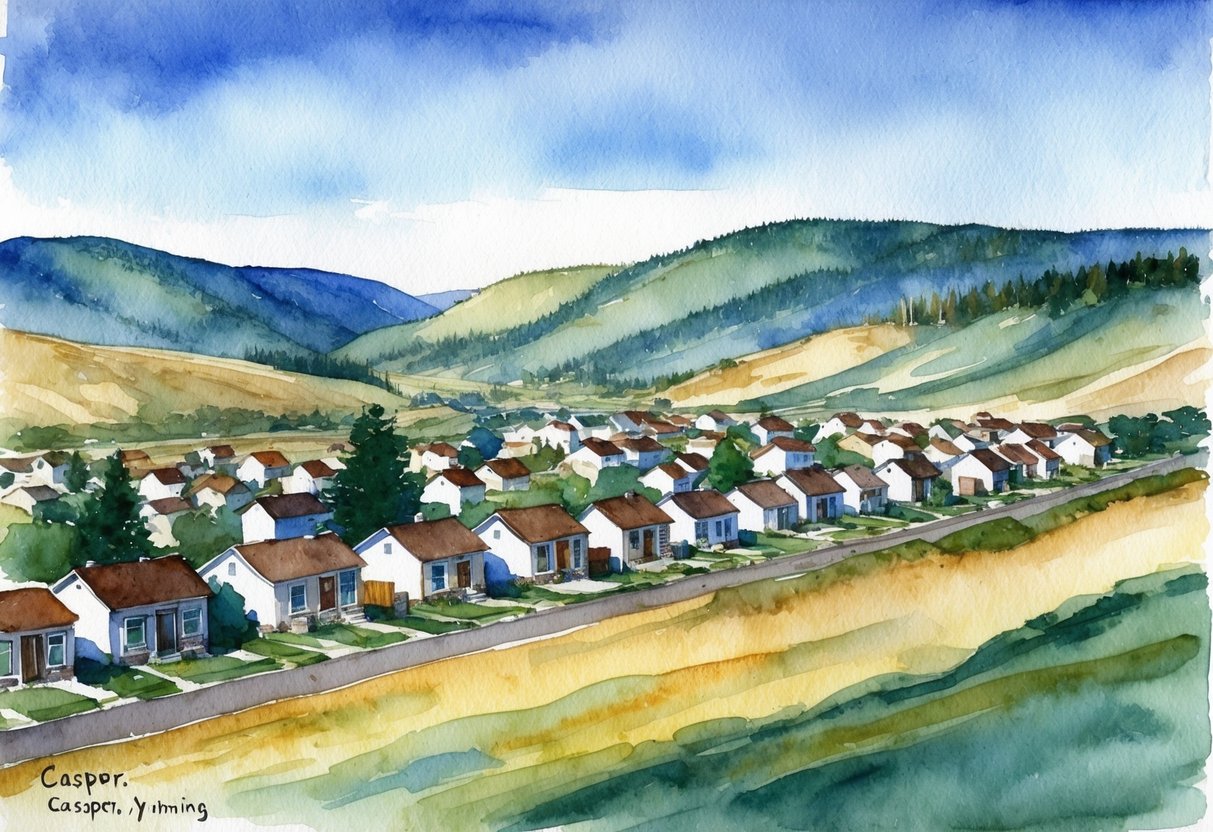
Casper stands out with its affordable properties, steady rental market, and a growing local economy. The city offers a mix of residential and investment properties that let me diversify my portfolio, while keeping things manageable and familiar.
Why settle for uncertainty when you can build something more lasting?
Key Takeaways
- Casper’s real estate market is strong and accessible.
- Investors gain local advantages and reliable options.
- Knowing the right steps can help reduce risks.
The Real Estate Market in Casper, WY
The Casper, Wyoming real estate market has seen notable growth in prices and a rise in competition over the past year. Investors will find sharp changes in home values, neighborhood dynamics, and commercial opportunities worth examining.
Local Housing Trends
I see that home prices in Casper have jumped significantly in the past year. The average home price currently sits around $300,000, which is a noticeable increase.
Prices are up as much as 20% since last year in some reports, but even the most conservative estimates show healthy growth across the board. Casper has just under 1,200 residential sales annually, showing consistent activity.
The number of homes for sale has slightly decreased, tightening the market. If you are thinking about entry points, it’s critical to look at the competition.
Casper is now considered a competitive market, with homes selling quicker and buyers facing more rivals than before. For more details on the current market numbers and month-by-month shifts, check out the Casper, WY housing trends.
Key Neighborhoods
Neighborhood selection often sets apart smart investors from average ones. I focus on areas like Paradise Valley, known for established homes and large lots, and East Casper, which often attracts families due to top-rated schools and parks.
Downtown Casper is gaining attention, thanks to new businesses and city-led improvements. Investors can still find single-family homes and duplexes at prices that leave room for rental cash flow.
Contrary to what some believe, the West Side has pockets of value, especially as younger families seek affordable entry-level homes. Here’s a quick look at some active neighborhoods:
Neighborhood
Main Appeal
Average Price
Paradise Valley
Larger yards, quiet
$325,000
East Casper
Schools, families
$295,000
Downtown Casper
Walkability, jobs
$270,000
West Side
Affordability
$250,000
Commercial Property Overview
Commercial properties in Casper offer potential for those willing to step outside the comfort zone of residential investing. I’ve noticed vacancies dropping in retail and light industrial spaces, indicating strong business activity and resilience in the local economy.
Medical offices, small warehouses, and retail strips are all seeing renewed demand. If you want monthly income instead of dealing with tenants in single-family homes, consider the steady lease rates found in sectors like healthcare or logistics.
Key factors driving commercial growth include Casper’s steady tourism, oil and gas businesses, and a growing number of local entrepreneurs. Opportunities exist not just in high-traffic areas but also in redeveloping corners near the city center.
For current listings and statistics, the Casper commercial market breakdown offers useful snapshots.
Benefits of Real Estate Investing in Casper
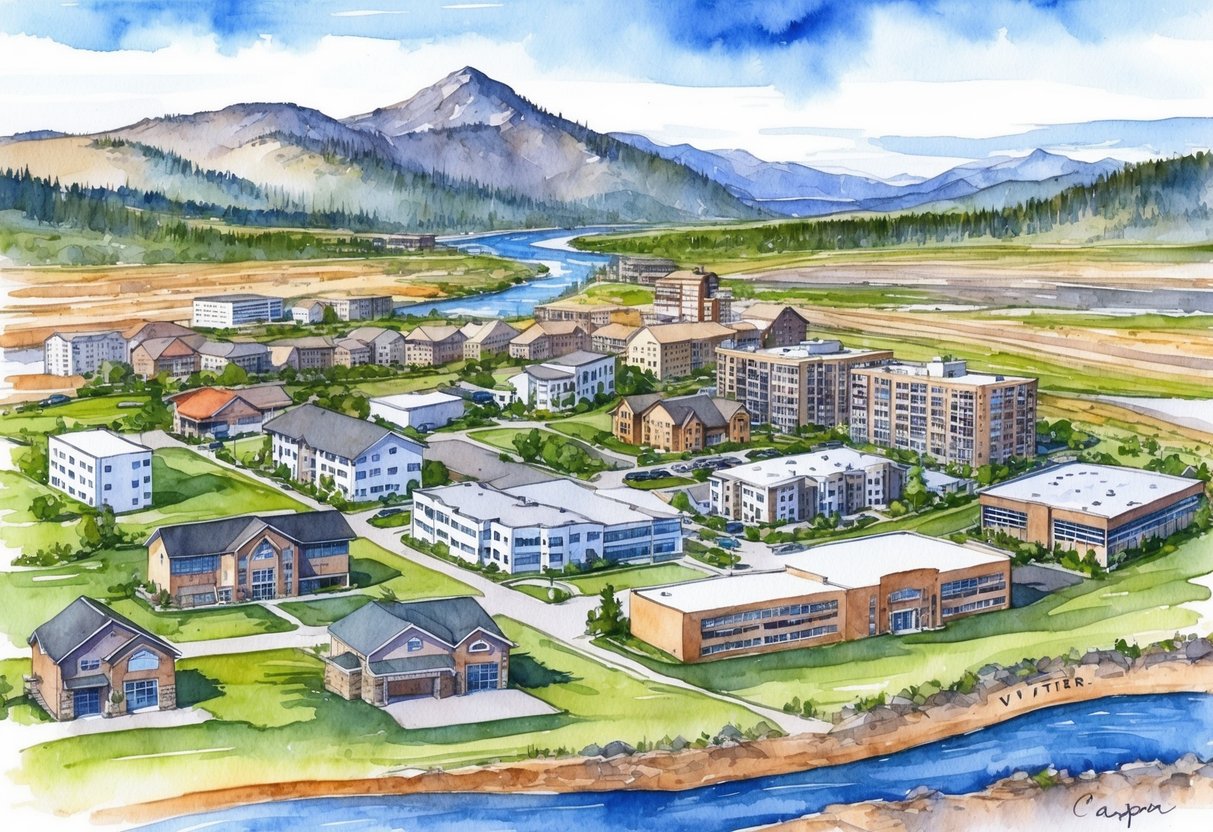
Casper, Wyoming offers unique advantages for investors who want to break free from the slow march of traditional savings. I see distinct financial opportunities here that many markets just can’t match.
Strong Rental Demand
Have you noticed how many cities have volatile rent prices and restless tenants? Casper stands apart.
The local economy is stable, given its regional industries and events that draw both residents and visitors year-round. This creates steady demand for long-term and short-term rentals.
Annual events in Casper, such as the Central Wyoming Fair & Rodeo, attract a stream of visitors needing places to stay. Families moving for work appreciate quality rentals while settling in.
I’ve watched as homes are rarely vacant—there’s a consistent pool of renters. According to industry analysis, the rental market in Casper continues to benefit from this steady demand.
Managing rental property here feels less risky. Renters often stay for years, allowing me to plan ahead without worrying about high turnover costs.
If I want to diversify between long-term and short-term strategies, Casper lets me do so with relative ease.
Affordability Compared to Other Regions
Think about how much a starter home or investment property costs in most cities today. In Casper, property prices are often far below national averages.
While others struggle finding value in crowded markets, I can secure homes or land here at a fraction of the price. This affordability means lower barriers to entry and less debt.
I don’t have to stretch my budget thin just to make my first or next purchase. The monthly mortgage payments are manageable, letting me weather market changes without panic.
Listings often stay within reach for working adults who want to shift out of “forever renting” or diversify their portfolio. Affordable properties also reduce financial stress.
I’m able to set competitive rents and still see good cash flow. As explained by market reports, Casper is well-known for its affordable housing and new developments.
Growth Potential
Am I investing for today or for the future? For me, I need both.
Casper’s market shows room for appreciation as new developments and infrastructure upgrades roll out. Several businesses have moved into the area, and the city’s location as a Wyoming hub puts it on the map for companies and families alike.
The local government supports growth, and there’s a focus on quality of life. As residents seek homes with space and peace away from the big city grind, demand keeps climbing.
I want investments that outpace inflation, and Casper gives me reason to believe my assets will gain value over the years.
Recent trends point to ongoing opportunities in Casper’s real estate market, especially for people thinking ahead about their retirement and family needs.
Growth isn’t just a buzzword here—it’s on solid footing backed by local developments and smart city planning.
How to Start Investing in Casper Real Estate
Investing in real estate isn’t about luck. I believe in focusing on clear goals, smart use of financing, and having the right local support.
Casper’s housing market offers unique opportunities if I approach each step with intention and practical thinking.
Setting Investment Goals
Before I buy my first property in Casper, I need to decide what I want my investment to achieve. Am I looking for steady monthly income through rental properties, or am I aiming for long-term gains by holding for appreciation?
Maybe I want to flip a fixer-upper for a quicker profit. I use numbers to shape my decisions.
I set a target cash flow, consider expected expenses, and decide on a comfortable risk level. For someone living in Wyoming or familiar with the community, it’s smart to examine local trends and talk to other investors in the area.
I also ask myself: How much time can I commit to managing real estate, and how hands-on do I want to be? Defining my investment strategy early helps me focus on the types of properties that fit my financial needs.
When I’m clear about my goals, I can ignore the noise and stay focused on what really matters.
Financing Options
Securing the right financing is a crucial piece. I look closely at traditional mortgages from banks and credit unions, but I don’t stop there.
If I have built up equity in my home, a HELOC (Home Equity Line of Credit) can be a powerful way to tap into funds. Sometimes, seller financing or partnering with other investors makes sense, especially when banks turn me down.
I always weigh the pros and cons: interest rates, required down payments, and monthly payments all impact my returns. I don’t rely on chance or emotion when making these decisions.
I study the numbers, use online calculators, and call local lenders in Casper to get real quotes. Understanding how financing affects my cash flow puts me in control—knowledge is real power in real estate.
Working With a Local Real Estate Agent
A skilled local agent is more than just someone who unlocks doors. I choose an agent in Casper who knows the investment market and has a track record helping buyers like me.
I interview several agents, asking for recent deals they’ve closed with investors and their knowledge of Wyoming’s laws. I need someone who can find hidden deals before they hit the market.
Good agents help me price offers right, negotiate with sellers, and avoid pitfalls that cost money down the road. Above all, I look for an agent who is honest with feedback and understands the unique neighborhoods and rental trends in the Casper community.
That’s how I get an edge and avoid mistakes beginners often make.
Types of Real Estate Investments
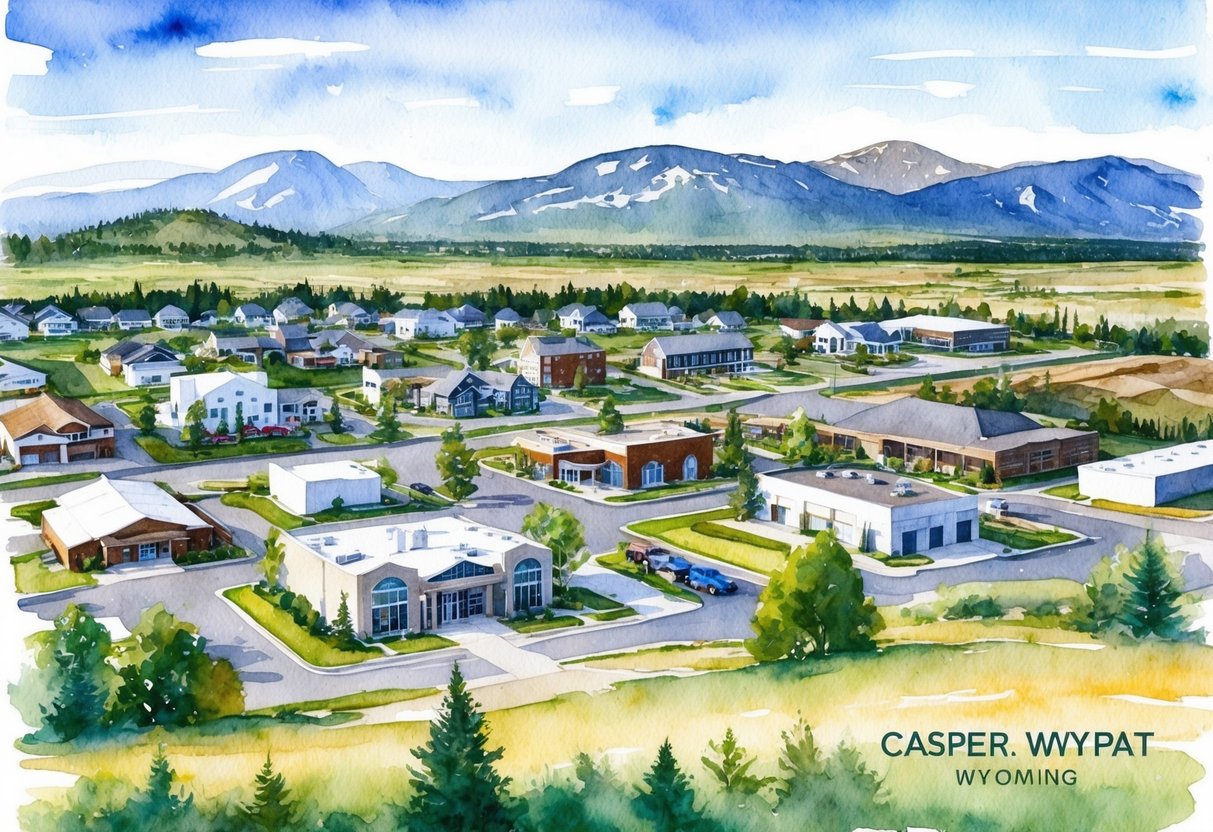
Real estate in Casper, Wyoming, gives me choices to match my goals and risk tolerance. Each type brings different benefits, challenges, and potential for passive income or appreciation.
Single-Family Homes
When I invest in single-family homes in Casper, I’m drawn to stability. Many families in the area seek the privacy and space a single home offers, especially as the city’s population grows.
The entry cost for a starter home is often more manageable than for larger properties, making it easier to get started even if I’m cautious about overextending. Vacancy rates for these homes in Casper tend to be low, so I can often rely on steady rental income.
Plus, maintenance is usually straightforward, since I’m only dealing with one set of tenants at a time. Another advantage is the ability to quickly sell if I ever need to cash out.
Unlike commercial or large multi-family buildings, the buyer pool for single-family homes is not just investors—it’s also regular families.
Multi-Family Properties
Multi-family properties like duplexes and small apartment buildings can be powerful wealth builders. With these properties, I’m collecting rent from more than one tenant, which helps when a unit goes vacant—one empty apartment doesn’t mean my entire cash flow dries up.
Casper has a mix of older apartment buildings and new developments, so I can find properties in my price range. There are also unique tax benefits available when I own residential buildings with more than four units.
I’ve noticed that property management can get more complicated. There are more tenants, more repairs, and more regulations.
However, the higher rental income and scale of returns often make it a worthwhile step if I want to accelerate my investment growth beyond what single-family homes can provide.
Commercial Investments
Commercial real estate in Casper includes office buildings, retail spaces, warehouses, and mixed-use developments. What really grabs my attention here are the longer lease terms—business tenants usually sign for three to five years, sometimes even longer.
That means less turnover and fewer headaches chasing new renters. Casper’s spot along major highways and its growing economy push up demand for certain types of commercial space.
I keep an eye on vacancy trends and shifts in local business demand. A single empty office can mean a big loss in monthly income.
Financing requirements and risks differ from residential real estate. Commercial properties need more capital, but if I do my homework and invest wisely, the cash flow can be impressive—especially with new developments and opportunities in Casper.
Vacant Land Opportunities
Casper still offers affordable vacant land, which gives me flexibility. Whether it’s lots in new subdivisions or acreage just outside city limits, land holds potential for long-term appreciation and creative development.
When I evaluate a parcel, I have to consider zoning, utilities, and nearby growth. Is the area drawing in new businesses or residents? Are there plans for new infrastructure?
If those answers point to future demand, buying land could mean significant gains before I even build anything. Some investors use vacant land to hold wealth, while others try to subdivide or develop.
In Casper, this strategy stands out because of low prices and growth prospects that make land banking a real possibility.
A few things I always check before investing in land:
- Zoning rules and restrictions
- Access to water, power, and roads
- Potential for future city expansion
Legal Considerations for Investors

When I invest in real estate in Casper, Wyoming, I pay close attention to both legal rules and practical details. From government zoning codes to the rights of tenants and landlords, every detail can impact my return and peace of mind.
Zoning Regulations
Zoning laws in Casper set the standards for how a property can be used. If I want to buy a duplex or do short-term rentals, I check the city’s zoning map and regulations first.
If I ignore these laws, I risk fines or even being forced to change how my property is used. Zoning in Wyoming generally separates properties into residential, commercial, and industrial categories.
Some neighborhoods have strict rules on building size, parking, or even what color the outside of a house can be. If I want to change a property’s use, I may have to apply for a zoning variance.
That process can take weeks or months, so I always factor in extra time. Good zoning research helps me avoid costly mistakes.
For more information, I sometimes review local government websites or dig in to legal details about property regulations in Wyoming.
Landlord-Tenant Laws
Wyoming’s landlord-tenant laws matter for every investor in Casper. If I plan to rent out a home, I need to know my legal duties, like how much notice I have to give before entering the property or raising rent.
Security deposits are capped and must be returned within a set timeframe, so sloppy recordkeeping could cost me. Eviction is another sensitive topic.
Wyoming law lets me evict for nonpayment after three days’ notice, but only if I follow the process step by step. No shortcuts.
It’s also my job to keep rental units safe and livable—a broken furnace in January could land me in legal trouble quick.
Knowing what the law says protects not just my bottom line, but also my reputation in Casper’s tight community. For more specifics, I stay updated on Wyoming’s statutes and advice for investors from real estate attorneys and local guides like this overview on investment property laws.
Impact of COVID-19 on Casper’s Real Estate
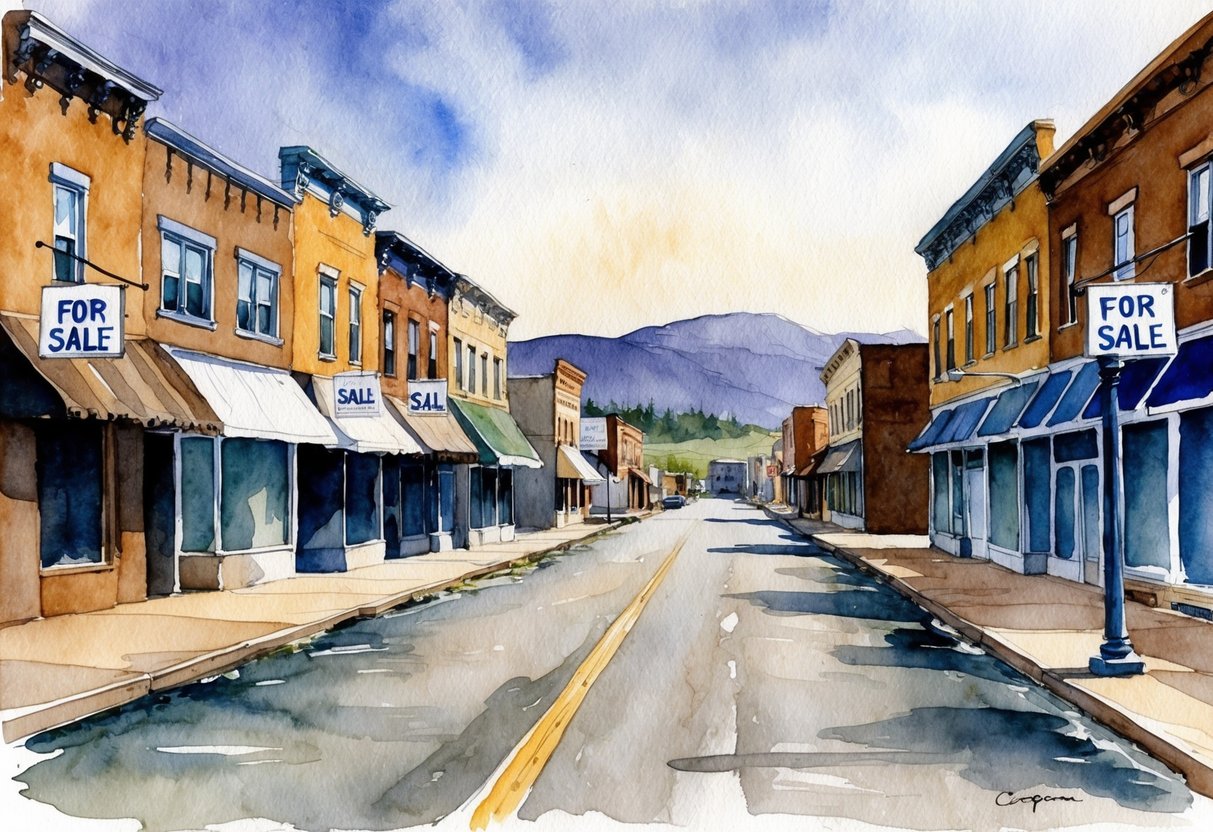
COVID-19 impacted Casper, Wyoming in ways I once thought only possible in larger cities. As buyers began looking for stability and space, both challenges and unique opportunities appeared for anyone interested in real estate investing.
Market Shifts During the Pandemic
When the pandemic hit, the first thing I noticed was a sudden jolt in real estate demand. People wanted out of crowded areas, and Casper offered something they couldn’t find in big cities—room to breathe.
At first, listings were tight as sellers hesitated, unsure about letting strangers walk through their homes. But things changed fast.
With interest rates at historic lows and a need for safer living, more families started searching for properties here. Prices began to climb, and available homes moved quickly.
Some people even came to Wyoming just to escape strict restrictions, causing what some called a mini-boom in local real estate.
New developments and state offices moving into Casper added more fuel to the market. Not only did more buyers arrive, but investors saw the shift and started looking for rental properties to meet the rising demand.
Opportunities in a Changing Landscape
With these rapid changes, I saw real chances for investors willing to move quickly. Rental properties became a smart play.
As more newcomers looked for short-term housing or tested out the area, vacancy rates dropped and rents went up. I asked myself—why put money in a shaky stock market, when steady income from rental homes in Casper was right there?
Downtown buildings also drew attention. When the city looked at buying structures like the Casper Business Center, I noted the increased activity and knew office space was in play for long-term gains.
Looking at what business owners needed, I considered buying commercial property for lease or repurposing older spaces.
Community Highlights and Local Resources
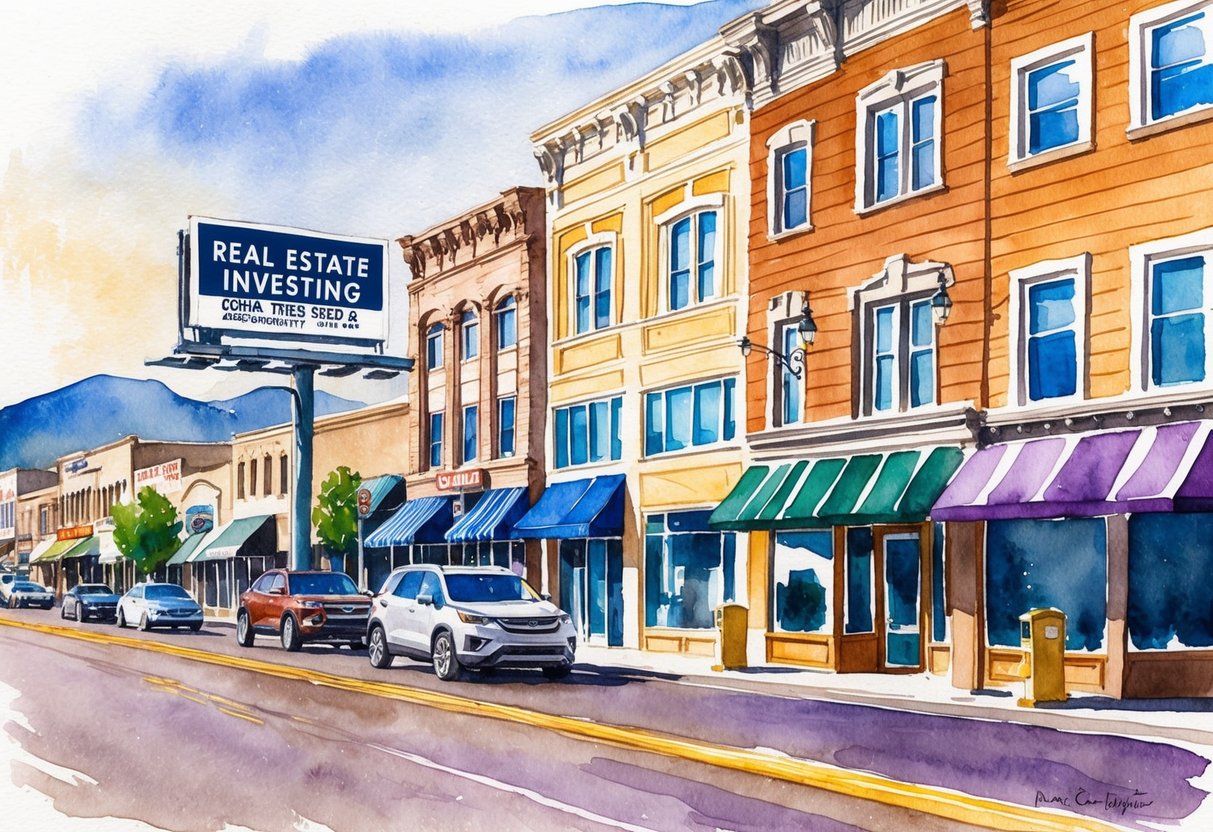
Casper, Wyoming is more than just real estate stats. The city offers schools, parks, and community resources that can make or break an investment.
I know that understanding these can mean smarter decisions for your portfolio and your family.
Schools and Amenities
When I scout a city for hidden potential, I always look at its schools and public services first. Casper boasts several strong public schools and private academies, which can be a magnet for families.
In my experience, that means lower vacancy rates and stable rents. I also pay attention to amenities.
Do you want parks, libraries, and recreation nearby? In Casper, you’ve got a mix of city parks, the Platte River trails, and community centers.
These increase quality of life and neighborhood appeal. For families, amenities like these can make your property stand out when it comes time to rent or sell.
If you’re focusing on location, the proximity of shopping centers, medical facilities, and local businesses matters. Casper’s Main Street and local shops boost the area’s charm.
Don’t overlook these—they’re key to attracting long-term tenants and future buyers. For a detailed look at popular neighborhoods and local features, this blog highlights some of Casper’s best spots.
Networking for Investors
Have you ever felt like you’re alone learning the ropes? I know I have.
That’s why I plug into local investor groups when I enter a market. The Casper real estate community is surprisingly active and supportive.
There are investor meetups and dedicated networks designed for both newcomers and veterans. Groups like the Real Estate Visionaries offer regular events, workshops, and a chance to stay updated about local property trends.
With the right connections, I’ve learned about off-market deals and creative financing strategies—tools that go beyond what you read online.
Getting support from people who know Casper’s market can shortcut your learning curve. If you want to get started or deepen local ties, check out opportunities to network with Casper’s investor community and take your real estate investing to a new level.
Challenges and Risks in the Casper Market
Every real estate market has its own obstacles, and Casper, Wyoming is no exception. Before putting my money on the table, I want to know exactly what could impact cash flow, value, or my time.
Market Volatility
I’ve seen how market shifts can upend plans almost overnight. In Casper, recent data shows a sharp rise in median listing prices—about a 13.5% year-over-year increase.
That sounds like good news for sellers, but what if I buy at the top and values flatten or dip? Casper’s market can swing based on the oil, gas, and coal industries.
A slowdown in energy jobs means fewer buyers and increased time-on-market. That can put my returns at risk, especially if I’m forced to sell or rent during a slump.
I have to pay close attention to inventory levels, demand, and even bigger economic trends. Sometimes, when the market tightens, bidding wars drive prices above actual value.
If I’m not careful, I could overpay and struggle to make a solid return.
Property Management Challenges
Owning a property in Casper isn’t just about collecting rent. Even with steady demand, I run into headaches that wear me down fast.
The smaller population here makes it pretty tough to find reliable property managers. The good ones? They usually want premium fees.
Common property management challenges include:
- Handling repairs, especially with Wyoming’s harsh winters
- Dealing with tenant turnover during slower employment periods
- Navigating local regulations or HOA rules that might limit what I can do to the property
In a tight labor market, scheduling contractors and maintenance help feels like pulling teeth. Things break—pipes freeze, furnaces fail—and suddenly, money and time just evaporate.
If I live out of state or juggle several properties, even tiny hiccups can balloon into big expenses before I know it.