
Wondering if real estate investing in Cheyenne, WY could be your ticket out of the slow lane of stocks and mutual funds? Cheyenne offers investment properties with affordable prices and chances for steady cash flow and appreciation.
Why let your savings just sit there when you could put that money to work in a market where homes often list around $330,000 to $350,000? Rental demand here doesn’t seem to let up, either.
When I check out Cheyenne, I don’t see a market full of hype. Instead, it quietly rewards investors who actually do their homework.
Different neighborhoods and property types give options if I want to buy-and-hold, flip, or find single-family rentals. Strong local employers and steady population growth keep rental demand alive. It makes planning investment strategies a little less nerve-wracking.
Key Takeaways
- Cheyenne real estate offers affordable entry points and strong rental demand.
- Investors can choose from various neighborhoods and property types.
- Successful investing depends on understanding the local market and risks.
Cheyenne, WY Real Estate Market Overview
Cheyenne, WY has started attracting investors who see the value of its steady market. Affordable housing, rising prices, and a history of resilience make this market stand out in Wyoming and even nationwide.
Current Trends in Cheyenne Real Estate
Cheyenne’s real estate market feels both practical and dynamic. Homes don’t linger; the average property sells after just 36 days.
That tells me demand is still healthy. The city appeals to families and investors because homes cost less than state and national averages.
Median home prices haven’t moved much year-over-year. That stability can actually signal a balanced market, not a cooling one.
What keeps buyers interested? Besides affordability, new developments are on the horizon. The city’s spot near major highways brings in both residents and businesses.
Cheyenne’s blend of predictability and opportunity is honestly pretty rare.
Price Growth and Market Drivers
Prices have climbed, but not at some wild, breakneck pace. In March 2025, the median listing home price in Cheyenne hit $425,000.
The average home value reached $372,516, rising by 3.4% over the past year. Supply and demand drive this growth.
Cheyenne’s got steady job growth and low unemployment. As Wyoming’s capital, it attracts both families and retirees.
Limited new inventory pushes prices up, too. When other markets get wild swings, Cheyenne just moves along at its own pace.
Is that boring? Maybe, but as an investor, I actually like that kind of predictability.
Impacts of the Coronavirus Pandemic
Let’s be real: the pandemic tested every real estate market. Cheyenne saw its share of uncertainty in 2020.
But things didn’t fall apart here. Cheyenne avoided the extreme spikes and crashes that hit bigger metro areas.
People realized they could work from home, so some moved to cheaper places with more space. Cheyenne benefited as buyers from pricier states showed up, drawn by the cost of living and lifestyle.
This helped keep property values solid during a shaky time. Compared to “real estate frenzy” hotspots, Cheyenne just felt more stable.
Property Types and Neighborhoods in Cheyenne
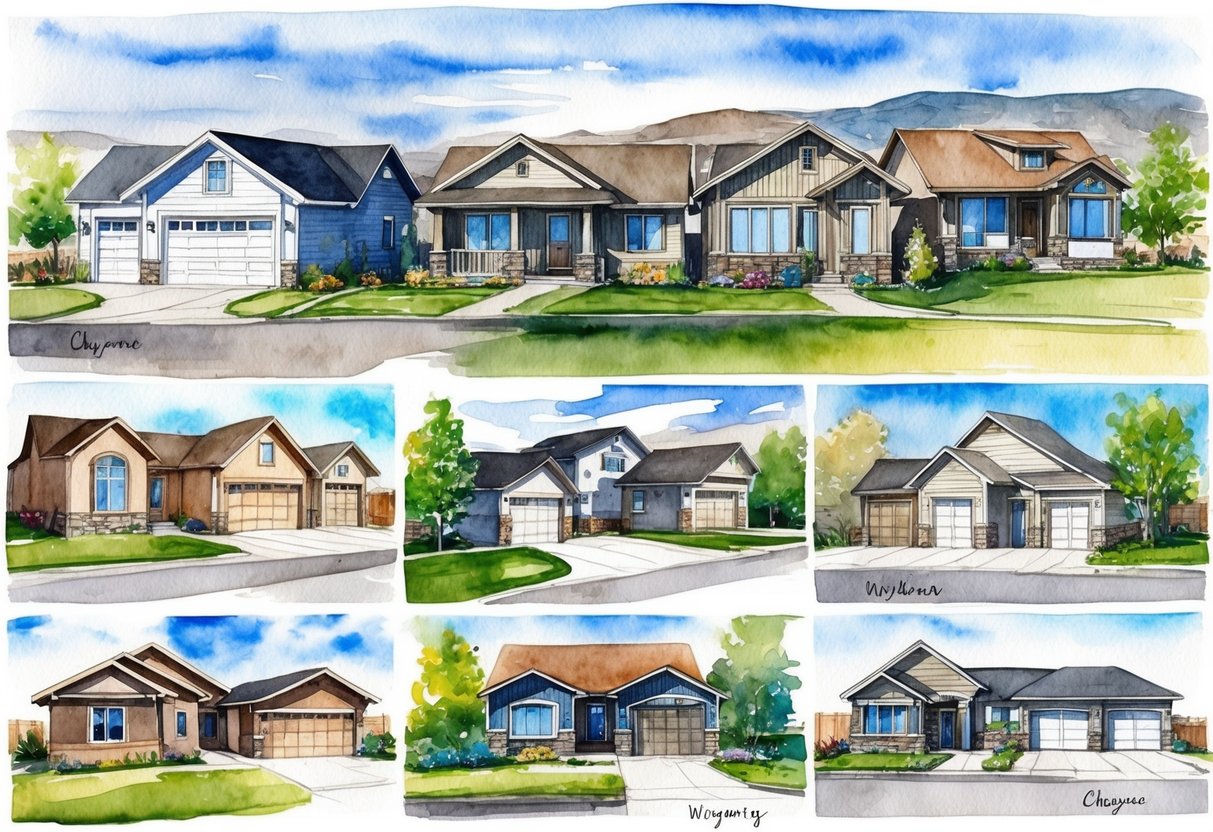
Cheyenne’s real estate market is surprisingly diverse. Investors can find options that fit both tight budgets and luxury tastes.
These choices even spill into nearby towns, where the dynamics can be totally different.
Affordable Properties and Typical Home Values
I always look for steady, reliable investment opportunities, and Cheyenne’s affordable homes make a solid foundation for long-term wealth. Many houses here cost less than the state median, so you don’t have to take a huge risk to get started.
Why chase high prices when plenty of homes are around a median value of about $200,200, which is lower than Wyoming’s average? Neighborhoods like Historic Cheyenne, Sun Valley, and Western Hills offer single-family homes, ranch styles, and bungalows.
These attract both renters and first-time buyers. If you want to compare prices or see live listings, Zillow’s Cheyenne homes page and Realtor.com’s Cheyenne listings make it easy to filter and browse.
Luxury and Most Expensive Homes
If you’re eyeing the upper end of the market, Cheyenne’s luxury homes are tucked into exclusive neighborhoods with large lots and high-end finishes. Look for custom kitchens, open floor plans, and three-car garages—those features really pop.
These properties sit well above the city’s median price. You’ll find smart tech, mountain views, and privacy fences.
There aren’t as many of these homes, but competition isn’t as fierce as in big cities. Some investors target these for equity growth or higher rents.
Want to see what’s out there? realtor.com updates their listings regularly.
Nearby Areas: Pine Bluffs, Burns, and Carpenter
Don’t forget about Pine Bluffs, Burns, and Carpenter. Why put all your eggs in the city basket when opportunity sometimes lives just outside?
In Pine Bluffs, you get lower home values, more land, and a real sense of community. Burns has quiet neighborhoods that appeal to families who want space but need to commute to Cheyenne.
Carpenter stands out for its rural charm and the mix of privacy and city access. The housing stock beyond Cheyenne includes farmhouses, modular homes, and big plots for horses or equipment.
Each town has its own vibe, but all are within 30 minutes of Cheyenne. That makes them practical for rentals or flips.
Prices in these areas are usually lower than Cheyenne proper, but rental demand can stay strong since there’s not a ton of inventory.
Investment Strategies and Opportunities
Cheyenne gives investors a few solid ways to build wealth through real estate. Each approach comes with its own risks and rewards, shaped by the city’s stable job scene and steady housing demand.
Buy and Hold Real Estate Investing
For me, buy and hold investing is the bread and butter for long-term growth in Cheyenne. The idea is simple: buy properties, keep them for years, and let home values and rents rise.
Cheyenne’s economic growth—thanks to government, energy, and transportation—drives this strategy. I like that tenants pay rent month after month, creating passive income.
Over time, property values can climb, building equity and cash flow. Tax perks like depreciation, interest deductions, and 1031 exchanges sweeten the deal.
I always keep an eye on local trends like modest population growth and low housing supply. These factors push prices and rents up, making returns more likely.
It’s not flashy, but it works.
Rental Properties in Cheyenne
Rental properties make a lot of sense in Cheyenne. There’s steady demand thanks to military bases, government workers, and local employers.
Both long-term and short-term rentals have their place. Investing in Cheyenne rental properties means you tap into low vacancy rates and a pool of tenants looking for houses and apartments.
I look for properties in areas with good schools, low crime, and easy access to amenities. That helps attract reliable tenants.
The average rent often covers the mortgage and leaves some profit each month. Long-term tenants cut down on turnover and vacancy costs.
If you manage things well, it’s not too hard to scale up from one unit to several, creating multiple income streams. Short-term rentals take more work but can pull in higher rents during local events or busy seasons.
Fix and Flip Investment Approach
Fix and flip investing in Cheyenne isn’t just some HGTV fantasy. I see real chances to buy undervalued homes, fix them up, and sell for a profit.
This strategy means hunting for properties below market value—usually homes that need repairs or updates. Before I buy, I crunch the numbers: purchase price, renovation costs, likely sale price, and holding expenses.
One thing I love about Cheyenne is that remodeling costs are usually lower than in big cities. Buyers here want updated homes.
I stick to cosmetic updates, kitchen remodels, or adding bedrooms to boost value. The process is hands-on and, honestly, it can feel like a job.
But for the right person, it’s a way to recycle cash into new deals.
Financing Options and Mortgage Landscape
Finding the right real estate investment in Cheyenne takes more than spotting a good deal. You need the right financing and a decent grip on the mortgage scene if you want to actually close and make it work.
Mortgage Rates and Loan Programs
Have you noticed how mortgage rates never seem to stay put? In Cheyenne, rates have crept up lately, so it’s smart to keep an eye on your options.
I always compare rates from local banks and national lenders. That habit can mean thousands saved over the life of a loan.
Some lenders offer flexible solutions like DSCR rental loans. These let me qualify based on the cash flow of the investment property, not just my personal income.
Fix and flip loans and SFR portfolio loans are also out there if I want to scale up or diversify. Programs for investors can offer lower down payments or less strict income requirements, which opens doors even when the market feels tight.
To give you an idea, lenders like LendingOne and Griffin Funding both have tailored options in Wyoming.
Estimating Home Values and Obtaining Quotes
How do I know if a property’s worth the asking price? Getting an accurate home value estimate is my first step before making an offer.
Many sites offer a free home value estimate or rents estimate, which helps me avoid overpaying. Every dollar saved here goes right into my returns.
I always get mortgage quotes from at least three lenders. Comparing closing costs, interest rates, and any hidden fees helps me spot the best deal.
Sometimes, I’ll even request an upfront cash offer as a negotiating tool, especially if the seller’s eager for a fast deal. Working with advisors like WYO Mortgage Advisors or specialty lenders helps me feel confident about the process.
Having solid numbers keeps my peace of mind intact. When I know what I’m working with, I can move forward quickly.
Selling Your Home in Cheyenne
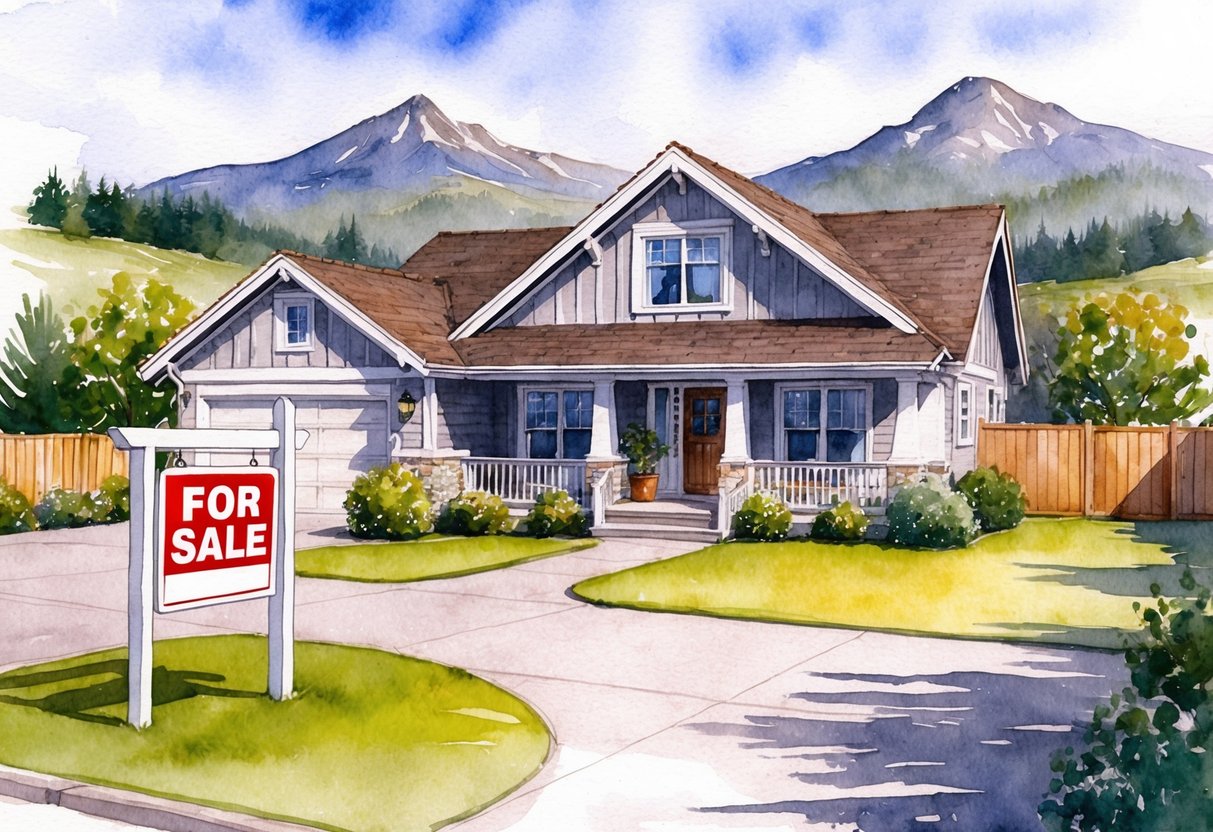
When I look to sell a property in Cheyenne, I focus on both strategy and peace of mind. Getting the highest price and the easiest transaction—why not both?
Home Selling Strategy and Marketing
I don’t just stick a “For Sale” sign in the yard and hope for calls. I craft a home selling strategy that starts with understanding the current Cheyenne market.
What’s moving fast, what isn’t, and why? High-impact marketing makes a difference.
Professional photography, video tours, and even 3D walkthroughs help homes stand out. Why list your property the same way as everyone else?
I use social media ads, targeted real estate newsletters, and network with local agents to reach active buyers. Pricing a home correctly attracts more attention in the first weeks.
Pricing too high means the home lingers, and a stale listing never signals opportunity. For those looking for a quick closing, I sometimes work with local cash home buyers in Cheyenne.
They move fast and often skip inspections and repairs—a real advantage if time matters more than squeezing every last dollar.
Stress-Free Home Sale Tips
Selling a home can feel overwhelming, but I’ve found ways to keep the process stress-free. I always declutter first—less is more, especially when buyers walk through and imagine their own lives in the home.
I keep paint colors neutral and arrange furniture to show off each room’s size and features. Here’s the trick: I set clear expectations with my real estate agent.
We create a timeline together so I know what happens next, and when. Open, honest communication keeps surprises to a minimum.
If I want to skip showings and waiting, I consider direct home buyers in Cheyenne who make fair cash offers. With no need for repairs or agent fees, I can close on my terms.
For many, this means less hassle and more focus on moving forward.
Market Challenges and Risks
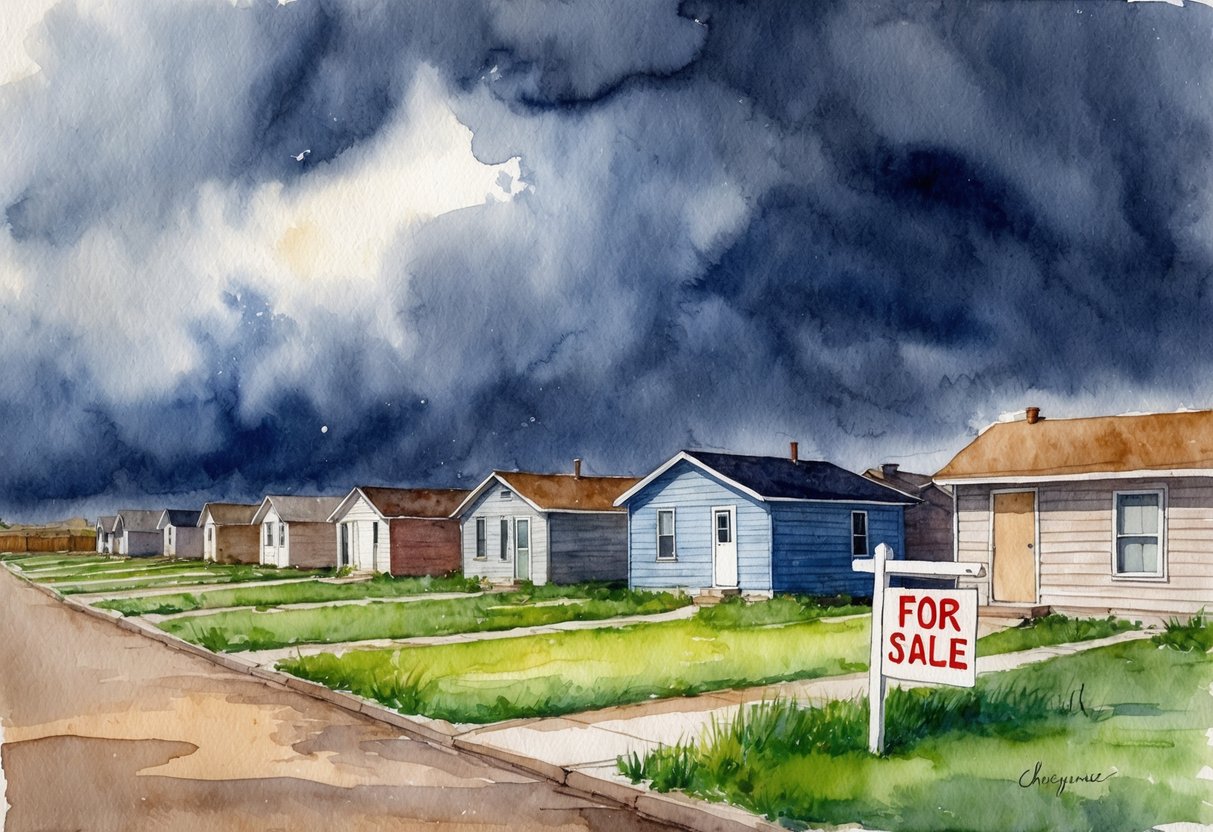
Real estate investing in Cheyenne isn’t as simple as just buying a house and waiting for money to roll in. If I don’t pay close attention to the supply of homes and sudden price changes, my investment could easily miss the target.
Limited Supply of Housing
The housing market in Cheyenne faces a real constraint: low supply. There just aren’t enough homes to match the number of families and individuals looking to move in.
This shortage can be traced back to zoning regulations, limited construction, and population growth. What does that mean for me as an investor?
When there aren’t many homes available, finding good deals becomes hard work. The options to buy may look tempting, but competition is fierce.
Sometimes, I’m forced to look at properties with problems or pay extra for homes that don’t fully match my investment goals. It’s wise to watch for new housing developments, city planning sessions, and zoning law changes.
Every little shift in local regulations can open or close the door on opportunity. To stay ahead, I track listings weekly and stay in touch with local agents who know the market’s pulse.
Housing constraints in Wyoming can create pressure, but I know preparation beats panic.
Dealing with Price Jumps
Sharp price increases are a real headache in Cheyenne. Prices jump because there just isn’t enough supply.
Limited supply pushes things higher, sometimes way too fast.
Ever gone to a showing and found ten other people all willing to pay above asking? It’s wild.
That’s a classic sign of a hot market, and honestly, it can feel discouraging.
For investors, these sudden price surges make it tough to plan.
If I buy high, my cash flow gets tight, and depending on appreciation feels risky—especially when the market cools down.
I try not to chase prices with my emotions.
Instead, I check neighborhood trends, rents, and recent sales before making a move.
I look for properties with steady rental demand, not just a hope for appreciation.
Tools like local market reports and expert forums—Cheyenne’s investing guides are helpful—keep my expectations in check.
Honestly, a little discipline goes a long way.
It keeps me from getting swept up and making mistakes that cost real money.