For years, I did what everyone said about saving and investing. But is owning stocks and mutual funds really enough for a secure future?
I started hunting for investment opportunities that offer steady income and real growth. Real estate investing in Green Bay, WI can give you a way to build wealth, earn passive income, and protect yourself from market uncertainties.
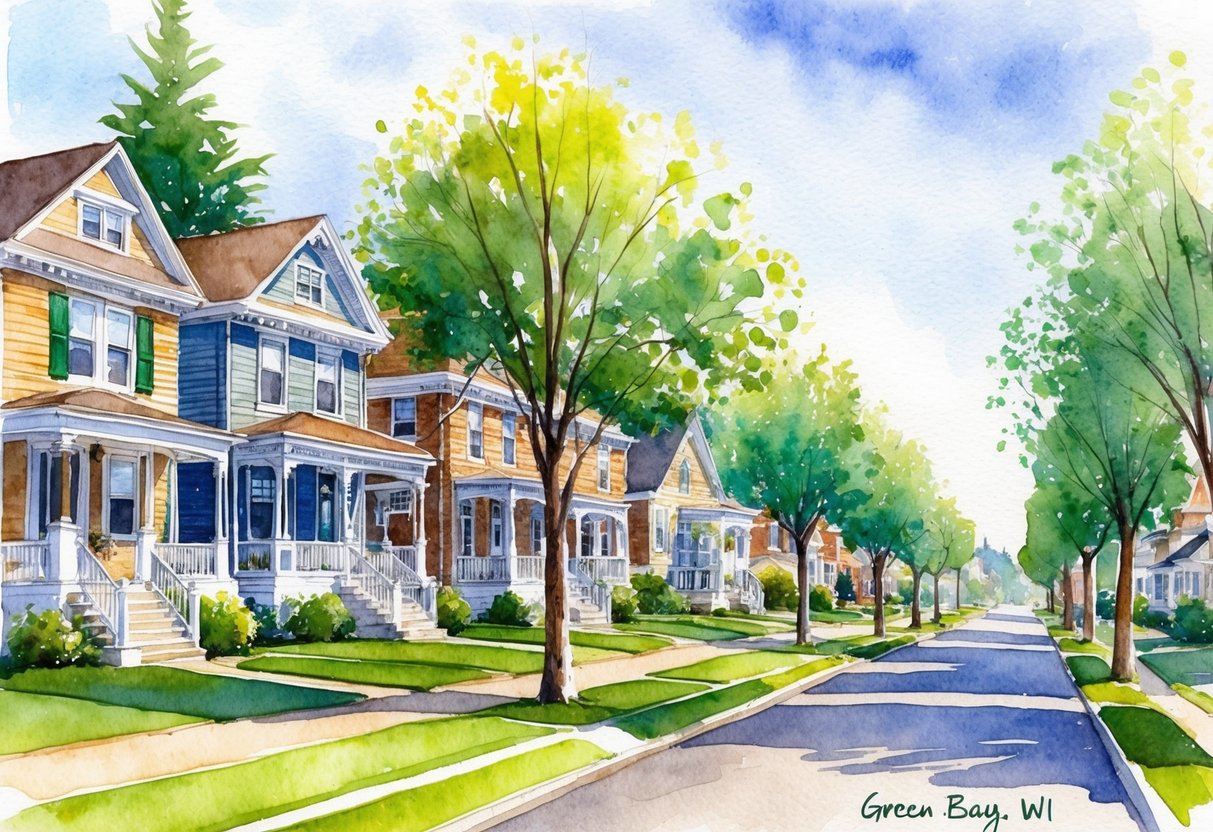
Why Green Bay? This city’s growing, and its real estate market is attracting smart investors looking for reliable options.
Neighborhoods like Astor Park, Bellevue, and De Pere are some of the top areas for investments in Green Bay. Whether you want rental homes, flips, or multi-family properties, you’ll probably find something that fits your goals.
Key Takeaways
- Green Bay offers a strong and stable real estate market.
- Investors can find many property types and great neighborhoods.
- Knowing the market and local rules helps reduce risks.
Overview of Real Estate Investing in Green Bay, WI
Ever wonder why so many investors are looking at the Midwest? I see Green Bay, Wisconsin as a smart answer.
While the coasts grab headlines, Green Bay’s housing market stands steady. It often shows less risk and more balance than those big cities.
One thing that really stands out is the mix of single-family homes, condos, and apartments. Investors like me can pick from a variety of properties to fit different strategies and budgets.
If I want cash flow, I can find affordable rentals. Prefer value growth? Certain neighborhoods are seeing new energy and demand.
Key Advantages of Green Bay Real Estate:
- Stable home prices compared to bigger cities
- Lower entry costs than coastal markets
- Strong demand from families and young professionals
- Diverse property options
When I compare Green Bay to traditional investments, the difference feels real. There’s no rollercoaster ride of stock ups and downs.
Green Bay often rewards patience with steady rents and appreciation, especially in emerging neighborhoods.
If you’re tired of “just saving harder,” maybe it’s time to look at what’s possible in this under-the-radar market.
Green Bay Housing Market Trends
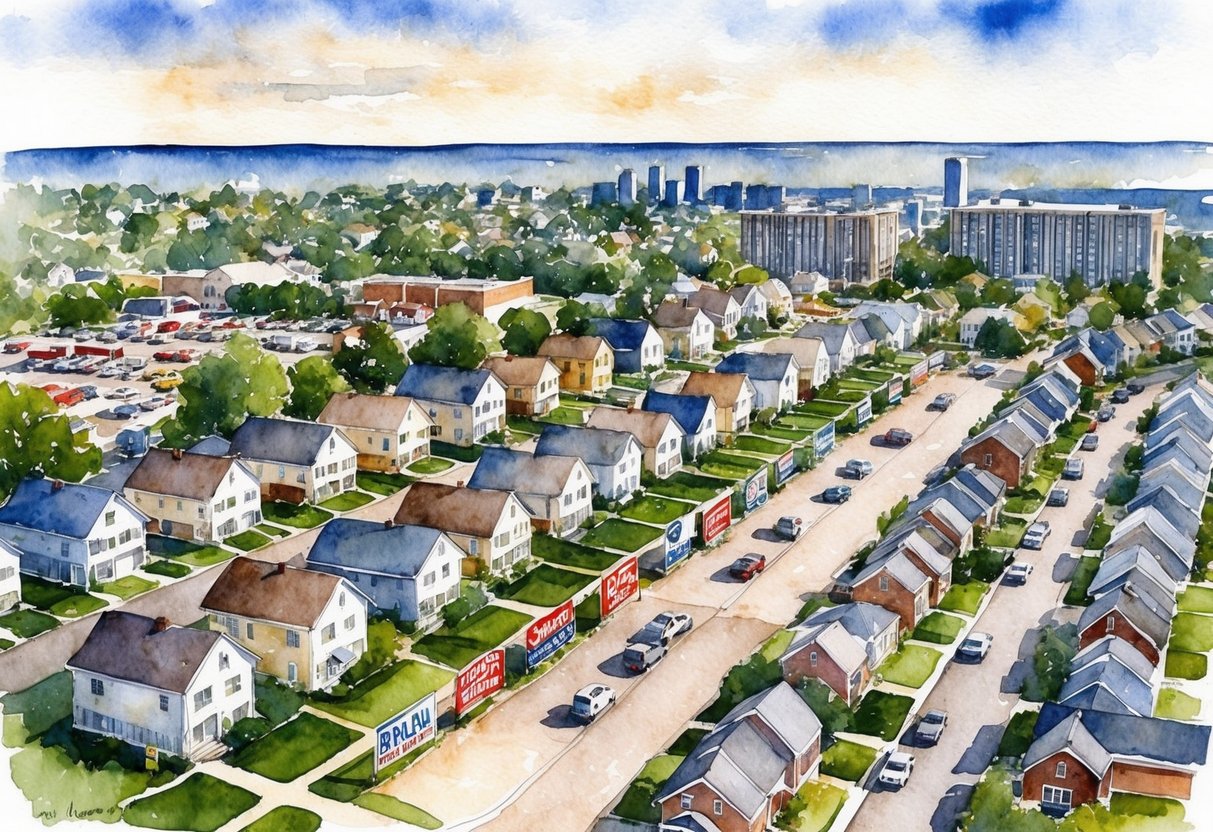
Green Bay, Wisconsin is showing a real shift in housing market activity. Prices are climbing, and demand for both homes to buy and rent is much higher than just a few years ago.
Current Market Conditions
Have you noticed how the rules keep changing? Green Bay’s housing market in 2025 is more competitive than ever.
Homes are getting snapped up fast, and there aren’t as many listings as there used to be. In March 2025, I saw houses often stay on the market for just a few weeks.
Many sell above their listing price, especially in the most sought-after neighborhoods. Inventory is low but buyer interest is strong.
Data from sites like Realtor.com shows the median listing price in Green Bay reached nearly $399,000, with a year-over-year price jump of 12.3%. It’s not just numbers; real people in the area are seeing fewer “for sale” signs and more “sold” ones.
This drives up competition and makes it important for investors like me to move quickly and make data-driven decisions. More buyers in the market means every property faces more offers, often pushing actual sale prices above what sellers originally asked for.
Home Price Appreciation
Let me ask—when’s the last time you saw your savings account rise by 9% in a year? Green Bay’s average home values jumped by 9.2% over the past 12 months, according to Zillow.
Here’s a quick breakdown:
Year
Average Home Value
Percent Increase
2023
$239,599
—
2024
$261,478
+9.2%
Growth is slower than during the pandemic peak, but for anyone considering real estate investing in Green Bay, these gains can be significant.
Unlike some other Midwest cities where prices are flattening or falling, Green Bay keeps pulling ahead with steady appreciation. Rising values mean higher equity and a faster path to building wealth than just relying on mutual funds or savings accounts.
Rental Demand in Green Bay
Good tenants are the lifeblood of real estate investing. In Green Bay, rental demand is high and still climbing.
Many would-be homebuyers have been pushed out of ownership by rising prices. Population growth—though moderate—means more people are moving to the city for jobs or better schools.
That’s left more families looking to rent single-family homes and larger apartments. Competition for quality rentals is noticeable.
I regularly see rental units filled within days, sometimes even before they hit the open market. Vacancy rates are low, which keeps rents stable or rising.
For investors, this strong rental demand can deliver reliable cash flow and less risk of sitting on empty units. When homes are hard to buy, landlords benefit from more applicants and can be more selective, choosing tenants who are more likely to care for the property and pay on time.
Types of Real Estate Investment Opportunities
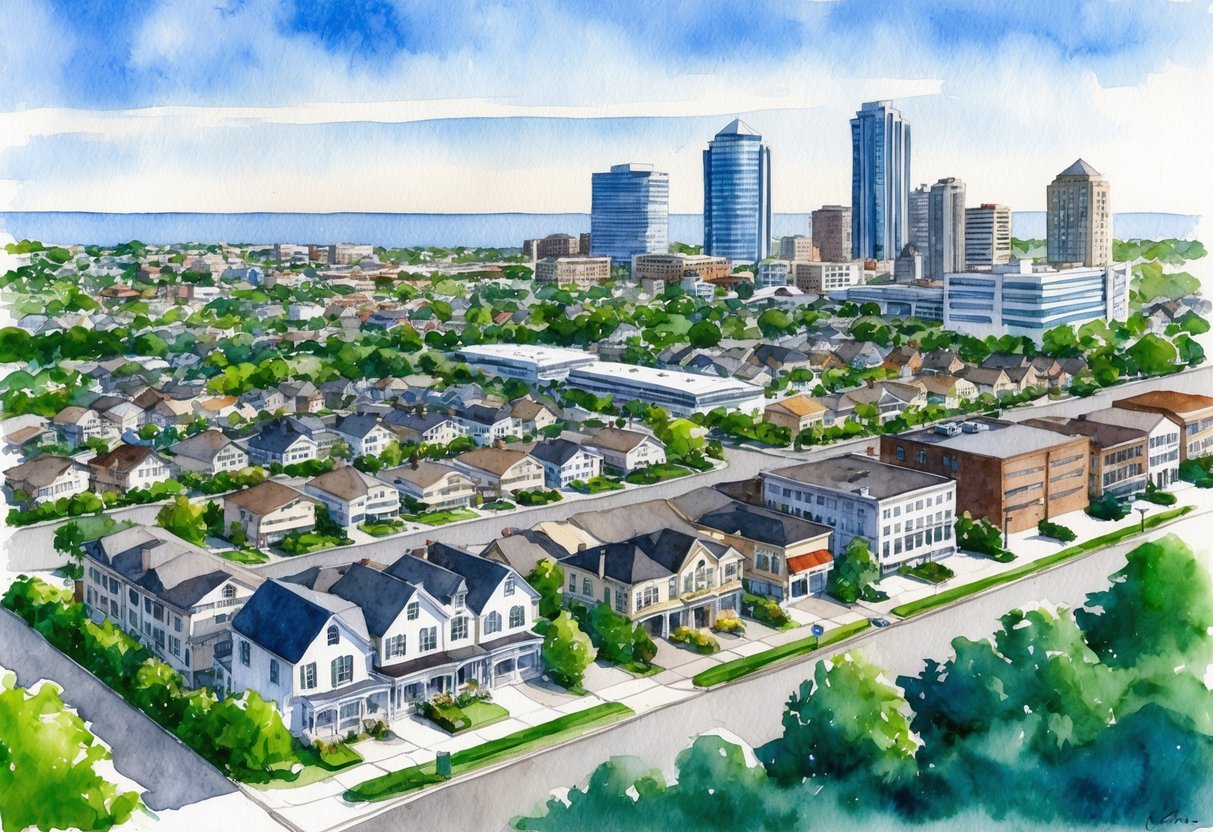
When looking at real estate in Green Bay, it’s important to consider the wide range of options available. Each type comes with its own risks and benefits.
Picking the right investment can mean the difference between long-term growth and missed potential.
Single-Family Homes
I see single-family homes as the backbone of any real estate portfolio in Green Bay. They’re usually the most straightforward property for new investors because people always need a place to live.
With steady demand from families and young professionals, single-family homes usually offer consistent rental income. The price points for these properties tend to be lower than multifamily or commercial options, so my entry costs are often manageable.
I also enjoy a wider pool of buyers if I decide to sell. Both investors and homeowners can be interested.
Maintenance and management responsibilities are much simpler than with larger complexes. Properties in established neighborhoods on Green Bay’s west side have proven attractive for buyers and renters due to their varied property options and community appeal.
Do I want something that fits a traditional family lifestyle with long-term stability? For many, single-family homes check that box.
Multi-Family Properties
Multi-family properties let me take advantage of multiple rental incomes from a single building. Often, two- to four-unit homes maximize cash flow and help offset the risk of a vacant unit.
Even if one tenant leaves, I still have other units bringing in money. These properties often produce higher returns than single-family homes.
They also boost my ability to scale up, since buying one multi-family property can create more rental streams than several single units. However, they do require a bigger upfront investment and more active management.
Green Bay’s mix of urban and natural environments makes it attractive to renters who want community without sacrificing city access. Targeting multi-family investments near schools or growing employment centers increases the chance of steady occupancy.
Commercial Real Estate
Commercial real estate covers office buildings, retail shops, and industrial properties. Why does this matter? Commercial tenants often sign longer leases, which can bring stable cash flow and fewer vacancies.
I look at commercial deals as a way to diversify from strictly residential rentals. This sector does come with added complexity and risk.
The success of a commercial property often depends on the strength of local businesses, foot traffic, and overall economic conditions. But when picked wisely, commercial properties in Green Bay can offer strong returns.
Opportunities right now can be found in office, retail, and industrial properties. It’s critical to be hands-on and research local market trends before taking the plunge.
Fix-and-Flip Investments
Fix-and-flip is all about buying underpriced or distressed homes, renovating them, and reselling for a profit. It’s fast-paced and isn’t for every investor, but in the right market, flips can provide quick returns.
I need strong local contractor connections and sharp negotiation skills to make the numbers work. Timing is everything.
Well-chosen properties in up-and-coming neighborhoods can move rapidly, but surprises during renovation can eat into profits. Due diligence is essential—getting a thorough inspection and realistic repair estimates makes all the difference.
Green Bay offers affordable entry points for this type of investing, especially in neighborhoods where value is rising. Some investors use the BRRRR method (Buy, Rehab, Rent, Refinance, Repeat) to grow their portfolios.
Do I have the patience and time to handle renovations? If so, fix-and-flip properties might be my ticket to building real momentum.
Local Neighborhoods for Investors
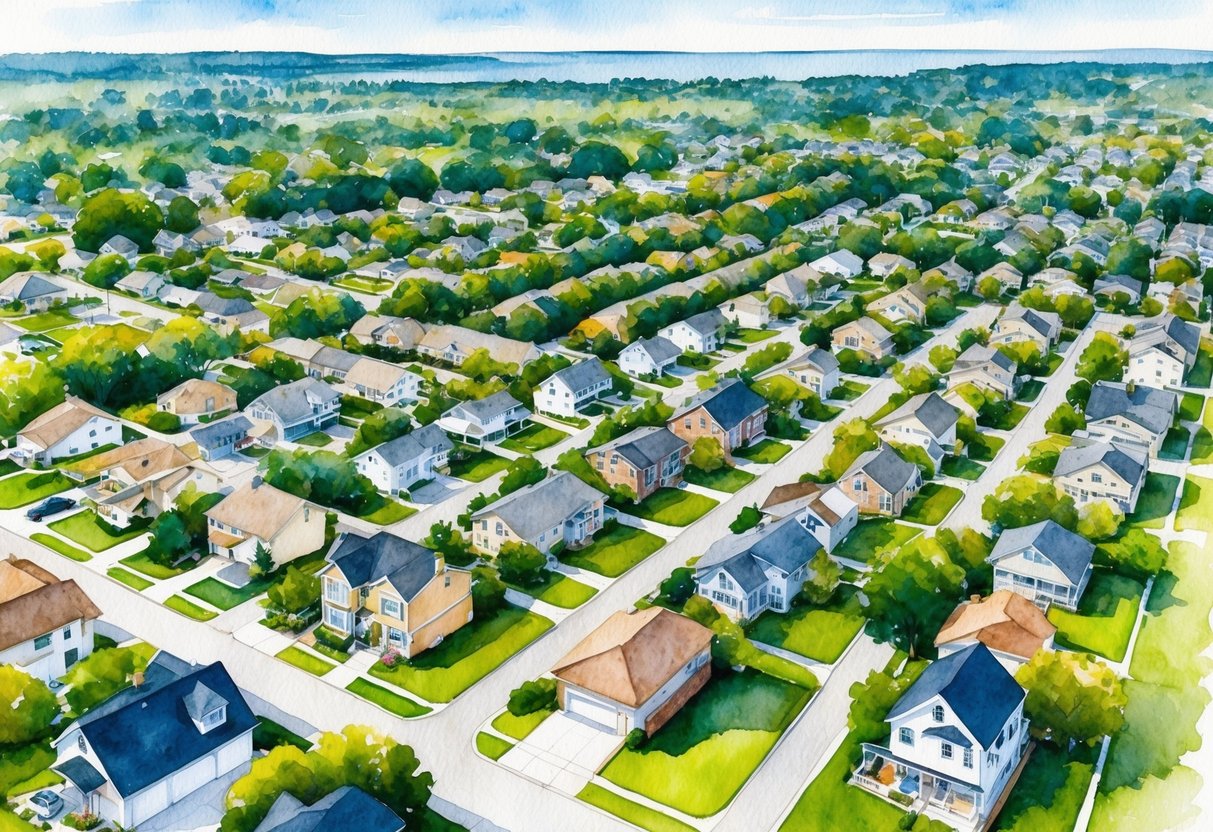
Green Bay offers a mix of neighborhoods with unique benefits for real estate investors. From waterfront areas to tight-knit communities, each location gives something special for those who want both steady returns and manageable risks.
Downtown Green Bay
When I look for real estate with strong rental potential, the heart of the city stands out. Downtown Green Bay is seeing new growth, with restaurants, shops, and entertainment drawing both locals and young professionals.
Demand for rental units remains strong thanks to nearby businesses and a constant flow of people working downtown. Walkability is a big selling point, and the area includes both renovated lofts and modern apartments.
For investors, that means multiple price ranges and renter types. Many older buildings have been turned into trendy living spaces.
These attract tenants willing to pay more for location and amenities. I focus on how the mix of restoration projects, business expansion, and public events keeps property values moving upward.
For more on up-and-coming neighborhoods, check out this detailed guide.
Allouez
Feel like stability is worth more than speculation? Allouez offers a mature, well-kept community just south of downtown.
I notice families and professionals are drawn here for the good schools, parks, and easy commuting routes. Consistent demand from these groups helps keep both property values and rents steady.
Houses tend to be single-family homes with larger yards. That’s ideal if I want long-term tenants who put down roots and treat properties well.
There isn’t a lot of turnover, which means fewer headaches for landlords. Home prices in Allouez are often higher than some other areas, but the stability and lower vacancy rates usually make up for it.
Over time, the area has seen appreciation, with homes keeping their value even when markets elsewhere have struggled. That’s peace of mind if, like me, you want to balance risk with return.
Suamico
Suamico sits north of Green Bay and offers a different take: more space and a quieter pace. Properties here often come with bigger lots or even a bit of land, which can be attractive to renters looking for privacy or room for a family.
I find this area also brings a mix of newer developments and established homes. Rental opportunities are different here.
Instead of downtown apartments, Suamico offers single-family homes and even upscale properties. This draws tenants ready for a longer-term lease—many are professionals making the daily commute into the city.
The neighborhood’s reputation for good schools and scenic views helps keep demand stable. For investors like me, this means less frequent turnover and tenants who care about property upkeep.
For more about local prestige areas, read about luxury neighborhoods in Green Bay.
Financing Options for Real Estate Investors
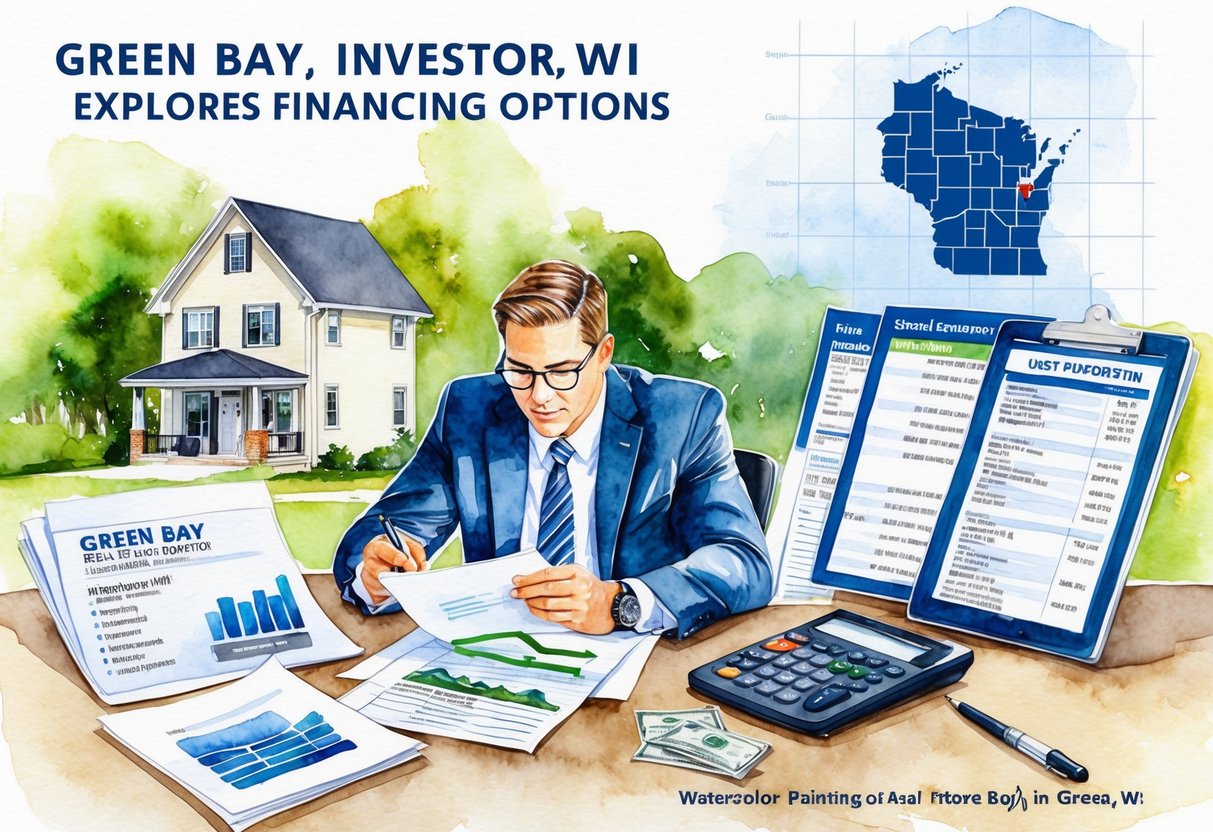
Finding the right way to fund a real estate investment in Green Bay can be the difference between a smooth ride and constant headaches. Not all loans are created equal—some give power and control, while others might feel safe but lack flexibility.
Conventional Loans
I’ve used conventional loans for many investment properties. These are long-term loans offered by banks and credit unions, typically requiring at least 20% down.
The beauty here is steady interest rates and predictable payments. Lenders look closely at my credit score, income, and debt history.
If I can check those boxes, I get access to low interest rates and longer payback periods, sometimes up to 30 years. Still, conventional loans aren’t a fit for everyone.
They’re not forgiving if my credit isn’t good. Lenders have caps on the number of loans I can have in my name, usually four to ten.
If my plan is to scale quickly in Green Bay, this can slow me down or push me to find other options. When I want to lock in cash flow over time and build equity, though, it’s a solid route.
FHA and VA Loans
FHA and VA loans are government-backed and offer unique advantages, especially when my cash is tight or I’m just starting out. With FHA loans, I can put down as little as 3.5%, but I must live in the property for a set period.
Many forget that I can live in one unit of a duplex or triplex in Green Bay and rent the others—house hacking at its finest. VA loans help if I’m a veteran or active service member.
I can buy with zero down and avoid private mortgage insurance. But, just like FHA, I must use the property as my primary residence, at least for the first year.
Afterward, I can use rental income to qualify for another property loan down the road. These government-backed loans boost my leverage and free up cash for repairs or upgrades.
Hard Money Lenders
Ever felt like traditional lenders move glacially? That’s where hard money lenders step in: speed and flexibility are their strengths.
They aren’t worried about my job history or credit score. Instead, they focus on the property’s potential value and how quickly I can flip or rent the place out.
If my strategy involves buying, rehabbing, and refinancing (the BRRRR method), hard money loans are a game changer. Closing can happen within days, so I don’t lose out to faster investors.
The catch? Terms are short (6–24 months), rates are higher, and fees add up. But when I see a solid deal in Green Bay, using hard money lending can give me the edge to act before the window closes.
Legal and Regulatory Considerations

I don’t like surprises when it comes to my investments, especially not from the law. If you want to keep your returns and avoid headaches, paying close attention to rules is not optional.
Understanding the legal landscape in Green Bay means knowing your duties as a landlord and what the government expects from you for property taxes.
Landlord-Tenant Laws
Landlording isn’t just about collecting rent. In Wisconsin, the rules are clear: landlords must provide safe, habitable homes.
If something breaks, I fix it—because legally, I have to. Security deposits are capped at one month’s rent.
I have 21 days to return the deposit after a tenant leaves, or give reasons why some of it is withheld. There are also written notice requirements for things like rent increases or ending a lease.
Evictions? Only for legal reasons, with proper notice. Ignoring these laws can lead to costly court battles.
I keep these rules close, just like a playbook. For more on these topics, Wisconsin’s real estate law FAQ is invaluable.
Property Taxes in Wisconsin
If you own investment property here, you pay property taxes based on the assessed value—not what you paid. Assessments happen yearly.
I review my property’s assessment closely. Why? Because too high an assessment drives up costs and cuts into profits.
In Green Bay, property tax rates change each year. I factor in local mill rates, which are set by the city, school, and county.
Want leverage? I stay alert for property tax appeals. If my assessment seems out of line, I consider challenging it.
Failing to stay on top of taxes can eat up cash flow fast. I plan for property taxes in my yearly budget and keep a cushion to avoid surprises.
You can check details with the city assessor or find more information on real estate investing in Wisconsin.
Property Management Strategies
Managing rental properties in Green Bay isn’t about luck or following the crowd. It’s about making smart choices that protect my cash flow while reducing headaches.
Selecting Tenants
Finding quality tenants is the backbone of steady rental income. I never rush the screening process.
I start by verifying income and employment—steady work means steady rent. Then I check credit scores and rental history, looking for past evictions or missed payments.
I pay attention during interviews. Does the applicant arrive on time? Are their answers clear?
I always ask for references from previous landlords and actually call them. It reveals more than any application can.
A straightforward checklist helps me stay consistent:
- Proof of income (pay stubs or tax returns)
- Credit and background check
- Rental references
- Completed application
When I match my standards with clear rules, I end up with tenants who respect both the lease and the property.
Hiring a Property Manager
Is managing everything myself really the best use of my time? Sometimes the answer is no.
In Green Bay, professional property management services take care of marketing, maintenance, and tenant calls. I look for property managers with deep local knowledge.
They should have a track record of low vacancy and clear communication. I scrutinize their fee structure—are there hidden costs?
I review any management contract line by line. Here’s what I demand before hiring:
- Transparent fees
- Responsiveness to calls and emails
- A clear plan for screening tenants
- Experience working with properties like mine
Handing off management frees me up, and sometimes peace of mind is worth every dollar.
Risks and Challenges of Investing in Green Bay Real Estate

When I look at real estate in Green Bay, I know there are gains to be made. But smart investors also pay attention to the risks, especially in an area where prices and demand do not always move in a straight line.
Timing, patience, and accurate numbers matter more than hype.
Market Fluctuations
I see that Green Bay’s housing market has grown, but it is not immune to swings. Price changes can happen because of shifting demand, supply, and interest rates.
In some years, home values climb—and in others, they flatten out or even fall. What if you buy high and the market cools?
No one wants to discover their property is worth less than the mortgage. Rapid shifts in the housing market can also make it harder to plan for the future or know when to sell.
Interest rates are another big variable. As interest rates go up, buyers become more cautious, which can lower demand and prices.
If you plan your numbers on the high end, you might get caught off guard when the market doesn’t deliver. You can see more about market issues and lack of inventory in Green Bay in this REI Ink article.
Vacancy Rates
Empty units are a hidden cost that many beginners ignore. I always account for vacancy because every month without a tenant is money out of my pocket.
In Green Bay, vacancy rates shift depending on neighborhood, season, and even the time of year college students move out. If I underestimate vacancy, returns will suffer.
It is easy to focus on collecting rent, but the real challenge is steady cash flow after costs, repairs, and months with no tenant. Longer vacancies also mean extra expenses—utilities, advertising, cleaning, and sometimes damage repairs.
Some neighborhoods have higher turnover, which means more months spent looking for new renters. Understanding local trends is key, which is a point highlighted in this Green Bay real estate investment guide.
Benefits of Investing in the Midwest Real Estate Market
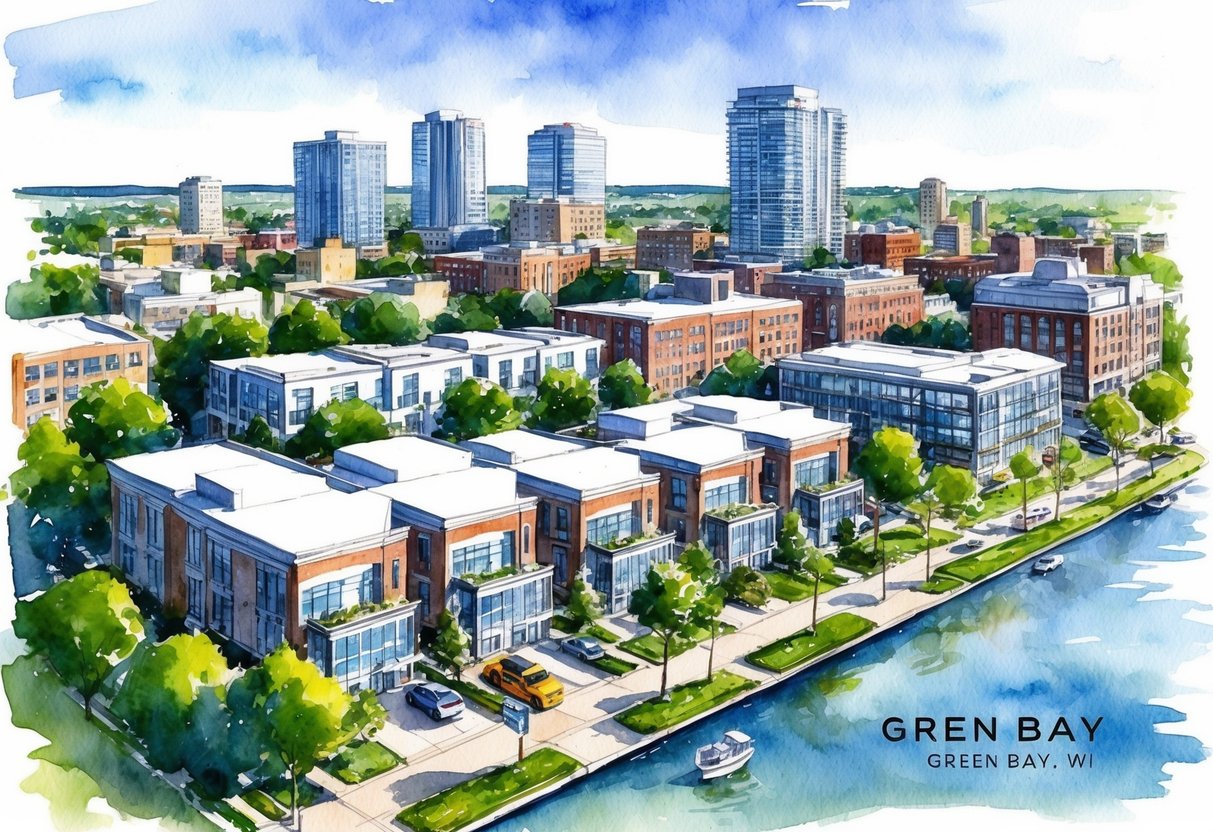
Why do I look at the Midwest when weighing my real estate options? The region stands out for its affordability and consistent job growth, making it a reliable market for long-term investments.
Green Bay, Wisconsin, embodies many of these core advantages.
Affordability and Cash Flow
When I compare property prices in the Midwest to large coastal cities, the difference is huge. In markets like Green Bay, lower purchase prices mean I need less upfront capital.
This opens the door for investors who want to enter real estate without risking everything they’ve worked for. Lower purchase prices often translate into better potential for positive cash flow.
I can typically find single-family homes and duplexes that rent well, helping me cover mortgage and expenses more easily. Landlord-tenant laws tend to be straightforward, reducing headaches if something goes wrong.
According to recent trends, Wisconsin offers affordable prices and solid rental demand. For me, that means I have a better chance of seeing steady monthly income and growing my wealth with less financial strain.
Stable Economic Growth
Midwest cities may lack the flash of New York or Los Angeles, but that’s precisely what makes them reliable. I see places like Green Bay benefiting from diverse economies—manufacturing, healthcare, and education all provide stable jobs.
Local employers create a foundation that keeps rental demand strong. Historically, the Green Bay housing market is known for stability and lower risk of dramatic price swings.
I consider this especially important when thinking about long-term investments and planning for retirement. If I’m going to count on rental income or potential appreciation, I want a market that keeps moving forward, not one that leaves me exposed to sudden downturns.
When job growth remains steady, more residents can afford to rent, vacancy rates stay manageable, and rent defaults are less common. This is the sort of environment I look for to protect my investment and give myself peace of mind.
Tips for First-Time Real Estate Investors in Green Bay

Ever wonder why some people build wealth faster while others just keep spinning their wheels? I’ll share a few things that have actually worked for me and other investors here in Green Bay.
Start with a plan. I always ask myself—what’s my goal with this investment?
Do I want cash flow, appreciation, or maybe a bit of both? Setting clear goals keeps me on track and helps me ignore a lot of noise.
Location matters a lot. Not every neighborhood is the same.
Some spots in Green Bay are attracting new businesses and young families. That’s where I see real potential for growth.
I like to dig into emerging neighborhoods for real estate investment and actually go check them out in person.
Building a team changed everything for me. I look for real estate agents, honest contractors, and other investors I can actually trust.
Good people help me spot red flags before they become problems. If you’re not sure where to start, local meetups and online forums are solid options—at least, that’s what Renard Realty Group recommends.
Before I buy anything, I always crunch the numbers. Here’s a simple table I use:
Expense
Estimate
Monthly mortgage
$___
Taxes
$___
Insurance
$___
Repairs
$___
Vacancy
$___
Total Monthly
$___
Knowledge really is power. I keep learning from trustworthy sources, books, and investing guides.
Every smart investor I know keeps asking questions. Why not you?