
Home prices have taken an incredible journey over the past 40 years. You might think this journey is in the realm of 100% or even 200% increases, but it’s actually way beyond that. Nationally, we’re talking about a climb of 490%. 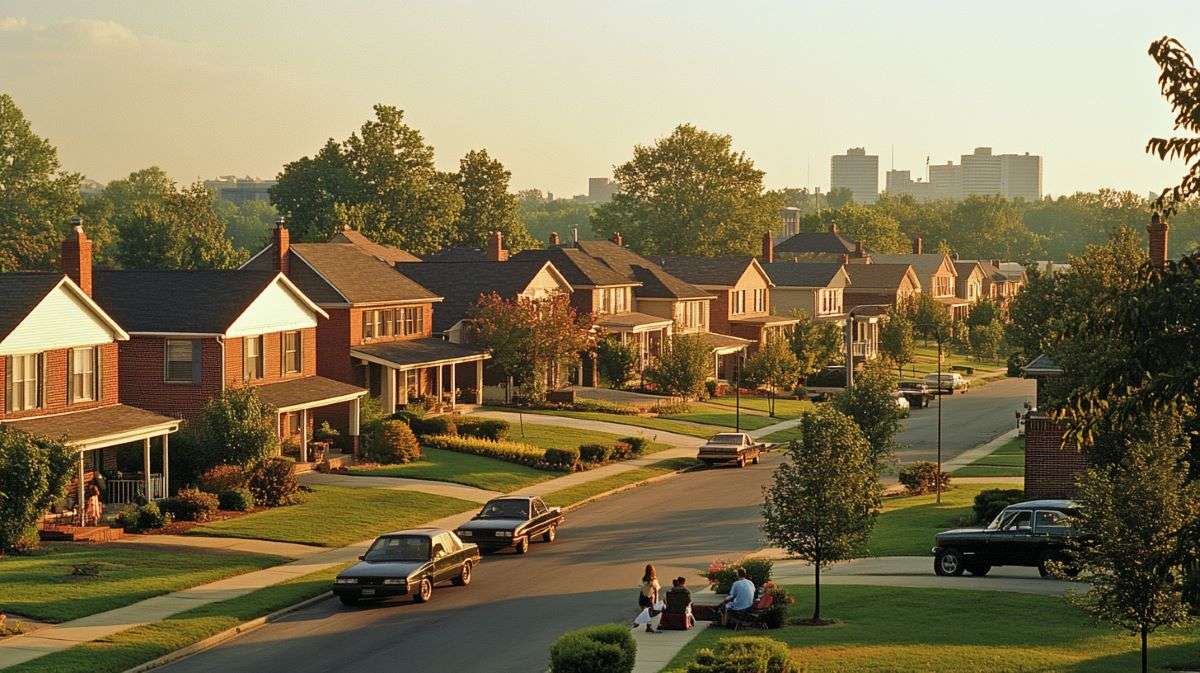 It’s amazing how much values have shot up since 1984. Factors like limited building space and high demand, notably in coastal areas, have influenced this rise. The West Coast, for instance, has seen massive increases where big names like Amazon and Microsoft call home. If these price leaps surprise you, consider that back in the ’80s, things were quite different, with home values and daily life operating at a much different scale. What about the broader implications of these soaring prices? It’s not just about the numbers. Remote work has changed the landscape, and even states with historically less appreciation, like Ohio, are now positioned for future growth. We have to consider how these changes align with the cost of living, inflation trends, and increased family income needs. Are homes offering more space now because family sizes are smaller? And looking ahead, what does the future hold for real estate? Could values surge to even greater heights? Get Rich Education has laid out the data very well in the following video:
Key Takeaways
- Home prices soared 490% over the past 40 years.
- Remote work influences suburban real estate interest.
- Future housing demands may drive prices even higher.
A Look Back at Home Prices Over Time
It’s amazing how much home prices have changed in the last 40 years. Back in 1984, home prices were quite different from what they are today. Do you remember a time when the median home price was just $81,000? It’s hard to imagine, especially given the huge rise in prices we’ve seen since then. Nationally, home prices have jumped by a whopping 490%. This remarkable increase stems from a mix of factors, including supply limits and rising incomes in coastal areas. Take a look at the coastal states like Washington and Oregon. This is where prices have truly soared, with Washington leading the pack with an 80% increase. Why have these areas seen such growth? It’s all about constraints. Geographic limits like oceans reduce buildable space, and stringent regulations further restrict housing supply. Plus, these coastlines are often where we find high-paying jobs, letting locals afford more. Let’s not forget about the interior states that came late to the party but still made an impact. Tennessee and Texas started their climb about a decade ago. Recent trends, like the rise of remote work, have made places in the Midwest and Great Plains more appealing. Affordable housing there is becoming a top choice for many. Comparing this growth to inflation and income changes over the years is also interesting. Since 1984, inflation has gone up by 2,011%, while median household incomes have increased by 260%. Despite this, the value of each dollar has fallen, making homes feel more costly. Interestingly, not only are homes more expensive, but they’re also bigger today. The median home size has grown by 150% since 1980, even as family sizes have shrunk. With all these changes in mind, it’s compelling to think about the future. Will we see another 490% rise in home prices over the next 40 years? Starting from our current situation of low housing supply and strong demand, it’s entirely possible. The number seems striking now, just like today’s prices would have seemed in 1984.
40-Year Home Price Changes by Region
Coastal States’ Price Surge
Have you noticed that the coasts are where home prices have climbed the most? It’s no coincidence. Coastal states like Washington, Oregon, and California have seen tremendous growth, with Washington leading the pack at an 80% increase. Why is this? It’s all about location and restrictions. The oceans limit where you can build, and these places often have strict building rules, which keeps supply low. Incomes have also been rising sharply on the coasts. Areas like Seattle boast major companies like Amazon and Microsoft. When people earn more, they can spend more, pushing up home prices. Think about this: Coastal living comes at a cost. High property taxes and regulations often protect tenants over landlords, making rental properties less appealing. Sounds like a challenge, right? It’s a reality for many property investors.
Rocky Mountain and Emerging States
Let’s talk about the Rockies and some other states that have been catching up in the home price race. Montana and Idaho have joined the leaders with impressive gains. They’re not on the coast, but they’ve shown robust appreciation, fueled by people moving in and looking for more affordable options. In the past decade, states like Tennessee and Texas have started to shine, finally joining the appreciation curve. Remote work has played a role here, as people now look further inland for homes, no longer tied to urban centers for work. And here’s a thought: Ohio might soon be a rising star. Despite slower appreciation, this state still offers affordable living and strong landlord laws. With diverse industries and stable population numbers, Ohio’s potential is something to watch.
Factors Affecting Property Values
Building Challenges and Limited New Homes
Have you ever wondered why coastal states see skyrocketing home prices? The landscape sets natural limits. For instance, the ocean provides a definite edge beyond which homes can’t be built. Plus, you’ll notice in these areas, strict building rules make it harder to expand. This makes homes there even more valuable.
Earnings and Taxes
Speaking of coastal living, who earns the most? It’s residents in these regions. With big companies like Amazon and Microsoft headquartered in Washington State, salaries can be pretty high. But, there’s a catch—these states often hit you with higher tax bills. You end up spending more not just on homes, but on taxes too, which pushes prices up further.
Changing Rental Markets
Now, let’s talk rentals. Coastal renters face a dilemma. While the price of buying homes keeps going up, rents aren’t increasing as fast. Plus, renters have the law on their side with regulations often looking out for them over landlords. This mismatch can make renting less attractive compared to owning, pushing more people to buy, further driving prices up.
Remote Work and Moving to the Suburbs
I’ve seen a dramatic change in how we work and where we choose to live. Remote work changed everything, didn’t it? As the possibility to work from home grew, many professionals started looking past cramped city apartments and set their eyes on the suburbs. Why are folks moving away from city centers? One big reason is money. Homes in suburban areas are often more affordable compared to their city counterparts. With companies allowing flexible work, commuting long distances everyday isn’t a worry anymore. This shift lets people find homes that offer more space for less money. Table: Comparison of Urban vs. Suburban Living
Aspect
Urban Areas
Suburban Areas
Housing Prices
High
Lower
Space
Limited
More available
Work Commute
Shorter in-person commutes
Longer for in-person, zero for remote
Community Feel
Often diverse and busy
Quieter, often considered family-friendly
Remote work means I can have the best of both worlds. Work in a virtual environment while enjoying a home in a peaceful neighborhood. Plus, owning real estate now feels like a different game. In suburban areas, there are fewer regulations and lower taxes compared to urban locales, providing a potentially better investment for the long haul. What does this mean for us? No longer bound by the office, the decision on where to call home has never been more liberating.
Opportunities in Overlooked Markets
Example: Ohio
I’m here to tell you about an unsung hero in today’s real estate market: Ohio. Maybe you haven’t considered it before, but Ohio has a lot going for it. It shines with a diversity of industries and offers a breath of fresh air with its lower cost of living. Even with less appreciation compared to other states over the years, it hasn’t lagged as much as you might think. Ohio has a stable population. It’s got a mix of industries that provide a solid foundation for economic growth. Now, for those of you thinking about rental properties, there’s good news. Ohio’s laws are favorable to landlords. That means you have more confidence and protection when investing your hard-earned money. And think about this: Ohio is within a day’s drive from half of North America’s population. This strategic location makes it a prime spot for people and businesses looking to connect quickly. So, while others may chase the hot markets on the coasts, Ohio stands ready as a real gem for savvy investors like you.
Comparing Home Prices, Inflation, and Income Trends
It’s fascinating to see how home prices, inflation, and household incomes have changed over time. Real estate values have jumped 490% over the past 40 years, which is nothing short of remarkable. Back in 1984, the median home price was only $81,000. Fast forward to today, and they’re over $400,000. Now, let’s talk inflation. Over these 40 years, overall inflation soared to 2,011%. This means your dollar buys a lot less than it used to. And if you thought incomes kept up, think again. Median household incomes have only risen by 260%. How does this all come together? Homes cost way more now, and the dollar is weaker, so people need more cash to buy a similarly sized home. Yet, homes are bigger and, at times, both parents work to make payments possible. Despite challenges, real estate values have the potential to climb even more, driven by supply and demand dynamics. So, what will the next 40 years bring to housing prices? Could we see another incredible leap?
Changes in Home Size and Family Dynamics
Over the past few decades, there’s been a noticeable shift in the size of homes and the way families live. The median home size has increased a striking 150% since 1980. Families find themselves with more living space while the average household size has actually shrunk. This means each person often enjoys more personal space than ever before. Now, why is that happening? Think about it: more people in a household working means families need more room for home offices or leisure activities. However, this change in space can come with a cost. Families often require dual incomes to manage these larger homes, leading both parents to juggle work and household responsibilities. In today’s world, the value of having a larger home can’t be understated. It provides comfort and convenience, especially as the home has become a central hub for work and play. With children needing more room for educational activities and adults requiring offices, every corner of the home is being utilized like never before. The family structure itself has evolved, but the primary need for comfort and functionality remains ever important. As we consider the future, understanding how space and dynamics interact may be key to addressing not just the needs of today, but also those of future families.
Looking Ahead
Long-Term Home Price Growth
Imagine a future where home prices rise another 490% over the next four decades. Is it really possible? I believe it’s not just possible, but likely. Consider where we are starting from today: a tight housing supply combined with strong demand. These factors, along with expected inflation, could push prices even higher. Back in 1984, a $400,000 median home price would have sounded unbelievable. Fast forward, and it’s today’s reality. Wouldn’t it be just as possible for a median home to hit $2 million by 2064? It might seem far-fetched, but the foundation is there.
Effects of Inflation and Mortgage Rates
Over the last 40 years, home prices increased significantly—partly due to inflation. Back then, inflation was over 2011%, and mortgage rates were around 14%. Today’s rates are about half, although current home prices may seem steep. Keep in mind, inflation reduces the dollar’s spending power. It’s crucial not to overlook how economics forces shape the housing market. Given the changes in financial dynamics, paying more for homes in an inflated scenario is conceivable. So, is the future cost of a house another surprise? Absolutely, especially when considering the potential for financial and market shifts.
Connecting the Past and the Future
Price Changes Over the Years and What’s Ahead
Have you ever wondered how much the cost of homes has truly changed? In the past 40 years, across the United States, home prices have jumped dramatically. Way back in 1984, the average home cost about $81,000. Today, those numbers are much higher. Some states on the coast, like Washington, have seen the biggest increases. Why is that? Limited space for building and higher incomes play a big role. Now, what about the future? Could we see home prices soaring again to unimaginable heights? I think it’s a real possibility. With current low housing supply and increasing demand, prices might just keep climbing. Imagine a world where the average price of a house reaches $2 million. This might sound far-fetched now, just as today’s prices did back in 1984. To see this from another angle, let’s compare it with how people’s earnings and inflation have risen. Over these 40 years, U.S. median household incomes went up too, but not as much as house prices. Houses today are bigger, yet family sizes are smaller, so we’re paying more for more space. It’s like we’re caught in a cycle where houses get pricier, incomes rise, and inflation makes everything cost more. The question is, are we ready for what the future holds in real estate?
Recognizing Long-Term Market Forces
Ever wonder why certain areas have seen skyrocketing home prices? It’s not just chance. Coastal states like Washington, Oregon, and California have led this trend over the past 40 years. What’s driving this? The answer is multi-faceted: limited space due to natural boundaries, strict building regulations, and rising incomes have played their part. As more people flock to these areas, prices shoot up. Take Washington State, for example. It’s home to some of the biggest companies like Amazon and Microsoft. This means more jobs and higher incomes, leading people to buy homes and push prices even further. Coastal states also tend to have higher taxes, affecting housing markets. The relationship between demand, regulation, and economic strength cannot be underestimated. Now, let’s shift our focus inland. States like Tennessee and Texas have joined the appreciation game more recently. With the rise of remote work, more people see these states as attractive housing options. Why? Less crowded spaces and more affordable prices. The Midwest and Great Plains are drawing attention for similar reasons, with people looking for more space and less rush. Throughout these changes, one state poised for growth is Ohio. It’s got a diverse economy, lower cost of living, and laws that favor property owners. Plus, it’s strategically located within a day’s drive of half the U.S. population. The numbers are telling. Over the past 40 years, home prices have increased by an astounding 490%. To put that into perspective, consider that inflation has grown 2011% and household incomes by 260%. Homes today are larger, even as family sizes shrink, offering more value for the price. What about the future? With a low housing supply and strong demand, including factors like immigration and changing birth rates, we could see prices jump another 490% in the next 40 years. Imagine a median home price of $2 million! It sounds outlandish, but so did today’s prices to someone in 1984. What’s key here? It’s not just about surviving in this market but thriving by being informed and strategic. Recognizing these long-term market forces could be your key to success in real estate.