Creating a successful short-term rental property is more than offering a place to stay—it’s about providing an unforgettable experience. In today’s market, making your rental property a smart home can set you apart from the competition. The right technology can make a big difference in attracting guests and keeping them satisfied.  Picture this: your guests arrive at a beautifully lit and perfectly climate-controlled home, all set up before they even walk in the door. Smart home technology enables you to provide this level of comfort and convenience, impressing guests and encouraging them to return. The integration of smart home features can boost both your property’s appeal and your bottom line. Smart security systems, automated temperature controls, and efficient lighting setups are just a few examples of how technology can streamline operations and enhance guest satisfaction. This is a practical approach to increasing your rental’s profitability and providing a seamless, memorable stay for your guests.
Key Takeaways
- Choose smart tech to improve guest experience and value.
- Proper planning leads to efficient smart home operations.
- Security and legal considerations are vital in smart rentals.
Understanding the Smart Home Concept
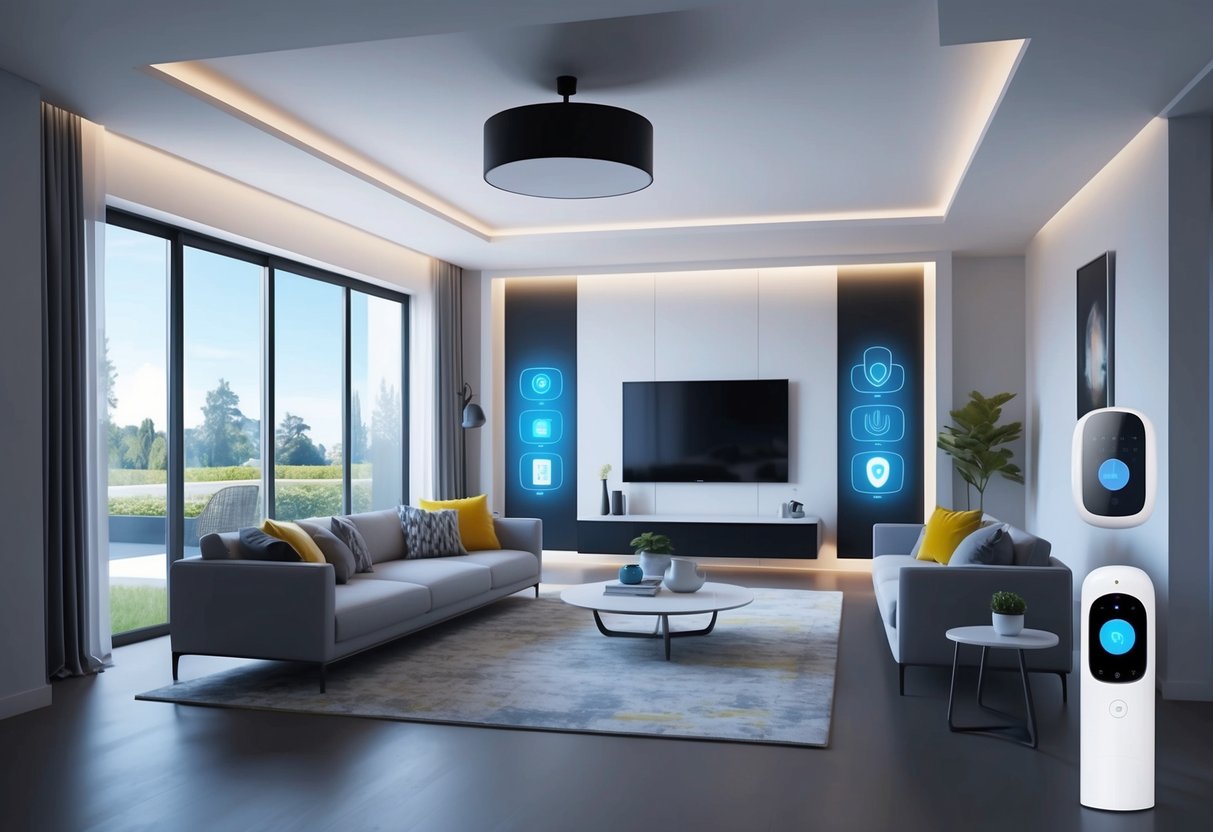 Smart homes are transforming how we manage properties, especially in the short-term rental market. By integrating technology, we can enhance security, automation, and guest satisfaction, leading to a more successful rental experience.
Defining Smart Home Technology
What exactly is smart home technology? Simply put, it’s a system of interconnected devices and appliances controlled remotely via a smartphone, computer, or central hub. Think of devices like smart lights, thermostats, and security cameras that can be managed from anywhere. This technology allows for greater control and efficiency in operating a property. It’s about making life easier and more secure, with a touch of a button or a voice command.
Benefits of Smart Homes for Rentals
Are you frustrated with the hassles of managing a short-term rental? Smart home technology can help. It offers enhanced security through devices like smart locks and cameras, ensuring that your property is always protected. Another advantage is the convenience of managing utilities remotely, reducing energy costs and malfunctions. Moreover, tech-friendly homes attract more guests, improving your booking rates. Guests appreciate seamless experiences, leading to positive reviews and repeat bookings.
Essential Smart Home Features for Guests
What do guests find most appealing in a smart home? Keyless entry systems make checking in and out a breeze, eliminating the need for physical keys. This simple upgrade enhances security and convenience for both guests and hosts. Don’t forget about smart thermostats, which allow guests to customize their climate settings quickly. Additionally, providing a digital house manual with Wi-Fi passwords and appliance instructions is a great way to offer a smooth experience. создание.
Planning and Goal Setting
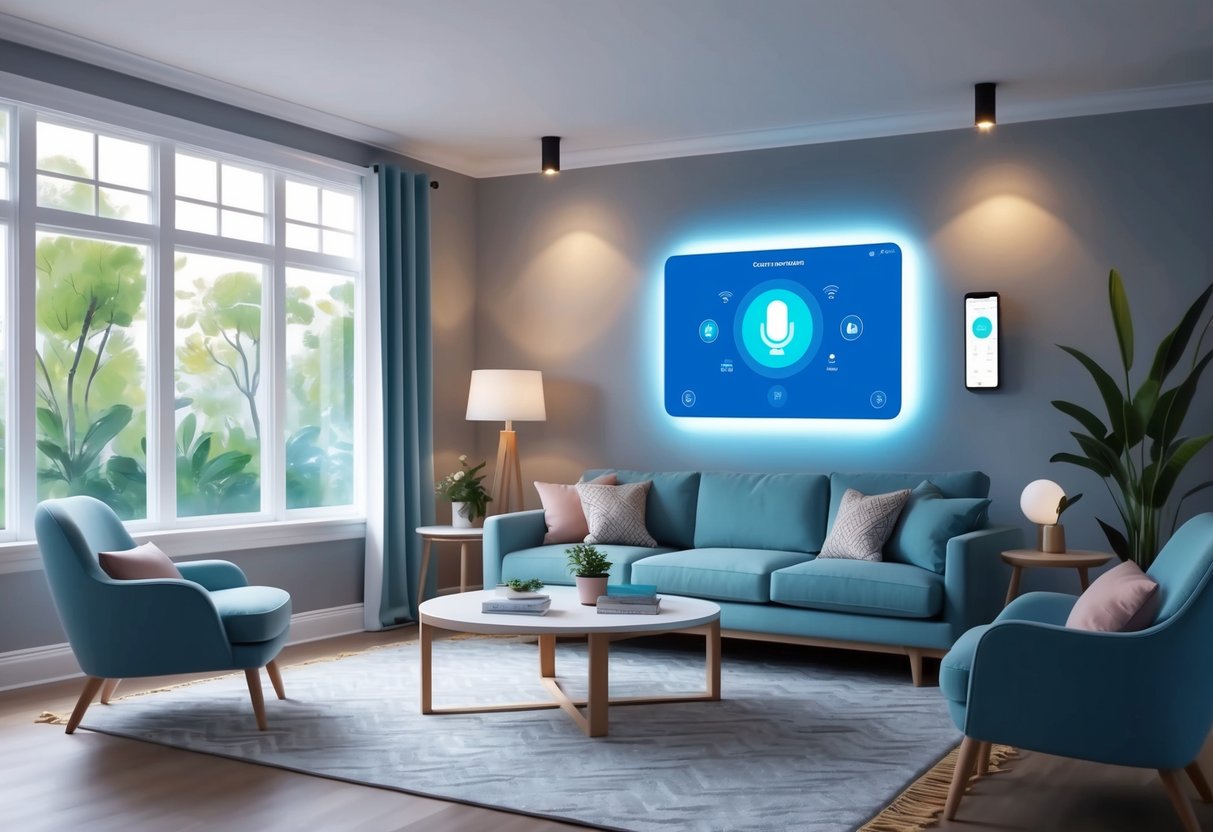 Creating a smart home for short-term rental success involves understanding your guests’ needs and smartly prioritizing investments. By accurately identifying your target audience and focusing on the right technologies, you can enhance guest experiences and maximize your rental’s appeal.
Identifying Target Guests
Understanding who your guests are is crucial. Are they families on vacation, business travelers, or solo adventurers? Each group has different needs and preferences. Families might appreciate childproofed homes and streaming services, whereas business travelers might prioritize high-speed internet and workspaces. To nail down your target market, consider the location and attractions nearby. What kind of visitors does your area naturally attract? Use local events, nearby amenities, and past guest reviews as clues. Identifying these factors helps in tailoring the smart home features to appeal directly to the guests you want.
Prioritizing Smart Home Investments
After identifying your guests, the next step is choosing the right smart home technologies. Not all gadgets are equally valuable. Think about what enhances comfort, safety, and efficiency in the home. Smart locks provide secure, keyless entry, which is especially appreciated in rentals due to guest turnover. Consider installing smart thermostats for energy-efficient climate control. Devices like automated lighting systems can create a welcoming atmosphere while also conserving energy. Features that increase security, like smart cameras, appeal to both you and your guests. Each investment should meet a clear need, enhancing the stay experience and potentially increasing rental income.
Selecting the Right Smart Home Technology
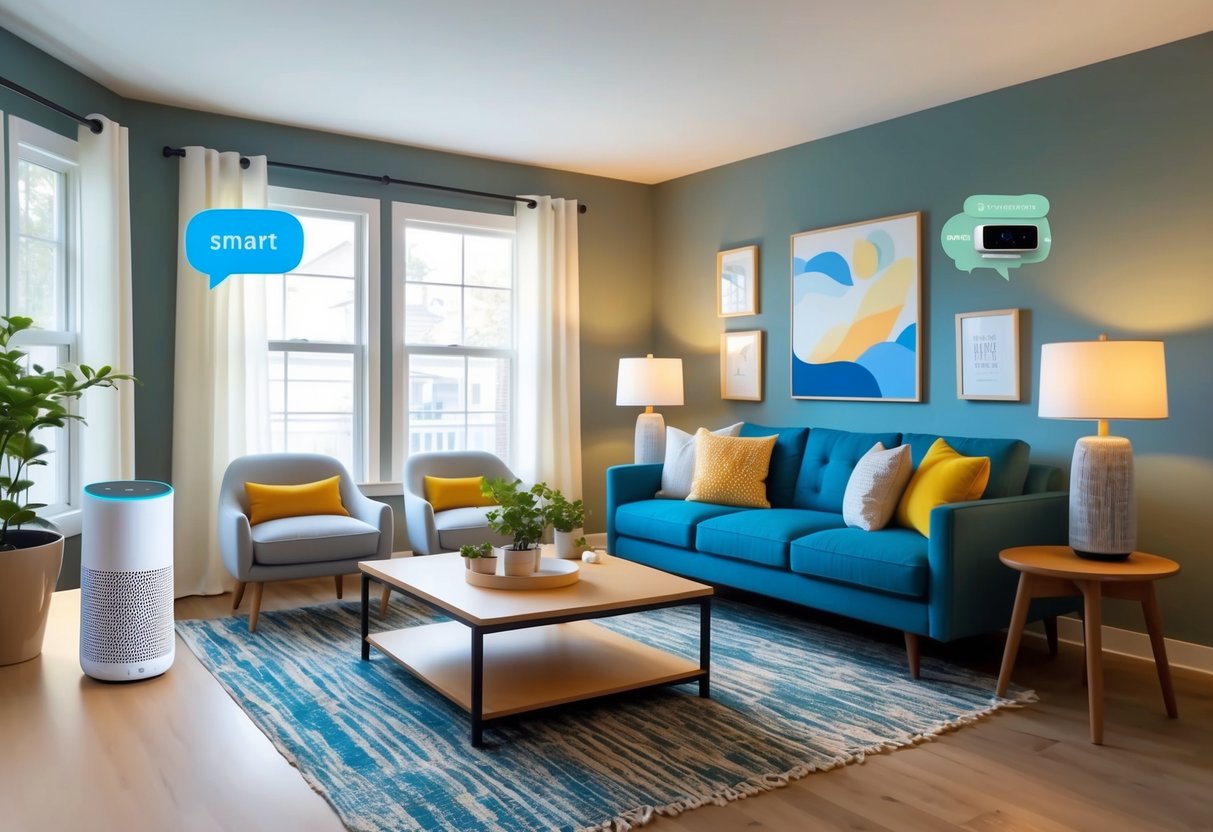 As I dive into building a smart home for short-term rentals, I quickly realize the importance of choosing the right technology. Picking the best smart home platforms and integrating devices effectively can make a huge difference in the guest experience and the efficiency of managing a property.
Comparing Smart Home Platforms
Navigating the sea of smart home platforms can be overwhelming. What sets one apart from another? In my experience, key factors like compatibility, ease of use, and integration capabilities play crucial roles. Popular platforms include Google Home, Apple HomeKit, and Amazon Alexa. Each has its strengths and weaknesses. For instance, Apple HomeKit is known for its security and privacy features, while Amazon Alexa offers extensive third-party device compatibility. Google Home provides robust integration with other Google services, making it ideal for users already in the Google ecosystem. Taking the time to research these options is vital. Before making a commitment, I suggest digging into user reviews and testing the platforms in action.
Integrating Devices for a Seamless Experience
Once I’ve chosen a platform, device integration becomes the next challenge. How can I ensure that everything works together smoothly? First, I start by listing the essential devices needed for the rental—smart locks, thermostats, and light systems are great starting points. These can enhance the guest experience by offering convenience and control. To create a seamless experience, I focus on ensuring that all devices communicate smoothly. This often involves setting up a central hub that unifies different components, like using Samsung SmartThings or Zigbee for broader connectivity. Remember, the goal is to have a system where guests can easily control everything through simple commands or an app. This not only boosts convenience but also enhances security and energy efficiency of the property.
Smart Home Security Considerations
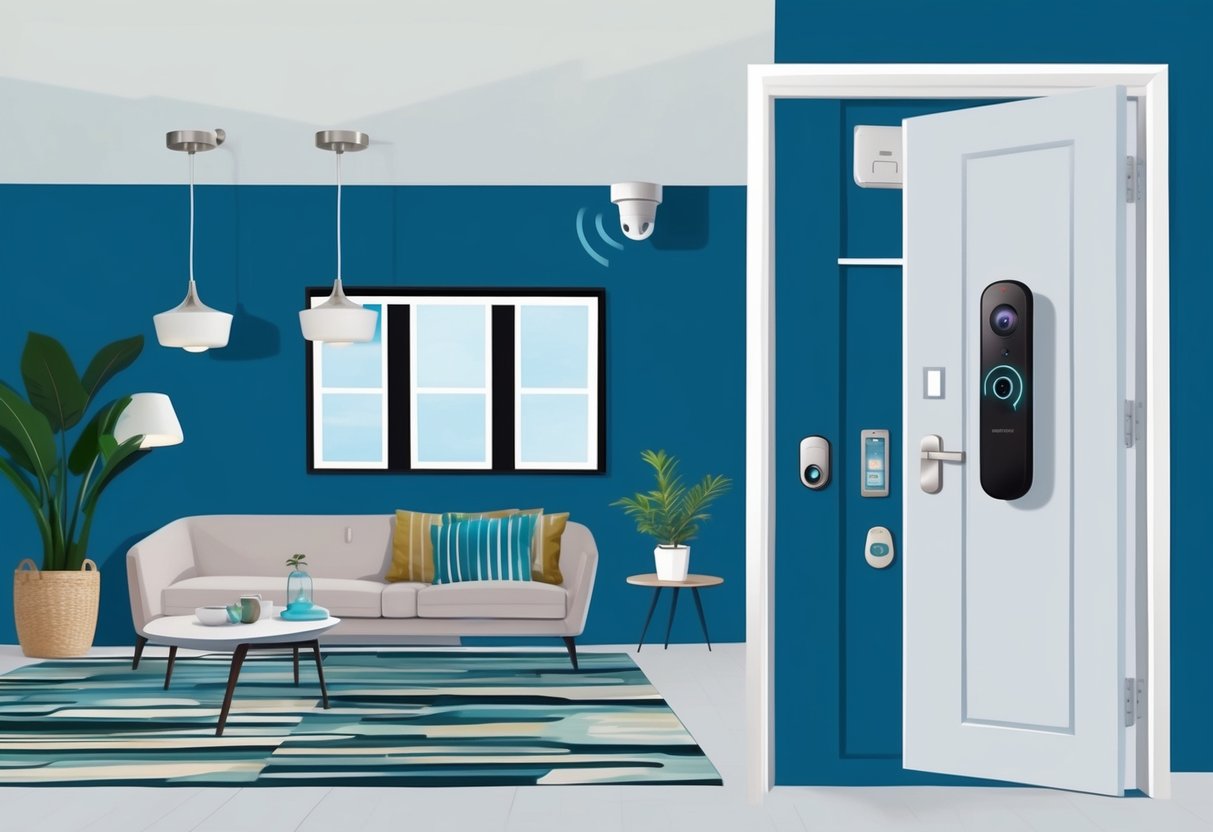 When setting up a smart home for short-term rentals, two core elements come to the forefront: ensuring guest privacy and implementing reliable security features. Balancing these two considerations ensures a safe and comfortable environment, boosting guest satisfaction and encouraging positive reviews.
Ensuring Guest Privacy
Guest privacy is paramount. It’s not just about protecting personal information, but also about creating a space where guests feel at ease. Smart home technology can sometimes blur these lines. For instance, smart cameras are excellent for security, but their placement is crucial. Install cameras in common areas only, and never in private quarters like bedrooms or bathrooms. Use devices that respect privacy settings and allow guests to control them if needed. Providing a clear information sheet about device capabilities reassures guests. A transparent approach prevents misunderstandings. Invest in devices that store data locally rather than on the cloud. This reduces the risk of breaches and enhances trust.
Implementing Reliable Security Features
Reliable security is essential to protect both the property and guests. Think about it: how secure is secure enough? Smart locks are a must. They offer keyless entry, and you can change access codes between guests, which heightens security. Two-factor authentication for smart systems adds an extra layer of safety. Smart alarms and detectors can alert you to threats like fire or carbon monoxide. These integrated systems provide peace of mind, reducing vulnerability. Maintenance is key. Regularly update all devices and check for security patches. Keeping everything up-to-date minimizes the risk of cyber threats. A smart home system that provides both security and efficiency is not just an investment in property—it’s an investment in peace of mind.
Installation and Setup
 When setting up a smart home in a short-term rental, choosing between professional installation and a DIY approach is crucial. The process must ensure user-friendly environments for guests. Each path offers distinct advantages, and the choice often comes down to personal preference and budget considerations. Let’s dive into these options in detail.
Professional vs. DIY Installation
Is professional installation worth it for your rental property? Hiring experts guarantees precision and saves time. Technicians bring experience to handle complex systems and ensure everything integrates smoothly. They also provide ongoing support and troubleshooting, benefiting the long-term management of your property. On the other hand, DIY installation can be cost-effective and gives you control over the process. For the tech-savvy homeowner, setting up devices yourself can be satisfying. Online resources and tutorials make it easier than before to tackle installations. But remember, complex setups may become time-consuming without professional help. Always weigh the pros and cons based on your comfort level and budget.
Creating a User-Friendly Environment
Think like your guests: what makes their stay seamless? Easy-to-use systems bring comfort and satisfaction. Smart home devices should be intuitive, with simple instructions. Consider providing a printed manual or digital guide to help guests quickly learn to use the features. Labeling devices and setting up centralized controls can streamline user experience. Imagine guests adjusting lights or thermostats with a single touch. Voice-activated assistants simplify interaction, making guests feel at home. A secure yet accessible Wi-Fi connection is essential, leveraging technology like mesh network routers to ensure coverage throughout the property. By focusing on ease of use, you enhance the appeal of your rental.
Operating Smart Homes Efficiently
 Efficient operation of smart homes in short-term rentals is key to managing costs and ensuring guest satisfaction. Two crucial areas are energy management and the maintenance of devices and systems. Let’s explore how to maximize efficiency and keep everything running smoothly.
Energy Management Strategies
Why pay more for energy than necessary? Using smart devices can save a lot on utility bills. I always set programmable thermostats to adjust temperatures based on occupancy and weather conditions. This reduces energy waste, especially when properties aren’t rented. Smart lighting systems are another great way to cut down on costs. These systems automatically turn lights off when rooms are unoccupied. Consider using energy-efficient LED bulbs. They consume less power and last longer, furthering reducing expenses. Have you considered integrating solar panels into your property? While the initial investment might seem steep, the long-term savings are substantial. They help decrease reliance on traditional power sources and provide electricity even during outages.
Maintaining Devices and Systems
Keeping smart home devices in top condition is crucial for reliability. I regularly update all software to prevent security vulnerabilities. Always check for firmware updates for smart locks, cameras, and thermostats. I also schedule routine inspections and maintenance for these devices. This helps catch issues early before they cause bigger problems. Regular dusting and cleaning of devices, such as cameras and sensors, ensure optimal performance. Don’t forget about internet health. A strong and reliable Wi-Fi connection is the backbone of any smart home. Set up a quality router, and monitor network performance to spot and resolve issues quickly.
Enhancing Guest Experience with Smart Technology
 When it comes to short-term rentals, the way to win over guests is by making their stay as smooth and enjoyable as possible. Implementing smart technology can create this kind of experience through personalized interactions and enhanced comfort.
Personalizing Guest Interactions
Have you ever stayed somewhere that seemed to know exactly how you like things? With smart technology, we can tailor a guest’s experience from the moment they book until they leave. Smart speakers and personalized apps can greet guests by name and offer customized recommendations for dining or activities. By integrating a guest’s preferences into the smart home system, we can anticipate their needs and create a seamless experience. Imagine arriving to a cozy, well-lit room because the system knew you preferred soft lighting. Smart thermostats adjust the climate based on a saved profile, making things feel just right. This kind of personalized touch not only makes guests feel valued but can also encourage them to return. Isn’t it wonderful when technology just gets you?
Improving Convenience and Comfort
Beyond personalized interactions, smart technology makes life easier. Keyless entry systems simplify check-ins, eliminating the need for physical keys or late-night lockouts. Guests can use their smartphones to enter, freeing us from the hassle of manual operations and offering more security. Think about smart lighting that adjusts based on the time of day or rooms equipped with voice-controlled assistants to help guests set alarms or find local attractions. This level of convenience turns a simple stay into a modern, hassle-free experience. It’s all about creating a comfortable environment where guests can relax and enjoy their time, ensuring they leave with positive memories. Wouldn’t this kind of setup make any vacation unforgettable?
Marketing Your Smart Rental Property
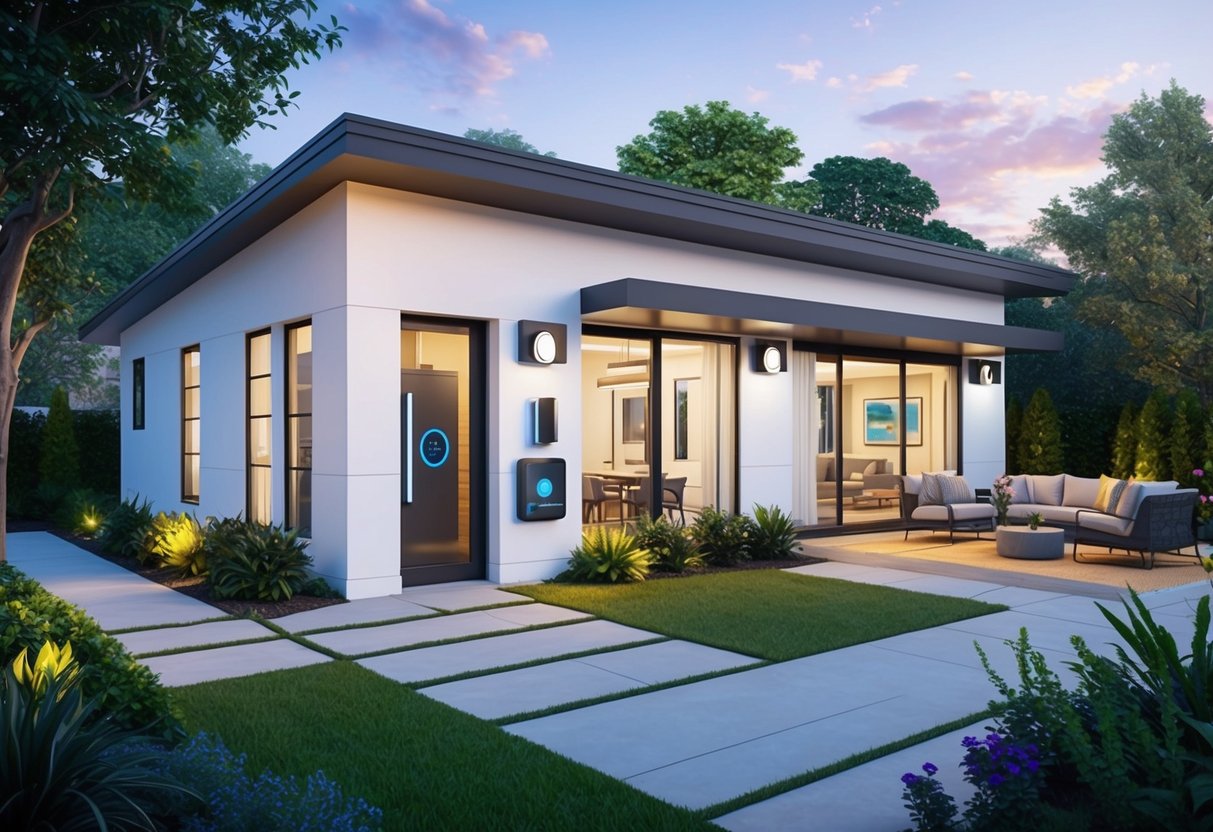 When marketing a smart rental property, it’s crucial to highlight the unique technology and to leverage guest reviews. These strategies can significantly boost your property’s visibility and appeal.
Showcasing Smart Features in Listings
Why do you think highlighting smart tech is essential? It’s because renters are attracted to features that make their stay more convenient and enjoyable. I make sure to emphasize key aspects like smart locks, thermostats, and lighting systems. For instance, a smart lock offers security and ease of access, especially for guests arriving late without prior check-in arrangements. Describing how a smart thermostat can provide personalized comfort can appeal to those sensitive to temperature changes. Including a bullet point list of these features in your listing makes it easy for potential renters to understand the benefits at a glance. Using high-quality images and video tours helps bring these features to life. A short video showing how to control lighting through voice commands can make a lasting impression. Effective visuals and clear descriptions help your property stand out in a crowded marketplace.
Gathering and Displaying Guest Testimonials
Another powerful marketing tool is guest testimonials. Why leave out the voice of satisfied guests? I encourage every guest to leave feedback through automated follow-up emails after their stay. This can be a gentle nudge to share their positive experiences with future guests. Displaying these reviews prominently on your listing page builds trust and provides social proof. For example, I use direct quotes in bold text to highlight specific compliments about the smart home features. This not only validates the experience of staying at my property but also reassures potential renters about their decision. Consider creating a dedicated section for testimonials. This makes it easy for visitors to read several reviews without scrolling through the entire listing. Remember, a property with numerous glowing testimonials can significantly influence a potential renter’s decision-making process.
Legal and Insurance Considerations
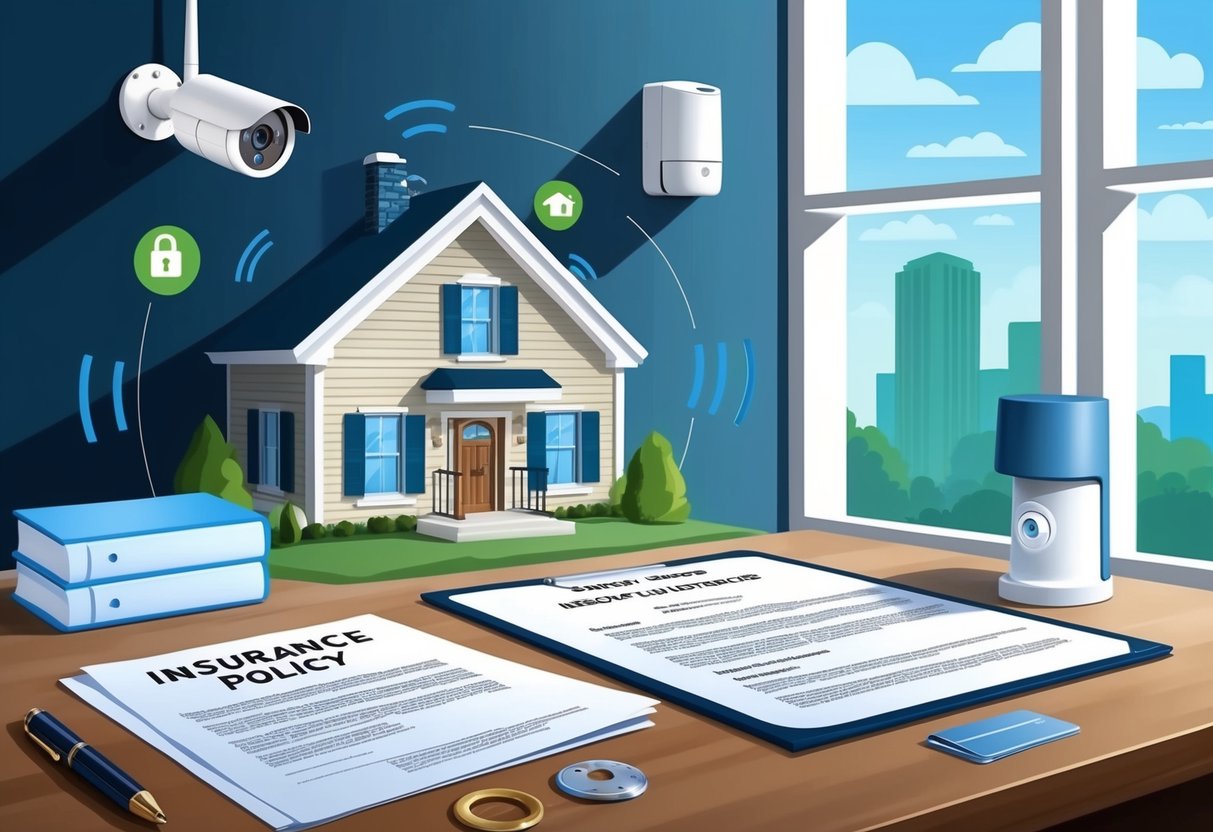 Navigating the complexities of legal regulations and insurance requirements is crucial for anyone looking to succeed with a short-term rental. It’s vital to be aware of your obligations to avoid fines or disputes, while proper insurance protects you from unforeseen events.
Complying with Local Regulations
Do you know the rules governing short-term rentals in your area? Each city has different requirements. For instance, some places necessitate a short-term rental license. Knowing this helps prevent legal troubles. In Sitka, Alaska, a short-term rental refers to any property rented for under 14 days. However, other cities may have a 30-day requirement. Pay attention to occupancy limits, which are often part of local regulations. Building a relationship with your local government or consulting a legal expert can make navigating these requirements much easier. Stay proactive and keep abreast of any regulatory changes to safeguard your investment.
Choosing Appropriate Insurance Coverage
Is your current homeowner’s insurance enough for a rental? Insurers often view short-term rentals differently, requiring specialized policies. Policies like vacation rental insurance can cover guest injuries or property damage. Liability coverage is a must. It protects you from claims if a guest gets hurt. Consider additional protection against theft or vandalism, which could occur during a guest’s stay. Insurance requirements often vary by location. Each policy comes with its exclusions and limitations, which are crucial to understand. Consulting an insurance expert who specializes in rentals is wise. With the right coverage, you protect not just your property but your peace of mind.
Monitoring and Evaluation
 Building a smart home for short-term rental success hinges on careful monitoring and evaluation. By focusing on tracking the return on investment (ROI) of smart home technology and collecting data for continuous improvement, I can ensure the best possible outcomes.
Tracking Smart Home ROI
How do I know if smart home gadgets are worth the investment? Tracking ROI is crucial. I start by comparing energy costs before and after the smart upgrade. Smart thermostats, for example, can significantly cut down on energy bills. Analyzing these savings helps determine financial benefits. Another key factor is occupancy rates. By installing smart locks, I can offer flexible check-in times, which guests love. Better experiences mean higher ratings and potentially increased bookings. Over time, I assess these ratings to gauge the influence of my technology investments. Cost savings and guest feedback provide a clear picture of ROI, making it easy to see if adjustments are needed.
Collecting Data for Continuous Improvement
Data is my ally in managing a successful rental. I collect data from smart home devices to identify patterns and preferences of guests. For instance, I track how guests adjust the lighting or what temperature they prefer with smart thermostats. This real-time info helps customize rental experiences. I also focus on maintenance data. Smart sensors can alert me to water leaks or unusual activity, allowing me to address issues before they escalate. Consistently logging and analyzing this data leads to preventive measures that keep the property in top shape. In short, by leveraging data from my smart home, I stay ahead of potential problems, meet guest needs better, and continually adjust my offerings to enhance their experiences.