
Have you ever wondered why so many landlords are turning to automated payment systems? It’s because managing rental properties can be a financial headache without the right tools. Automating rent collection not only streamlines the process but also provides peace of mind with consistent cash flow. Keeping track of incoming payments, tenants’ due dates, and possible late fees becomes a breeze, freeing up time for more pressing tasks. In my journey, I’ve seen how traditional rent collection methods often lead to delays and disputes. Automated systems eliminate these issues by providing clear records and enabling tenants to set up their own payment schedules. Plus, they offer flexibility with various payment options that suit both landlord and tenant needs. The benefits of selecting the right payment platforms are numerous. From boosting tenant satisfaction to ensuring compliance with financial regulations, these tools are transformative. In the following sections, I’ll share insights on choosing reliable systems and strategies to enhance rent collection efficiency.
Key Takeaways
- Automating rent collection boosts cash flow and minimizes delays.
- Choosing the right system enhances tenant satisfaction and compliance.
- Effective platforms simplify tracking and management of payments.
Understanding the Basics of Rent Collection
 Managing rental properties can feel like juggling a dozen balls in the air. One of the key aspects is rent collection. Have you ever wondered why some landlords seem to have it easy with rent, while others struggle? Lease agreements are the foundation of rent collection. These documents lay out when and how rent should be paid. It’s like setting the rules of the game before the first move. Want your tenants to pay on time? Make sure your lease is clear and straightforward. There are several methods for collecting rent: cash, checks, or electronic payments. Each method has its pros and cons. Cash is direct but risky. Checks provide records, yet they can bounce. Electronic payments, like those offered by rent collection software, streamline the process. What about late payments? It’s crucial to have policies in place. A well-drafted lease will specify late fees and grace periods. This keeps the rent collection process fair and stress-free for everyone involved. A checklist for landlords:
- Ensure your lease agreements are crystal clear.
- Choose the rent collection method that works best for you.
- Set strict yet fair policies for late payments.
- Keep communication lines open with your tenants.
Embracing these basics can transform rent collection from a headache into a breeze.
Benefits of Automating Rent Collection
 Automating rent collection offers various advantages for landlords. It promotes timeliness and reduces manual work, which can result in fewer late payments. This approach can enhance tenant satisfaction and retention by providing a convenient experience, while also enabling landlords to access real-time financial data.
Timeliness and Fewer Late Payments
One major advantage of automated rent collection is its impact on payment timeliness. By setting up automatic payments, tenants are less likely to forget due dates. Who wouldn’t appreciate consistent cash flow each month? Automated payments lead to fewer late payments, allowing me to focus on other aspects of property management rather than chasing down rent. The predictability of cash flow can be a game-changer for managing financial planning more effectively and ensuring expenses are covered on time. A smoother cash flow also helps me avoid the stress of late fees and potential disputes.
Reduction in Manual Data Entry and Errors
Reducing manual data entry is another compelling reason to embrace automation. By minimizing human intervention, the risk of errors in financial records is significantly reduced. Manually entering payment data is both time-consuming and prone to mistakes—errors that can lead to headaches down the road. With automated systems, I can ensure data accuracy and streamline accounting processes. Automated systems efficiently track tenant payments, eliminating discrepancies and providing a solid foundation for transparent financial management.
Enhanced Tenant Satisfaction and Retention
Tenant satisfaction is crucial for success in property management, and automation plays a key role. With automated payments, tenants enjoy the convenience of not having to remember to make their monthly payment. This convenience can improve their satisfaction and increase the likelihood of lease renewals. Happy tenants are more likely to stay long-term. Plus, automation provides a level of transparency that builds trust, as tenants can easily track their payment history and ensure everything is in order.
Real-Time Financial Tracking and Reporting
Having access to real-time financial tracking and reporting is invaluable. With automated rent collection, I can generate reports easily, giving me insights into my properties’ financial health at any moment. This feature allows for better financial planning and decision making. Seeing real-time data means I’m never in the dark about incoming cash and expenses. Using financial tracking tools, I can identify trends, forecast future financial needs, and make informed decisions to optimize my investments.
Exploring Payment Collection Methods
 In the world of rental properties, how you collect payments can significantly impact your business. From traditional methods to the latest mobile innovations, it’s crucial to choose options that work for both you and your tenants.
Traditional Payment Methods
Managing rental properties often brings to mind images of cash payments and money orders. Why stick with tradition? Some landlords prefer cash for its immediacy, but it poses security risks and lacks a digital trail. Money orders offer a more secure alternative, yet they require a physical exchange and cumbersome bank deposits. Even with their downsides, these methods remain popular among those hesitant to transition to digital solutions. For many, it’s about what feels safe and familiar.
Online Payment Options
In this digital age, online payment options streamline rent collection. Platforms that accept credit and debit cards are increasingly favored for their convenience. Who wouldn’t appreciate scheduled transactions, quick processing, and clear records? Online systems lower the risk of late payments and simplify tracking. Tenants appreciate the flexibility, while landlords benefit from timely and dependable cash flows. For those managing multiple properties, it brings peace of mind knowing rent is on time.
Mobile Payment Innovations
Mobile technology is the future, and payment collection is evolving with it. Mobile payment apps, such as those using Apple Pay or Google Pay, offer incredible convenience. How about rent payment with a tap of a phone? These apps support various methods like bank transfers and card payments. They provide security features that are robust, giving confidence to both tenants and landlords. The focus shifts from managing payments to managing properties, a true game-changer in property management.
Setting up Automated Rent Collection
 Automating rent collection can simplify rental management and improve cash flow. By choosing suitable tools and establishing efficient systems, I can reduce manual tasks and enhance payment reliability.
Choosing the Right Rent Collection Software
When selecting rent collection software, I look for user-friendly features and robust security. Is the platform easy for both me and my tenants to navigate? Many options offer payment tracking, reporting, and integration with property management systems. I prioritize software with automated reminders for tenants, ensuring on-time payments. Some platforms, like TurboTenant, offer convenient payment methods such as ACH, debit, and credit, which streamline the process. I examine user reviews and consider a trial period to evaluate effectiveness and reliability.
Integrating Automated Payment Systems
Integrating automated payment systems is crucial for seamless rent collection. These systems, often built into property management software, allow tenants to schedule payments directly from their bank accounts. I focus on platforms that support recurring transfers through ACH, ensuring funds are handled securely and efficiently. When exploring alternatives, like Stessa’s ACH payments, I assess ease of use and customer support. Setting up these integrations requires minimal effort, making the process smooth for both landlords and tenants while safeguarding financial transactions with encryption.
Creating Recurring Payment Schedules
Establishing recurring payment schedules helps maintain consistent cash flow. I encourage tenants to set up monthly payments that align with their paydays, which reduces the chance of late fees. Many platforms, such as Stessa, allow tenants to automate these payments, ensuring timely rent deposits. By using built-in tools for automated notifications and payment confirmations, I avoid the worry and effort involved in manual collection. Implementing these schedules engages tenants in the process, promotes financial responsibility, and ensures my rental income is reliable and predictable.
The Role of Property Management in Rent Collection
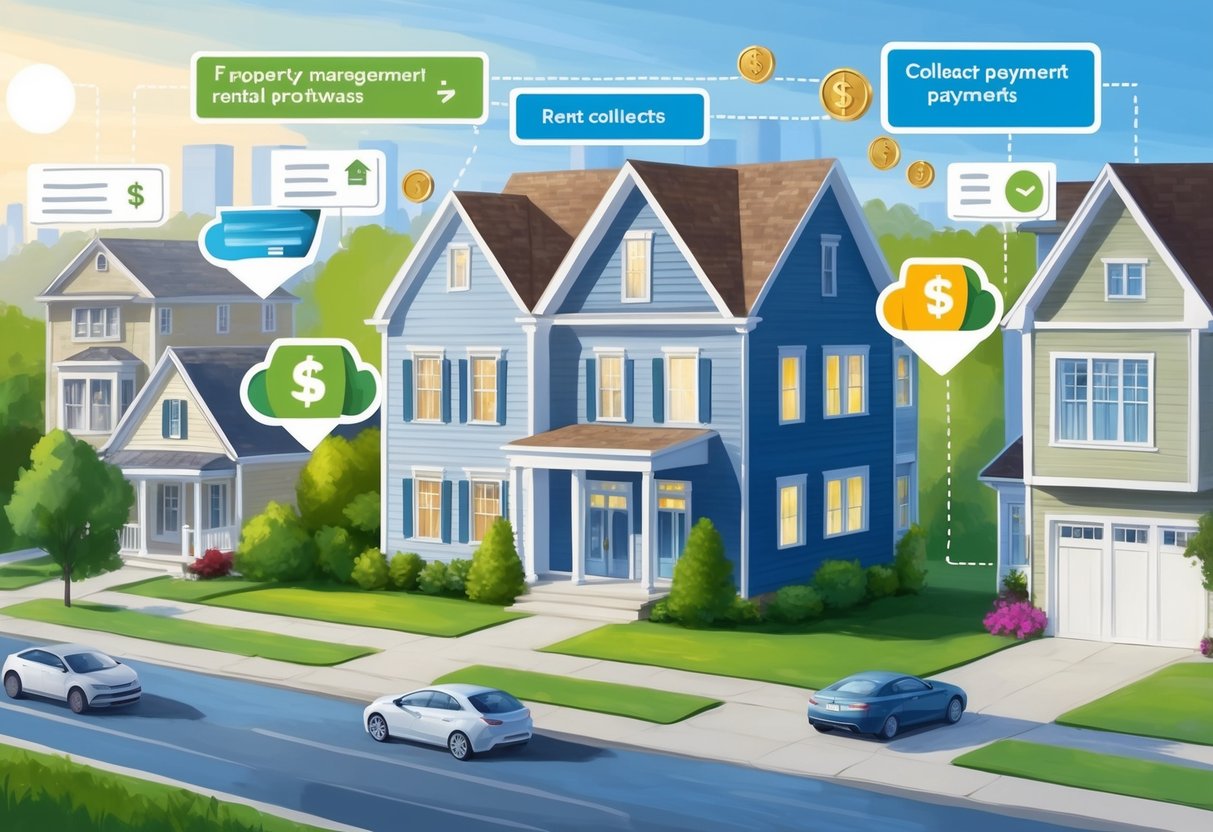 Managing rental properties effectively requires a strategic approach, especially in rent collection. Property management companies leverage advanced tools to streamline processes, improve tenant communication, and handle maintenance requests efficiently. These elements ensure steady cash flow and maintain tenant satisfaction.
Property Management Companies and Tools
Why leave rent collection to chance when you can automate it? Property management companies today use innovative tools to make the process more efficient. These tools can automate reminders, process payments, and track financial records. This reduces manual error and saves time. By integrating software that handles automated rent collection, landlords gain a comprehensive view of their financials. With these platforms, property managers can focus more on strategic tasks and less on administrative ones. The right tool can be a game-changer in making rent collection seamless and reliable.
Enhancing Communication with Tenants
Clear communication is crucial in any rental agreement. Yet, how often do landlords miss the mark here? Property managers play an essential role in bridging the communication gap. Using automated systems, they can send timely reminders for rent payments, share updates about community events, or notify tenants about important issues. Engaging with tenants through texts, emails, or app notifications keeps everyone informed and reduces misunderstandings. This improves the relationship between managers and tenants, fostering trust and increasing retention rates. Automated reminders also decrease late payments by keeping rent top of mind for tenants.
Coordinating Maintenance and Service Requests
Do you know what really frustrates tenants? Unresolved maintenance requests. Property management not only involves collecting rent but also handling service requests efficiently. Swiftly addressing maintenance issues not only keeps tenants happy but also prevents minor problems from becoming costly repairs. Using property management software, tenants can submit maintenance requests easily, and managers can track these requests digitally. This ensures that no request falls through the cracks. Keeping properties in excellent condition shows tenants they are valued and contributes to a more enjoyable living experience.
Legal and Financial Considerations
 Managing rental properties involves not just collecting payments but navigating legal and financial complexities. Lease agreements dictate tenant and landlord rights, while late fees and missed payments require tactful handling. The eviction process can be challenging but necessary in certain situations.
Understanding Lease Agreements and Terms
Understanding lease agreements is essential to avoid misunderstandings. A clear lease defines responsibilities, terms, and conditions. I often see that two common elements in leases are rent due dates and maintenance responsibilities. Including these terms in a concise manner helps in mitigating potential conflicts. Negotiating these agreements can be complex. Are you protecting your interests while ensuring tenants are informed? It’s crucial to detail clauses about damages, pets, and renewal processes, which can safeguard both parties’ interests.
Handling Late Fees and Missed Payments
Regular payment collection is vital for a property’s cash flow, but what happens when tenants miss payments or pay late? Late fees may deter tardiness, yet how much should these fees be? It is important to comply with local laws and ensure fees are clearly outlined in the lease. Communicating effectively with tenants can avoid confusion. A gentle reminder policy and clear payment procedures might ease the process. Online systems can also simplify this, making rent collection smoother and reducing missed payments.
Navigating the Eviction Process
Eviction can be a landlord’s last resort but may become necessary. It involves specific legal steps. First, sending an official notice is crucial. A formal notice gives tenants the time to rectify the issue, whether it’s due to non-payment or lease violations. Understanding the legal process minimizes risks. What are the grounds for eviction in your jurisdiction? Consulting an attorney or property management expert can aid landlords in navigating this process. Remember, every step must adhere to local laws to protect your interests and maintain professionalism. For more insights on managing rent collection, you might find this blog helpful.
Security and Compliance in Rent Collection
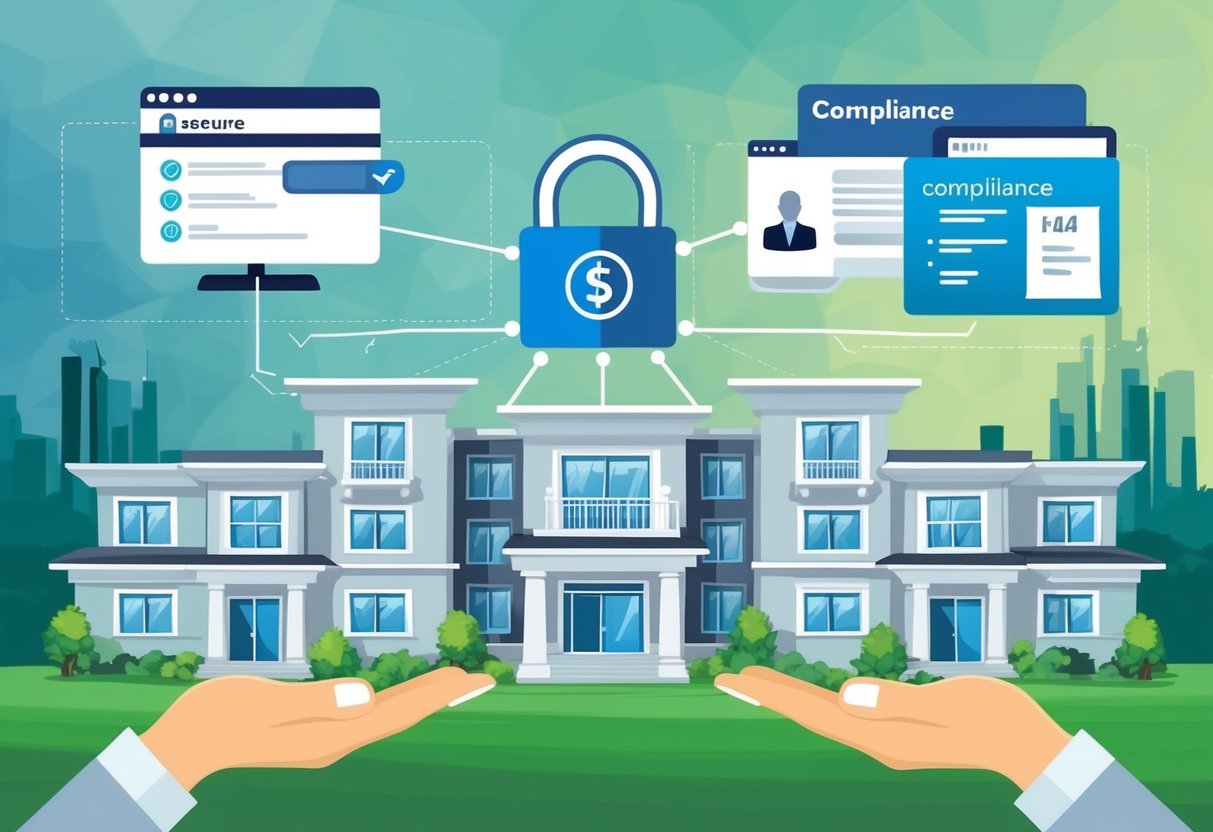 Navigating rent collection demands a balance between safeguarding information and adhering to regulations. Strong security measures protect sensitive data, while compliance with financial protocols ensures smooth transactions.
Ensuring Data Security and Privacy
How do you protect tenant information while collecting rent? This is vital. Prioritizing data security involves using systems that encrypt sensitive details. Encryption helps in safeguarding both landlord and tenant information from potential threats. Implementing prevention strategies like robust passwords and multifactor authentication also adds a protective layer, keeping unauthorized users at bay. Payment processing platforms must meet security standards to prevent data breaches. Utilizing systems that align with PCI-DSS ensures transactions are handled securely. It’s not just about preventing theft; protecting privacy fosters trust and strengthens the landlord-tenant relationship. Why risk losing good tenants due to preventable security lapses?
Complying with Financial Regulations
Amidst unexpected costs, compliance in rent collection is non-negotiable. Understanding and adhering to regulations like ACH payments is crucial. ACH payments serve as a secure, efficient way to handle rent transfers without unnecessary bank fees, easing the financial burden for both landlords and tenants. But it’s not just about ease; staying compliant prevents legal troubles. Financial regulations also dictate how you manage and report transactions. Ensuring financial reports are accurate is necessary to avoid audits and penalties. Leverage platforms that offer automated reporting features. They simplify the task of tracking and verifying payments, meaning fewer sleepless nights worrying about compliance issues.
Maximizing the Effectiveness of Automated Systems
 Implementing automation in rental property management isn’t just about using technology, but about making it work optimally. To truly benefit, it’s crucial to focus on updates, tenant education, and continuous improvement.
Regular System Updates and Maintenance
Why do systems need regular updates? Automated systems, like those for rent collection, often rely on cloud-based technology. Regular maintenance ensures they function smoothly without glitches. Over time, technology evolves. New features can improve security, speed, or functionality. I schedule routine updates. It keeps everything running efficiently. It’s like maintaining any important tool; neglect leads to problems. An updated system reduces errors, ensuring that rent payments are processed without hitches. This reliability builds trust among tenants. Without it, tenants might face payment errors, leading to dissatisfaction.
Ongoing Tenant Education and Support
How can tenants make the most of the systems? Knowledge empowers them. Tenants must understand the available tools. A well-informed tenant is less likely to miss payments. Offering clear instructions on using the tenant portal can enhance their experience. Consider regular workshops or simple instructional materials. These resources explain how automated rent payments work, and how to navigate the tenant portal. Support is key. If tenants face issues, responsive and helpful customer service can address their concerns swiftly. This engagement not only educates but improves tenant relations, creating a productive rental environment.
Continual Improvement and Feedback Collection
Is there a way to refine systems effectively? Listening to feedback is essential. Tenants can offer insights into system usability. Regularly collecting their feedback allows me to identify areas needing improvement. This shows a commitment to high-quality service. Implementing changes based on this feedback leads to better functionality. I prioritize improvements that positively impact the tenant experience. Cloud-based property management solutions evolve. Utilizing tenant screening tools, for instance, can enhance the onboarding process. It’s important to keep adapting. Staying flexible helps in maintaining an edge in competitive markets.
Selecting Payment Platforms and Services
 When it comes to choosing payment platforms for rental properties, digital solutions offer convenience and reliability. It is vital to consider features like ease of use, fees, and how well they integrate with existing systems. Evaluating options can help streamline rent collection and improve cash flow management.
Comparing Popular Digital Payment Platforms
Have you explored the wide array of digital payment platforms available? Options like PayPal and Venmo offer user-friendly interfaces and widespread acceptance. They cater to tenants who prefer app-based payment methods. Fees can be a consideration, as these platforms may charge transaction costs. It’s essential to weigh these costs against the benefits they offer. Additionally, security features protect sensitive information and foster trust between landlords and tenants. Choosing the right platform depends on what best fits your business model. Flexibility and accessibility can significantly enhance the payment experience.
Evaluating ACH Transfer Services
Why consider ACH transfers? They offer a dependable method of transferring funds directly from one bank account to another. This method is particularly beneficial as it often comes with lower fees compared to card-based transactions and fits seamlessly into recurring rent collection schedules. Consistent transfers not only stabilize cash flow but also reduce the risk of late payments. Platforms that support ACH transfers include Baselane and others that specialize in free or minimal-fee models. Emphasizing the importance of service reliability and support can ensure that transfers occur smoothly and on time. Consistency in processing helps create a hassle-free experience for both landlords and tenants.
Assessing Bank Transfer and Direct Deposit Options
Bank transfers and direct deposits remain a staple for many. Their predictability and integration with personal banking systems make them attractive. Direct deposits also offer a familiar and trusted way for tenants to handle monthly obligations. Considerations include the bank’s policies on fees and transaction limits, which can vary. Utilizing integrated property management systems that coordinate these transfers effectively can enhance financial management. It’s about making the system work for you, not the other way around. Is it time to simplify your rent collection process with these traditional yet effective methods?
Strategies for Efficient Rent Collection
 Collecting rent efficiently is crucial for maintaining a steady cash flow in property management. It involves timely communication and offering various payment options to accommodate the needs of tenants.
Implementing Rent Reminders and Notifications
Why make rent collection harder than it has to be? Setting up automated rent reminders and notifications can significantly enhance the likelihood of timely payments. I rely on technology to send reminders a few days before the rent is due. These reminders can be emails, texts, or push notifications. They serve as a gentle nudge for tenants, reminding them to arrange payments. By doing this, I reduce late payments and improve tenant responsibility. These reminders can also communicate any upcoming changes in rent or property management policies, keeping tenants informed.
Allowing Partial Payments and Flexible Options
Flexibility can be a game-changer. Allowing partial payments and offering flexible options can ease the financial burden on tenants while ensuring that landlords receive some income, even if not the full amount immediately. When I offer partial payments, tenants are more likely to make what they can, which ensures I get paid something rather than nothing. Flexible payment options can include allowing payments on different days of the month or adjusting amounts based on tenant circumstances. This approach fosters stronger tenant relationships, as tenants feel supported and understood. It’s not just about collecting rent; it’s about building trust.
Streamlining Resident Payments and Communications
Isn’t convenience key to keeping tenants happy? Streamlining resident payments and communication through digital platforms can make a world of difference. This strategy reduces barriers for tenants, offering them the ease to pay online, automate payments, and even view their payment history. I find that when you make the payment process smooth and straightforward, tenants are more likely to pay on time. Effective communication channels, like apps or portals, also ensure tenants receive fee updates promptly. This transparency helps in building a sense of trust and reliability, crucial elements in maintaining tenant satisfaction. Simplifying these processes means fewer headaches for both parties involved.
Advanced Features of Rent Collection Software
 Advanced rent collection software offers several crucial features that enhance efficiency and convenience for landlords. These features range from custom reporting and analytics to seamless integration with property management systems. They not only save time but also improve financial tracking and maintenance coordination.
Custom Reporting and Analytics
How can landlords make smarter decisions? Custom reporting and analytics tools are key. They allow you to generate detailed reports about rent payments, tenant histories, and cash flow. Using platforms like Rentec Direct, you can quickly analyze data to find patterns or identify issues. Such insights help in strategizing future property investments or tenant engagement tactics. An intuitive dashboard often provides these insights, reducing the need for manual calculations and helping track financial performance effortlessly.
Maintenance Tracking and Coordination
Imagine getting maintenance tasks done without constant follow-ups. This is where maintenance tracking shines. Software such as Buildium integrates maintenance requests, making it simple for both tenants and landlords. Many apps offer coordination features that let you schedule repairs or services directly through the platform. This minimizes confusion and delays. The software can also send automatic reminders to maintenance staff, ensuring tasks are completed promptly. It’s all about reducing stress and ensuring property upkeep seamlessly.
Integration with Property Management Systems
Is juggling between different tools driving you mad? Integration with property management systems is a must-have feature. Tools like TurboTenant and RentRedi allow smooth links between rent collection, lease renewals, and other property tasks. These integrations help streamline operations by syncing data across platforms. This means less manual data entry and fewer errors. With features like automatic lease renewals and tenant screening, managing properties becomes much easier. Scalability is another benefit, as these systems can grow with your property portfolio.