Investing in rental properties can be a promising path to financial independence. But how do we ensure our rental properties are yielding the maximum profit? Using advanced management tools is crucial for boosting rental property profits and streamlining property operations. I’ll explore how integrating technology can transform the management of your rental properties, making your investments more rewarding.  As a property owner, understanding the rental landscape involves diving into the right tools and strategies. These tools not only help you keep track of finances but also enhance the efficiency of property operations. Are your current methods truly optimizing your returns? Technology like property management software offers solutions that simplify tasks like tenant screening and rent collection, allowing you to focus on increasing profits. Measuring performance is essential for growth. Advanced tools provide valuable insights into your property’s financial health, helping you make informed decisions and improve your investment’s profitability. By embracing these technologies, you can overcome the challenges of traditional property management and unlock the true potential of your investments.
Key Takeaways
- Use advanced tools to increase rental profits.
- Technology can enhance property management efficiency.
- Measure performance to maximize investment returns.
Understanding the Rental Property Landscape
 Navigating the rental property landscape requires an understanding of market trends and dynamics, as well as benchmarking rental rates and occupancy. Knowing these elements helps me make smarter decisions about investments and manage properties more effectively.
Evaluating Market Trends and Dynamics
How do I keep up with the ever-changing rental market? Market trends can significantly affect my property’s profitability. By analyzing these trends, I can better anticipate shifts in demand and make informed decisions. Local and national trends often provide insights into housing supply and tenant preferences. Market dynamics like changes in interest rates or local economic factors can impact property values. For instance, an increase in job opportunities within a location often drives demand for housing. By staying updated, I’m better prepared to adapt my strategy and potentially increase returns.
Benchmarking Rental Rates and Occupancy
How do I determine competitive rental rates? Effective benchmarking involves comparing my property’s rental rates and occupancy levels against similar properties in the area. This comparison allows me to set rates that attract tenants while maximizing income. By regularly checking market data, I ensure my prices align with current market conditions. Occupancy rates are another important metric. High occupancy equates to a steady cash flow. Monitoring these rates helps me gauge the demand for my property and adjust strategies if needed. A proactive approach to benchmarking helps optimize my rental income, ensuring I stay competitive in the rental market.
Leveraging Property Management Software
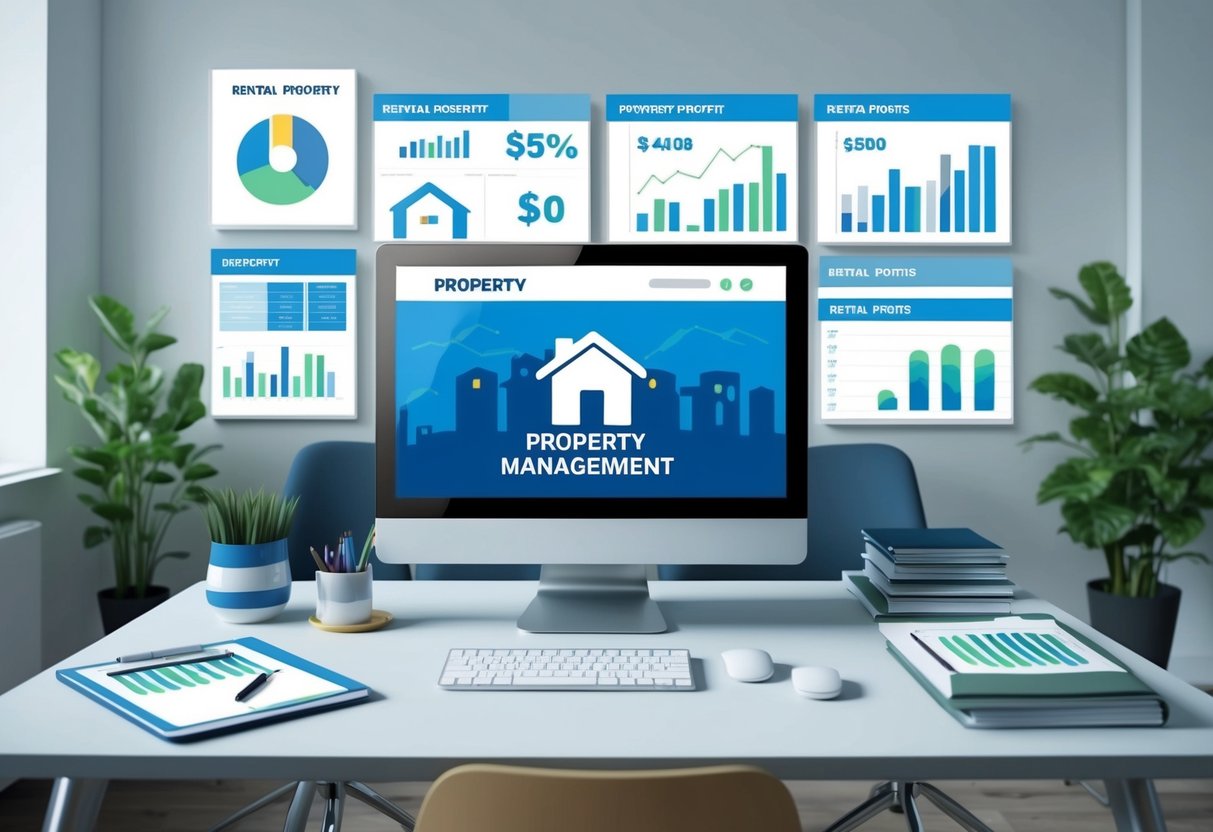 By integrating property management software, I can boost efficiency and enhance tenant satisfaction. Automation tools streamline processes like tenant screening and handling maintenance requests, allowing me to focus on maximizing tenant experience and increasing overall profitability.
Automating Tenant Screening and Lease Processes
With property management software, automating tenant screening becomes a straightforward process. Credit checks, rental history, and references can all be aggregated and reviewed in minutes. This automation reduces human error and biases, helping select reliable tenants. The lease process is also simplified with digital agreements. Imagine quickly generating lease documents and getting them signed electronically. These features ensure a faster turnaround for vacant properties, cutting down on potential rent loss.
Handling Maintenance Requests Efficiently
Handling maintenance efficiently is crucial for tenant satisfaction. A centralized platform allows me to track maintenance requests in real-time, ensuring no request slips through the cracks. By eliminating the usual back-and-forth communication with tenants and service providers, response times are slashed. It’s like having a virtual assistant taking care of repairs. This not only keeps tenants happy, but it also prolongs the life of the property through timely maintenance.
Maximizing Tenant Experience and Satisfaction
When it comes to tenant experience, convenience is key. With online portals, tenants can do everything from paying rent to submitting requests. Providing a seamless interface for communication ensures that tenants feel valued and heard. Enhanced communication channels lead to faster resolutions and improve overall satisfaction. Happy tenants are more likely to stay longer, reducing turnover rates. It’s like transforming the rental experience into something more personable and professional.
Optimizing Financial Management
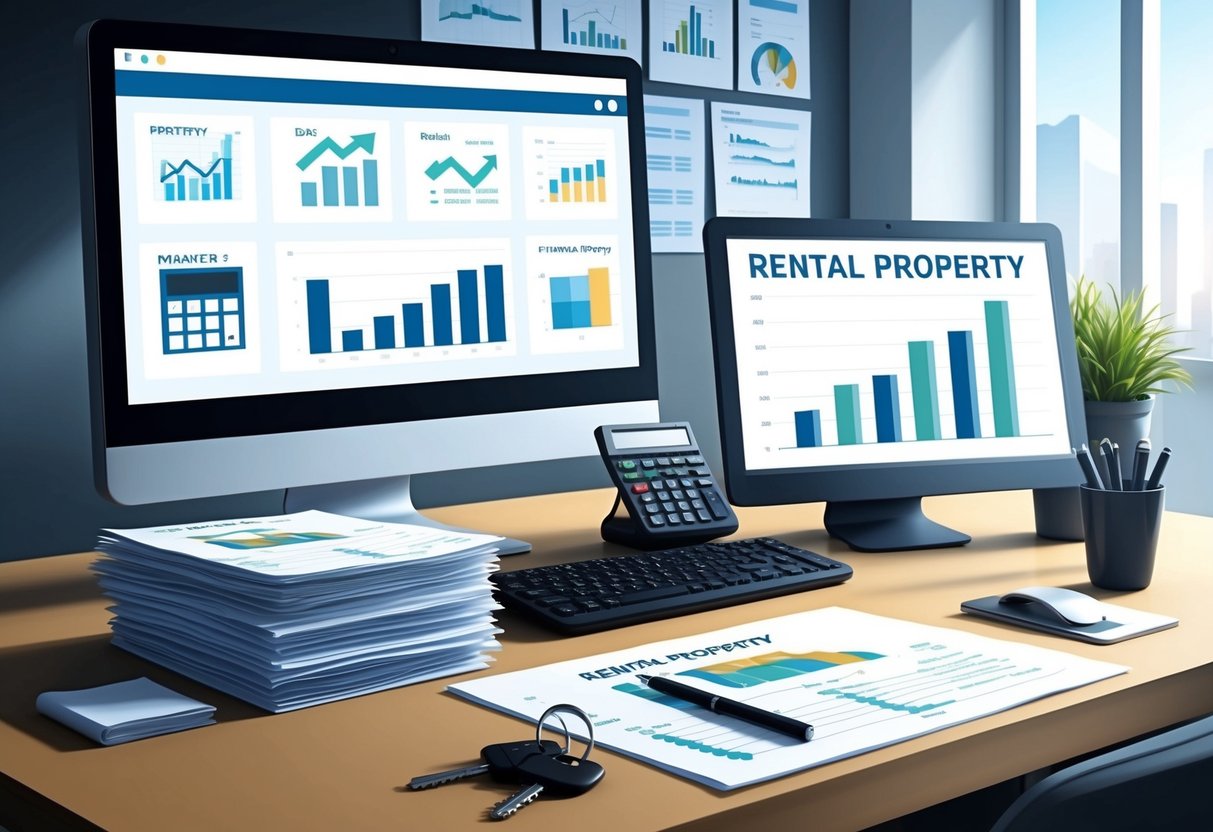 Rental property profitability hinges on efficient financial management. By adopting effective rent collection methods and leveraging data analytics, property owners can boost rental income and enhance cost savings.
Implementing Effective Rent Collection Strategies
How many of you have struggled with timely rent collection? It’s crucial for stable cash flow. I ensure smooth operations by setting up multiple payment options, like online transfers, direct deposits, or mobile payment apps. This way, tenants have flexibility, which fosters timely payments. Communication is key. I maintain open lines with tenants about upcoming dues and offer reminders. An agreed-upon late fee policy also creates a deterrence for delays while ensuring consistent income. Automating the process with property management software is a game-changer. It minimizes manual errors and reduces my administrative workload. Such tools provide real-time updates, helping me keep track of any outstanding payments effectively. By being proactive and organized, I maintain steady cash flow without breaking a sweat.
Utilizing Data Analytics for Pricing Decisions
Have you ever wondered if your rental rates are competitive? Leveraging data analytics is essential for making informed pricing decisions. I analyze local market trends to set competitive rental prices, ensuring my properties are neither overpriced nor underpriced. Advanced analytics tools help me understand tenant demographics and preferences. With these insights, I can identify which features or amenities warrant higher rents and adjust pricing strategies accordingly. I also monitor seasonal trends and adjust rental rates to align with demand fluctuations. This helps maximize rental income, especially during peak seasons. By using data-driven insights, I make strategic decisions that enhance both occupancy rates and overall profitability.
Enhancing Operational Efficiency
 In boosting rental property profits, operational efficiency plays a key role. By focusing on sustainable growth and minimizing tenant turnover and vacancies, property management becomes smoother and more profitable.
Cultivating Sustainable Growth Strategies
When I think about long-term success in property management, sustainable growth comes to mind. It’s about creating strategies that stand the test of time. Aiming for bigger profits in the short term is tempting, but without a solid foundation, it’s risky. Regular maintenance is essential. Keeping properties in top shape not only saves money on costly repairs but also keeps tenants satisfied. A happy tenant is more likely to renew their lease, reducing turnover rates. Next, working with reliable contractors ensures quality work without unnecessary delays. Good contractors understand my goals and help maintain a high standard. This cooperation leads to enhanced efficiency, contributing to sustainable growth.
Reducing Tenant Turnover and Vacancy Rates
Tenant turnover is costly. To keep it low, I focus on tenant satisfaction. Why? Happy tenants usually stay longer, saving me the cost of finding new ones. Consistent lease renewals mean a steady income without lengthy vacancies. Communication with tenants is critical. I make sure they can quickly reach me for any issues. Addressing their concerns promptly builds trust, encouraging them to remain longer. Also, I offer incentives for early renewals or multi-year leases. Such strategies not only keep them longer but also help create a reliable cash flow. Lower vacancy rates are not just about filling units; it’s about creating an environment where tenants want to stay.
Measuring and Improving Performance
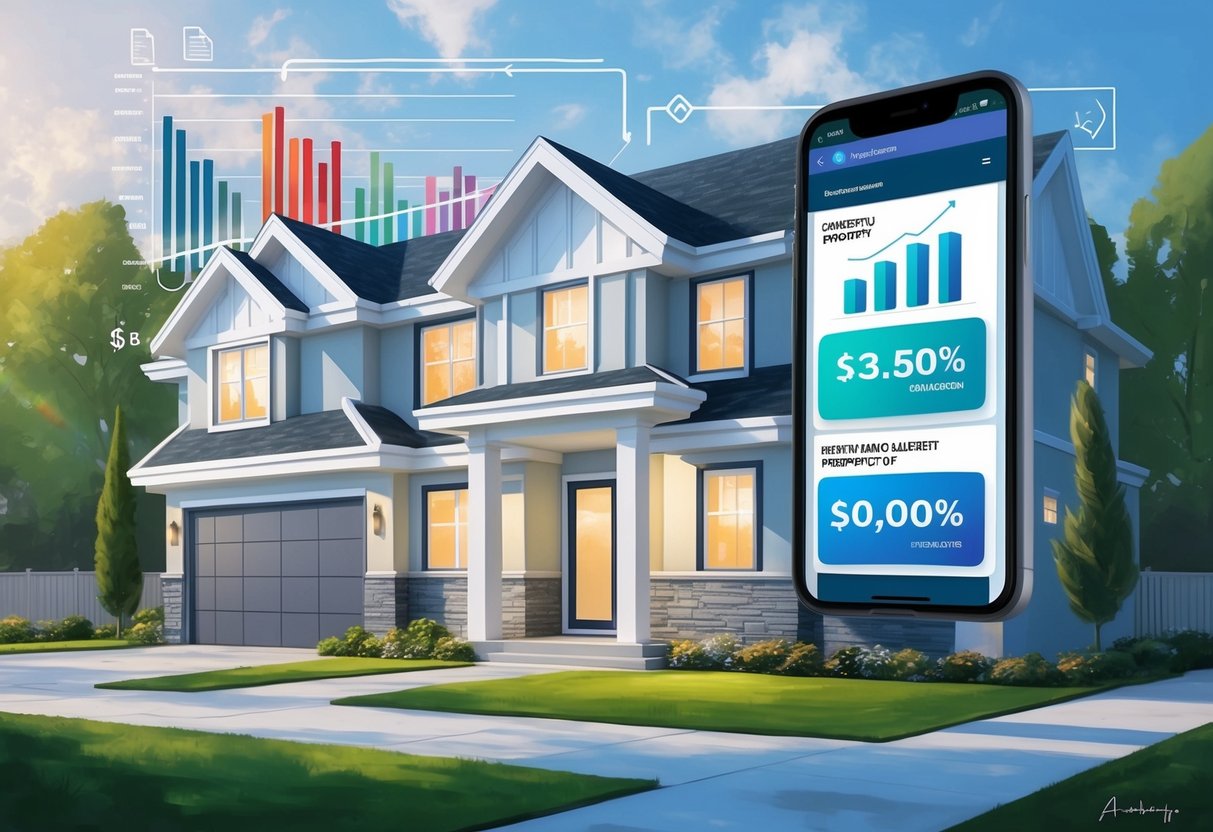 To grow profits in rental management, understanding and optimizing property performance is key. Tracking relevant metrics and using data-driven strategies can make a tremendous difference. This involves not only monitoring how well properties are doing but also using insights from data to adapt strategies to the current market dynamics.
Tracking Key Performance Metrics
When it comes to managing a property portfolio, I focus on key performance metrics that matter most. These include occupancy rates, rental income growth, and tenant inquiries. Monitoring these helps me ensure that my properties are performing efficiently and profitably. For example, by keeping an eye on rental income, I can assess if leasing agents are negotiating effectively and attracting high-paying tenants. One of the most effective tools I use is property management software. Platforms such as Buildium or AppFolio provide real-time data tracking, enabling me to measure performance metrics accurately. By having this information at my fingertips, I can make informed decisions that contribute to an increase in profitability.
Adapting to Market Changes with Data-Driven Strategies
Change is inevitable in the property market, and the ability to adapt is crucial. I rely on data-driven strategies to stay ahead of the curve. By analyzing market trends and tenant inquiries, I can adjust rental pricing and marketing tactics to meet demand and maintain competitive market rates. This ensures my properties remain attractive to renters. Communication is another critical component. Engaging with tenants effectively can provide valuable insights into what they need or expect, allowing me to tailor my offerings to better match the market. In doing so, I not only maintain tenant satisfaction but also optimize the overall performance of my portfolio.