
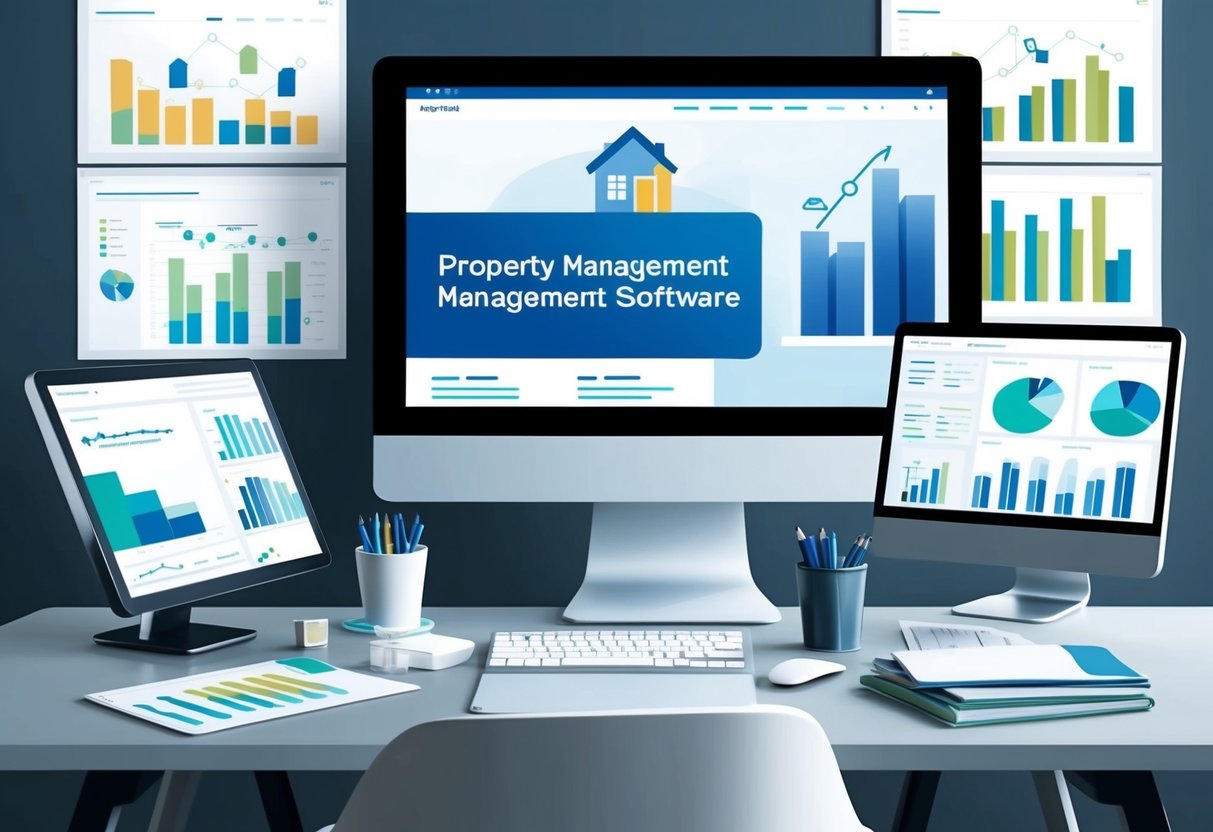
In the world of real estate investing, scaling your investments can be challenging without the right tools. Have you ever wondered how successful investors manage and grow large property portfolios efficiently? The answer lies in using property management software to streamline operations and enhance scalability. By leveraging technology, you can improve efficiency, save time, and ultimately boost your return on investment. Managing multiple properties can quickly become overwhelming with the day-to-day tasks of tenant communication, rent collection, and property maintenance. Property management software offers solutions that simplify these processes and provide comprehensive insights into your assets. Imagine having all your management tools in one place, allowing you to focus on growing your investments rather than getting bogged down in daily details. Technology is a game changer for real estate investors aiming to expand their investments. With advanced property management solutions, you can not only keep track of your properties but also maximize their potential value. Embrace these tools and watch how they can transform your real estate investment strategy, making growth easier and more manageable.
Key Takeaways
- Property management software is key for scalable real estate management.
- Effective software enhances operational efficiency and decision-making.
- Technology simplifies tenant and financial management for investors.
The Role of Property Management in Real Estate Investment
 Property management plays a crucial role in maximizing returns and streamlining operations in real estate investments. Efficient management can significantly influence tenant satisfaction and property value.
Defining Property Management
Property management involves overseeing and maintaining real estate on behalf of the owner. It includes responsibilities like rent collection, property maintenance, and tenant selection. Successful management requires balancing tenant needs with property goals, ensuring both parties are satisfied while optimizing the asset’s performance. What makes property management vital? It’s about creating a seamless operation that maximizes income and minimizes expenses. By expertly managing these tasks, the return on investment can be enhanced, making properties more appealing and profitable.
Property Management Software as a Scaling Tool
Property management software is a game changer for scaling investments. It automates routine tasks, increases efficiency, and improves accuracy. With tools that offer features like automated rent collection and maintenance management, you can concentrate on expanding your portfolio. This software reduces manual errors and frees up time, allowing you to focus on strategic decisions for growth. For those looking to expand, investing in the right property management tool can streamline processes and keep you competitive. Imagine reducing your administrative workload while increasing tenant satisfaction—this is where the software shines. For further details on how such software can aid growth, explore insights from property management accounting software.
Selecting the Right Property Management Software
 Finding the right property management software can transform how you manage real estate investments. You’ll want a solution that balances essential features, adaptability for different real estate types, and user-friendly support.
Key Features of Effective Software
What features truly matter? For any property investor, tracking tenant information, lease agreements, and maintenance requests is crucial. Look for software with tenant and lease management capabilities. It should handle payments and generate financial reports effortlessly. Additionally, automated reminders for lease renewals and maintenance can save time and prevent issues. Consider tools that facilitate communication with tenants, like messaging systems. Advanced software can also offer vacancy management and marketing tools. These features help in listing properties efficiently and keeping units occupied, maximizing your rental income.
Software for Different Types of Real Estate Investments
Not all real estate ventures are the same. Are you focused on commercial properties, residential homes, or perhaps short-term rentals? For each type, the needs differ. Residential property software often emphasizes tenant communication and payment processing. Commercial properties may need features for handling complex lease terms and spaces. Tools like DoorLoop’s solutions provide versatile options. For real estate investors, software like Stessa, highlighted in Baselane’s review, can track income and expenses, aligning with your investment goals. The key is finding software that matches the specific demands of your portfolio.
Assessing Software for User-Friendliness and Support
Does the software feel intuitive right from the start? Complex systems can be overwhelming. Seek out solutions with a simple interface. A good property management system empowers you, not frustrates you. Consider how much learning is involved. Check for customer support as well. Does the provider offer 24/7 support, or are there tutorials and guides available? User-friendly software reduces the learning curve and boosts efficiency. Tools with responsive support offer peace of mind, ensuring you never feel stuck. Selecting software that aligns with your comfort level can significantly impact how effectively you manage your properties.
Optimizing Rent Collection with Software
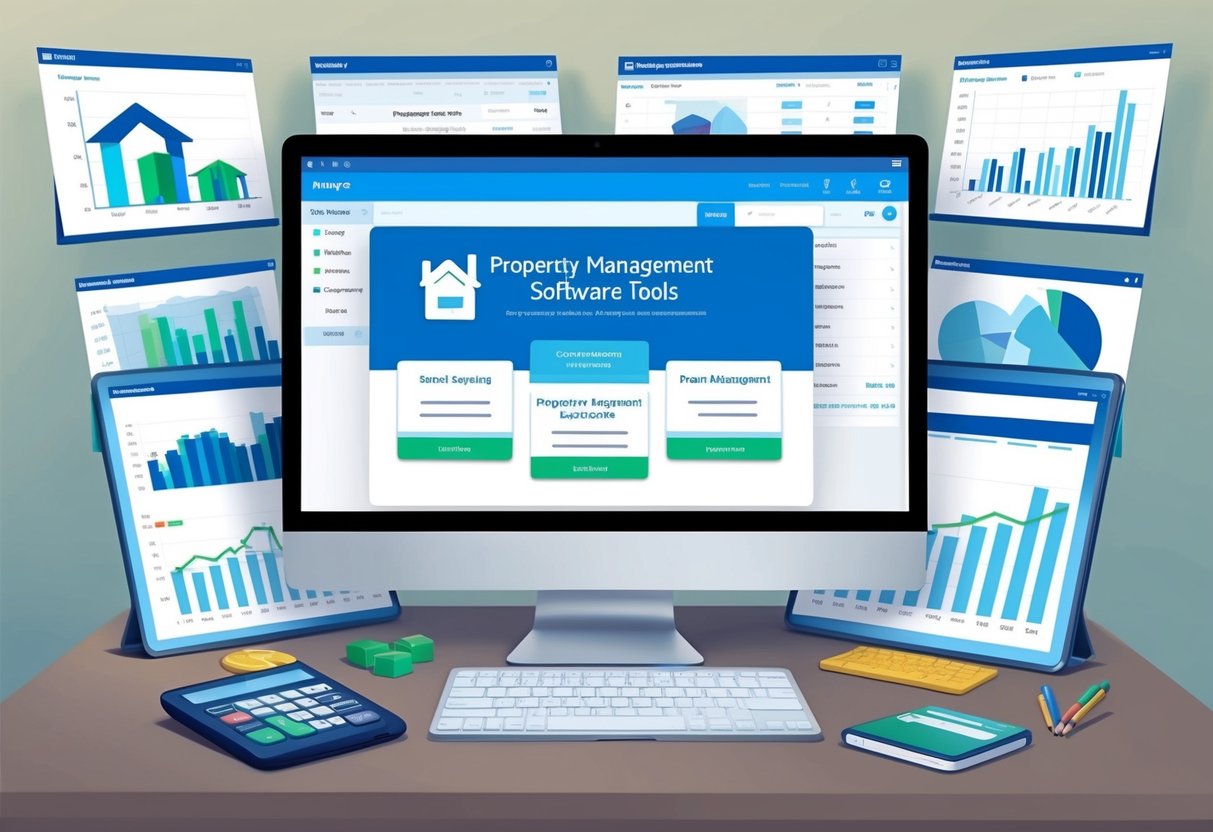
 Streamlining rent collection is crucial for maintaining a steady cash flow. The right software not only automates payment processes but also ensures timely collection and minimizes payment defaults.
Automating Rent Payment Processing
How often do you find yourself bogged down by manual rent transactions? Software solutions can handle this efficiently by automating the entire process. Using property management software, I can set up recurring payments, so tenants are billed automatically when rent is due. One of the major benefits is having real-time updates of payments. This means no more guesswork about who has paid and who hasn’t. Notifications can be sent to both me and my tenants, keeping everyone informed. I also have access to detailed financial records, helping me track each transaction accurately. Imagine freeing up all that time spent on tracking, banking trips, and dealing with late fees. By automating rent payments, I focus on more strategic aspects of my investments. Automation not only simplifies these processes, but it makes them more reliable and secure.
Ensuring Timely Collection and Reducing Defaults
Would you like to minimize late payments and reduce defaults? Property management software makes this possible. By setting up automatic reminders, tenants receive a notification before their rent is due. This proactive approach significantly reduces late payments. Using systems that integrate payment history and credit checks further reduces defaults. With online platforms, tenants have more payment options like ACH transfers and credit card payments. This flexibility encourages punctual payments and boosts tenant satisfaction. Moreover, by having access to data on payments and comparing it to previous months, I can see patterns and address issues proactively. Late fees and financial penalties can be automatically applied, making tenants accountable while also protecting my income stream. These systems keep everything transparent and efficient, allowing me to focus on growing my investments without worrying about constant cash flow interruptions.
Enhancing Tenant Screening and Management
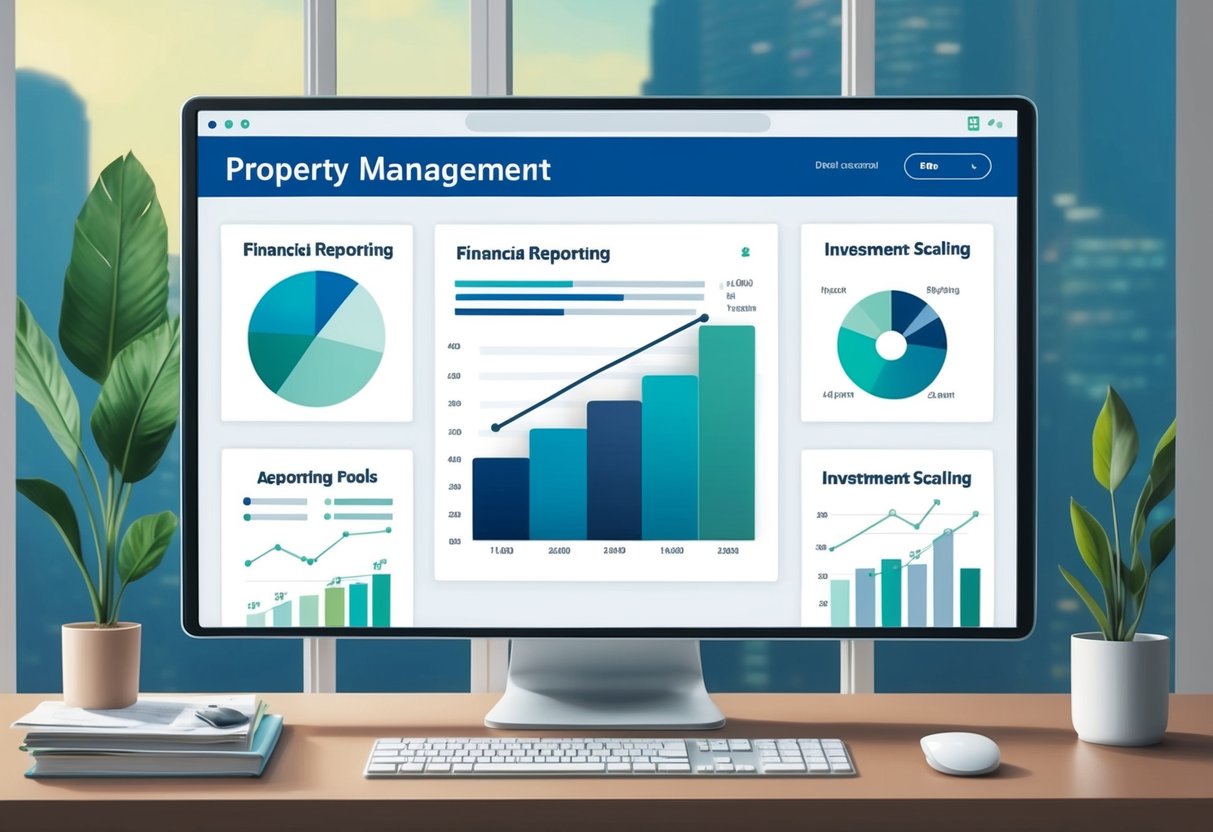
 In the realm of real estate investments, successful property management hinges on effective tenant screening and maintaining healthy tenant relationships. Implementing advanced property management software can significantly improve these processes, offering tools that streamline operations and ensure compliance with legal standards.
Streamlining the Tenant Screening Process
Do you know that a thorough tenant screening process can prevent future headaches and costly issues? Using property management software simplifies tenant screening by automating key steps. The software can quickly verify credit history, rental backgrounds, and criminal records, which saves time and reduces errors. How do I make the most of these tools? I ensure that I use the software’s scoring models to identify potential red flags before they become bigger problems. By leveraging its data analysis capabilities, I can make informed and reliable decisions. The software also provides a consistent screening process, ensuring that I’m in line with fair housing laws and compliance requirements.
Maintaining Tenant Relations and Compliance
Building a strong relationship with tenants is crucial for long-term success. The right software offers communication tools that enhance my interactions, allowing for easy sharing of information and updates. These features help foster a positive relationship right from the start. Isn’t it important to be on top of legal requirements? Absolutely! Management software helps track lease agreements and keeps all parties informed about renewal dates and compliance needs. With features like document storage and sharing, I ensure that leases and other critical paperwork are accessible and up-to-date. By focusing on communication and legal adherence, I reinforce trust and reliability, creating a stable environment for both tenants and myself. This approach not only improves tenant satisfaction but also strengthens my investment strategy, ensuring both parties remain engaged and informed.
Financial Management and Reporting
 Mastering financial management is crucial for scaling real estate investments. Effective tracking of income and expenses, generating detailed reports, understanding cash flow, and maximizing returns can make a significant difference in investment success.
Tracking Income and Expenses
Tracking income and expenses is vital for real estate investors. It allows me to identify profitable properties and those that might need attention. Using features like automated accounting in property management software simplifies this task by minimizing manual entries. Such tools help in logging rent payments and operational costs effortlessly. For example, with platforms like Stessa, I can automate much of the tracking process. This not only saves time but also reduces the risk of human error. Organized financial records lead to better decision-making, helping investors spot trends and anomalies early.
Generating Detailed Financial Reports
Creating detailed financial reports gives me a clear view of overall performance. These reports are essential when planning for future investments or when presenting to potential lenders. They showcase everything from rental income to maintenance expenses, offering insights into profit margins and property value growth. Property management software often includes robust reporting features that help me compile data quickly. The detailed insights provided by these reports can support strategic decisions like refinancing or expanding one’s portfolio. Having access to comprehensive reports keeps me informed and ready to act on new opportunities.
Understanding Cash Flow Management
Cash flow management is the heartbeat of any successful real estate venture. It involves keeping a close eye on the funds going in and out of my accounts. Understanding this balance ensures that I can cover operating costs while still generating a profit. Utilizing tools like automated income tracking can provide real-time cash flow updates. These insights are vital for planning purposes— knowing when to reinvest or when to hold back. Smart cash flow management is crucial for sustaining long-term profitability and growth.
Maximizing Return on Investment
Maximizing return on investment (ROI) should be a priority. This involves not only increasing rental income but also optimizing property value. To achieve this, I leverage technology for efficient property management, ensuring that expenses are controlled and income is maximized. Regular analysis of financial reports aids in identifying areas for improvement. Additionally, understanding cash flow assists me in making informed decisions about reinvestment. By consistently evaluating my investment strategy, I can ensure that each property contributes positively to my financial growth. Using tools like Baselane aids in visualizing potential returns, driving more effective investment decisions.
Maintaining Properties Efficiently
 Maintaining properties isn’t just about keeping things running; it’s about preserving and even enhancing property value through smart management. It’s crucial to track maintenance efficiently and budget wisely for repairs and upgrades.
Automated Maintenance Tracking and Coordination
What if you could streamline your property maintenance without lifting a finger? That’s where automated maintenance tracking shines. This technology helps keep a detailed log of all maintenance activities, ensuring nothing falls through the cracks. By using automated systems, I can schedule regular inspections and receive alerts for upcoming tasks. This reduces the risk of unexpected issues that can quickly spiral into major problems. Plus, automation helps in coordinating with vendors. With a click, I can request quotes, approve jobs, and even pay invoices. This not only saves time but also optimizes expense management. Having an automated system means I can focus on strategic decisions rather than daily tasks. This ultimately safeguards property value and improves tenant satisfaction, which is essential for long-term investment success.
Budgeting for Repairs and Upgrades
How do I ensure that my properties remain valuable assets? Effective budgeting for repairs and upgrades is key. I make it a priority to allocate funds carefully, distinguishing between immediate repairs and potential upgrades that could enhance value over time. Start by evaluating each property’s needs. Is it time to replace that aging HVAC system or perhaps upgrade the kitchen to boost market appeal? Creating a budget involves prioritizing these costs based on urgency and potential return on investment. I always set aside a contingency fund for unexpected expenses. This provides a financial cushion to manage surprises without derailing my plan. Careful budgeting also involves regular reviews to adjust for any changes in property condition or market demands. By keeping a close eye on expenses, I ensure that my properties remain not just operational, but thriving investments.
Marketing and Growth Strategies
 When it comes to expanding your real estate investments, thoughtful marketing and growth strategies are key. I harness the power of technology and data analytics to attract tenants and make informed decisions that boost my business.
Leveraging Software for Marketing Rental Properties
I use marketing software to effectively market my rental properties. Platforms like AppFolio come with tools that help me create detailed property listings and post them across numerous rental websites. This widespread visibility attracts potential tenants quickly. A real estate CRM is invaluable for keeping track of leads and following up promptly. The system reminds me to reach out and respond to inquiries without delay, increasing the chances of securing a tenant. It also helps me maintain relationships with past clients, who can be a source of referrals. Automating routine marketing tasks frees up my time, allowing me to focus on other growth areas. I ensure my listings stand out by using high-quality images and concise descriptions. These strategies allow me to reach a wider audience and fill vacancies faster.
Using Data and Analytics for Strategic Planning
Data and analytics are critical tools for strategic planning in real estate. By analyzing market trends, I can identify the areas with the highest demand, helping me decide where to invest next. Tools integrated into AppFolio or similar platforms provide valuable insights. I track my properties’ performance metrics to identify what works and what needs improvement. This allows me to adjust my strategies to match the market’s changing conditions. Predictive analytics help me foresee trends, ensuring my investment decisions are informed and forward-thinking. Through these methods, I make data-driven decisions that minimize risks and maximize returns. This strategic approach helps me grow my real estate investments sustainably and effectively.
Assessing and Increasing Property Value
 Investing in real estate involves more than just buying and selling properties. It requires carefully assessing property value and finding ways to increase it. Let’s dive into some effective tools and strategies that can help achieve these goals.
Tools for Property Valuation
One can’t underestimate the importance of accurately determining a property’s market value. This is where property valuation tools come into play. Have you ever wondered how to quickly assess if a deal is good or bad? Software like Valuate by REFM is designed for such tasks. It enables you to model properties, analyze return on investment, and evaluate renovation plans. Property valuation tools provide vital features. These include cap rate calculators, cash flow projections, and ROI analysis, assisting investors in making informed decisions. Utilizing these tools helps remove guesswork and ensures you are always one step ahead in the real estate industry.
Real Estate Market Analysis
Understanding the broader real estate market is crucial for enhancing property value. Do you keep an eye on market trends and shifts? Knowing where the market stands and where it’s heading can open doors to profitable opportunities. Tools that offer comprehensive market analysis, like G2’s real estate investment management software, help you stay competitive by maximizing ROI and property value. A well-rounded market analysis includes comparing similar properties, local economic factors, and market demand. By leveraging this data, investors can accurately predict market changes and position themselves advantageously. Being proactive and informed is key. Market analysis tools ensure you don’t just react to market changes but anticipate and capitalize on them.
Leveraging Integrations and Expanding Capabilities
 Navigating the real estate market isn’t just about owning properties; it’s about making smart decisions with the right tools. Integrating third-party tools into your property management strategy enhances your systems, while exploring new markets and property types broadens your potential profits.
Integrating with Third-Party Tools
When managing a rental portfolio, using advanced property management tools can make all the difference. Imagine combining your property management system with cutting-edge software like real estate CRMs or accounting tools. These integrations allow seamless data flow, improving efficiency and accuracy. Think of using real estate accounting software. This software automates financial tasks and helps in tracking expenses and revenues effectively. It not only saves time but reduces errors associated with manual data entry. Integrating marketing platforms can enhance tenant acquisition and retention. With these connections, I can target specific audiences more effectively, track performance, and optimize campaigns, leading to better occupancy rates for residential, commercial, or even short-term rentals. Doesn’t it make sense to let technology work for us?
Expanding to New Markets and Property Types
Expanding into new markets can significantly increase my rental income and asset value. By leveraging advanced management tools, I can explore new geographic territories and diversify my investment in commercial properties or short-term rentals. These systems provide insights into market trends and property performance, assisting in making informed decisions. For instance, using sophisticated platforms like Yardi or RealPage helps adapt strategies to specific markets. These platforms offer detailed analytics, helping me decide when and where to invest. Engaging in different property types introduces varied income streams, reducing risk and enhancing growth potential. Are you ready to explore the profit possibilities in untapped markets?
Software Solutions and Recommendations
 Choosing the right property management software can transform how you scale your real estate investments. With options available for varied needs and portfolio sizes, each software offers distinct features designed to streamline property management and boost efficiency. Let’s explore some of the popular choices.
Review of Popular Property Management Software
One of the efficient tools is Stessa, ideal for managing rental property finances. It automates income and expense tracking, making financial management simpler. Is that enough to maximize potential returns? For those looking for comprehensive solutions, consider Buildium. It handles everything from lease tracking to maintenance orders, helping you manage large portfolios with ease. If you need assistance with property analysis, Zilculator provides robust tools to evaluate potential investment opportunities. Have you thought about how detailed property analysis could enhance your strategy? Versatile software like Dealmachine can also assist in identifying promising investment properties. These tools help to develop a targeted approach in finding and managing new assets effectively.