
Cash flow is the lifeblood of financial independence. I’ve seen many people focus on accumulating wealth through traditional investments, but they often overlook the power of steady income streams. Creating consistent cash flow is crucial for achieving true financial freedom and maintaining it long-term.  Have you ever wondered why some wealthy individuals struggle to maintain their lifestyle, while others seem to thrive effortlessly? The answer lies in their approach to cash flow. It’s not just about how much money you have, but how effectively it works for you. Rental properties are a prime example of assets that can generate reliable income to support your lifestyle and boost financial independence. I believe that understanding and optimizing cash flow is key to breaking free from the traditional work-until-65 model. By focusing on income-generating investments rather than solely chasing high returns, you can build a solid foundation for financial security. Are you ready to explore how cash flow can transform your financial future?
Key Takeaways
- Cash flow is essential for achieving and maintaining financial independence
- Income-generating assets provide stability and security in retirement
- Effective cash flow management can lead to greater financial freedom
The Essentials of Cash Flow
Cash flow is the lifeblood of financial independence. It's not just about how much money you make, but how that money moves in and out of your life. Let's explore the key aspects of cash flow that can help you build real wealth.Understanding Cash Flow
Cash flow is the lifeblood of financial independence. It’s not just about how much money you make, but how that money moves in and out of your life. Have you ever wondered why some people with high incomes still struggle financially? It’s all about cash flow. Cash flow is the movement of money into and out of your accounts. It’s like watching water flow through a pipe - you want more coming in than going out. I always tell my students: focus on net cash flow. This is the difference between your cash inflows and outflows. Positive cash flow means you’re building wealth. Negative cash flow? You’re headed for trouble. Think of your personal finances like a business. You need to track your cash flow carefully. This means keeping an eye on your income sources and your expenses. Are you spending less than you earn? That’s the first step to financial freedom.
Components of a Cash Flow Statement
A cash flow statement is a powerful tool for understanding your financial health. It’s like a financial X-ray, showing you exactly where your money is coming from and where it’s going. The main parts of a cash flow statement are:
- Cash from operating activities
- Cash from investing activities
- Cash from financing activities
For a business, operating activities might include sales and expenses. For you, it’s your salary and daily spending. Investing activities could be buying stocks or real estate. Financing activities might be taking out a loan or paying off debt. Why is this important? Because it shows you the quality of your income. Are you relying too much on debt? Are your investments generating cash? These are crucial questions for building long-term wealth.
Operating, Investing, and Financing Activities
Let’s break down these three types of activities. They’re the key to understanding your true financial picture. Operating activities are your day-to-day cash flows. For most of us, this is our job income and regular expenses. It’s the bread and butter of our financial lives. Are you living within your means? Your operating cash flow will tell you. Investing activities involve buying or selling long-term assets. This could be stocks, bonds, or real estate. Are your investments growing your wealth or draining your resources? This section of the cash flow statement reveals the truth. Financing activities show how you’re managing debt and equity. Are you taking on too much debt? Or are you building equity in your home? These decisions have a big impact on your long-term financial health. Remember, wealth isn’t just about high income. It’s about positive cash flow in all three of these areas.
Direct vs. Indirect Method
When it comes to calculating cash flow, there are two main methods: direct and indirect. Think of them as two different roads leading to the same destination. The direct method is straightforward. It lists all cash receipts and payments. It’s like keeping a detailed diary of every dollar that comes in and goes out. This method gives you a clear picture of your cash situation. The indirect method starts with net income and adjusts for non-cash items. It’s more common in business accounting. For personal finance, I prefer the direct method. Why? Because it forces you to confront the reality of your spending habits. Which method should you use? I say start with the direct method. It’s simpler and gives you a hands-on feel for your cash flow. As you get more comfortable, you can explore the indirect method for a different perspective.
Aligning Cash Flow and Financial Statements
Cash flow is the lifeblood of any business or personal finances. It's not just about how much money comes in and goes out. We need to look at how [cash flow](/what-is-the-cashflow-strategy-plan/) connects with other financial statements to get the full picture.The Interrelation with Balance Sheet & Income Statement
I’ve seen many people focus solely on their income statement, but that’s a mistake. The balance sheet and cash flow statement are equally crucial. Here’s why: The income statement shows revenue and expenses, but it doesn’t tell us when cash actually changes hands. The balance sheet gives us a snapshot of assets and liabilities at a specific time. But the cash flow statement? It bridges the gap. Think about it. You might have high sales (income statement) and valuable assets (balance sheet), but if you can’t pay your bills, you’re in trouble. That’s where cash flow comes in. It shows the actual movement of money in and out of your business or personal accounts.
Depreciation and Amortization
Now, let’s talk about depreciation and amortization. These are non-cash expenses that appear on the income statement but don’t actually involve money leaving your account. So why do they matter for cash flow? Depreciation reduces the value of assets on your balance sheet over time. But here’s the kicker – it also reduces your taxable income without affecting your cash. That’s a win-win! Amortization works similarly for intangible assets. It spreads the cost over time, impacting your income statement but not your immediate cash flow. By understanding these concepts, you can make smarter decisions about when to invest in assets and how it will affect your overall financial picture.
Working Capital and Cash Flow
Working capital is the fuel that keeps your financial engine running. It’s the difference between your current assets and current liabilities. But how does it relate to cash flow? Imagine you have a lot of inventory (an asset) but not enough cash to pay your suppliers. That’s a working capital problem that directly impacts your cash flow. Or maybe you have customers who are slow to pay. Your income statement might look great, but your cash flow suffers. Managing your working capital effectively can make or break your financial independence. It’s about timing – making sure you have the cash when you need it. Are you keeping an eye on your accounts receivable? What about your inventory levels? These factors can tie up your cash and limit your financial flexibility. By aligning your working capital needs with your cash flow, you’ll be better positioned to weather financial storms and seize opportunities.
Cash Flow Analysis for Financial Independence
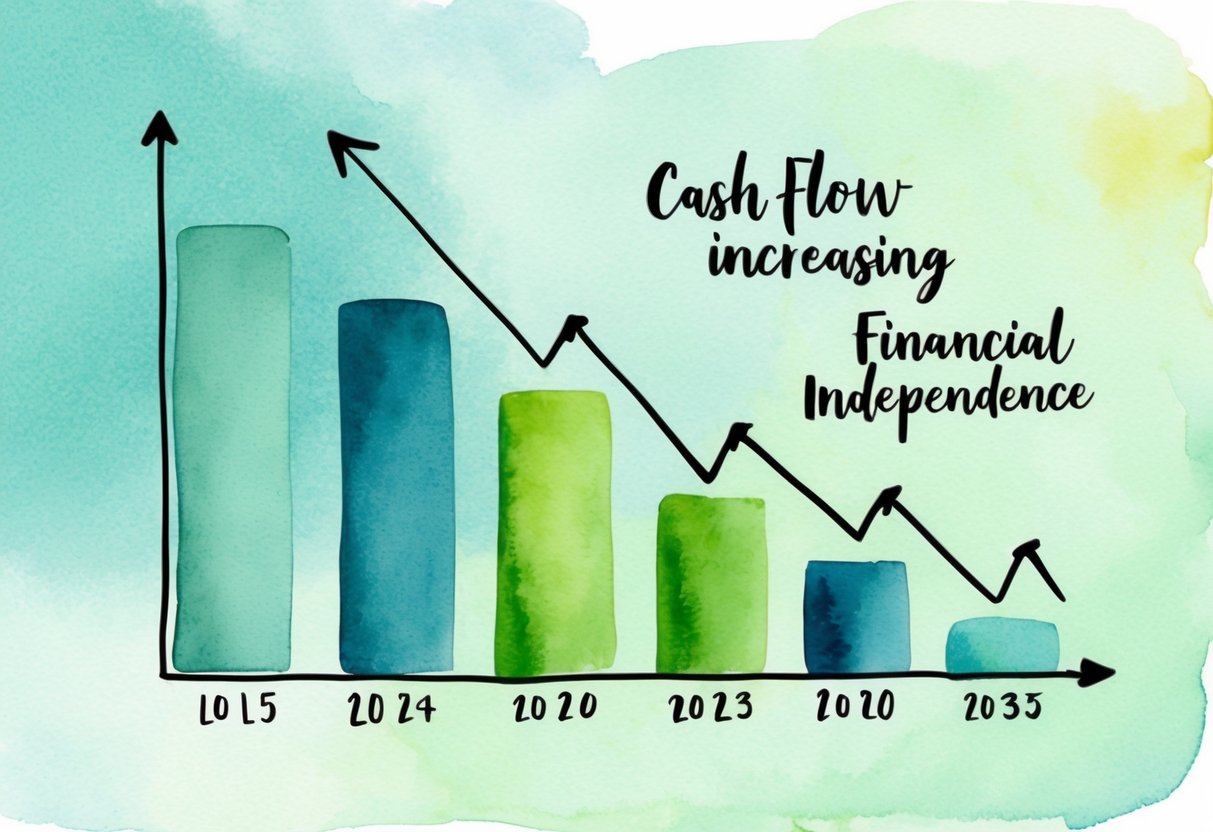 Cash flow analysis is key for reaching financial freedom. It helps you see where your money goes and how to make it grow. Let’s look at why it matters and how to use it.
Importance of Positive Cash Flow
Positive cash flow is the lifeblood of financial independence. It’s not just about making money; it’s about keeping it and making it work for you. I’ve seen many people with high incomes struggle because they don’t manage their cash flow well. Think about it: What good is a big paycheck if it all goes out the door? Positive cash flow means you have money left over after paying your bills. This extra cash can be invested, saved, or used to pay off debt faster. Remember, it’s not how much you make, but how much you keep that counts. Are you tracking where every dollar goes?
Net Cash Flow and Liquidity
Net cash flow is the real measure of your financial health. It’s what’s left after all income and expenses are accounted for. This number tells you if you’re moving towards or away from financial independence. Liquidity is about having cash on hand when you need it. It’s your financial cushion. Without it, you’re one emergency away from debt. I always say, “Cash is king.” Why? Because it gives you options. It lets you take advantage of opportunities or weather tough times. How much liquid cash do you have right now?
Critical Cash Flow Ratios
Cash flow ratios are powerful tools for measuring your financial health. They can reveal insights that might not be obvious at first glance. Here are three key ratios to watch:
- Cash Flow to Debt Ratio: This shows how well you can pay your debts with your current cash flow.
- Operating Cash Flow Ratio: It measures how well your core business activities generate cash.
- Free Cash Flow to Operating Cash Flow: This tells you how much cash is left after all expenses and investments.
These ratios can help you spot trends and make better financial decisions. Are you using them in your planning?
Cash Flow Management Strategies
 Managing cash flow is key to building wealth and achieving financial independence. I’ve found that it’s not just about how much money you make, but how you handle what comes in and goes out. Let’s look at some powerful strategies to boost your cash flow.
Budgeting and Expense Tracking
Do you know where every dollar you earn goes? If not, it’s time to start. I always say, “What gets measured gets managed.” Create a detailed budget that lists all your income sources and expenses. Break down your spending into categories like housing, food, transportation, and entertainment. Use a spreadsheet or a budgeting app to track your expenses daily. This helps you spot areas where you’re overspending. Are you shocked by how much you spend on eating out? Maybe it’s time to cook more at home. Look for ways to cut costs without sacrificing quality of life. Remember, the goal isn’t to deprive yourself. It’s to make sure your money is working for you, not against you. Can you negotiate better rates on your bills? Could you refinance your debt to lower interest payments? Small changes can add up to big savings over time.
Cultivating Multiple Income Streams
Why rely on just one paycheck? The rich don’t put all their eggs in one basket. Think about ways to diversify your income. Could you start a side business? Maybe you have skills you could freelance or consult with? Consider passive income sources too. Rental properties, dividend-paying stocks, or creating digital products can generate cash while you sleep. The key is to start small and reinvest your profits to grow these streams over time. Don’t forget about your main job. Can you ask for a raise or take on extra responsibilities for more pay? Sometimes the easiest way to increase your income is to maximize what you’re already doing.
Strategizing for Future Expenses
Planning ahead can save you from financial stress. I always ask, “What big expenses are coming up in the next few years?” Maybe it’s your kid’s college tuition or a new roof for your house. Start saving for these now. Set up separate savings accounts for different goals. This makes it easier to track your progress and keeps you from dipping into funds meant for other purposes. Automate your savings so you’re not tempted to spend that money elsewhere. Think about ways to reduce future expenses too. Could you pay off your mortgage early to eliminate that payment in retirement? What about investing in energy-efficient upgrades for your home to lower utility bills? Smart decisions now can lead to more cash flow later.
Investing for Consistent Cash Flow
 Want to achieve financial independence? It’s time to focus on investments that generate steady cash flow. Let’s explore some powerful strategies that can help you build a reliable income stream.
Dividends and Interest Income
I’ve found that dividends and interest income are fantastic ways to create consistent cash flow. When you invest in dividend-paying stocks, you’re essentially buying a piece of a company’s profits. Many blue-chip companies pay reliable dividends quarterly, providing a steady income stream. But don’t forget about bonds! They’re another great source of regular income. Corporate bonds often offer higher yields than government bonds, but come with more risk. I always recommend a mix of both for balance. Cash flow from investment activities is crucial for building long-term wealth. By reinvesting your dividends and interest, you can compound your returns over time. This strategy has helped many of my clients accelerate their path to financial independence.
Real Estate and REITs
Real estate is one of my favorite ways to generate passive income. Rental properties can provide steady monthly cash flow, plus potential appreciation over time. But what if you don’t want to be a landlord? That’s where REITs come in. Real Estate Investment Trusts (REITs) allow you to invest in real estate without the hassle of property management. They’re required to distribute at least 90% of their taxable income to shareholders, making them excellent for generating consistent cash flow. I’ve seen many investors use a combination of direct real estate ownership and REITs to build a robust income portfolio. This approach can provide both immediate cash flow and long-term appreciation potential.
Creating a Diversified Investment Portfolio
Diversification is key to managing risk and maximizing your income potential. I always advise my clients to spread their investments across different asset classes and sectors. Here’s a simple breakdown of a diversified income portfolio:
- 40% Dividend-paying stocks
- 30% Bonds (government and corporate)
- 20% REITs
- 10% High-yield savings or money market accounts
By combining these different income sources, you can create a steady stream of cash flow that’s more resistant to market fluctuations. Remember, the goal is to build a portfolio that generates income in various economic conditions. Don’t forget to regularly review and rebalance your portfolio. As your financial goals change, your investment strategy should evolve too.
Pathways to Financial Independence
 Financial independence offers multiple routes to achieve freedom from the daily grind. Each path requires careful planning, discipline, and a deep understanding of personal finance.
The FIRE Movement: Fundamentals and Approach
The FIRE (Financial Independence, Retire Early) movement has gained traction among those seeking early retirement. I’ve seen its core principles revolve around extreme savings and frugal living. FIRE followers often aim to save 50-70% of their income. How do they do it? By cutting expenses drastically and maximizing earnings. They invest heavily in low-cost index funds and real estate. The goal? To build a nest egg that can sustain their lifestyle indefinitely. But is FIRE for everyone? It requires significant sacrifice and may not suit those who enjoy their careers or have high financial obligations.
Balancing Savings and Investments
Boosting your savings rate is crucial for financial independence. But how much should you save? I recommend starting with 20% of your income and gradually increasing it. Where should you put your money? Here’s a simple breakdown:
- Emergency fund: 3-6 months of expenses
- Retirement accounts: Max out 401(k) and IRA contributions
- Taxable investments: Stocks, bonds, real estate
Don’t forget to diversify! Spreading your investments across different asset classes can help manage risk. Are you automating your savings? If not, start now. It’s one of the easiest ways to ensure consistent progress towards your goals.
Capitalizing on High Net Worth Opportunities
For those with significant assets, high net worth strategies can accelerate the path to financial independence. What options are available?
- Private equity investments
- Real estate syndications
- Tax-advantaged strategies like trusts
These approaches often require more capital and expertise. But they can potentially yield higher returns and provide tax benefits. Have you considered alternative investments? Things like art, collectibles, or even cryptocurrency can diversify your portfolio further. Remember, with great wealth comes great responsibility. It’s crucial to work with trusted advisors to navigate complex financial landscapes.
Anticipating and Mitigating Risks
 Cash flow is great, but it’s not without its risks. I’ve learned that protecting your financial future means staying one step ahead. Let’s explore some key strategies to safeguard your cash flow and build true financial independence.
The Role of Emergency Cash Reserves
Have you ever wondered how much cash you really need on hand? I keep at least 3-6 months of living expenses in a readily accessible account. This isn’t just for peace of mind - it’s a crucial buffer against unexpected job loss or major expenses. Consider this: what would happen if your main source of income suddenly dried up? Your emergency fund is your lifeline. It gives you breathing room to make smart decisions, not desperate ones. I recommend starting small if you’re building from scratch. Even $1,000 can make a difference in a pinch. Gradually work your way up to that 3-6 month target. Remember, this is about liquid assets - money you can access quickly without penalty.
Understanding and Managing Liabilities
Liabilities are the silent killers of cash flow. I always say, “It’s not about how much you make, it’s about how much you keep.” Let’s break down your liabilities:
- Fixed expenses (rent/mortgage, utilities)
- Variable expenses (groceries, entertainment)
- Debt payments (credit cards, loans)
Make a list of everything you owe. Now, here’s the important part: which of these liabilities are working for you, and which are draining your resources? I encourage you to look at debt strategically. Some debt, like a mortgage on a rental property, can generate income. Credit card debt, on the other hand, is almost always a net negative. Consider this approach:
- Pay off high-interest debt first
- Negotiate better terms where possible
- Look for ways to turn liabilities into assets
Protecting Against Inflation and Lifestyle Inflation
Inflation is the silent thief of purchasing power. Are your investments and income sources keeping pace? I always emphasize the importance of assets that appreciate or generate income faster than inflation. But there’s another type of inflation to watch out for: lifestyle inflation. As our income grows, it’s tempting to upgrade our lifestyles. A bigger house, a fancier car - these can quickly eat away at potential savings and investments. Try this exercise: Review your spending from 3-5 years ago. How has it changed? Are those changes aligned with your long-term financial goals? Remember, true wealth isn’t about looking rich. It’s about having the freedom to make choices. Every dollar you save and invest wisely is a step towards that freedom.
Innovative Cash Flow Enhancement Tactics
 Money doesn’t sleep, and neither should your cash flow strategy. By thinking outside the box, we can turbocharge our financial independence journey.
Leveraging Side Hustles and Passive Incomes
I’ve always said, “The more income streams, the merrier.” Side hustles are a game-changer for boosting cash flow. Have you considered turning your hobby into a money-maker? Maybe it’s time to start that online course you’ve been dreaming about. Passive income is the holy grail of financial freedom. Rental properties and dividend-paying stocks can create steady streams of cash. But don’t overlook digital assets like e-books or affiliate marketing. Remember, diversification isn’t just for investments. It applies to income sources too. The goal? Make money while you sleep.
Accelerating Receivables and Managing Payables
Cash flow isn’t just about how much you make, it’s about timing. Are you leaving money on the table with slow-paying clients? Try these tactics:
- Offer early payment discounts
- Use automated invoicing systems
- Implement stricter payment terms
On the flip side, managing payables is crucial. Can you negotiate better terms with suppliers? Maybe it’s time to review your accounts payable process. Streamlining receivables and optimizing payables can dramatically improve your operating cash flow. It’s not just about profitability on paper - it’s about real cash in your pocket.
Capital Expenditures and their Impact on Cash Flow
Big purchases can make or break your cash flow. Are you thinking of buying that shiny new equipment? Hold on. Let’s consider the impact on your cash reserves first. Capital expenditures are often necessary for growth, but timing is everything. Can you lease instead of buy? Is there a way to phase the purchase? Remember, a profitable business can still go bankrupt if cash flow dries up. Always factor in the short-term cash impact of long-term investments. It’s a delicate balance, but mastering it can set you apart from the competition.
Conclusion
 Cash flow is the lifeblood of financial independence. I’ve seen too many people focus solely on net worth, forgetting that it’s the steady stream of income that truly matters. Are you measuring your cash flow from operations (CFO)? This is crucial. It shows how much money your investments and business ventures are generating. Cash receipts and payments tell a story. Are you bringing in more than you’re spending? If not, it’s time to reassess. Solvency isn’t just about having assets. It’s about having the right kind of assets - ones that generate consistent cash flow. Remember, cash flow from financing (CFF) can be a double-edged sword. Borrowing might boost your cash flow temporarily, but it can hurt in the long run. I challenge you to take a hard look at your cash flow. Are you building streams of passive income? Or are you still trading time for money? Financial independence isn’t about being rich. It’s about having enough reliable cash flow to cover your expenses without needing to work. That’s true freedom. Don’t wait for the perfect moment. Start building your cash flow machines today. Your future self will thank you.