
Retirement often seems like an end goal, something to achieve after a long career of hard work. But what if I told you it’s just the beginning of a new chapter? The mindset you bring into retirement can be the determining factor in not just surviving those years, but thriving. Imagine waking up each day with a sense of purpose and excitement.  Mindset plays a crucial role in how we approach this phase of life. It’s about more than just financial independence—it’s about redefining what success means to you and aligning it with your values and goals. When you start viewing retirement as an opportunity rather than just an escape from work, you open the door to endless possibilities. What kind of activities bring you joy? How can you remain socially active and engaged? I’ve found that building a growth mindset can transform how we perceive challenges and opportunities in retirement. This perspective encourages us to embrace new experiences and maintain strong connections with others. Are you ready to shift your perspective and take control of your retirement journey?
Key Takeaways
- Mindset is crucial for retirement success.
- Embrace growth and new experiences.
- Align your retirement with personal values.
The Importance of Mindset in Retirement
 Retirement is not just a financial journey but a mental one as well. A positive mindset plays a significant role in navigating this new phase of life, and how we view challenges can dictate our success.
Defining a Positive Mindset
Do you ever wonder why some people thrive in retirement while others struggle? It often comes down to having a positive outlook. A positive mindset means embracing change and maintaining a focus on growth and learning. Those who harbor a positive attitude see retirement as an opportunity to explore new interests and passions, which keeps their mind active and engaged. Why is this crucial? Because how you think influences how you live. Having a positive perspective helps in overcoming the fear associated with leaving a structured work life. It enables us to focus on what we can achieve rather than what we’ve left behind. It’s about looking forward to the freedom and flexibility that retirement can offer.
Challenges as Opportunities
In retirement, challenges are inevitable. But what if instead of obstacles, we saw opportunities? That’s the mindset shift I’m advocating. When I view challenges as opportunities, I feel more motivated and resilient. It’s akin to training a muscle; the more you practice, the stronger you become. Why fear the uncertainties of retirement when they can be stepping stones to growth? Retirees who see challenges positively are more likely to innovate, whether it’s re-inventing their career or picking up new hobbies. This mindset not only prevents stagnation but also builds a sense of accomplishment. It’s about transforming potential roadblocks into pathways for retirement success. By embracing this outlook, I empower myself to tackle what lies ahead with confidence and assurance. It’s a way of thinking that transforms how I approach my retirement journey.
Shifting Your Mindset for Retirement
 Changing how you think about retirement involves embracing new perspectives and preparing for personal growth. By adapting to change, you can unlock a fulfilling and rewarding retirement experience.
The Mindset Shift Process
Why do some of us struggle to see retirement as a beginning, not an end? It’s about shifting from a “making money” mindset to a “using money” mindset. When we’re working, we’re often consumed by the idea of earning and saving. In retirement, the focus should be on living. This shift can be challenging but is crucial. I believe that learning to appreciate your resources and time is essential. Retirement is your chance to pursue passions you may have ignored. The ultimate goal is to replace financial fears with a sense of purpose. Embracing this shift involves setting new, meaningful goals that align with your values and interests. You should ask yourself, what truly excites me?
Learning to Adapt to Change
How do we adapt to the new, often unpredictable phase of retirement? Change is inevitable, and learning to adapt is key. Retirement is full of unknowns, from financial markets to health. Adapting starts with accepting that flexibility is your greatest ally. When I choose to embrace change, I find opportunities for growth and personal development. This means staying informed and proactive about managing my finances and health. Engaging in lifelong learning, picking up new hobbies, or even volunteering can keep the mind sharp and spirits high. By seeing change as a chance to grow rather than a hurdle, retirement can become an exciting chapter.
Planning for a Successful Retirement
 Thinking about retirement often brings up thoughts about our savings and future lifestyle. Having a solid plan helps ensure that the golden years are truly golden, with financial comfort and personal fulfillment.
Financial Planning and Stability
Have you ever worried that you haven’t saved enough for retirement? This anxiety is common, and the key to overcoming it is thorough financial planning. I focus on creating a clear budget that predicts my future expenses. I take into account healthcare, hobbies, travel, and any unforeseen costs that might come up. My approach is proactive, regularly checking my financial wellness and adjusting where necessary. Do I rely solely on my savings account? Of course not. I diversify my investments, from stocks to real estate, seeking multiple income streams. Many advisors recommend professional guidance here, as expert advice can help identify growth opportunities and safeguard against risks. The goal is to not merely save but to achieve genuine financial stability. This ensures I can enjoy my retirement without constant financial stress.
Setting Achievable Goals
Do I dream big about my retirement? Sure, but I always set goals that are both exciting and realistic. Achievable goals mean setting clear priorities about what I want my retirement to look like. I break these down into smaller, actionable steps. This might include planning annual vacations, learning new skills, or even volunteering. I periodically review and adjust my goals based on changes in my financial status and personal desires. The focus remains on aligning my retirement goals with my values and current financial situation. By staying realistic and flexible, I maintain a fulfilling retirement plan that is both motivational and doable.
Building a Growth Mindset
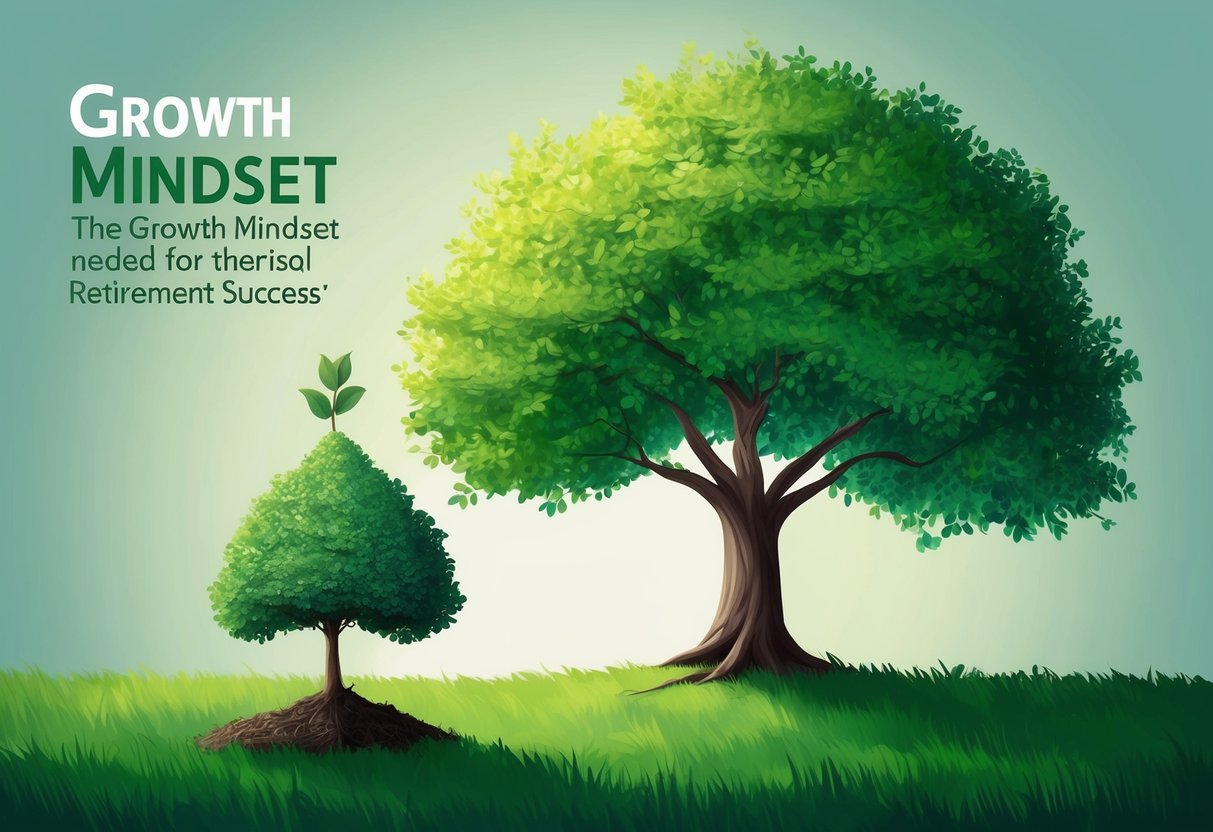 Developing a growth mindset is essential in retirement, helping individuals embrace change and continue thriving. Key components include cultivating optimism and resilience while engaging in personal development. These aspects work together to create a fulfilling and dynamic retirement experience.
Cultivating Optimism and Resilience
How do we navigate the unpredictable world of retirement? By nurturing optimism. It’s not just about seeing the glass half full; it’s about recognizing opportunities where others see obstacles. Optimism acts as a buffer, helping us tackle setbacks head-on. With a positive outlook, we see challenges as temporary and manageable. Resilience goes hand in hand with optimism. When faced with new challenges, such as adjusting to a fixed income or exploring a new hobby, resilience allows us to bounce back. It equips us to handle stress more effectively. Consider resilience your secret weapon—a tool that transforms fear of the unknown into excitement about what lies ahead. Combined, optimism and resilience create a powerful mindset that champions growth.
Expanding Personal Development
In retirement, personal development shouldn’t slow down. Now is the time to expand your horizons. Engaging in lifelong learning keeps the mind sharp and open to new ideas. Attend workshops, read books, or take online courses. These activities not only improve skills but also enhance self-confidence. Finding community through shared learning experiences also enriches life. It fosters connections with others who share similar interests and goals. This shared journey enhances emotional well-being and motivates continued growth. Personal development is not just a pastime; it’s a cornerstone of a fulfilling retirement, offering endless opportunities to learn and grow long after leaving the workforce. Embrace it, and watch as your world continues to expand.
Maintaining Social Connections
 Building and keeping strong social connections during retirement is crucial. Not only does it help you stay mentally and physically healthy, but it also enriches your life by introducing you to new experiences and people. Let’s explore how staying active in your community and volunteering can shape a rewarding retirement.
Staying Active in the Community
When I think about staying active, it’s not just about physical health. It’s about engaging with the world around you. Joining local clubs or groups that share your interests can be a great way to meet like-minded individuals. Imagine playing in a local tennis match or joining a book club; these activities aren’t just pastimes but avenues to deeper relationships. Community centers often host events and activities aimed at retirees. It’s an excellent platform for staying socially engaged and connected with others in your age group. Regular participation in these activities offers a sense of belonging, and may even spark new friendships that add color to your daily life. Staying active in this way helps combat the isolation often felt during retirement.
Considering Volunteer Work
Volunteering isn’t just a way to give back—it’s an opportunity to find purpose and stay connected to others. It allows me to meet new people who are driven by similar values and interests. Whether it’s helping out at a local food bank, tutoring children, or managing charity events, the opportunities are plenty. Volunteering opens doors to new and meaningful social interactions. It gives me the chance to forge deeper relationships with those I work alongside. Choosing volunteer work that I’m passionate about not only keeps me engaged but also ensures that my retirement years are fulfilling and purpose-driven. Plus, the stories and experiences shared with fellow volunteers enrich my life in ways unexpected.
Exploration and Leisure in Retirement
 Exploration and leisure play crucial roles in defining a successful retirement. Engaging in new activities can reignite your passions and provide a fulfilling life after work. These pursuits not only fill your time but enrich your experiences.
Discovering New Hobbies and Passions
What have you always wanted to try but never found the time for? Retirement offers the perfect chance to dive into new hobbies. Whether it’s painting, gardening, or learning a musical instrument, there’s a world of options to explore. Trying your hand at something new can be not only rewarding but also a wonderful way to meet like-minded individuals. Being open to new experiences means you might even discover passions you didn’t know you had. I found that many retirees truly come alive when they make room for new interests. It’s all about keeping an open mind and having fun while doing it. New hobbies can lead to a network of new friends and opportunities, transforming how you spend your days.
Travel and Exploration
Travel is not just about seeing new places; it’s about experiencing the world in a whole new way. Have you ever dreamed of walking through the streets of Paris or strolling on a quiet beach? Retirement frees you to plan those long-desired trips. Exploring different cultures expands your outlook and enriches your personal growth. Even local adventures can offer fresh perspectives and exciting experiences. Besides the enjoyment and relaxation travel brings, it also allows for deeper connections with others. Sharing these experiences can strengthen bonds with loved ones or foster new friendships. Planning trips and managing travel logistics can become another hobby, making the journey as enjoyable as the destination itself.
Financial Management on a Fixed Income
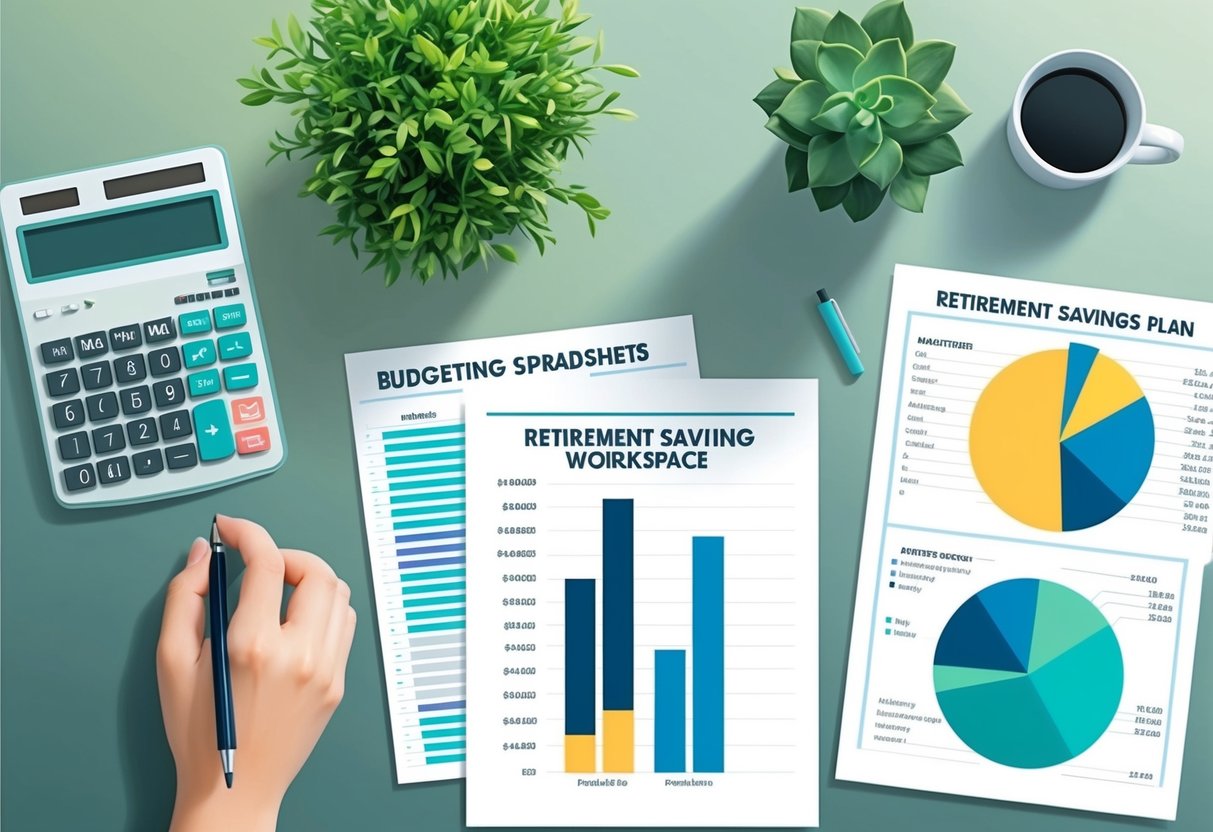 Managing finances effectively on a fixed income involves cultivating good habits and ensuring security for the future. These steps are crucial for enjoying retirement without financial stress.
Developing Sound Financial Habits
How can you make the most out of a fixed income? It’s essential to create a detailed budget that considers both needs and wants. Start by listing all sources of income and essential expenses. This will highlight areas where adjustments can be made. Tracking spending helps in understanding where the money goes, allowing you to make informed decisions. Frugality doesn’t mean giving up on quality. Seek discounts, use coupons, or consider buying in bulk where possible. These habits can be deeply rewarding and contribute significantly to managing funds effectively. Building these habits can make a significant difference in stretching your dollars further.
Ensuring Financial Security
Maintaining security is vital when living on a fixed income. How can you ensure your future is safe? By diversifying savings and investments, you create a safety net. An emergency fund is crucial and should cover at least three to six months of expenses. This offers peace of mind during unexpected events. Explore opportunities to increase income through part-time work or hobbies. Ensuring that your assets weather market changes helps in keeping your finances stable. Seek advice from financial advisors who understand the unique challenges of living on a fixed income. This guidance can be invaluable in charting a secure financial path.