
Many of us envision retirement as a time to simplify life, maybe even by downsizing. But is shifting to a smaller home or trimming expenses enough to ensure a comfortable retirement? Downsizing alone often isn’t sufficient for retirement success because it doesn’t address the full scope of financial needs and unexpected costs that retirement can bring. While a smaller home might mean reduced maintenance, it doesn’t automatically solve financial concerns.  What about the hidden costs and challenges that come with downsizing? Things like taxes, relocation expenses, or unexpected maintenance on a new property can quickly add up. Simply focusing on cutting down your lifestyle may leave you unprepared for the complexities of retirement finances. It’s crucial to look at the comprehensive picture—how might relocation affect your taxes, and do you have a plan to supplement your income? Many people neglect the ongoing benefits and challenges that come with a smaller home in retirement. While freeing up some cash flow, downsizing can limit future financial flexibility. Have you considered if your downsizing plan complements your broader retirement strategy, including insurance and tax implications? Achieving true retirement success involves more than just taking the traditional route.
Key Takeaways
- Downsizing alone might not cover all your retirement needs.
- Consider financial implications beyond immediate savings.
- A smaller home can restrict financial flexibility.
Understanding Downsizing in Retirement
 When approaching retirement, many consider if moving to a smaller home will best meet their needs. Downsizing can provide more manageable spaces and financial relief, yet it is important to evaluate the different aspects involved to make the best decision. Let’s explore the necessity to downsizing, the benefits a smaller home offers, and the distinction between downsizing and rightsizing.
Assessing the Need to Downsize
Have you ever asked yourself why you want to downsize? It’s not just about moving into a smaller home. Downsizing should come with careful evaluation of your needs and lifestyle. Perhaps maintaining a large house has become too demanding, or the costs are eating into your retirement savings. It’s about aligning your living space with your new priorities. Consider the physical space you’re using. Do multiple rooms go unused? Evaluating your current living situation can indicate if a smaller home could serve you better. This choice can offer a simpler lifestyle, but it’s critical to ensure it genuinely fits your retirement goals. After all, why squeeze into a smaller space if it doesn’t enhance your quality of life?
Benefits of a Smaller Home
A smaller home can bring many advantages during retirement. First, there’s the potential for financial savings. Without the burden of a larger mortgage, property taxes, or costly maintenance, you could free up funds for other retirement needs. Imagine having extra cash to travel or invest in hobbies you love. Managing a smaller living space can also reduce stress. With less to clean and maintain, life becomes simpler and perhaps more fulfilling. Lifestyle benefits like these are appealing when you’re no longer tied down by unnecessary responsibilities. The warmth of a cozy space often outweighs the emptiness of unused rooms. It could lead to a closer family interaction, especially if you’re an empty nester. Does that mean smaller is always better? Not necessarily, but for those seeking simplicity, a smaller home can be a rewarding choice.
Downsizing vs. Rightsizing
Downsizing and rightsizing may seem similar, but there’s a crucial difference. Downsizing often refers to reducing your living space, but rightsizing is about finding the right size for your needs. This could mean downsizing, upsizing, or staying put, depending on what works for you. Think of rightsizing as a more personalized approach. It’s about balancing your lifestyle, finances, and comfort. Have you evaluated if you’re overspending on space or if a smaller home truly aligns with your retirement dreams? Balancing these factors could lead you to an ideal living situation. Rightsizing ensures that your home environment matches your retirement goals, whether it’s downsizing to save money or choosing a comfortable space that doesn’t cause stress. By focusing on what truly matters, you might find that your golden years are as comfortable as you’ve always imagined.
The Financial Implications of Downsizing
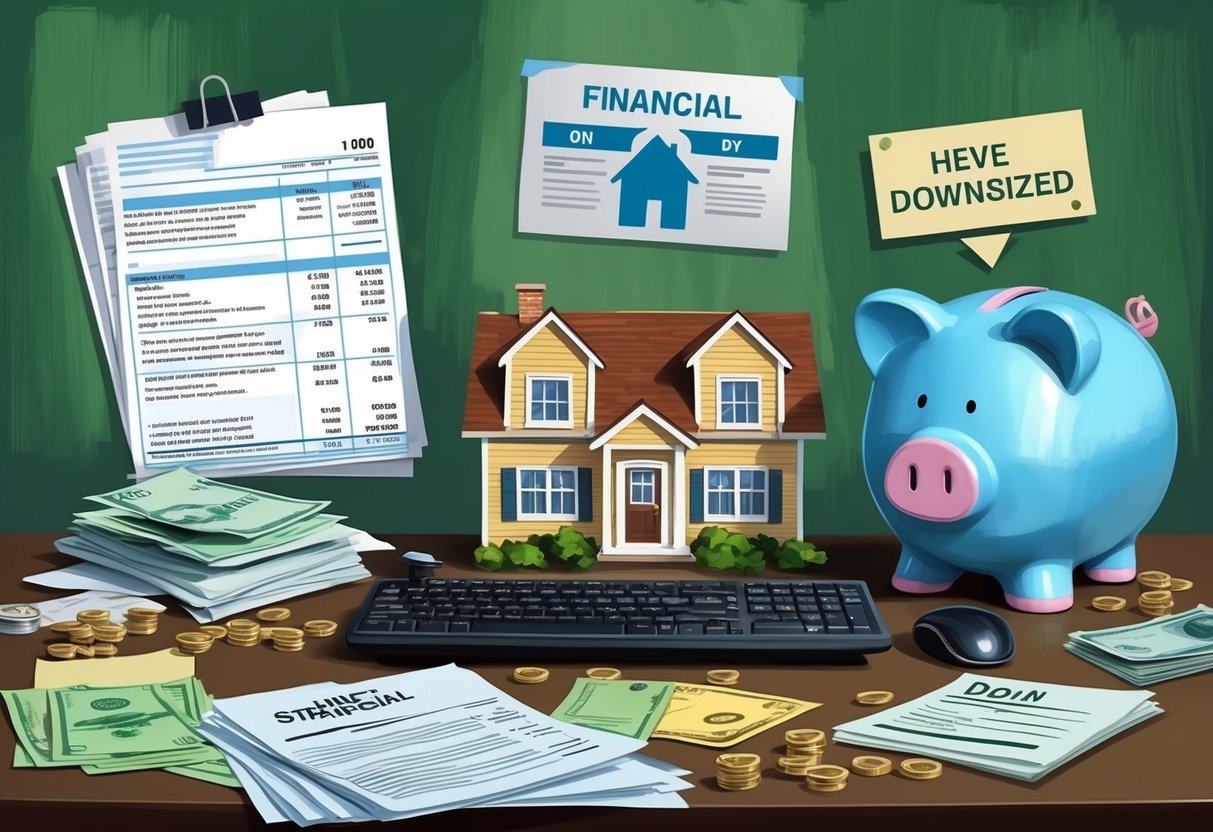 When considering downsizing for retirement, it’s essential to think about the financial aspects involved. We must evaluate costs and savings, the potential impact on your retirement plan, and how equity and cash flow are affected. These factors can shape your financial future and determine whether downsizing is the right move for you.
Evaluating Costs and Savings
Downsizing can potentially reduce mortgage payments, property taxes, and maintenance costs. For instance, a smaller home usually comes with lower housing expenses. But have you thought about the closing costs? They add up quickly. Selling a home and buying a new one often involves fees for a real estate agent, inspections, and legal services. Consider how much you will truly save each month. Will it outweigh these initial costs? And what about potential repair or renovation costs on a new, smaller property? It’s critical to calculate these expenses compared to the savings before making any moves. Does this decision align with your long-term goal of saving money?
Impact on Retirement Plan
Do you know how downsizing will influence your retirement? Often, freeing up cash flow is a priority. With lower monthly outlays, perhaps you can invest more in your retirement portfolio. A smaller house might free up resources to bolster a retirement account or simplify a retirement plan. How does this shift impact your retirement timeline? If you aim to retire early, savings from downsizing could be a meaningful boost. On the other hand, a poorly timed sale might shrink your financial buffer. It’s important to scrutinize these elements carefully, aligning them with your overarching retirement objectives.
Equity and Cash Flow Considerations
How much equity do you have in your current home? If you’ve built significant equity, downsizing can free up capital that can improve your cash flow. Turning that equity into liquid assets offers flexibility in addressing unforeseen expenses—a vital part of financial security during retirement. Can this cash inflow aid in funding your children’s education or unexpected medical costs? But reducing your living space might not always boost your cash flow. Real estate market conditions influence how much equity you can extract. It’s crucial to evaluate if downsizing supports your financial objectives and contributes positively to your long-term financial health.
Practical Aspects of Moving to a Smaller Home
 Moving to a smaller home involves several important steps and considerations. It’s not just about choosing a new place, but also about handling clutter, managing costs, and becoming part of a new community. Let’s explore how each of these aspects impacts your transition.
The Decluttering Challenge
Facing the clutter head-on is a crucial first step. You might find that many items you’ve held onto aren’t essential. Decluttering is more than just tossing things away—it’s about making thoughtful decisions for your future. Do you really need that old coffee table or the boxes in your attic? I recommend starting with a room-by-room assessment. Sort your possessions into categories: keep, donate, sell, or toss. Utilizing online marketplaces to sell items can give them a new life while adding a bit of cash to your pocket. Is a storage unit necessary? Sometimes it’s needed for things you can’t part with yet. Careful planning can help avoid tricky situations, ensuring a smoother transition into your new life.
Managing Moving Costs
Have you considered the true costs of moving? Beyond the initial price of your new home or condo, there are hidden costs that can add up quickly. Moving costs include everything from hiring movers to utility connect fees and other unexpected expenses. It’s smart to create a detailed budget early in the process. Be sure to leave room for surprises! Compare moving company quotes and consider strategies like packing yourself to cut down on expenses. Discuss the idea of downsizing with your family to ensure everyone is aligned. Remember, it’s about more than just the money; it’s about conserving resources so you can enjoy retirement fully.
Settling into a New Neighborhood
So you’ve moved in—what’s next? Getting acquainted with your new surroundings is vital for a smooth transition. Building connections in your new neighborhood can increase your sense of community. Explore the area. Check out local shops, parks, and community centers. Joining local clubs or attending community events can help you feel more at home. Are you living in a townhome or similar community property? Engage with your neighbors and learn about the neighborhood’s unique characteristics. Building relationships in your new area will make your downsizing journey even more rewarding.
Ongoing Benefits and Challenges
 Downsizing can offer significant financial and lifestyle benefits. However, it also comes with its own set of challenges that need consideration. From reduced utility costs to adapting to lifestyle changes, let’s explore these aspects.
Reduced Utility and Maintenance Costs
When you downsize, utility bills become noticeably lower. A smaller space requires less energy for heating and cooling, meaning you’re spending less on electricity and gas. In my experience, less space also translates to less stress in terms of both cleaning and maintenance. Imagine not having to worry about mowing a large lawn or fixing a leaky roof. With a smaller home, maintenance becomes more manageable and frequent costly repairs can be minimized. But remember, downsizing is not just about moving to a smaller place. It’s about embracing a lifestyle change and making deliberate choices to reduce expenses. Fewer monthly costs mean more financial freedom to allocate elsewhere, possibly towards travel or hobbies. The initial downsizing process can seem daunting, but the financial relief is often well worth it.
Adapting to a Change in Lifestyle
Adapting to a downsized lifestyle is more than just adjusting to a smaller living space. It’s about letting go of what’s no longer needed and rethinking what is truly important. This process can be emotionally challenging as it often requires parting with items that carry sentimental value. However, downsizing can also be an opportunity for renewal. I found that letting go of excess possessions led to less clutter and a more serene environment. It’s a chance to live simply and more purposefully. The shift may initially feel uncomfortable, but it often culminates in a sense of liberation. This lifestyle change requires time and patience as routines adjust, but the potential for a stress-reduced life is significant.
Long-Term Financial Impact
The long-term financial implications of downsizing are notable. Reducing home size can release home equity, potentially bolstering your retirement fund. Imagine converting that equity into investments or savings? That could ease concerns about financial security. Downsizing often results in fewer debts and obligations, providing more freedom in how money is spent. It allows for reassessing financial priorities, possibly leading to new opportunities. Over time, these benefits accumulate, crafting a more sustainable financial future. Remember, though, this isn’t a universal solution. Each financial situation is unique, so evaluate carefully if downsizing aligns with your retirement goals.
Insurance and Tax Considerations
 Deciding to downsize isn’t just about reducing space; it involves planning around insurance and taxes. These elements play crucial roles in managing your lifestyle change.
Navigating Property Taxes after Downsizing
After moving to a smaller home, property taxes can shift in unexpected ways. Do you expect a tax break simply because your living space shrank? That’s not always the case. In many areas, property taxes are tied to more than just a home’s size. Factors like the current value of real estate in your area or changes in local tax laws can have a big impact. It’s essential to consult with a tax professional who knows the ins and outs of property tax regulations. They can offer guidance to ensure you’re not caught off-guard by unexpected bills. You might also want to visit resources like Edward Jones on downsizing, which share insights about the financial ups and downs of shrinking your living space.
Insurance Needs for a Smaller Property
When you downsize, insurance needs often shift. Is your current home insurance policy still a perfect fit? Often, a smaller property comes with different risks and coverage requirements. It’s crucial to evaluate if adjustments in your policy could mean better coverage or lower premiums. Don’t assume a smaller house means easier decisions. Reach out to your insurance provider to discuss how your policy might need tweaking. You may find there are opportunities for savings when insurance matches your new lifestyle. The CAC explains how adaptions in your living space can necessitate insurance changes to protect your financial future.
Supplementing Retirement Income
 Thinking beyond downsizing, it’s crucial to explore other ways to supplement retirement income. Tapping into home equity and understanding social security are two powerful strategies to ensure a comfortable retirement.
Leveraging Equity from Your Home
Have you considered the potential of your home beyond just a place to live? By leveraging the equity in your home, you can unlock a valuable resource for extra cash flow. One way to do this is by selling your home and moving to something smaller. This option can significantly lower your expenses while providing a financial cushion. Another option is a reverse mortgage. This can be a smart choice if you want to stay in your home while accessing its value. The key is to understand the terms and ensure that it aligns with your financial goals. It can be complex, so it’s important to do your homework or consult with a professional to make the most of this opportunity.
Understanding Social Security Benefits
When can you start drawing social security? Understanding this is critical for maximizing your benefits. Many don’t realize that the age you start affects how much you receive monthly. Starting early means smaller checks, but waiting can lead to larger payouts. Think about your full retirement age, and how working longer might impact those benefits. Social security can be a significant part of your retirement plan, covering part of your expenses. It’s not a one-size-fits-all approach, so figuring out the best strategy can help secure your financial future. By carefully planning how to use these tools, it’s possible to create a more stable retirement. Keep exploring all options—it can make a big difference in navigating retirement successfully.