

As I reflect on the journey of Baby Boomers, it becomes apparent that traditional retirement advice often falls short. Many have trusted in 401(k)s and IRAs, but today’s economic landscape reveals gaps in these plans. It’s crucial to recognize that the financial strategies of the past may not meet the needs of today’s retirees. Why does the conventional wisdom seem ill-suited now? Life is different than it was just a few decades ago. The challenges Boomers face today require a fresh look at retirement planning. Have we considered how extended lifespans and uncertain job markets might affect future savings? Job opportunities have shifted, leaving many without the security they expected. Adapting to these changes is key to navigating this shifting landscape. In this evolving world, redefining retirement has become necessary. Finding new paths through financial planning, staying updated with technology, and ensuring health and wellness are vital. Embracing change may be the best way to secure a fulfilling future as we age. Can we pivot and find new strategies to secure our future?
Key Takeaways
- Traditional advice may not suit current economic realities.
- Adapting to financial and technological changes is vital.
- Redefining retirement can lead to a more secure future.
Understanding the Baby Boomer Generation
 As I reflect on the Baby Boomer generation, it’s clear that a unique blend of historical events and economic shifts has shaped their experiences. These factors have had a profound effect on their financial strategies and attitudes toward work and retirement.
Historical Context and Characteristics
Born between 1946 and 1964, Baby Boomers witnessed unprecedented growth and transformation. The post-World War II economic boom, the Civil Rights Movement, and the Vietnam War are just a few pivotal events that influenced their perspectives. Many of them grew up believing in the American Dream, with the promise of stable jobs and home ownership. This era fostered a strong work ethic and optimism for a more prosperous future. But what sets them apart from other generations? Baby Boomers tend to value loyalty and face challenges adapting to rapidly changing technologies. Their generation laid the groundwork for the social and economic landscapes we know today. This context is crucial in understanding their current financial concerns and the reliability of traditional advice.
Economic Milestones Impacting Boomers
The economic journey of Baby Boomers has been far from smooth. They experienced significant milestones like the stock market crashes, stagflation in the 1970s, and the Great Recession. These events tested their resilience and ability to adapt. Many Boomers worked hard all their lives, but as older workers, they’ve faced stagnant wages and the erosion of pensions. Have these economic shifts left Baby Boomers questioning their financial stability? As they approach retirement, they wonder if their savings and earnings will suffice. The traditional financial advice they followed may not adequately address these unpredictable changes in the economic landscape.
The New Retirement Landscape
 Navigating today’s retirement landscape means understanding the shifts in savings trends, impacts of the 401(k) revolution, and new social security realities. How are these elements reshaping what retirement looks like for baby boomers?
Shifts in Retirement Savings Trends
In recent years, traditional savings methods have transformed significantly. Many people are no longer relying solely on pensions but instead looking toward more varied investment vehicles. Have you noticed how the popularity of IRAs has grown? These accounts offer tax advantages, but are they enough to secure a stable future? People require diverse strategies. With the rise of online financial platforms, folks are investing beyond just savings accounts. Think about the potential of stocks, mutual funds, and even real estate. Retirement savings need to be robust and adaptable to changing economic times.
The 401(k) Revolution and Its Effects
With the decline of pensions, 401(k) plans have become a cornerstone for many retirement portfolios. Introduced as a tax-deferred way to save, they put more responsibility in the hands of individuals. But does having control over investments empower people or add stress? The shift to 401(k)s means employees often rely on market performance for their retirement income. What happens during a market downturn? It’s vital to understand that while 401(k)s offer growth potential, they also come with risks. Many find themselves questioning the best allocation strategies. Regularly reviewing and adjusting one’s 401(k) can help mitigate some uncertainties, ensuring long-term financial health.
Evolving Social Security Realities
Social Security, once a solid foundation, faces challenges. How reliable is this safety net for future generations? The number of retirees is increasing, straining the system, while the eligibility age and benefits might shift. For many, Social Security alone may not cover their retirement needs fully. Given these realities, it’s crucial to plan for retirement income that’s diversified. How can we integrate potential Social Security benefits into our overall strategy? By accounting for possible changes and preparing alternative income sources, we can maintain financial stability in retirement. Ensuring we’ve covered the landscape thoroughly is key to developing a plan that addresses both immediate and long-term goals.
Comparative Generational Outlooks
 As we navigate the shifting landscapes of work and financial priorities, each generation faces unique challenges and opportunities. Boomers, Millennials, Gen X, and Gen Z each bring different perspectives shaped by distinct economic and social climates.
Boomers vs. Millennials and Gen X
Boomers often emphasize long-term stability and loyalty in their financial and career choices. This generation values hard work and dedication, perhaps influenced by the ideals of their parents. Yet, have these formulas for success withstood the test of time? Many Boomers feel tension when they see Millennials and Gen X adopting more flexible job options. Millennials and Gen X value flexibility and innovation. The rise of digital technology and global connectivity has shaped their outlooks. Many prioritize work-life balance over traditional career paths. They invest in experiences rather than material possessions, a trend driven by the need to adapt to ever-changing markets. Who’s to say which path leads to true financial security?
Anticipating Gen Z’s Future
Gen Z is entering the workforce in a time of rapid technological advancement. They are digital natives, growing up with technology at their fingertips. Will this edge in tech-savviness translate to new avenues for investment and entrepreneurship? Gen Z’s attention to social issues influences their financial choices. They tend to support companies that align with their values, focusing on sustainability and ethical practices. This group faces immense pressure but also holds the potential to redefine success on their terms. Will their strategies prove wiser than those of previous generations? Our insights should be adaptive, as Gen Z’s presence in the market increases. What lessons can we learn from watching their journey?
Financial Planning for Later Life
 As we move into later life, financial planning becomes increasingly crucial. Healthcare costs rise, and the economy shifts, making it important to stay informed and prepared. Let’s explore the key factors that play into planning effectively at this stage.
The Importance of Healthcare Considerations
Healthcare is a major concern as people age. Have you thought about how much increasing Medicare costs could impact your savings? It’s vital to understand the potential expenses and plan accordingly. Many underestimate how medical needs can grow, and failing to plan might leave your finances in jeopardy. Long-term care insurance is something I’ve noticed more people considering. It might seem costly upfront, but it can significantly reduce the burden on your savings as you age. Compare different plans, considering what they offer and how they fit into your broader strategy. Looking ahead, think about how you can adapt your spending to cover these healthcare costs without depleting your resources or compromising your lifestyle.
Adapting to a Changing Economy
How do you protect your nest egg in an unpredictable economy? We face realities such as inflation and recessions that can erode savings. It’s crucial to have a strategy that considers these economic shifts. Diversification is key, not just in the types of investments but also in the methods of managing risk. Consider assets that withstand economic volatility. Real estate and certain types of bonds often provide stability. Keep an eye on economic trends and adjust your strategies as needed. Inflation can significantly impact purchasing power, so incorporating investments that offer inflation protection can be beneficial. Understand your risk tolerance and develop plans that align with your financial goals amid changing economic landscapes.
Technology’s Role with Aging Boomers
 Baby Boomers are increasingly embracing technology, transforming how they experience retirement. Meanwhile, the tech market is adjusting to cater to the needs of older Americans, creating new opportunities and experiences.
Embracing Tech in Retirement
Did you know that Baby Boomers are one of the fastest-growing groups embracing smartphones and digital tools? Many are finding that technology can enhance their lives in retirement. From connecting with family through video calls to managing their finances with apps, these tools offer convenience and efficiency. Some Boomers use technology to support their hobbies and interests. Whether it’s participating in online communities or streaming tutorials, the internet has opened endless possibilities. By adapting to new technology, they gain confidence and maintain their independence. Retirement doesn’t have to be a time of technological resistance. By embracing these tools, Boomers can continue to learn and grow in ways they might not have imagined. It’s not just about keeping up; it’s about thriving in this digital age.
The Tech Market Adjusting to Older Americans
The tech market is keenly aware of the needs and preferences of older Americans. Companies are developing products with features designed for simplicity and accessibility. This shift is altering how Baby Boomers interact with technology. Many companies now include larger screens and simplified interfaces in their devices, making them more user-friendly for older adults. Moreover, the market is seeing an increase in health-monitoring gadgets tailored specifically for seniors, who are keen on maintaining their well-being. Can you imagine the impact of a tech market that truly values and understands older consumers? Visionaries in the industry are shaping a future where Baby Boomers can enjoy more seamless and intuitive access to digital innovations without the frustration often associated with technology.
Statistics and Studies
 In exploring the financial realities for Baby Boomers, it becomes crucial to examine the numbers that highlight their current status. Specific data from the Survey of Consumer Finances alongside median balance figures offer insights into retirement preparation and financial health.
Survey of Consumer Finances Findings
The Survey of Consumer Finances provides a detailed look at the financial landscape faced by many Baby Boomers. This survey reveals patterns in asset accumulation, income disparities, and debt load. Did you know that many Baby Boomers have less saved for retirement than expected? The survey shows that nearly half of the Baby Boomer households have little to no retirement savings. Boomers are increasingly relying on Social Security, with many having less than five years’ worth of their current income saved. This paints a sobering picture, where traditional advice may have led many to feel underprepared.
Median Balance and Retirement Readiness
Focusing on median balance, I see a stark contrast between expectations and reality. The median retirement account balance for those nearing retirement age is shockingly low. For many, this balance wouldn’t sustain a comfortable retirement lifestyle without significant changes. The trend of insufficient savings is further accentuated by rising living costs and healthcare expenses. Have you ever wondered how so many can get it wrong despite following conventional wisdom? What can Baby Boomers do when the median figures fall short of what’s needed? In this ongoing quest for financial security, these statistics highlight the importance of crafting more personalized, effective strategies for Baby Boomers as they plan their golden years.
Health and Wellness in Retirement
 Retirement brings new challenges, especially when it comes to staying healthy. As we age, managing health becomes crucial, impacting not just our happiness but our financial security too.
Managing Aging and Health Issues
Aging isn’t something we can avoid, but we can manage its effects. Regular exercise, for instance, helps keep bones strong and reduces the risk of diseases. Eating a balanced diet and staying hydrated also play a vital role. How do we handle unexpected health issues that can drain our savings? Prevention is key. Regular check-ups and screenings can catch problems early. Health insurance tailored for retirees is another safeguard. Do we overlook mental health? Staying socially active, learning new skills, or volunteering can boost moods and keep our minds sharp. Retirement should be a time to enjoy life, not stress about health. Making proactive choices now can ensure we enjoy our later years fully.
Redefining Retirement
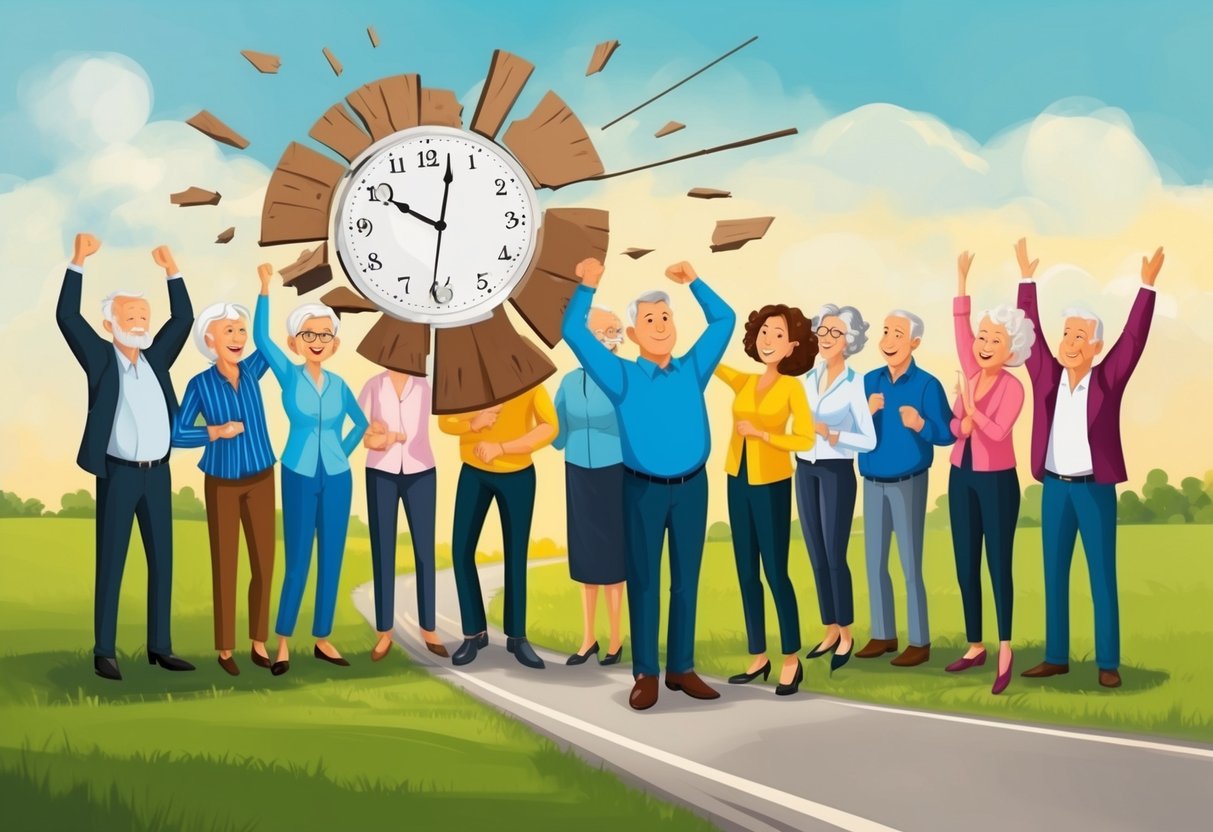 As many Baby Boomers approach retirement, they’re finding that the traditional path doesn’t always meet their needs. Instead of merely resting, there’s a growing trend toward finding new challenges and ways to stay engaged.
The Search for Meaning and Purpose
Have you ever wondered what will truly fulfill you once you step away from a nine-to-five job? Many, like myself, have noticed that financial security alone doesn’t equate to a satisfying retirement. People crave meaning and purpose. While some find new roles as consultants or part-time workers, others volunteer or take up hobbies they never had time for before. This quest for fulfillment extends beyond just ticking off a list of desires. It involves thoughtful reflection on what brings joy and a sense of contribution. Embracing new opportunities can revitalize your later years, offering a chance to explore passions often sidelined in the rush of working life. It’s about defining what happiness looks like in this new chapter.
New Frontiers for Older Generations
Why should retirement mean slowing down? For many, retirement age is just another milestone. Older workers are exploring fresh adventures, paving the way for Generation X to think differently about their own futures. The notion of retirement is expanding to include second careers, often in fields such as arts or education, where experience is invaluable. These endeavors are sometimes fueled by changes in social security benefits and personal financial strategies. I see this as a chance to leverage decades of experience into rewarding pursuits that weren’t possible earlier in life. By tackling new ventures, the barriers set by age seem less imposing, opening doors to possibilities that keep life exciting and purposeful.