
Retirement should be a time of relaxation and enjoyment, but why do so many feel anxious about it? Media narratives play a huge role in shaping how we view this life stage. Every day, we’re bombarded with stories and images that can stir up fears about financial security and well-being. These narratives influence our perceptions, often creating unnecessary stress and anxiety.  Media messages have the power to impact mental health during the transition to retirement. Our confidence can be shaken by negative stereotypes about aging and retirement. On the other hand, positive stories can inspire and empower us. How can we better filter these messages to protect our peace of mind? Understanding the impact of media is crucial for navigating retirement with confidence. It affects not just individual outlooks but also public attitudes and policies. We need to be proactive in seeking balanced and constructive narratives as we plan for the future.
Key Takeaways
- Media shapes perceptions and creates retirement anxiety.
- Narratives can affect mental health and confidence.
- Being proactive helps find balanced retirement views.
Defining Retirement Anxiety
 Retirement anxiety can deeply affect one’s well-being. It involves emotional stress due to uncertainty about life changes like financial security and social engagement. Let’s explore the psychological and social factors that contribute to this anxiety.
Psychological Consequences
Retirement is a major life change, and with it comes potential mental health challenges. Anxiety about the future can arise from worries about income, healthcare, and a new lifestyle. Do you find yourself stressing over how you’ll fill your days? Many experience fear of boredom or loss of purpose, which can lead to depression. Mood swings and stress are common as individuals adjust to retired life. It’s not just about quitting work; it’s about finding new ways to find meaning and satisfaction. Retirement might relieve work stress, yet it introduces new challenges that can affect your mood and mental health over time.
Social Determinants
Social factors play a crucial role in retirement anxiety. Social connections often shift in retirement, and this can feel isolating. Have your social interactions decreased without the daily routine of work? Many retirees struggle with maintaining a sense of community and social identity. The transition can lead to a decrease in social engagement, which impacts mental health. Maintaining a robust social network can counter feelings of loneliness and promote better health outcomes. Planning for social activities outside of work settings can make the transition smoother and help reduce anxiety about this new phase in life.
The Role of Media in Shaping Perceptions
 Media narratives have a powerful effect on how we view retirement and our financial future. By examining both the influence of news media and the impact of stereotypes and ageism, we can better understand how these factors contribute to retirement anxiety.
Influence of News Media
News media has a significant impact on what we perceive as financial realities. How often have you seen headlines predicting economic downturns or emphasizing the challenges of retiring comfortably? These stories can play a large role in shaping public awareness and anxiety. When the media repeatedly highlights certain economic issues, it affects our perception of safety and stability. This coverage often frames retirement as a looming challenge rather than a manageable transition. It’s important to recognize how this narrative impacts our mindset towards savings and investment. How do we navigate this? By questioning media messages and seeking diverse sources of information, I can build a more balanced understanding. The story needs to include not just challenges but also opportunities for financial growth and stability.
Stereotypes and Ageism
Stereotypes around aging can contribute to a feeling of uncertainty about retirement. The media often portrays older adults as out of touch, struggling with new technology or financial management. This kind of narrative can discourage individuals from feeling confident about their financial independence. Ageism in media adds to this issue by promoting the idea that aging is a decline rather than an opportunity for new beginnings. This narrative can lower self-esteem and reduce motivation to plan proactively for retirement. To challenge these stereotypes, I focus on stories that highlight the strengths and potential of older adults. By recognizing and valuing the diverse experiences of seniors, we can foster a more empowering image of aging. How will you change your perception of retirement today? It starts with redefining the narrative.
How Media Narratives Affect Mental Health Outcomes
 The stories we see in the media play a key role in shaping our mental health. They can influence how we view ourselves and our future, especially as we approach retirement age.
Respect and Recognition
As we grow older, the need for respect and recognition becomes more important. Media narratives often shape how society perceives older adults. When the media portrays older individuals in a positive light, showing them as respected and valued members of society, it enhances their mental well-being. Respect in media leads to a stronger sense of self-worth and confidence. When people see themselves represented positively, they feel more accepted and appreciated. This is crucial for reducing anxiety about aging and retirement. Feeling valued and respected also helps in combating loneliness and promoting a positive self-image. When the media ignores or misrepresents older adults, it can contribute to feelings of invisibility. This lack of recognition results in stress and anxiety about the future. Therefore, understanding how media narratives impact our self-perception is vital for mental health.
Media Exposure and Depression
How often do you encounter media that affects your mood? Exposure to negative media can have a profound impact on mental health outcomes. In some cases, constant exposure to negative narratives could increase depressive symptoms (Media & Mental Health). Imagine frequently hearing about financial instability or bleak retirement prospects. It can lead to increased stress and anxiety, particularly for those nearing retirement. This heightened stress can further contribute to depressive symptoms, especially if one already feels uncertain about the future. On the positive side, stories of hope and recovery in the media can also provide comfort. They inspire confidence and encourage better mental health practices. Therefore, the type of media we consume significantly impacts our mental health. It is essential to choose narratives that support positive mental well-being, reducing feelings of despair and anxiety.
The Impact of Media During Retirement Transition
 Media narratives shape how people perceive and experience retirement. They can influence emotions, create expectations, and even contribute to anxiety about this life change. Understanding how media impacts adjustment and health outcomes is crucial for navigating this period.
Adjustment to Retirement
When it comes to retirement, have you ever considered how media stories impact our mindset? Media often portrays retirement as a time of leisure and freedom. While inspiring, these portrayals can sometimes lead to unrealistic expectations. What happens when reality doesn’t match this vision? Media can also highlight negative aspects like loneliness or financial difficulties. For some, this leads to anxiety. During retirement transitions, it’s vital to recognize these influences and manage our expectations. This awareness helps in adjusting to a realistic retirement experience, promoting comfort rather than stress. Beyond just talk, media also offers practical advice. There are countless articles and segments on financial planning or lifestyle changes. By paying attention to these, I find I can proactively shape my journey, making the transition smoother and more informed.
Health Consequences
Does media impact your health during retirement? Absolutely. Many retirees eventually face a shift in health status, which media may either play up or downplay. Constant exposure to stories about aging and health can lead to fear or anxiety about personal health outcomes. Media can stress certain health risks, sometimes making them seem more common than they are. This heightened worry can affect mental health, leading to increased stress. It’s crucial to stay informed while recognizing sensationalism when it occurs. On the positive side, media offers insights into maintaining good health post-retirement. From exercise tips to mental wellness, there’s a wealth of information to enhance life quality. By focusing on beneficial content, I can actively improve my health, making media work for me, not against me.
Media Portrayals and Social Networks
 The way media portrays aging can shape our views on retirement significantly. It can also impact our social networks, influencing how we interact and connect. Gender roles and social engagement are key factors that can affect retirement experiences.
Gender and Social Relationships
Isn’t it interesting how media often frames gender roles? These portrayals can affect our social relationships, especially as we age. For example, women might be shown as primary caregivers, which can influence their social support networks. This can create expectations around their roles in family and community dynamics. Men, on the other hand, might be depicted as breadwinners, which could limit their social circles if they do not seek new connections post-retirement. These stereotypes can lead to real-world effects. Women, who are often portrayed as more connected, might have stronger social support networks. Meanwhile, men may need to work harder to build their own. I find that these media narratives can influence our perspectives on what’s expected in our personal lives, particularly as we transition into retirement. Understanding these dynamics can help us break free from traditional molds.
Social Participation and Isolation
Social participation plays a crucial role in our well-being as we age. Engaging in community activities can provide a sense of purpose and help maintain mental health. Yet, media sometimes highlights the negative aspects of social engagement. For instance, it can spotlight stories of isolation in older adults, amplifying fears of loneliness. Why does this matter? Because it impacts how we perceive retirement living. Fear of isolation might discourage some from enjoying newfound freedom. On a brighter note, social media and online platforms offer new ways to connect. They can soften the blow of reduced face-to-face interactions in retirement. We’ve seen how these connections can bolster confidence, making it easier to embrace the social aspects of retirement.
Public Policies and Health Outcomes
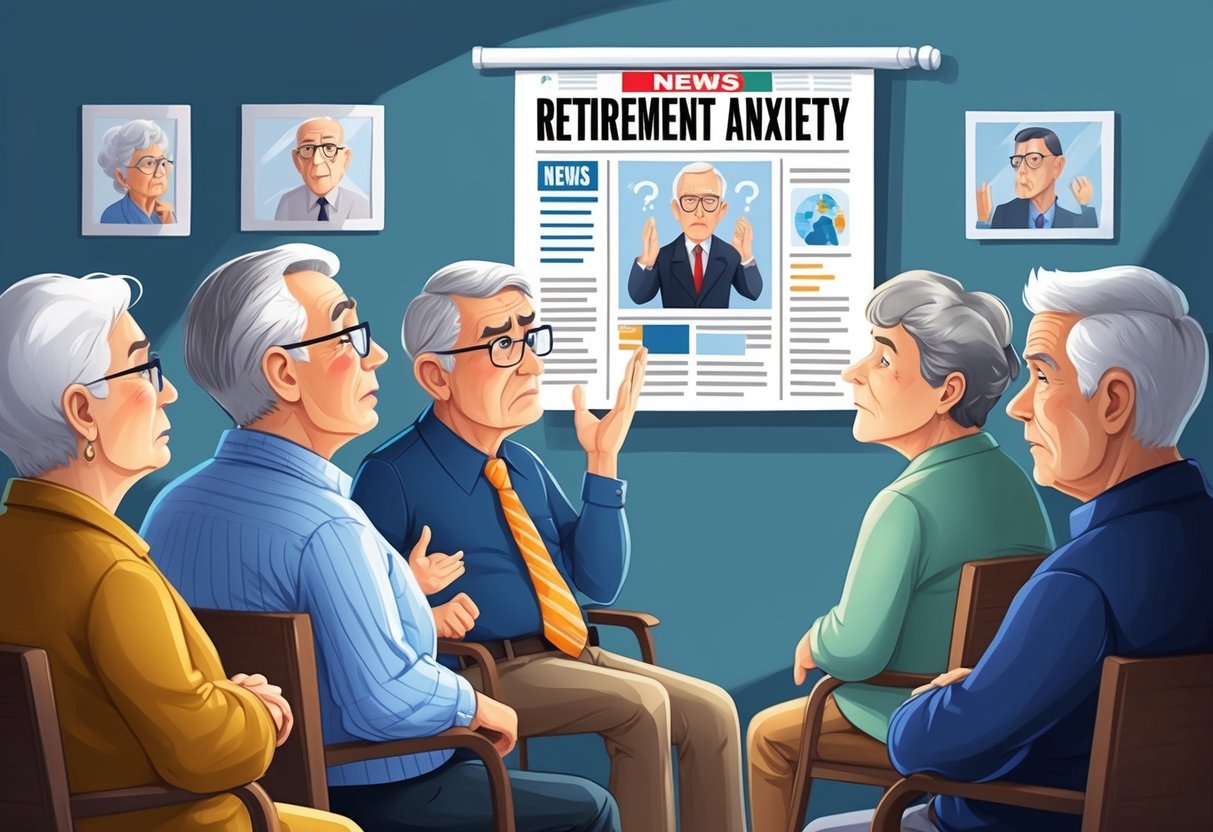 Public policies have a significant impact on health outcomes, especially when it comes to retirement. By examining social security and health policy changes, we can better understand their effects on retirees’ well-being.
Retirement Age and Social Security
The retirement age plays a crucial role in shaping individual health outcomes during their later years. Many people rely on social security as a primary source of income after retirement. But what happens when the retirement age is adjusted? Raising the retirement age means longer work lives, potentially affecting health negatively due to increased stress and reduced downtime. Social security benefits are essential for many retirees. Ensuring these benefits meet the needs of aging populations is crucial. Are current social security policies keeping up with changing demographics? That’s a question policymakers need to address. To sustain social security, governments must consider the economic implications of demographic shifts and propose adjustments accordingly. This might involve incentivizing delayed retirement through increased benefits or offering flexible retirement options, which could promote better health outcomes by reducing financial stress.
Health Policy Developments
Changes in health policies directly influence retirement experiences by affecting access to essential health services. I’ve seen how policies focused on preventative care and chronic disease management can significantly improve retirees’ quality of life. These policies can reduce healthcare costs and encourage healthier lifestyles among older adults. What effect do recent health policy developments have on retirees’ health? Initiatives that improve access to healthcare can lead to better management of age-related conditions, enhancing overall well-being. Furthermore, health education programs for retirees can encourage proactive health management. When crafting health policies, it’s crucial to consider retirees’ unique needs. For example, ensuring affordable medication and easy access to healthcare services can make a huge difference. Policymakers should continue to adapt these frameworks to support healthier and more fulfilling retirements.
Financial Considerations and Media Influence
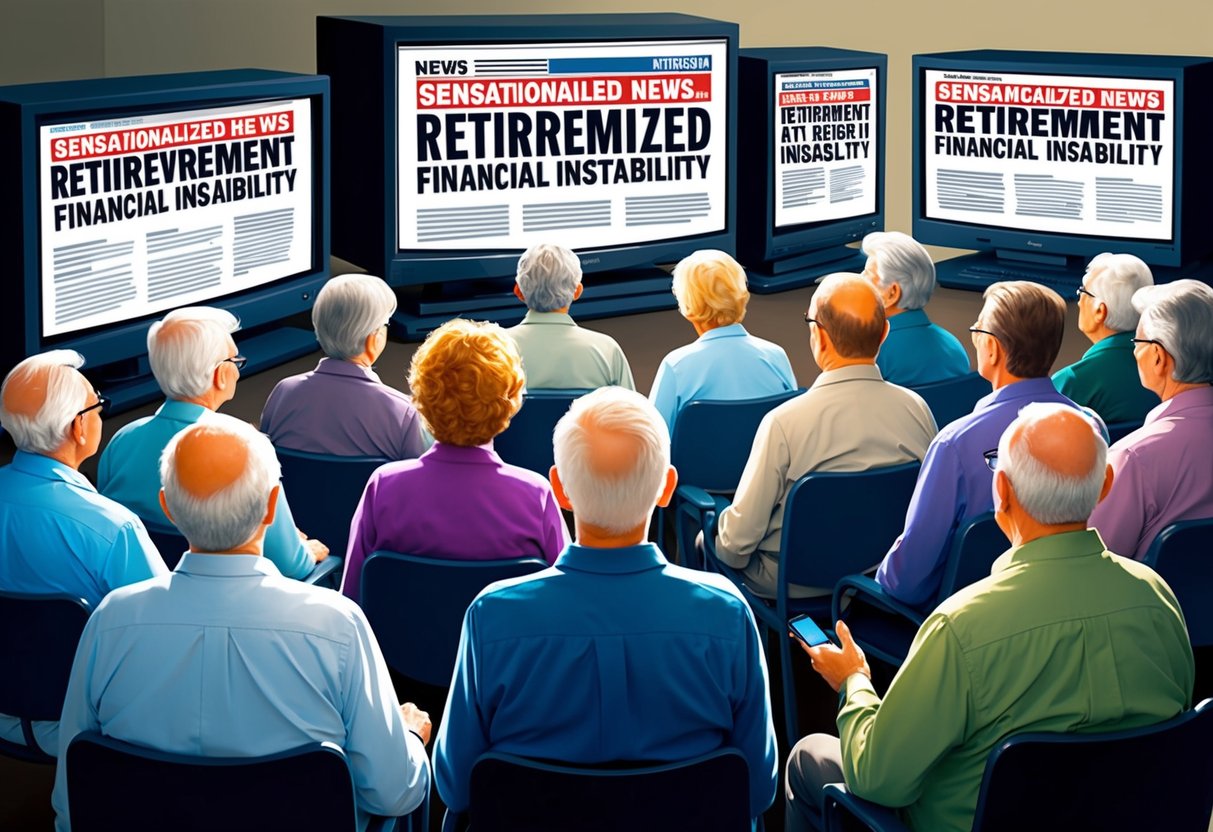 In today’s complex financial world, knowing how to plan for retirement and understanding media influence are crucial. With the right strategies, one can build a strong financial foundation and make informed decisions.
Planning Financial Resources
Do you know if your financial resources will be enough for retirement? This is a key question many people ask themselves. Planning with precision matters. Start by analyzing your current savings, investment portfolios, and potential future income. Health insurance is another major factor to consider, as it can consume a significant part of your retirement budget. Spreading your risk across various asset classes can stabilize your retirement plans. Real estate, stocks, bonds—each has a role in a diversified portfolio. Evaluate your job characteristics such as pensions and retirement plans. They’re often an overlooked aspect of retirement planning, yet they can offer significant security.
Media’s Role in Financial Decisions
The media is a powerful tool shaping financial decisions. Ever noticed how financial influencers and experts bombard you with advice? This flood of information can be helpful but sometimes overwhelming. Finfluencers on social media use compelling stories to sway opinions. They craft narratives about their own financial journeys, giving advice that seems personal. It’s essential to remain skeptical and analytical about the media’s influence on your decisions. Don’t let flashy headlines dictate your investment choices. Instead, rely on well-researched strategies tailored to your individual needs. Peer discussions in online forums and social media can offer insights, but always filter them through your personal financial goals and realities.
Covid-19 Pandemic: A Case Study
 During the COVID-19 pandemic, many older adults faced unique challenges as they approached retirement. The pandemic not only caused financial uncertainty but also influenced mental health, adding to retirement anxieties. Let’s explore these issues in more detail.
Pandemic-Related Retirement Anxieties
Did you ever consider how a global event could shake your retirement plans? Many people found themselves doing exactly that during the pandemic. Stock market volatility and job insecurity became major concerns. People nearing retirement worried about their savings. Could they last through such unpredictable times? News about the economy made matters worse. The media painted a picture of scarcity and fear. This influenced how we felt about our financial future. I found that uncertainty increased stress levels, impacting decisions about when to retire or whether to keep working longer.
Pandemic’s Impact on Older Adults
The COVID-19 pandemic certainly highlighted vulnerabilities among older people. Besides financial stress, there were health concerns. Many older adults were at higher risk, which added another layer of worry. Staying healthy became a top priority, but what about emotional well-being? The isolation many experienced wasn’t just inconvenient—it was damaging. Staying away from loved ones and lacking regular social contact took a toll. Anxiety and loneliness were real issues. These experiences might just have changed how we view our later years and what we need for a secure, happy retirement. Is there a way to plan better for such unforeseen challenges in the future?
Scientific Research on Retirement Anxiety
 The study of retirement anxiety involves exploring how transitioning out of work impacts mental health. Research often uses comprehensive methods to gather and analyze data, offering invaluable insights to those facing this major life change.
Meta-Analysis and Systematic Review
In my exploration of retirement anxiety, I’ve found that meta-analyses and systematic reviews are crucial for understanding the broader trends. Such studies compile data from numerous individual research efforts. This approach allows for a more comprehensive view of retirement’s impact on mental well-being. For instance, a systematic review and meta-analysis highlighted how retirement anxiety influences life satisfaction. Using PRISMA guidelines, these reviews synthesize findings, thus providing clearer insight into this complex issue. Gathering data from diverse sources, these research projects can reveal patterns that might not be visible in smaller studies. They are instrumental for policymakers and individuals seeking to understand the potential emotional challenges during retirement.
Access to Data and Open Research
Navigating the world of scientific research can be daunting without data access. I find that open research initiatives make valuable information available to a wider audience. Papers under creative commons licenses are freely accessible, allowing anyone to dive into the details. For instance, when studies on retirement are published as open access, they empower individuals to explore findings without barriers. This transparency is key, as it allows people like you and me to make informed decisions about our futures. In a landscape where data is king, accessible research becomes an ally in preparing for retirement’s emotional and financial terrain. By tapping into this wealth of knowledge, one can better navigate the uncertainties of life after work.
Mitigating Retirement Anxiety
 Retirement anxiety is not just about finances. It’s also about feeling connected and respected. Social support and facing discrimination or finding inclusion can dramatically shape one’s experience during retirement.
Caregiving and Support Systems
In retirement, social support becomes crucial. Why? Because having a network of friends and family can greatly reduce anxiety. We all know that caring for others and being cared for ourselves provides a sense of purpose. Studies show that retirees with strong support systems tend to experience less stress and anxiety. Having backup from a caregiving system is key. For instance, friends and family can assist with daily tasks or even emotional support when needed. This reduces the burden and lowers anxiety levels. Connecting with similar-aged folks in community centers often brings peace of mind since these places offer activities and shared experiences. Investing time in these social networks can greatly enhance well-being and offer a buffer against the challenges of retirement.
Inclusion and Discrimination
Inclusion is about feeling part of something bigger. It gives us a sense of belonging. Yet, many retirees face discrimination, which can increase anxiety and affect mental health. Discrimination can be based on age, gender, or even previous job roles. Such negative experiences might make retirees feel isolated or unwanted. In my experience, addressing these feelings requires fostering environments that value diversity and treat everyone equally. This might mean joining groups that focus on varied activities, ensuring one feels welcome and valued. Being proactive about inclusion decreases the feeling of isolation, dramatically lowering anxiety. Real effort in breaking barriers and promoting diversity can make retirement more enjoyable and fulfilling. Seeking community organizations that emphasize inclusion provides both social opportunities and a supportive network, making the retirement phase much smoother.