
I’ve spent years listening to the usual financial advice—save more, work longer, cross your fingers. But what if there’s another way to build real security for my family and me?
Investing in Salt Lake City real estate offers a shot at rental income, long-term growth, and even seasonal profits. That could move me closer to actual financial independence.
As I dug into this market, the fundamentals really jumped out at me. Salt Lake City’s population keeps growing, job opportunities look strong, and neighborhoods like Sugar House, The Avenues, and Holladay are gaining serious attention for their investment potential.
It made me pause—am I missing a chance to build wealth by just sitting on the sidelines?
I see seasoned investors buying everything from modern condos to homes near ski resorts. Sure, there are legal and financial hurdles, but the right strategies can make it manageable and even rewarding.
The question isn’t “should I invest in Salt Lake City?” but “how soon can I get started?”
Key Takeaways
- Salt Lake City real estate can offer steady cash flow and growth.
- Certain neighborhoods stand out for investment opportunities.
- Rental and seasonal properties are in high demand.
Overview of Real Estate Investing in Salt Lake City, UT
Salt Lake City’s real estate market in Utah is growing fast. Lower interest rates, a diverse local economy, and high demand for housing have set the stage for investors who want more than what savings accounts offer.
Market Growth and Trends
Salt Lake City’s real estate growth isn’t just luck. Population increases, especially from both in-state and out-of-state moves, have pushed up demand for homes and rentals.
Utah’s unemployment rate sits below the national average, which keeps incomes steady and buyers feeling confident.
Property prices have climbed, but not in the wild, unpredictable way you see in some other cities. Instead, Salt Lake City’s trend feels stable and upward.
Even after the pandemic, this market didn’t really slow down. Jobs in tech, healthcare, and logistics help the city avoid relying on just one industry.
Local investing feels more attractive if you want predictable cash flow. If you want to dive into the data, check out HouseCashin’s guide to investing in Salt Lake City.
Types of Investment Properties
Salt Lake City offers more than cookie-cutter options for investors. Some folks prefer single-family homes for their resale value and broad renter appeal.
Others eye multi-family buildings, which lower vacancy risk and offer steady monthly income. Short-term rentals, like Airbnb units, do well thanks to tourism, skiing, and the national parks nearby.
Townhouses and condos often need less maintenance and attract younger tenants and newcomers. Mixed-use properties—think retail below, apartments above—are popping up more often.
My approach? I pick property types that fit my goals and match the city’s rental trends. If you want more tips, Utah Property Solutions shares advice for first-time real estate investors.
Key Advantages of Investing Locally
Why focus on Salt Lake City for real estate investment? The stability gets me every time.
Utah’s economy is resilient, and job growth supports the rental market. Unlike stocks or bonds, local real estate lets me keep an eye on my investments and even improve them.
Rental yields remain attractive. Many neighborhoods offer solid rent-to-price ratios.
Investing locally means I can spot new opportunities before big investors swoop in. The variety—homes, condos, multi-family units—means I’m never stuck in just one lane.
If you want to dig deeper, check out Petra Winegar Homes on Salt Lake City’s best neighborhoods.
Salt Lake City’s Real Estate Market Fundamentals

Salt Lake City isn’t just a hotspot on a map—it’s a place where smart money pays close attention. Prices are up, buyer demand stays strong, and the market can still surprise even experienced investors.
Home Values and Appreciation Rates
Watching home values rise isn’t about chasing fads—it’s about tracking steady, real wealth over time. In Salt Lake City, the median home price has gone up a lot in the last few years.
Even as interest rates jumped nationwide, buyers here kept the market hot.
Why do I care? Consistent appreciation means equity builds, and equity turns into cash flow, leverage, and options.
Typical properties that sold for less than $400,000 just a few years ago easily fetch more now.
I chase trends, not just numbers. Salt Lake City’s home prices have often increased faster than the national average, drawing both families and investors.
It’s not luck—it’s strong fundamentals pushing these numbers.
Comparison With National Averages
How does Salt Lake City stack up against the rest of the country? That’s the big question. Recent data puts Salt Lake City’s median sale price about 28% higher than the national average.
This matters if I want to diversify beyond my local market.
Salt Lake City
U.S. National Average
Median Price
Higher
Lower
Price Growth
Above National
Moderate
Demand Level
Strong
Varies
While some cities’ real estate markets have stalled, Salt Lake City keeps demand and sales high. Buyers here aren’t just chasing a dream—they see lasting value.
Homes usually sell just below listing price, so things stay competitive but not out of control.
Analysis of Property Values
Property values tell more than a quick profit or loss. I always ask: What’s driving value here?
Location, jobs, population growth, and a diverse economy all play oversized roles in Salt Lake City.
Inventory moves fast, and homes are often in short supply. This keeps property values up and avoids pointless price drops.
Investment properties stand out because of stable rents and lower-than-average vacancy rates.
Salt Lake City’s strength isn’t just downtown—the suburbs are seeing investment too.
Properties near schools, universities, or public transit tend to hold or increase in value faster. I don’t just see real estate; I see chances to build wealth when I get why values stay steady or grow.
Top Neighborhoods for Real Estate Investing

Salt Lake City has plenty of neighborhoods for different investment strategies and risk levels. Some areas have steady rental demand, while others are pulling in new buyers with strong growth potential.
Downtown and Urban Areas
Downtown Salt Lake City is the core for business, nightlife, and city perks. Why does that matter? High walkability, easy public transit, and steady demand from young professionals and students.
Rental properties in Downtown rarely stay vacant for long. New developments and renovations have bumped up property values.
The Avenues mixes historic homes with smaller multifamily units. Investors can also go after short-term rental opportunities.
Urban core neighborhoods see strong, steady appreciation. Check out more on urban mixed-use property investing.
Sugar House is another urban spot worth noting—new apartments, trendy shops, and reliable rental demand. There’s always movement here.
If you’re after cash flow and long-term value, these places often deliver. For a detailed breakdown, see Best Salt Lake City Neighborhoods to Buy Real Estate.
Up-and-Coming Districts
Savvy investors don’t always chase the “nicest” neighborhood—they hunt for the next growth wave. South Salt Lake and parts of Glendale fit that bill.
These districts are getting new businesses, art spaces, and affordable housing projects.
South Salt Lake has benefited from city investment in infrastructure. Rental yields can be higher here, especially for small multifamily units where there’s less competition.
I keep an eye on properties near new TRAX stations or redeveloped commercial areas.
Millcreek is changing fast and drawing first-time homebuyers, younger families, and creative professionals. These “in-between” zones often offer the best purchase price to rent income ratio.
For a closer look, see Best Neighborhoods To Invest In Salt Lake City, UT.
Suburbs and Family-Friendly Areas
Suburbs like Holladay, Draper, and Cottonwood Heights offer good schools, bigger lots, and safe communities. These draw families looking to settle for the long haul.
Why does that matter? Stability means fewer vacancies for landlords, so cash flow stays predictable.
Holladay and Draper have newer developments and strong homeowner demand. Cottonwood Heights sits near mountain resorts, bringing in renters who love the outdoors.
Properties here often appreciate faster than the city average, especially if they’ve got updated amenities.
If I want low tenant turnover and a good shot at value increases, these family-focused suburbs are solid picks.
For more specifics, check out Best Neighborhoods in Salt Lake City for Real Estate Investors.
Popular Property Types in Salt Lake City
Salt Lake City’s real estate market has a little bit of everything. I’ve seen options for all kinds of investors, from practical homes for families to high-end properties that catch the eye of seasoned buyers.
Single-Family Homes
When I’m searching for solid investments, single-family homes in Salt Lake City always stand out.
These properties attract long-term tenants like families and working professionals.
Neighborhoods like Sugar House and Millcreek have strong demand, thanks to easy access to schools, parks, and shopping.
Single-family homes usually don’t need much daily management. Since tenants often stay long-term, there’s less turnover, fewer repairs, and less headache.
Property values have climbed steadily, and it’s common to see single-family homes held as rental investments by individuals and small investors.
These homes give you a straightforward way into real estate. It’s a shot at building equity while collecting rent each month.
Multi-Family Properties
I think multi-family units—like duplexes, triplexes, and small apartment buildings—open up some fun options for boosting cash flow. Why stick with just one rent check when you could have two, three, or more coming in each month?
In Salt Lake City, you’ll find multi-family properties in neighborhoods close to downtown, near the University of Utah, or along TRAX routes. Vacancy risk drops when you own several units—if one tenant leaves, you’re still collecting from the others.
I see a lot of investors chasing multi-unit residential properties for exactly that reason. It just makes the numbers a bit safer.
These properties help me scale up my portfolio without buying a bunch of separate houses. With one multi-family deal, you get several units under a single roof, which can mean better management and sometimes, honestly, stronger returns.
Luxury Real Estate Market
Salt Lake City’s luxury market is on the rise. High-end homes in places like The Avenues, Federal Heights, or up by the ski resorts tend to draw executives, professionals, and folks moving in for work.
Luxury properties come with perks: mountain views, smart tech, and roomy layouts. Of course, you’ll need more capital to get started, but the rental income can be impressive if you target buyers or short-term renters looking for something special.
I’m always a little tempted by the appreciation potential in these spots. Demand is driven by people chasing a certain lifestyle, not just investors. The right luxury home sometimes feels like a personal getaway that also gains value.
If you’re bored by standard strategies, high-end residential real estate might be a way to mix things up—and maybe even aim a bit higher.
Rental Income Opportunities
Rental properties in Salt Lake City can provide steady income while leaving room for appreciation. New residents and visitors keep showing up, which means there are lots of ways to boost cash flow.
Long-Term Rentals
I see strong demand for long-term rentals here. Salt Lake City’s population keeps climbing every year, so more renters are looking for homes, condos, and apartments.
Why settle for a bank’s interest rate when a rental can bring in regular income? The job market—especially tech and healthcare—helps keep units full.
A well-kept investment property can keep vacancies low, which is huge for protecting rental income. There’s a mix of options: detached houses for families, smaller apartments for young professionals.
Long-term tenants usually take better care of a place, and their steady payments are a relief compared to more speculative plays. I’ll use professional management when I want things totally hands-off, but some folks self-manage to squeeze out a bit more profit.
If you want more details or current listings, check out investment properties in Salt Lake City—it’s a good way to see what’s actually generating income.
Short-Term and Vacation Rentals
Short-term rentals have taken off in Utah. Salt Lake City gets a ton of visitors for big events, ski season, and those trips to national parks.
Platforms like Airbnb and VRBO make it pretty simple to keep your place booked most of the year. I’ve found you can charge a premium for nightly stays, especially during festivals or ski weekends.
Sometimes, a single month’s income from short-term guests beats what you’d get from a long-term lease. But it’s not all upside—expect higher turnover and more maintenance.
Local regulations matter a lot here. Salt Lake City enforces strict rules for short-term and vacation rentals. I always double-check city laws and HOA rules before I buy or list a property for this.
Some neighborhoods are friendly to vacation rentals, but others just say no. For a deeper dive into both long-term and short-term options, there’s a solid breakdown on real estate investment in Salt Lake City.
Cash Flow Analysis
How do I know if a rental property’s working for me? It’s all about cash flow—the money left after rent comes in and I pay the mortgage, taxes, insurance, repairs, and management fees.
I never just assume high rent equals high profit. Real investors run the numbers, accounting for vacancies, repairs, and those surprise expenses that always pop up.
It’s easy to fall for curb appeal, but if the cash flow doesn’t work, I move on. I keep spreadsheets or use cash flow calculators to compare different strategies.
I look for neighborhoods with proven demand and low vacancy rates. That helps me sleep better at night.
For more on finding markets where rental income and appreciation line up, I check out reports on top Utah real estate markets for cash flow. A little homework now can mean more freedom down the road.
Ski Resorts and Seasonal Investment Properties

Salt Lake City’s got a major advantage: world-class ski resorts nearby and year-round rental demand. If you plan it right, these properties can turn into steady income.
Proximity to Major Ski Resorts
Location really is everything. Some of the best spots for real estate investing are just a quick drive from mountains like Park City, Snowbird, and Alta.
Tourists flock here from all over for the slopes. Certain neighborhoods, like Holladay, are close enough to the resorts but still work as year-round homes.
You’ll find cozy cottages and big ranches, so it’s easy to match what renters or buyers want. For anyone tired of letting cash sit idle, I’ve noticed that buying near these resorts usually means fewer vacancies and more options when it’s time to rent or sell.
Even downtown Salt Lake draws renters who want both city perks and mountain access. That opens up extra income streams.
Investment Potential in Winter Markets
Winter changes everything. Short-term rental demand jumps as tourists pour in for skiing and holidays.
Park City is especially popular for maximizing returns—high occupancy and premium prices help cover slower months.
I always wonder what gives me an edge. In Salt Lake City, properties with year-round appeal seem like the answer.
Even after the snow melts, people come for hiking, biking, and festivals. That keeps rental income coming in.
Recent data shows Salt Lake City’s rental markets offer solid daily rates and occupancy. I try to stay ahead of trends and pick spots close to busy resorts to balance risk and reward.
Property Management in Salt Lake City
If you want to build a real estate portfolio here, you can’t ignore property management. The right team turns a potential headache into a hands-off, cash-generating asset.
Choosing a Local Property Manager
Why gamble with your investment? I always look for firms based right in Salt Lake City.
Local knowledge is worth its weight in gold. The best property managers know the rental market, the laws, and the quirks of each neighborhood.
Some companies cover Salt Lake and nearby cities like Provo or Ogden. Wolfnest focuses on maximizing returns and offers a free rental analysis in Salt Lake City.
TierOne Real Estate covers several counties, including Salt Lake. I always check if a manager is full-service—leasing, rent collection, maintenance, and eviction handling all matter.
Here’s what I look at when comparing:
- Years in business and reputation
- Number and type of properties managed
- Fee structure (flat or percentage)
- Transparency in reporting
Managers aren’t all the same. I insist on clear communication and a track record before handing over my keys.
Managing Maintenance and Tenants
Maintenance can eat your profits if you’re not careful. I want property managers who handle repairs fast, work with good vendors, and keep me in the loop.
Tenant relations matter just as much. The right manager markets vacancies, screens applicants, and enforces leases.
Nestwell Property Management in Salt Lake City claims to put in extra effort to maximize returns and free up your time.
I look for teams who do inspections, collect rent, and make sure tenants follow the rules. Tech is a big deal for me—I want managers who use it to communicate, collect rent, and flag problems quickly.
My goal? Maximum occupancy, minimal drama. I want people who treat my investment like it’s their own.
Legal and Financial Considerations

When I look at Salt Lake City investment property, I focus on two things: understanding state laws for landlords and knowing how Utah financing works. Both matter if you want to protect your assets and make smart choices.
Utah Landlord-Tenant Laws
Does owning property mean you’re safe from legal headaches? Not a chance.
Utah has rules I have to follow as a landlord—security deposits, evictions, leases, repairs, all of it. For example, I can require a security deposit, but I need to return it within 30 days after a tenant moves out (unless there’s damage).
Eviction isn’t just telling someone to leave. I have to give proper notice and file the right paperwork if a tenant won’t go. Changing the locks myself? That’s a no-go.
Utah law says I’ve got to fix health or safety problems fast. If I don’t, tenants can break the lease or even sue.
It’s not just about following the law—it’s about protecting my investment. I keep an eye out for regulatory changes in Utah real estate to stay ahead.
Financing Investment Properties
What about funding my investment? Utah has a mix of traditional and alternative ways to finance a property.
Conventional mortgages are an option, but they usually require a larger down payment—sometimes 20% or more. Banks check my credit score, income, debts, and the property’s value before they say yes.
If my goal is cash flow, I should compare fixed-rate and adjustable-rate mortgages. Do I have enough reserves? Lenders really want to see I can cover several months of mortgage payments if things get tight.
Planning for extra costs, like property taxes and maintenance, is vital for my budget. Investors also analyze potential returns by looking at rental income and expected appreciation.
If I want to dig deeper into these financial steps, top tips for first-time real estate investors in Salt Lake City offer a reliable starting point.
Future Outlook for Salt Lake City Real Estate
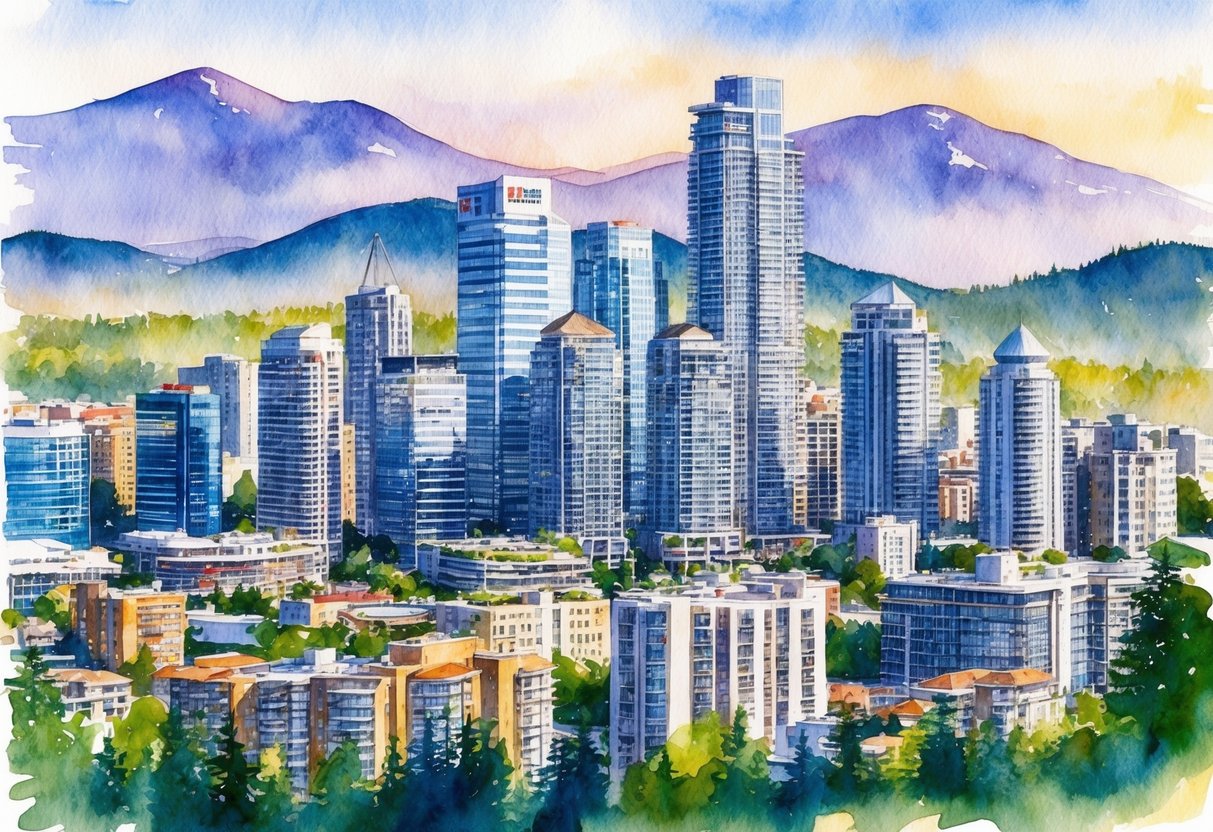
Salt Lake City is seeing real growth, both in its economy and its housing market. For those tired of missing out, there are clear trends shaping the opportunities ahead.
Upcoming Developments
When I look at the projects on the horizon, I see big changes in store for Salt Lake City. The city is supporting new commercial buildings, apartment complexes, and mixed-use developments.
These are not just on paper; many are under construction or already approved. Major employers are building new offices.
Companies in technology, healthcare, and finance keep expanding. I expect to see more new neighborhoods, with modern amenities and smarter infrastructure.
Cities that grow like Salt Lake City often attract strong investment for years. What does this mean for me as an investor?
New developments drive demand. They can create equity increases and rental growth.
For those seeking reliable cash flow, newer properties and locations close to business hubs offer options to diversify and limit risk. For more details, check the best neighborhoods to invest in Salt Lake City.
Population and Economic Trends
Utah—and especially Salt Lake City—keeps attracting new residents. That’s not just luck; job creation plays a huge role.
From what I’ve seen, the jobs here aren’t all minimum wage gigs. Salt Lake City’s labor market has a surprising mix: software, biotech, banking, logistics.
The paychecks are healthy, and the cost of living isn’t outrageous. That combo pulls in families who want to put down roots.
Housing demand? Still strong. Maybe prices won’t skyrocket like before, but home values look set to hold steady or tick up.
People keep moving in, so both home sales and rentals stay in high demand. If you want to dig deeper, check out this market overview for Salt Lake City real estate for more details on recent trends.