
Thinking about investing in Colorado’s mountain real estate? You’re not alone. Many people dream of owning a piece of paradise in the Rockies.
I’ve seen firsthand how these properties can be great investments.

Mountain real estate in Colorado can offer strong appreciation potential and rental income opportunities.
Places like Breckenridge and Aspen have seen big jumps in cash transactions, showing high demand. But you don’t need to focus only on the priciest spots. I’ve found that more affordable towns like Buena Vista can also be smart choices for investors.
When I look at mountain properties, I consider factors like location, amenities, and rental potential.
Colorado’s diverse economy and popularity as a tourist destination make it an appealing market. But like any investment, it’s important to do your homework and understand the unique aspects of mountain real estate.
Key Takeaways
- Mountain properties in Colorado can appreciate well over time
- Both luxury and affordable mountain towns offer investment opportunities
- Consider factors like location, amenities, and rental potential when investing
Understanding the Colorado Real Estate Market
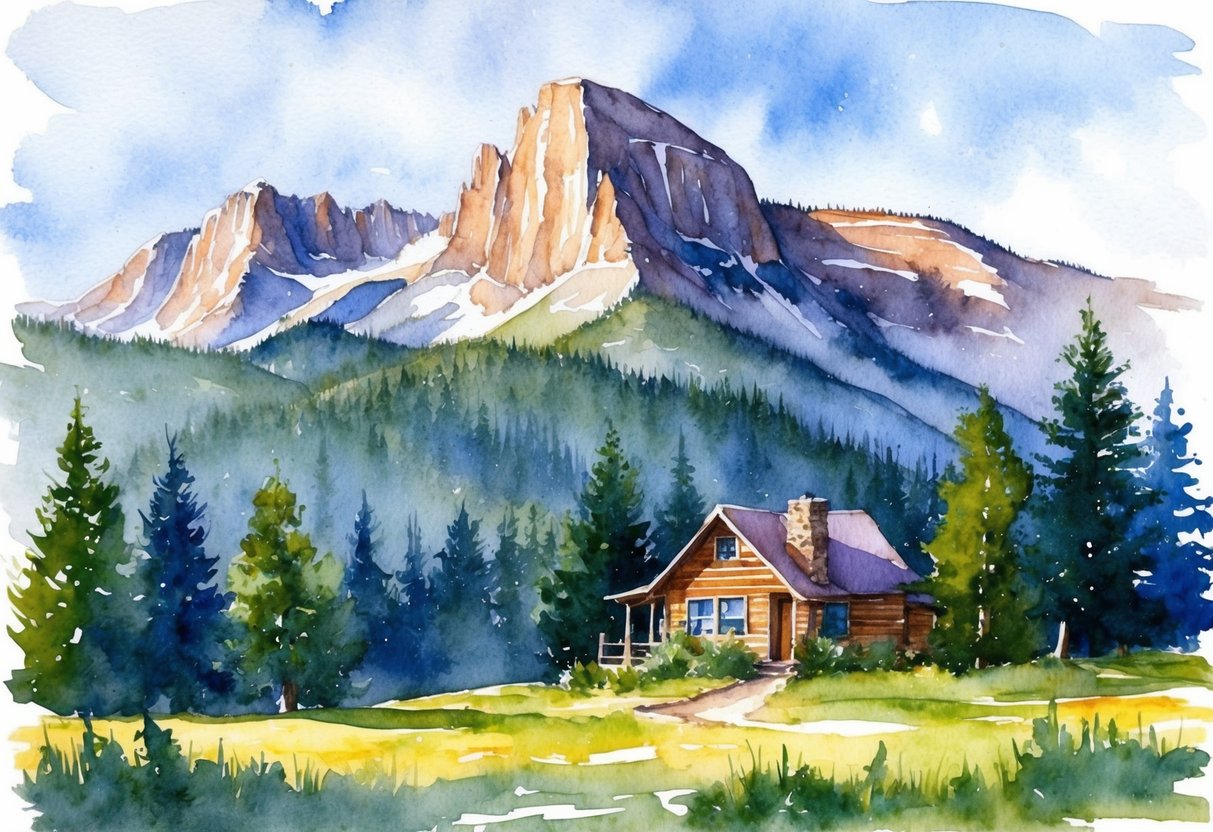
The Colorado real estate market offers unique opportunities for savvy investors. Let’s explore the economic factors driving growth and key markets to watch.
Economic Indicators and Population Trends
Colorado’s economy is booming, and it shows in the real estate market. The state’s population growth continues to outpace the national average, fueling demand for housing.
I’ve noticed unemployment rates hovering near historic lows. This means more people with steady incomes looking for homes.
Household incomes are rising too. In Denver, for example, median incomes have grown faster than many other major cities. This translates to more buying power for residents.
But here’s a question: With all this growth, are there still affordable options for investors?
Key Markets and Their Performance
Denver remains the crown jewel of Colorado real estate. The city’s market has seen consistent appreciation, with median home prices up 5.7% year-over-year.
But don’t overlook other areas. Colorado Springs is emerging as a hot spot for investors. Its lower entry costs and strong job market make it attractive.
Pueblo offers a different opportunity. It’s more affordable than its northern neighbors, potentially offering higher returns for those willing to look beyond the usual suspects.
Here’s a quick comparison:
City
Median Home Price
Year-over-Year Growth
Denver
$559,980
5.7%
Colorado Springs
$450,000
4.2%
Pueblo
$275,000
6.3%
Have you considered these markets for your next investment?
Comparative Advantages of Mountainous Real Estate Investments
Mountain properties offer unique investment opportunities. They blend natural beauty with profitable potential, especially in popular ski towns.
Ski Towns and Short-Term Rental Appeal
Ski towns are gold mines for real estate investors. I’ve seen firsthand how these areas attract tourists year-round. In winter, skiers flock to the slopes. In summer, hikers and nature lovers come for the cool mountain air. This constant flow of visitors creates a strong short-term rental market.
What makes ski towns so special? It’s the mix of outdoor fun and luxury amenities. Visitors want comfortable places to stay after a day on the slopes. They’re often willing to pay more for a cozy mountain cabin or a modern condo with great views.
Have you considered the off-season potential? Many ski towns host festivals, concerts, and other events to draw crowds year-round. This means your property could generate income even when there’s no snow on the ground.
Attractiveness of Natural Amenities
Natural beauty is a powerful draw. Mountain properties offer stunning views, fresh air, and a sense of peace you can’t find in the city. But it’s more than just pretty scenery – it’s about lifestyle.
Think about it. Where would you rather wake up? In a noisy city apartment or a cabin overlooking a pristine lake? Mountain real estate appeals to people seeking an escape from urban life. They want to hike, fish, and enjoy nature right outside their door.
These natural amenities don’t just attract buyers – they can boost property values too. A home with a mountain view or access to hiking trails often sells for more than a similar property without these features. It’s not just about the house – it’s about the experience it offers.
Have you noticed how people are valuing experiences more than things these days? Mountain properties tap into this trend perfectly.
Financial Considerations in Mountain Real Estate

Investing in mountain real estate requires careful financial planning. Let’s explore the key factors that can impact your investment decision and long-term returns.
Affordability and Market Entry
Mountain properties often come with a hefty price tag. I’ve seen many investors struggle with the initial costs. Mountain homes’ values are linked to the economy, which can make them volatile.
But is it all doom and gloom? Not necessarily. Here are some points to consider:
- Location matters: Prices vary widely based on proximity to ski resorts and amenities.
- Seasonal demand: Can you capitalize on peak rental seasons?
- Financing options: Have you explored specialized mountain property loans?
I always advise my clients to look beyond the sticker price. What’s the potential for long-term investment value? Can you offset costs through short-term rentals?
Remember, creativity is key. Could you partner with other investors to split costs? Or start small with a condo instead of a full-sized home?
Property Tax Implications
Property taxes can sneak up on you if you’re not careful. In mountain areas, they can be surprisingly high. Why? It’s often due to the premium placed on scenic views and recreational access.
Here’s what I’ve learned about mountain property taxes:
- Rates vary by county and can change annually.
- Assessed value might not match market value.
- Special districts (like fire protection) can add extra charges.
Have you considered the impact on your cash flow? It’s crucial to factor in these ongoing costs when calculating your return on investment.
I always recommend checking with local tax assessors before buying. They can provide valuable insights into current rates and potential future changes.
Types of Real Estate Investments in the Mountains
Mountain real estate offers unique investment opportunities. Let’s explore two popular options that can help you build wealth and generate income in scenic locations.
Long-Term Rental Properties
I’ve found that long-term rentals in mountain areas can be a great way to build steady income. These properties often appeal to locals, remote workers, and people seeking a permanent mountain lifestyle.
Ski towns like Breckenridge or Aspen can be particularly attractive for long-term rentals. They offer year-round appeal and a stable rental market.
When considering a long-term rental investment, I look for:
- Properties near amenities and job centers
- Homes with good insulation and heating systems
- Areas with strong local economies
Remember, long-term tenants typically care for the property better and require less hands-on management. This can mean more passive income for you as an investor.
Short-Term Holiday Rentals
Short-term rentals in mountain areas can be highly lucrative, especially in popular tourist destinations. These properties cater to vacationers looking for a temporary mountain getaway.
Investing in mountain real estate for short-term rentals can offer higher returns, but it also comes with more work. You’ll need to handle frequent turnovers and marketing.
Key factors I consider for short-term rentals:
- Proximity to ski resorts, hiking trails, and other attractions
- Unique features that make the property stand out
- Local regulations on short-term rentals
Have you thought about how you’ll manage the property? Many investors hire property management companies to handle day-to-day operations.
Maximizing Rental Income in Mountainous Areas
Boosting your rental income in mountain areas requires smart pricing and hands-on management. Let’s dive into some proven strategies I’ve used to maximize returns on mountain properties.
Strategies for Optimal Pricing
Setting the right price for your mountain rental can make or break your investment. I’ve found that seasonal pricing is key. During peak ski season or summer holidays, I raise rates to match demand. In slower months, I offer discounts to maintain occupancy.
I also recommend researching competitors’ rates. Don’t undersell yourself, but stay competitive. Have you considered offering package deals? Bundling lift tickets or local attractions with your rental can justify higher rates.
Dynamic pricing tools can be a game-changer. They adjust your rates based on real-time demand, events, and even weather forecasts. This automated approach has boosted my income significantly.
Remember, unique features can command premium prices. A hot tub with mountain views or a cozy fireplace? Highlight these in your listing and price accordingly.
Effective Property Management
Managing a mountain rental isn’t a walk in the park, but it’s crucial for maximizing income. I’ve learned that regular maintenance is non-negotiable. Snow removal, HVAC checks, and quick repairs keep guests happy and reviews positive.
Have you considered hiring a local property manager? They can handle guest communications, cleaning, and emergencies. Yes, it’s an expense, but it often pays for itself in better guest experiences and fewer headaches.
I’ve found that personalized touches go a long way. A welcome basket with local treats or a guidebook of nearby attractions can lead to glowing reviews and repeat bookings.
Lastly, leverage technology. Smart locks for easy check-ins, WiFi-enabled thermostats for energy savings, and security cameras for peace of mind. These investments can reduce costs and improve guest satisfaction in the long run.
Navigating Real Estate Regulations
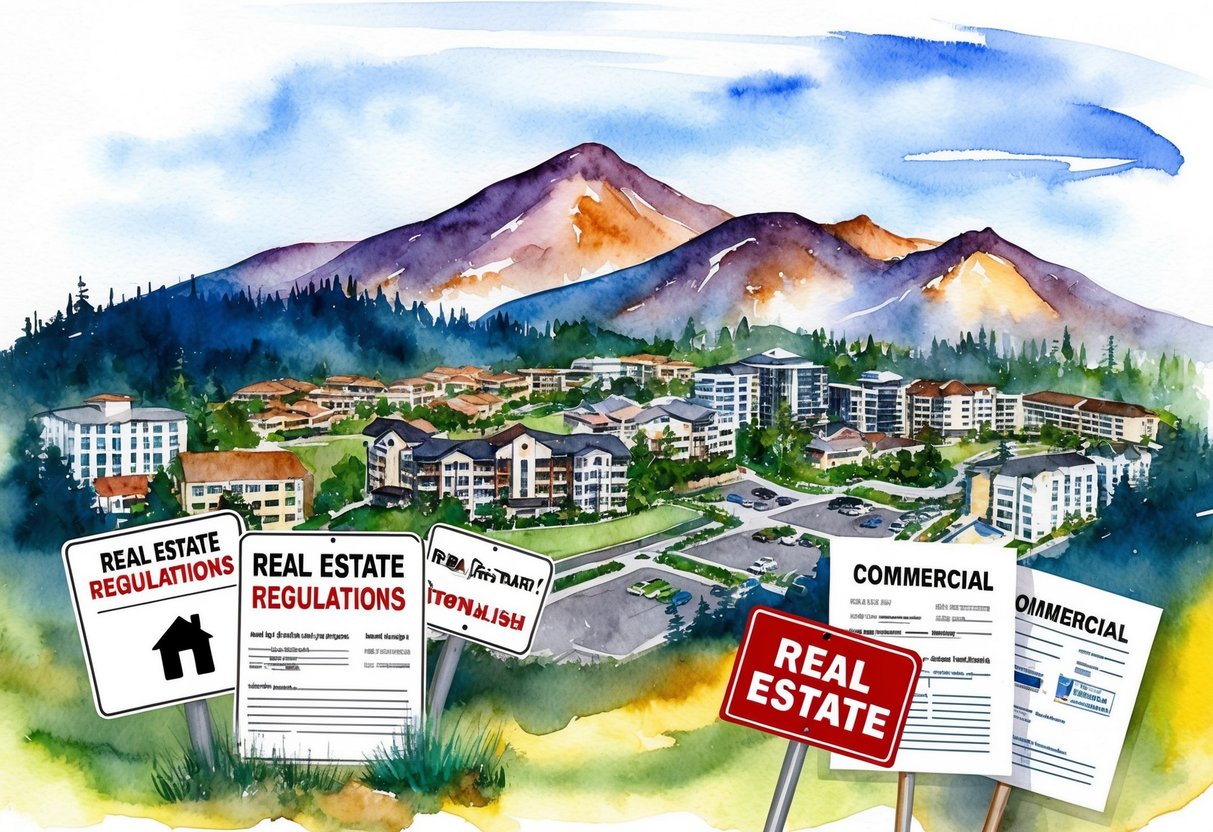
Mountain real estate in Colorado comes with its own set of rules. Understanding these regulations is key to making smart investments and avoiding costly mistakes.
Zoning and Building Codes
When I invest in mountain properties, I always check the zoning laws first. These rules dictate what I can build and how I can use the land.
In Colorado’s mountains, zoning can be strict to protect the natural beauty.
Have you ever thought about adding a guest house to your property? Not so fast! Many mountain areas limit the number of structures allowed.
Building codes in these regions are often stricter due to environmental concerns. They may require special snow load calculations for roofs or fire-resistant materials.
I’ve learned to work closely with local planning departments. They can be a goldmine of information.
It’s better to ask questions upfront than face fines or tear down a non-compliant structure later.
Short-Term Rental Regulations
Short-term rentals can be a great way to offset costs, but beware of the rules. Colorado mountain towns have been cracking down on services like Airbnb. Why? To preserve local housing and community character.
Some areas require licenses for short-term rentals. Others limit the number of days you can rent out your property.
In popular ski towns, I’ve seen waiting lists for rental permits. It’s crucial to check these regulations before buying if rental income is part of your plan.
Don’t forget about taxes. Short-term rentals often face higher tax rates than long-term ones.
I always factor this into my investment calculations. It can make a big difference in your bottom line.
Outdoor Recreation and Real Estate Value

Colorado’s mountains offer more than just scenic views. They’re a goldmine for real estate investors who understand the link between outdoor activities and property values.
Investing in Proximity to Recreation
I’ve seen firsthand how properties near hiking trails and ski resorts can be cash cows. Why? People will pay top dollar for easy access to nature.
A home with mountain views and outdoor access can fetch premium prices.
Think about it. Would you rather drive hours to go hiking or step out your back door? That convenience is worth a lot to buyers and renters.
I always look for properties near popular trails or ski areas. They tend to appreciate faster and rent out more easily.
It’s a win-win for investors.
Impact on Property Values and Rental Appeal
Let’s talk numbers. Properties close to outdoor recreation can see values jump 20-30% higher than similar homes without easy access.
Impressive, right?
Rental appeal skyrockets too. I’ve found vacation rentals near hiking spots or ski resorts can charge 50-100% more per night than properties in less desirable areas.
Breckenridge is a prime example. Its world-class skiing drives real estate prices up and keeps rentals in high demand year-round.
But remember, location is key. A run-down cabin next to a beautiful trail won’t magically become a cash machine.
You still need to invest wisely and maintain your property well.