
Is it really safe to rely solely on a fixed income in retirement? Many people believe that simply investing in bonds or other fixed-income assets is a foolproof plan for a secure retirement. Yet, relying only on fixed income can expose you to unexpected risks that might not sustain you in the long run. With fluctuating interest rates and inflation, the income generated from these investments may not be as stable or sufficient as many think.  Consider how inflation can erode the purchasing power of your fixed returns. Every year, your money buys a little less than before. This can significantly impact retirees who depend on a steady income stream. Imagine facing a rise in living costs while your income stays the same. It’s clear that fixed income isn’t a guaranteed safety net. So, what can you do? Exploring alternative investments and strategies might offer better protection and improved returns. By diversifying, you can take advantage of potential growth opportunities that fixed-income investments alone cannot provide.
Key Takeaways
- Fixed income has hidden risks due to inflation and interest rates.
- Inflation reduces purchasing power over time.
- Diversification can increase potential returns and security.
Understanding Fixed Income and Retirement
 Retirement planning involves careful consideration of different income sources. Many retirees look at fixed income options, such as bonds, for their supposed safety. Yet, these investments come with certain risks that can impact long-term financial security.
Defining Fixed Income in the Context of Retirement
Fixed income typically refers to investments that provide a steady stream of payments over time. Common examples include bonds, Treasury bills, and certificates of deposit. The appeal lies in their predictability; they offer stable returns, which might sound attractive when you’re planning for retirement. But is predictability enough? The value of a fixed income investment can fluctuate due to interest rate changes. When rates go up, the value of existing bonds tends to drop. Selling a bond under these circumstances could mean taking a loss. Additionally, some claims have noted that not all bonds guarantee payment, making them a riskier option for those relying on them as a main income source.
The Role of Fixed Income Investments for Retirees
For retirees, fixed income investments serve as a potential source of regular income. These can be integrated into a broader financial strategy to ensure stability and manage risk. One might think that this asset type could form the backbone of a secure retirement plan. But relying solely on fixed income may lead to concerns. Inflation can erode the real value of the steady payments, impacting purchasing power over time. Many financial experts suggest diversifying investment portfolios to balance out risks rather than putting all eggs in the fixed income basket. Diversification can help in maintaining portfolio longevity, even when the market shows volatility.
The Impact of Inflation on Fixed Income
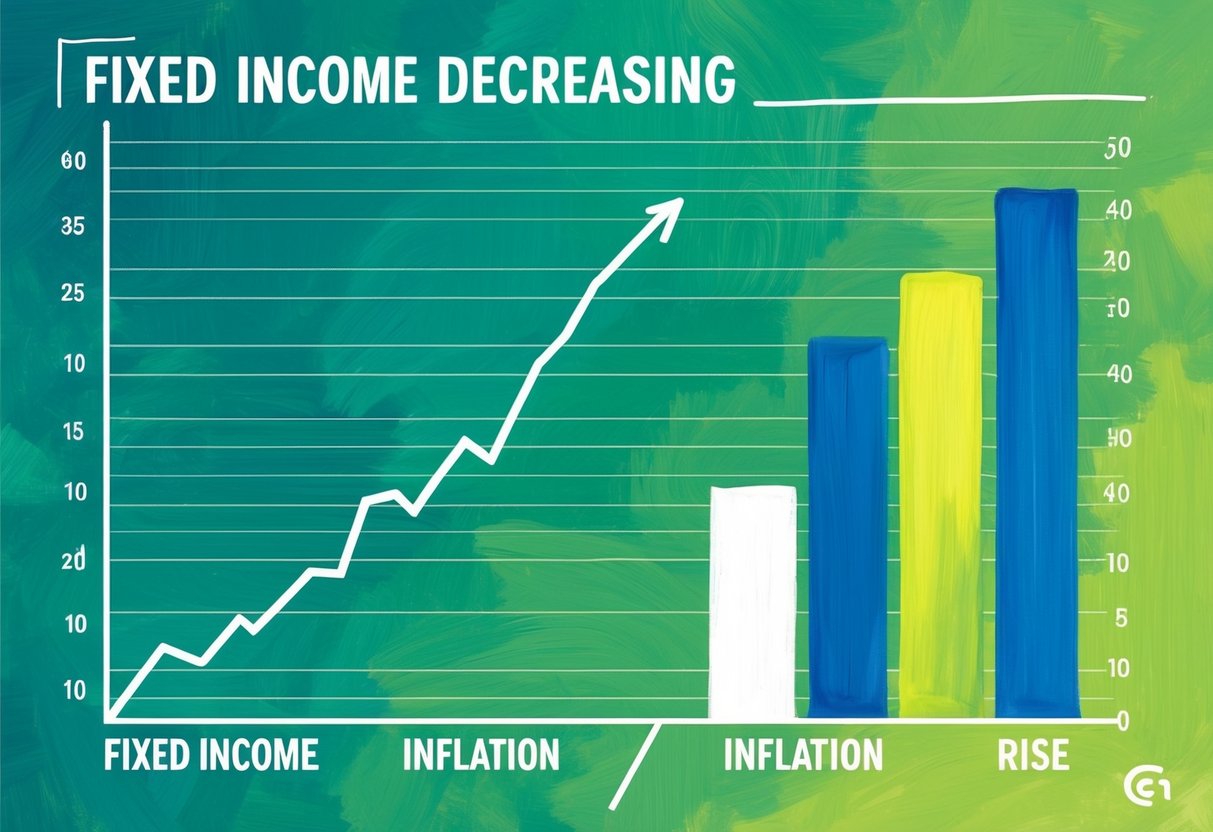 Inflation can quietly but significantly erode the purchasing power of retirees who rely on fixed incomes. By examining its role in the economy and personal finances, it’s clear why many face financial challenges in retirement.
Inflation and Purchasing Power Erosion
Have you ever wondered why the same amount of money seems to buy less over time? This is because inflation reduces the purchasing power of money. For those on a fixed income, like retirees, this can be especially worrying. Fixed incomes include pensions or annuities that don’t increase with inflation, leading to a decrease in the ability to cover basic living expenses like groceries or healthcare. The Consumer Price Index (CPI) measures inflation by tracking changes in the price level of a basket of goods and services. Even when inflation seems minor, over time, it can have a dramatic impact on how far your retirement savings can stretch. As prices rise, the fixed income remains the same, which means retirees get less value for each dollar.
Historical Context of Inflation on Retirement Savings
History shows that inflation has always been a persistent factor in the economy. Looking back at the 1970s, high inflation rates significantly shrank the value of fixed incomes. Do you remember the impact on savings during those times? When the inflation rate surged, retirement savings that weren’t carefully invested to grow with or outpace inflation took a hit. Since then, many retirees have become more aware of the need to protect their savings from inflation through diversified investments. Ensuring that savings grow at or above the inflation rate is crucial in preserving purchasing power. By considering investments such as stocks or inflation-protected securities, we might combat the impact of inflation.
Interest Rates and Their Influence
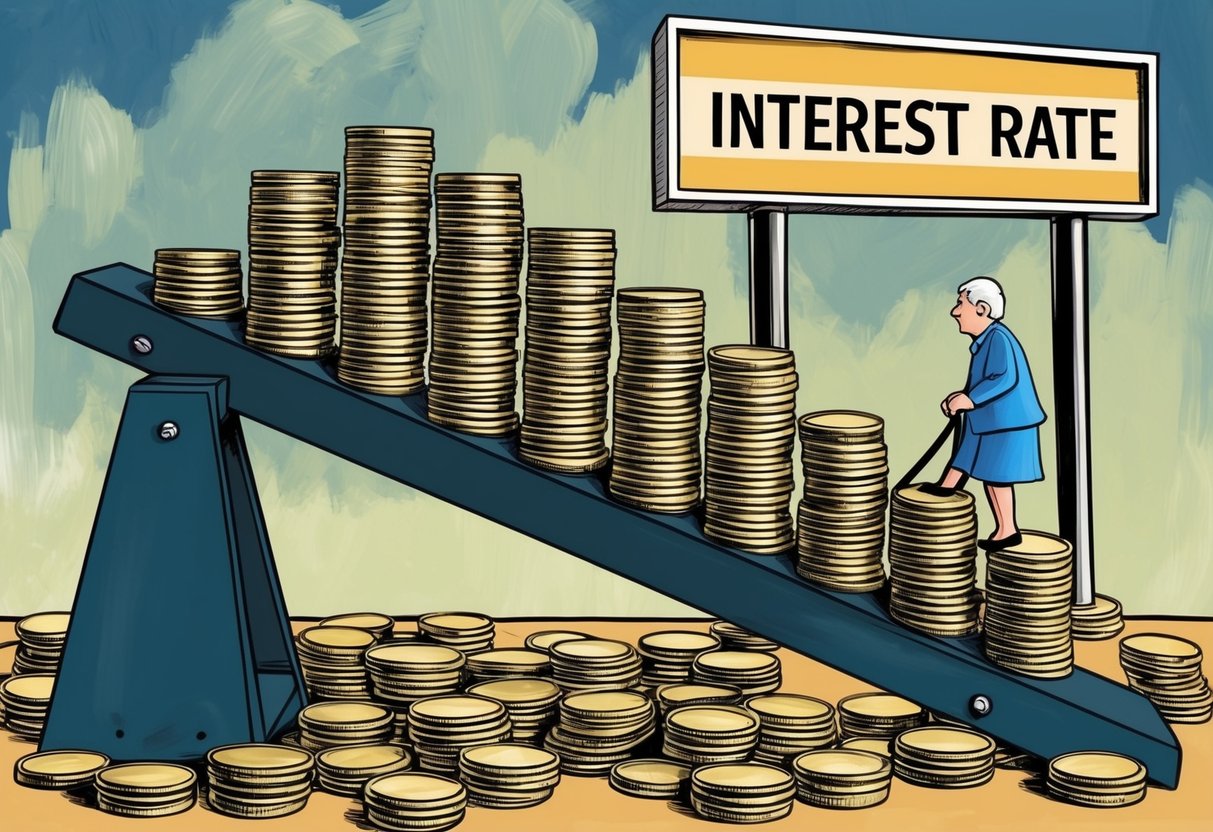 Whenever I think about fixed income and retirement, interest rates inevitably come to mind. They play a crucial role in shaping the financial landscape for retirees. From the Federal Reserve’s policies to the nuance of bond pricing, understanding these elements is vital for those relying on fixed income.
Federal Reserve and Interest Rate Policies
I often ponder the power the Federal Reserve holds over interest rates. This institution doesn’t just adjust rates willy-nilly; every move is rooted in economic goals, like controlling inflation or spurring growth. When the Fed increases rates, it aims to cool down an overheating economy, which can impact borrowing and spending patterns. Conversely, lowering rates can encourage borrowing but might lead to inflation. Many don’t realize how deeply these changes affect fixed income investments. Lower rates generally mean less interest earned on investments like U.S. Treasury bonds. This forces retirees to search for higher-yield options, which may carry more risk. So, the Fed’s actions reverberate through every corner of the fixed-income market, reflecting a key control over retirement portfolios.
Interest Rate Risk for Fixed Income Retirees
Interest-rate risk—what does it really mean for those relying on fixed income? Changes in rates can directly affect the income I might receive from bonds or other fixed-income securities. When rates rise, the value of existing bonds tends to fall, because new bonds offer higher returns. For retirees, this means potentially lower income and decreased asset value. So, how do I navigate this risk? Diversification can help mitigate the impact, but it might not eliminate it entirely. Staying vigilant about rate trends and considering various investment options are crucial. It’s important to remember that while bonds may seem stable, they are not immune to market shifts influenced by rising interest rates.
The Inverse Relationship between Bonds and Interest Rates
Have you ever wondered why bond prices fall when interest rates go up? This inverse relationship can surprise many retirees. When I buy a bond, I’m locking in an interest rate. If new bonds in the market offer higher rates, my old bond seems less attractive, pushing its price down. This dynamic affects the selling price if I need to liquidate that bond. For those relying on a fixed income, understanding this relationship is essential. Knowledge of this bond-rate interplay can guide informed decisions, potentially saving me from unexpected financial setbacks. By acknowledging these factors, I’m better prepared to manage my retirement investments amid fluctuating interest rates.
Investment Risks for Retirees
 In retirement, navigating investment risks is crucial for preserving your wealth. Many retirees are concerned about how to manage investments effectively, understanding potential threats to their savings. This includes evaluating diversification strategies and dealing with market fluctuations.
Understanding Diversification and Risk Management
Diversification is a key strategy in managing risk, especially for retirees. Investing in a mix of different asset types can help mitigate potential losses. By spreading investments across various sectors, like stocks and bonds, you reduce the impact of a single market downturn. Have you considered how different assets might react in a crisis? Diversification can protect you, providing more stable returns over time. To implement it, I look for opportunities in the bond market while balancing my stock market portfolio. This approach helps balance potential risks and rewards, maintaining a steady income stream during retirement.
Volatility and Its Effects on Retirement Portfolios
Volatility can be a double-edged sword. While it offers opportunities for growth, it also poses risks to your retirement portfolio. When markets are unstable, retirees can face unpredictable swings in their investment values. This instability might jeopardize the predictability of your retirement income. Do you feel anxious during market downturns? I often wonder how to safeguard my investments against these changes. Understanding how volatility affects different assets allows you to adjust your portfolio wisely. Keeping a diversified approach and staying informed about market trends can help reduce the unpredictability of volatile times.
Credit Spread and Its Impact on Income
Credit spread is another factor retirees face. It refers to the difference in yield between different bonds, usually between government and corporate bonds. A widening credit spread can indicate rising market risk, potentially affecting the stability of your fixed income investments. Have you ever noticed changes in your bond yields? Paying attention to the bond market’s credit spread can inform your investment strategy. I often adjust my portfolio in response to these shifts, seeking bonds with more favorable terms or exploring safer options. This helps in maintaining a reliable income, even when market conditions change.
Exploring Investment Alternatives for Higher Returns
 When planning for retirement, searching for investment options beyond the traditional can be crucial. There are opportunities that might offer greater returns compared to standard fixed-income paths. Among these are dividend-paying stocks, high-yield bonds, and a total return approach, each offering unique benefits and challenges.
The Appeal of Dividend-Paying Stocks
Dividend-paying stocks can offer an attractive option for those seeking income in retirement. These stocks provide periodic payouts, which can be a dependable income stream. Many established companies like Microsoft and Coca-Cola offer regular dividends, making them appealing for both stability and growth prospects. How do you weigh their appeal? The dividend yield, a key factor, shows how much income you can earn from your investment. It’s the yearly dividend divided by the stock price. If a company’s dividend yield is high, your income can increase, making retirement more secure. Diversifying across sectors can also reduce risk. This can protect your portfolio from downturns in any single industry.
High-Yield Bonds: Risks and Rewards
High-yield bonds, often called “junk bonds,” offer intriguing opportunities for those considering more aggressive investments. They promise greater yields than standard bonds due to their higher risk. How much risk are you comfortable taking? The potential for higher income comes with the chance of default. One big draw is the increased income from these bonds, appealing to those needing more money in retirement. Yet, the risk of default requires caution. Keeping a balanced portfolio with various types of bonds can help limit this risk.
Total Return Approach for Retirement Income
The total return approach aims for growth through both income (like dividends or interest) and appreciation in asset value. It can transform retirement planning. Why rely just on interest or dividends when you can maximize returns by focusing on growth too? This method emphasizes both the current income and future growth, using assets like stocks, bonds, and real estate. Managing these requires careful attention to market trends and investment timing. A strategic mix of assets can improve your portfolio’s performance, potentially boosting your financial confidence in retirement. With a well-planned approach, you might find a road to better financial security and peace of mind.
Strategies for Maximizing Retirement Income
 Navigating retirement on a fixed income requires strategic planning. Maximizing your income involves careful asset allocation, using TIPS for inflation protection, and understanding the present value of your investments.
Tips for Effective Asset Allocation
When it comes to asset allocation, balance is key. Have you considered how your assets are distributed across different investment types? A diversified portfolio can help reduce risk and increase potential returns. I recommend spreading investments across stocks, bonds, and real estate. Using a mix of growth and income-generating assets can create stability. Adjust allocations based on your risk tolerance and retirement timeline. As retirement nears, shifting towards more stable investments might protect your savings against market fluctuations.
Incorporating TIPS into Retirement Portfolios
Treasury Inflation-Protected Securities (TIPS) can be a valuable tool. They help guard against inflation, which can erode your purchasing power over time. TIPS adjust their principal value with inflation, providing a safety net for your investment portfolio. Consider this: as prices rise, your TIPS can generate interest income and adjust to maintain value. Including TIPS in your portfolio can create a buffer that protects your financial health during inflation spikes. Why not use these securities to ensure your long-term investment retains its worth?
Present Value Analysis for Retirement Planning
Understanding the present value of your investments is critical. Do you know how much your current investments will be worth in the future? Present value analysis helps you calculate this, providing clarity on future financial goals. This analysis considers the maturity date and expected returns, allowing you to plan effectively for long-term financial security. It’s like having a financial roadmap to your retirement, guiding you on the path to maintain your lifestyle and support your family’s needs. Spend time mapping out this strategy, and see how it aligns with your retirement vision.