
Have you ever wondered why putting all your eggs in one basket is risky, especially in the stock market?
As people over 40, many of us have spent years building our savings and investments, hoping for a secure financial future. Yet, deep down, there might be a nagging feeling that traditional advice isn’t working as well as it should.

The stock market is full of opportunities, but relying solely on it can expose you to market risk, impacting your financial goals and retirement plans.
Imagine a market downturn and how that could affect your carefully saved nest egg.
Diversification is key here. It’s about spreading your investments across different assets to safeguard your wealth against unpredictable market swings.
So, how can you be more strategic about your investments?
Thinking beyond stocks to include other assets might help in building a more secure portfolio.
From understanding market risk to reassessing asset allocation strategies, there are smart ways to ensure your investments align with your risk profile.
Key Takeaways
- Diversification protects against market risk.
- Assessing your portfolio can improve risk management.
- Explore varied assets beyond just stocks.
Understanding Market Risk

Market risk affects all investments when market conditions change. It’s about the ups and downs that can happen in the market.
These fluctuations can influence your investment outcomes, and knowing how to manage them is crucial.
Volatility and Investment
Volatility reflects how much the price of an investment jumps around. It’s the reason why sometimes stocks soar and at other times plunge.
Why does this matter to your investments?
High volatility can scare people away or make them excited, but it also means greater potential for loss or gain.
Think about your risk tolerance. Are you comfortable with big swings, or do you prefer more stable returns? Understanding this is key.
Investors with a shorter time horizon might be more affected by volatility. They don’t have the luxury of time to ride out market fluctuations.
On the other hand, if you have a long-term perspective, temporary volatility might not matter as much.
Using diversification can help manage these ups and downs, reducing the impact of a single investment’s poor performance.
Historical Market Trends
Looking at history, market trends have shown us patterns. Although past performance doesn’t guarantee future results, it provides insight into how markets behaved under similar circumstances.
Remember the dot-com bubble? It taught us about speculative excess.
Understanding these trends helps in predicting possible future occurrences.
A market downturn isn’t always a bad thing. Sometimes, it’s an opportunity to buy investments at lower prices.
Understanding your investment timeline helps you decide how to react to these trends.
By aligning your time horizon with market cycles, you’re in a better position to manage your expectations and strategies.
If you want a deeper dive into market risks, you can read about market risk and investment decisions.
Asset Allocation Strategies

When diving into asset allocation, it’s crucial to find a balanced mix of investments.
Stocks and bonds each play distinct roles, and understanding diversification is key to managing risk effectively.
Balancing Stocks with Bonds
When it comes to balancing stocks with bonds, I like to think of it as mixing hot and cold.
Stocks can be like fire—risky but rewarding. Bonds? They’re the ice that cools things down when markets get heated.
Why should a portfolio have both?
Stocks drive growth in a diversified portfolio with the potential for higher returns over time, though with significant ups and downs.
Conversely, bonds are generally more stable, providing steady income and less volatility. This balance helps in achieving financial goals, especially when nearing retirement.
I often employ a strategy called the “60/40 Rule,” allocating 60% to stocks and 40% to bonds.
This is not set in stone—it adjusts with age, financial needs, and risk tolerance.
For instance, as one gets closer to retirement, shifting more towards bonds can offer a cushion against stock market dips. It’s like adjusting the thermostat to ensure comfort no matter the season.
Diversification Principles
Diversification is not just a buzzword; it’s a methodical strategy to spread risk.
Ever heard the phrase, “Don’t put all your eggs in one basket”? That’s diversification in a nutshell.
By investing in various assets, I mitigate the impact of a loss in any single investment.
In the stock market, this means holding a mix of different sectors and asset types.
Utilizing index funds is another savvy way to achieve broad exposure without the need to pick individual winners across sectors.
These funds track entire markets, effectively diversifying with ease and often lower fees.
Diversification extends beyond stocks to include bonds, real estate, and other assets, creating a financial safety net.
With a well-structured portfolio, the goal is to achieve a smoother ride during market turbulence while still capturing potential growth.
Why leave yourself exposed to unnecessary risk when spreading investments can enhance both security and potential returns?
Diversification Beyond Stocks
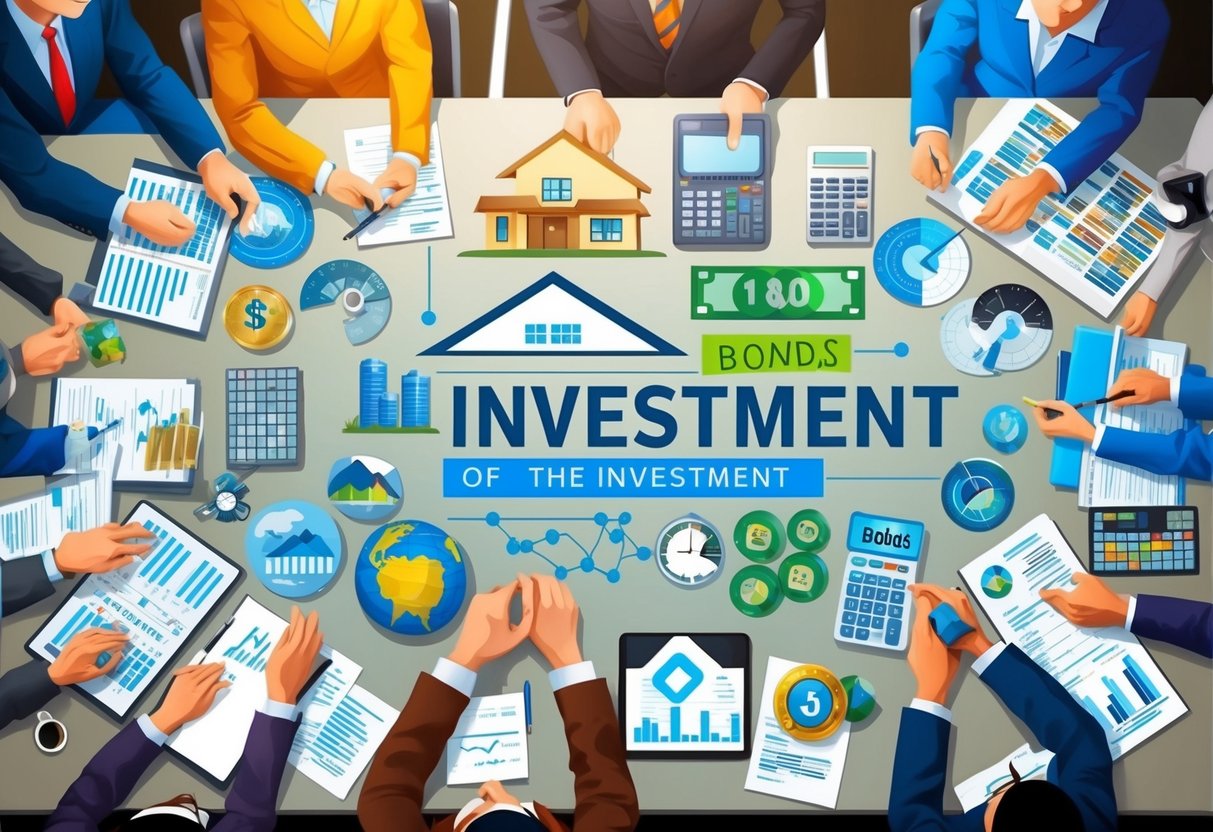
I’ve learned that putting all your investments in one place can be risky. To spread your risk, you might look beyond stocks. This approach can offer stability and growth in different ways.
Let’s explore how you can incorporate bonds, ETFs, and emerging markets into your portfolio.
Incorporating Bonds and ETFs
Bonds have a place in a balanced investment strategy. They provide regular income and tend to be less volatile than stocks.
Municipal bonds can be a good option because of their tax benefits. Adding bonds can help protect your investments during market downturns.
Exchange-traded funds (ETFs) are another tool I find useful. They offer diversification by pooling together various securities into one fund.
This allows you to invest in multiple assets without buying each one individually.
With ETFs, you can access different sectors and regions easily, which can enhance your market exposure.
The Role of Emerging Markets
Investing in emerging markets might seem intimidating, but I see it as a way to tap into growth potential.
These markets offer the chance to invest in countries with rapid economic expansion. They can provide higher returns compared to established markets.
I recommend researching the political and economic stability of these countries before investing.
By considering the unique dynamics of each market, you can make informed decisions.
Adding these markets to your portfolio can provide a new layer of diversification and possibly higher growth, balancing the risks and rewards effectively.
Assessing Your Investment Portfolio
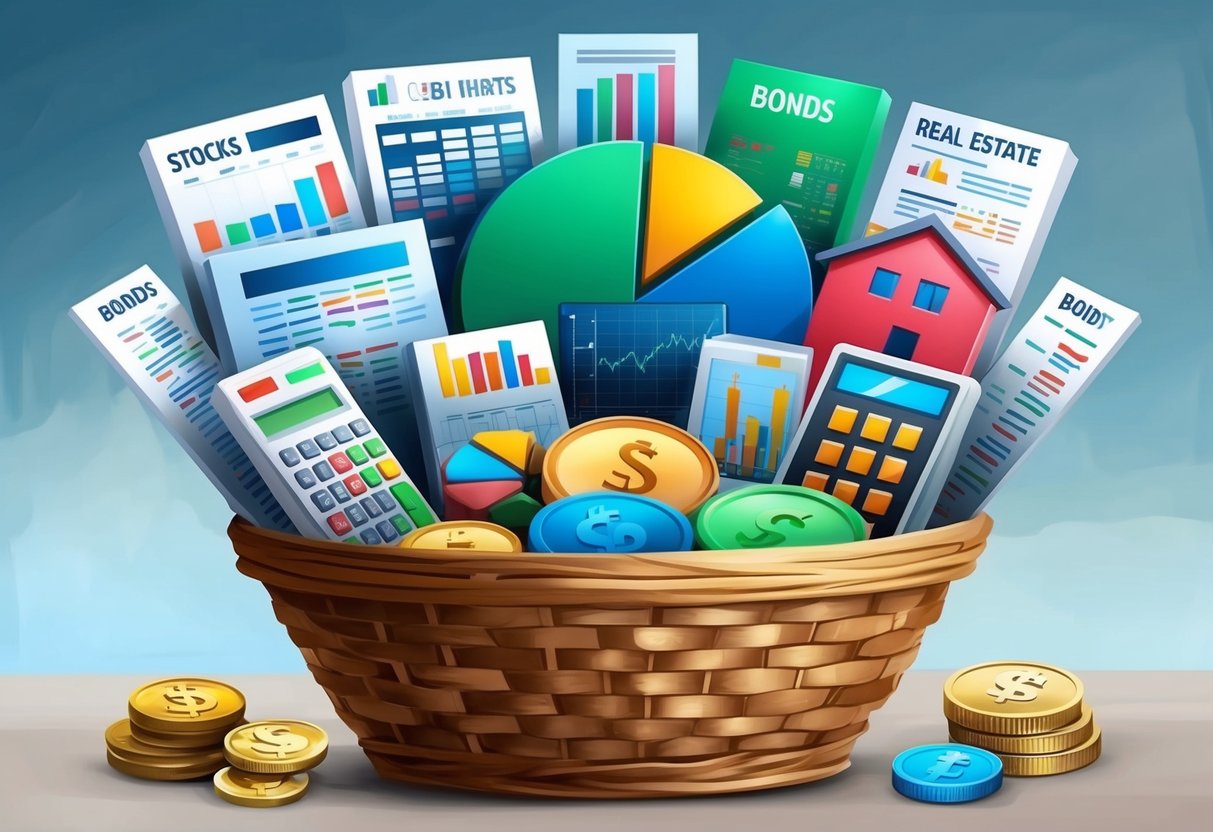
When it comes to investment portfolios, details matter. It’s not just about stocks or bonds—considering risk tolerance and the impact of your time horizon can reshape your financial future.
Evaluating Risk Tolerance
How much are you willing to lose? This question can be unsettling yet crucial.
Understanding your risk tolerance lets you sleep better at night while making educated decisions.
Some may thrive on volatile markets, chasing higher returns, while others prefer stability.
To gauge risk tolerance, consider age, current assets, and financial responsibilities.
If you have a high tolerance, investing in growth stocks might be viable. Those with lower tolerance might lean toward bonds or dividend-yielding stocks.
A clear risk evaluation aligns your portfolio with personal comfort and objectives.
Impact of Time Horizon
What timeline do you envision for your financial milestones?
Time horizon is about recognizing when you’ll need money from your investments.
Whether aiming for retirement, paying for a child’s college, or a long-term goal, knowing your time horizon influences asset allocation and risk strategy.
Consider the effects of inflation. Over a long period, inflation will erode purchasing power.
Investing in long-term growth assets may counter this. Meanwhile, shorter horizons demand stability to avoid forced selling during market downturns.
Think about balancing risk and reward based on time, ensuring your portfolio’s design meets future needs. Balancing this is key to minimizing regrets down the road.
The Tech Sector in Your Portfolio

In today’s investment landscape, the tech sector plays a crucial role.
Many people look to key players like Apple and Amazon as cornerstones for their portfolios. Yet, concentrating too much on tech stocks can bring significant risks, especially with how markets behave.
Investing in Industry Leaders
When I consider investing in tech, I think about the giants like Apple and Amazon. They aren’t just staying ahead by innovating; they’re setting the pace for everyone else.
Apple’s relentless focus on quality and Amazon’s mastery of logistics and cloud services make them compelling investments.
Why focus on leaders?
These companies often have the resources to weather economic storms. While not immune to downturns, they tend to bounce back faster than smaller firms.
Unlike investing in unknown startups, betting on proven leaders can offer a mix of potential growth and stability. But remember, even giants have their ups and downs, so it’s wise not to put all your money in just one or two tech names.
Tech Stocks and Market Performance
Looking at the broader market, tech stocks have immense influence. They were central in periods of rapid growth and equally present when the market stumbled.
A keen observation is how tech-heavy indexes like Nasdaq react sharply during market swings.
If a vast portion of your portfolio is in tech, you might see significant volatility.
Consider periods when tech stocks soared; they often led the market rally. Yet, during downturns, with many tech firms corrected by large percentages, a diversified portfolio might help cushion the blow.
As I assess my investments, I always keep an eye on how tech stocks impact overall market performance and adjust as necessary.
Digital Resources for Investors

Navigating the world of investing can be tough, especially when traditional advice feels repetitive.
Digital resources like the Financial Times offer valuable insights and expert analysis that can refine investment strategies.
Dive into the specifics of how these tools can empower your financial journey.
The Value of Financial Times Access
Access to digital resources like the Financial Times can be a game-changer.
Its essential digital access provides a wealth of information that keeps investors informed about global market trends and critical financial news.
What makes the Financial Times stand out? Its dedicated journalism and timely updates are crafted by experts who understand market dynamics.
Why settle for less when you can have exclusive features right at your fingertips?
With Financial Times access, I can explore in-depth articles and opinions, gaining knowledge on emerging market opportunities.
This resource helps me stay ahead by identifying shifts and patterns before they make headlines elsewhere.
Being informed means making smarter investment decisions, reducing the risks associated with putting all my eggs in one basket.
Expert Analysis and Exclusive Content
The Financial Times offers more than just news; it provides expert analysis and exclusive content tailored for those who want deeper insights.
Does your current strategy feel stagnant? Access to expert opinions in Financial Times can offer that fresh perspective you’ve been searching for.
Each piece serves as a window into the minds of leading analysts, offering views that are not typically found in mainstream financial news.
I find the exclusive reports especially useful for understanding complex market behaviors and potential economic shifts.
Utilizing these insights allows me to strategically navigate investments with increased confidence, effectively managing wealth and reducing financial anxiety.