
Financial independence is a journey that many strive for, but not everyone reaches. What sets successful individuals apart? Often, it’s their mindset. I’m here to share something crucial: optimism plays a vital role in achieving financial independence. It’s not just about dollars and cents; it’s about the way we think and feel about money. An optimistic mindset can reshape how you approach your financial goals and challenges, helping to transform potential setbacks into opportunities.  Optimism empowers decision-making by creating a more proactive approach to finances. Have you ever considered how looking at the bright side of financial challenges can lead to opportunities for growth? By fostering a positive outlook, you open yourself to new possibilities and strategies. This mindset is particularly important as we navigate through life’s responsibilities and look for ways to secure our future and that of our loved ones. Optimism isn’t about ignoring reality; it’s about maintaining focus and resilience. This mindset encourages me to set clear financial goals and believe in my ability to achieve them. Studies show that positive thinkers often have better financial outcomes. So why not choose optimism? By doing so, I open doors to financial growth and independence.
Key Takeaways
- Optimism is crucial for financial independence.
- Financial success needs goals and a positive mindset.
- An optimistic view helps in making better financial choices.
Cultivating an Optimistic Mindset for Financial Growth
 How can you shift your mindset to boost your financial well-being? By focusing on the power of positive thinking, you can transform your approach, reduce stress, and open up new possibilities. Let’s explore how embracing optimism can play a key role in achieving financial success.
The Psychology Behind Financial Optimism
What exactly is the role of optimism in financial growth? It’s more than just a positive attitude; it involves a mindset that shapes your decisions and actions. When I approach financial challenges with optimism, I am more likely to see opportunities rather than obstacles. This can lead to smarter decisions, such as investing wisely and taking calculated risks. Optimism isn’t about ignoring reality; it’s about maintaining focus and resilience. This mindset encourages me to set clear financial goals and believe in my ability to achieve them. Studies show that positive thinkers often have better financial outcomes. So why not choose optimism? By doing so, I open doors to financial growth and independence.
Overcoming Financial Anxiety with Positivity
Financial anxiety can feel overwhelming, but optimism has the power to alleviate it. When financial worries arise, my first step is to reframe the situation positively. Instead of fearing what I can’t control, I concentrate on what I can improve. Positive habits like budgeting and saving contribute to feeling more secure. In moments of anxiety, I harness positivity by focusing on my successes, even small ones. This boosts confidence and reduces stress. Practices like mindfulness and gratitude further enrich my optimistic outlook, providing mental clarity to navigate financial uncertainties. Positivity transforms anxiety into action. In cultivating an optimistic mindset, I don’t just change my thoughts; I reshape my financial reality.
Setting Clear Financial Goals
 Setting clear financial goals is a crucial step towards achieving financial independence. This involves defining life goals, determining financial milestones, and creating a customized savings plan. These actions provide structure and direction, easing financial worries and supporting long-term success.
Defining Life Goals and Financial Milestones
When I think about financial independence, I start with defining my life goals. What do I truly want to achieve? Perhaps it’s traveling the world, securing a comfortable retirement, or covering my children’s education costs. Each goal requires careful consideration and distinct financial milestones. By breaking down these larger life goals into smaller, achievable milestones, I can track my progress and stay motivated. It’s helpful to write down specific goals and set timelines for when I plan to reach each milestone. Reflecting on my priorities can also influence these goals. For instance, if my focus is on education expenses, setting a target amount and deadline becomes essential. Isn’t it satisfying to see tangible steps forming on the path to independence?
Customizing a Savings Plan Towards Independence
A customized savings plan is vital for turning my goals into reality. I start by assessing my income, expenses, and potential savings. How much can I realistically set aside each month to reach my milestones? This process involves more than just numbers; it’s about making smart decisions that align with my financial ambitions. One effective strategy is to automate savings. By directing a fixed portion of my income into savings accounts monthly, I build a consistent habit. Doing this can lessen the temptation to spend impulsively. Prioritizing high-interest debts and focusing on low-cost investment opportunities further strengthens my plan. I also consider the importance of having an emergency fund to handle unexpected costs without derailing my progress. By customizing my savings strategies, I build a stable path to financial independence.
Building a Robust Financial Plan
 Crafting a solid financial plan requires more than just saving money. It’s about creating a strategy that addresses short-term needs and secures your future. Let’s look at budgeting effectively, having an emergency fund, and the importance of early retirement planning.
Budgeting for Success
Do you often find yourself wondering where your money went? Developing a budget is key. A clear budget not only tracks expenses but also highlights areas to cut back and save more. It’s about setting financial goals, like paying off debts or saving for a vacation, and prioritizing them in your spending. List your monthly income and all expenses. Make categories like housing, food, and leisure. This helps identify unnecessary costs. By doing this, you might find you’re spending too much on eating out or subscriptions you no longer use. Considering tools or apps that automate this process may make it easier for me to stick to my plan. The goal is to ensure I spend less than I earn, allowing room for savings and investment. Only then can I truly control my financial destiny.
Establishing an Emergency Fund
How prepared am I for life’s unexpected events? An emergency fund serves as a financial cushion, protecting me from unforeseen expenses like car repairs or medical bills. Financial experts often recommend having three to six months’ worth of expenses set aside. This ensures that when unexpected costs arise, I’m not derailing my financial plan. Start small if necessary. Setting aside just a little each month can accumulate over time. Choose a high-yield savings account for this fund, which offers better interest rates and easy access. Remember, this fund isn’t for vacations or luxury expenses—it’s strictly for emergencies. By establishing an emergency fund, I’m building a buffer that provides peace of mind and protects other financial goals.
Retirement Planning: Starting Early to Secure the Future
Have I secured my future retirement? The earlier I start, the more secure it will be. It’s crucial to begin contributing to a retirement account as soon as possible, harnessing the power of compound interest over the years. Options like a 401(k) or IRA can help build a substantial nest egg. Maximize employer contributions to a 401(k). Are there opportunities to increase my contributions each year? Also, diversify investments within the retirement account to spread risk. This ensures that my retirement savings aren’t too dependent on the performance of a single investment. By planning early and consistently reviewing my retirement strategy, I ensure a financial future that supports my retirement dreams, not just sustains me.
Investing Wisely for Long-term Growth
 Investing wisely involves understanding different options, diversifying to protect and grow wealth, and establishing passive income streams to gain financial freedom. By approaching these strategies thoughtfully, I can help secure a more stable financial future.
Understanding Different Investment Vehicles
When it comes to investing for long-term growth, choosing the right investment vehicles is key. Stocks, bonds, mutual funds, and real estate each offer unique advantages and risks. Stocks provide potential for growth through company performance, but they come with volatility. Bonds are more stable, offering regular interest payments. Mutual funds allow me to pool my resources with others, resulting in instant diversification. Real estate offers tangible assets with potential rental income. Which is best? It depends on my goals, risk tolerance, and investment horizon. Exploring my options allows me to create a robust strategy tailored to my needs.
The Role of Diversification in Wealth Accumulation
Diversification is essential for building wealth and protecting investments. By spreading my investments across different asset classes, I reduce the impact of a single failing investment. Diversifying within asset classes is equally valuable. For example, investing in stocks from different industries or countries adds another layer of protection. Diversification can also include alternative investments like gold or commodities, which might not correlate with traditional markets. A well-diversified portfolio balances risk and opportunity, allowing me to ride out market fluctuations and reach long-term financial goals. It’s about making sure all my eggs aren’t in one basket.
Passive Income Streams: A Gateway to Financial Freedom
 Establishing passive income streams is critical in achieving financial freedom. Beyond traditional employment, investments can generate income without constant effort. Dividend-paying stocks, real estate rentals, and even digital products can produce ongoing revenue. How can I create a strong passive income strategy? By choosing investments wisely and reinvesting earnings, I can maximize compound growth. This approach not only creates additional income but also helps build wealth over time. The goal is to diversify income sources so that I’m not solely dependent on salary, providing peace of mind and greater control over my financial future.
Navigating Complex Financial Decisions
Do you ever feel overwhelmed by the sheer number of financial decisions? From investment choices to retirement plans, the complexity can be daunting. Here’s where a financial advisor steps in. They assist in breaking down these decisions into manageable steps. They provide clarity on issues such as asset allocation and evaluating the tax implications of various strategies. By doing this, a financial advisor reduces uncertainty, helping secure your financial future.
Adopting Financial Literacy and Management Skills
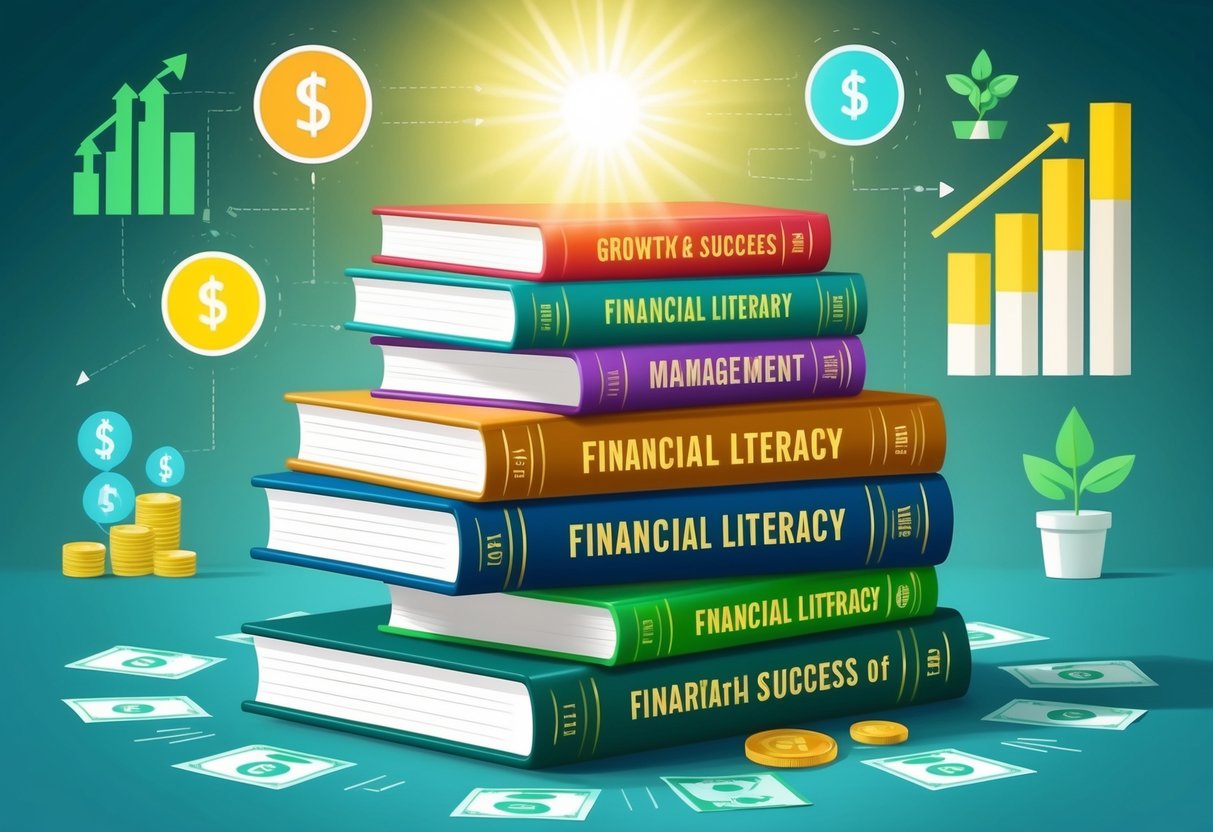 Boosting financial skills and knowledge is key for anyone aiming to achieve financial independence. Understanding financial literacy and developing resilience will help you navigate financial challenges with confidence. Let’s dive into these critical aspects.
Educating on Personal Finance Fundamentals
What if you could handle your finances like a pro? Start with mastering the basics: budgeting, saving, investing, and understanding credit. These elements form the foundation of personal finance. Setting clear financial goals and tracking your expenses are essential steps. Consider using tools or apps to keep yourself organized. They can turn complex processes into simple tasks. Remember, becoming financially literate doesn’t happen overnight. But the time you invest in educating yourself can pave the way for smarter money choices and success.
Developing Resilience through Financial Education
How can financial education make you resilient? Knowledge equips you to handle economic ups and downs. By understanding market trends and financial products, you minimize risks. Building resilience also means being prepared for unexpected expenses. Having an emergency fund can be a lifesaver. It’s your safety net during tough times, allowing you to maintain stability without derailing your financial plans. Never underestimate the power of being informed; it’s your armor in the financial arena.
Achieving Financial Independence at Every Age
 It’s never too early or late to strive for financial independence. Each stage of life presents different challenges and opportunities.
Strategies for Millennials to Overcome Student Debt
Do you ever feel buried under the weight of student loans? For Millennials, this is often the first hurdle in financial independence. Prioritizing debt repayment is key. I recommend the snowball method, where paying off smaller debts first can provide quick wins and motivation. Alternatively, consider consolidating loans for lower interest rates and manageable payments. Side hustles can also help boost income. Platforms like freelance websites or part-time gigs might offer opportunities to increase earnings. Investing the extra cash into debt repayment can make a significant difference over time. Taking these steps can create a foundation for financial growth beyond student debt.
Retirement Savings Tactics for Late Starters
Starting late? You’re not alone. Many people in their 40s and 50s worry they’ve missed the boat on retirement savings. It’s crucial to maximize contributions to retirement accounts, like 401(k)s and IRAs. Catch-up contributions can significantly boost retirement savings for those over 50. Exploring alternative investments, such as real estate, can also be beneficial. Real estate offers potential income through rentals, providing both current income and long-term asset appreciation. Diversifying investments helps guard against market fluctuations and increases the chances of a secure retirement. Is reassessing your spending habits essential? Absolutely. Cutting back on non-essential expenses can free up funds to invest in retirement. Every little bit saved today can grow significantly with time.
Financial Security for Pre-Retirement Age Groups
In the pre-retirement phase, I focus on building a solid financial base. It’s critical to ensure that savings can cover both everyday expenses and unexpected emergencies. An emergency fund equivalent to six months of expenses is often recommended. Examining and adjusting your investment portfolio for less risk is crucial as retirement nears. Shifting more into bonds or stable funds can protect against sudden market downturns. Health care costs can also be a significant concern, so investing in health savings accounts and reviewing health insurance options makes sense. These strategies not only secure financial stability but also ease the transition into retirement. It’s about creating peace of mind for the years ahead.
Exploring Side Hustles and Entrepreneurial Ventures
 Turning to side hustles and entrepreneurial endeavors can redefine financial strategies. They offer flexibility and chances to build income-generating assets, creating new avenues for achieving financial independence.
Supplementing Income with Side Hustles
Who doesn’t want extra income to help cushion the uncertainties of the future? Side hustles are a popular way to earn additional money without leaving your current job. Many individuals use them to pay off debts, save for retirement, or fund their children’s education. With over 40.8 million Americans pursuing side hustles, they provide a practical approach to boost your financial standing. Starting a side hustle is about finding something you enjoy and leveraging it to earn. It can be as simple as freelancing skills online, selling handmade crafts, or renting out a property. The key is to choose something that doesn’t overwhelm your schedule yet adds value to your life. With digital platforms, it’s easier than ever to reach a wider audience and market your skills or products.
Entrepreneurship as a Path to Financial Autonomy
Isn’t it time to break free from the confines of a traditional 9-to-5 job? Entrepreneurship offers the chance to do just that, giving you control over your financial future. By starting your own business, you can turn passion projects into profit-generating activities. It leads to building a business that doesn’t just earn money but also creates lasting income-generating assets. The entrepreneurial path requires dedication and a willingness to embrace uncertainty. Success doesn’t come overnight, but with the right mindset and strategy, it’s achievable. Whether it’s launching a small startup or exploring digital marketplaces, becoming an entrepreneur changes how you approach financial autonomy. Opportunities exist to cultivate something uniquely yours while securing financial independence for the long haul.
Navigating Financial Stability into the Future
 Achieving financial stability is like mapping out a journey. It requires planning for both smooth sailing and potential storms.
Long-Term Financial Security and Stability
When I think about long-term financial security, I imagine building a sturdy foundation that can weather life’s storms. This includes setting clear, achievable long-term financial goals, such as paying off a mortgage, funding a comfortable retirement, and creating an emergency fund. A key aspect is diversifying income streams. Many people focus solely on their salary, but why not explore investments or side businesses? This broadens your safety net and provides more stability. Budgeting plays a crucial role too. It’s essential to regularly review financial plans, ensuring they’re aligned with life changes. Tracking expenses and adjusting strategies can keep financial health on track.
Forecasting and Adapting to Financial Trends
Forecasting financial trends can feel daunting, yet it’s essential for adapting and thriving. Have you ever wondered how future shifts could impact your finances? Many trends, like technological advancements and changing market conditions, offer both opportunities and challenges. Embracing technology can open new doors. For instance, leveraging digital finance tools can streamline managing finances and investments. Staying informed about economic trends allows me to adjust my strategy, ensuring I’m ready for market fluctuations. It’s also beneficial to seek diverse perspectives on financial strategies. By learning from various experts, I can create a more flexible approach and remain adaptable. This helps me stay ready for unexpected changes, securing my financial future.