
Ever feel like your savings are barely crawling along, no matter how closely you follow the typical investment playbook? Real estate investing in Pittsburgh, PA feels like a more solid, affordable path for folks like me who want something steadier than stocks or mutual funds.
With a strong renters market and home values that keep ticking upward, Pittsburgh’s been catching the eye of investors who want more than empty promises.
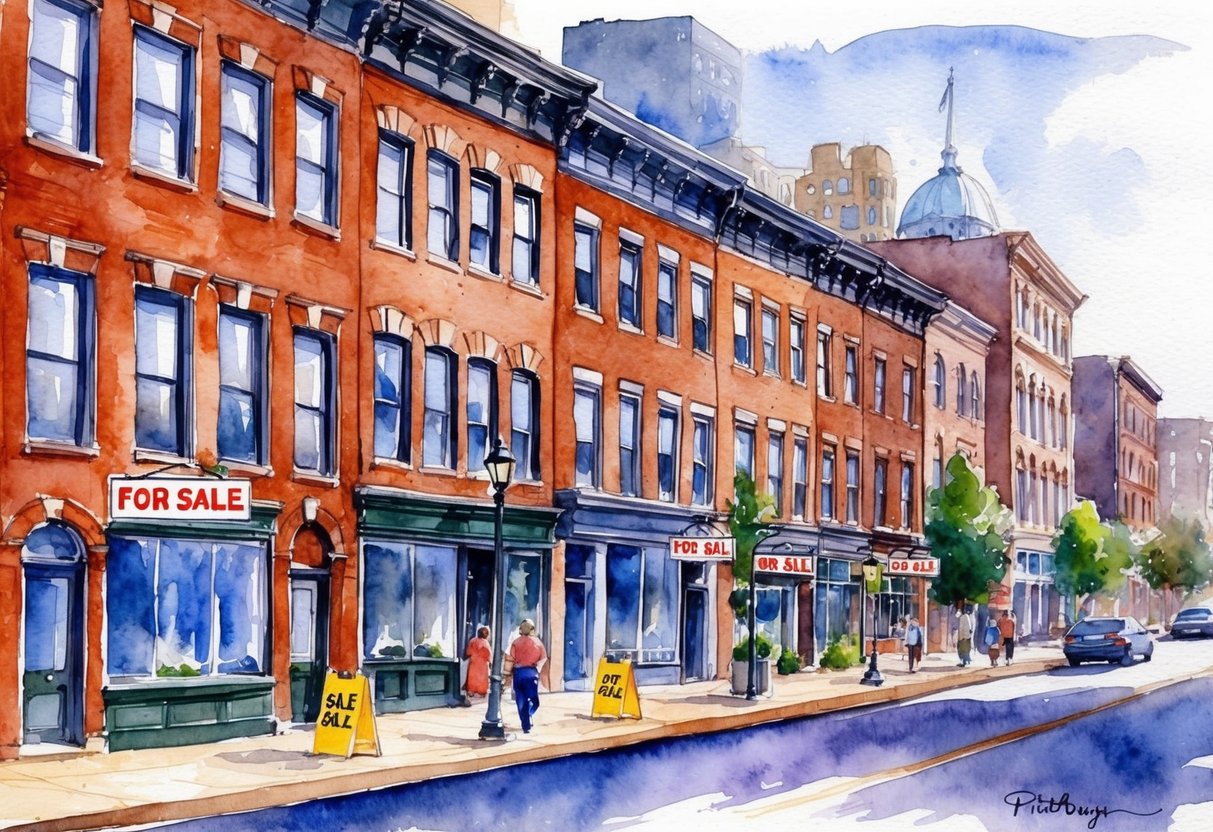
I’m always drawn to cities that grow steadily instead of riding on hype. Pittsburgh checks that box because you can still find good properties at prices that won’t make your head spin.
Certain neighborhoods—Lawrenceville, Oakland—always seem to have people looking for rentals. If you’re tired of financial products that never quite deliver, poking around the Pittsburgh real estate market could be the shakeup you need.
Sure, there’s legal stuff to figure out, and homework to do, but that’s part of the adventure. The opportunities are there—am I ready to see them differently?
Key Takeaways
- Pittsburgh real estate offers reliable investment potential.
- Neighborhood choice matters for strong returns.
- Do your research and understand legal basics.
Understanding Real Estate Investing in Pittsburgh, PA
I’ve watched plenty of investors hit a turning point when they move from stocks to actual properties. When I dug into Pittsburgh’s real estate scene, I saw steady growth, rising rental demand, and entry prices that don’t require a trust fund.
Real Estate Investment Fundamentals
Let’s start with the basics. Real estate investing means buying property to make money—maybe through rent, maybe through appreciation, or both.
Why do so many people ditch the stock market for real estate? Honestly, it’s about control, leverage, and cash flow.
Pick the right neighborhood and you’ll see income show up every month. You also get tax deductions and can use mortgages to build wealth with someone else’s money.
I’d rather have something real—something that can’t vanish overnight—than just watch numbers on a screen.
You can even force appreciation by fixing up a place or raising rents. Try doing that with a mutual fund.
Overview of the Pittsburgh Real Estate Market
So, what makes Pittsburgh’s market different? Homes here are still affordable compared to the rest of the country, but values keep climbing.
Recent stats put Pittsburgh in the top 10% for annual appreciation. That’s impressive, especially when other places are stalling out.
The rental market isn’t just about college students anymore. Medical pros, tech workers, and families all need places to live.
Universities and hospitals anchor the job market, making things feel a bit more stable. There’s a neighborhood for nearly every budget.
What really gets my attention is the cash flow. Compare Pittsburgh to cities where rentals cost $700,000—it’s not even close.
Prices are manageable and the income ratios make a lot more sense. If you’re tired of markets with sky-high entry costs, check out the latest Pittsburgh real estate trends.
Key Investment Strategies
Before I buy, I think through investment strategies. The big two are buy-and-hold and fix-and-flip.
Buy-and-hold means you keep a rental for the long haul. In Pittsburgh, this often works well—steady cash flow, slow and steady appreciation.
Fix-and-flip is about finding deals, renovating, and selling for a quick profit. It’s a bit riskier and you need a good eye.
If you want less drama, buy-and-hold is probably the safer bet here. I like mixing it up too—buying a multi-family, living in one unit, and renting out the rest.
Each approach has its ups and downs. It really depends on what you’re after and how much time you want to spend.
You can dig deeper into Pittsburgh investment strategies if you’re still on the fence.
The Current State of the Pittsburgh Real Estate Market

Pittsburgh property values keep shifting, and investors are starting to notice. Location, price trends, and the city’s Midwest roots all play a part.
Market Trends and Growth Areas
Pittsburgh home values are rising, but not in a wild, unsustainable way. The average sale price sits around $230,000, and values have climbed 2% to 6% over the last year.
Some areas—like West Penn—are averaging nearly $271,000 per sale. Development is still moving, which keeps jobs and rental demand strong.
When I look at these numbers, I see more upside than risk. Neighborhoods near tech companies, hospitals, and universities are packed with renters.
The Pittsburgh real estate market feels competitive but not overheated. In the best neighborhoods, listings disappear fast.
If you want in, you’ll need to do your homework and move quickly.
Impact of Midwest Location
So, why does Pittsburgh keep popping up on investors’ radar? Its Midwest spot means affordable prices and steady demand.
Home prices are lower than you’ll find on the coasts. That makes it easier for new investors to get started or for experienced ones to diversify.
Pittsburgh’s economy isn’t stuck in one lane. Tech, healthcare, and education all help keep things moving, and revitalization is ongoing.
The cost of living is under the national average, so rental yields are higher and tenants tend to stick around.
All these factors make Pittsburgh more resilient when other markets slow down. Its Midwest location helps shield it from wild swings elsewhere.
If you’re after regular, reliable cash flow—and who isn’t?—this market is worth a closer look.
Best Neighborhoods for Real Estate Investing

Smart investing really starts with picking the right spot. I focus on neighborhoods with strong rental demand, signs of growth, and long-term value.
The right location gives you more control over your finances, especially when old-school savings accounts just aren’t cutting it.
Emerging Markets in Pittsburgh
When I scout Pittsburgh, a few neighborhoods stand out for rising home values, new jobs, and shifting demographics.
Brighton Heights is pulling in families and young professionals. Beltzhoover offers low entry costs and is seeing more revitalization.
Beaver County is a solid pick if you want better returns without paying city prices.
Downtown Pittsburgh is always in the mix, thanks to its skyline and steady renter demand from tech, medical, and finance workers.
Affordable housing projects are popping up too, giving more options for passive income.
Comparing Mixed-Use and Residential Projects
So what’s better—classic residential or a mixed-use project with retail space and apartments? Lately, more investors are eyeing mixed-use development, especially downtown.
Mixed-use projects blend apartments, offices, and retail. Downtown Pittsburgh has plenty, and mixed-use development has pushed up property values.
Retail space brings in extra income and draws foot traffic.
Pure residential is simpler and usually needs less hands-on management. Mixed-use can offer more stable cash flow, as long as you keep the retail filled.
You’ve got to weigh your options, especially as people’s preferences shift. What do tenants want from their neighborhoods these days?
Evaluating Investment Opportunities

When I’m looking at real estate deals in Pittsburgh, I try to keep my head clear. I focus on real risks and how amenities can tip the scales with tenants.
Due Diligence and Risk Assessment
Risk comes with the territory, but ignoring it is a rookie mistake. Before I make an offer, I check recent sales for similar homes in the same area.
I use tools and local market trends to spot patterns in price, cash flow, and how quickly homes sell.
Repairs or updates can eat into profits, so I always get contractors to give me written estimates before I commit. A cheap price can hide expensive problems.
I check school ratings, crime stats, and how close a place is to jobs—these all affect resale and vacancy rates.
I base my offers on the numbers, not gut feelings. Here’s a checklist I use for due diligence:
- Compare rent prices for similar properties
- Review taxes, insurance, and fees
- Estimate yearly repairs
- Check for any zoning or legal issues
- Ask how likely the area is to appreciate
Understanding Amenities and Local Demand
Amenities aren’t just nice extras—they’re what draw reliable tenants. In Pittsburgh, properties near universities, hospitals, and busy business districts usually fill up fast.
Parks, gyms, and even coffee shops can make a place more appealing and help keep units rented.
I keep tabs on what’s nearby, but I also pay attention to what renters actually want. Onsite laundry and off-street parking are big. Being able to walk to a grocery store or public transit matters, too.
Why buy in a spot where nobody wants to live?
Here’s how I figure out local demand:
- I scan local rental listings for features tenants mention
- I talk with property managers about occupancy rates
- I read up on what renters are searching for in Pittsburgh
- I watch for new development projects in key suburbs
Properties with the right amenities rent quicker and command higher prices. That’s good for cash flow and long-term gains.
Investing in the right location, with the right perks, just makes life easier—and your returns better.
Legal and Compliance Considerations

When I invest in Pittsburgh real estate, I keep a sharp eye on privacy rules and data security. These legal details aren’t just fine print—they can really impact my cash flow and reputation if I mess them up.
Privacy Settings and Consent
Handling personal information comes with rules I can’t just brush aside. If I use websites or apps to manage tenants or leads, I make sure my data collection process is upfront.
I post a cookie policy and ask for explicit consent before I gather names, emails, or payment info. Pennsylvania law doesn’t give me a choice here.
If my website uses cookies to track visitors, I add a banner or pop-up that spells out what’s being collected. Visitors get to decide if they want to allow or block tracking.
I keep a record of any consent given, just in case someone questions my practices later. That bit of transparency builds trust and keeps me out of trouble.
Tenants want landlords who respect their privacy. I make sure they’re clear on how I’ll use their information and keep the conversation open.
Respecting privacy isn’t just about avoiding penalties—it protects my investments for the long haul. Pittsburgh’s real estate investment guide has more on this if you want a deeper dive.
Handling Personal Data and Security Measures
I don’t leave personal info unguarded. Encrypting things like social security numbers or payment details is non-negotiable for me.
Firewalls and strong passwords are standard on my property management platforms. I make sure anyone accessing digital records—team members or contractors—verifies their identity.
User authentication adds a solid extra layer of security. I also store personal records offline when I can.
Locked filing cabinets and controlled office access keep hard copies safe. If a breach ever happens, I notify those affected right away and follow legal reporting rules.
All this helps me stay compliant and protects both my tenants and my own financial stability.
Data Analytics and Market Research
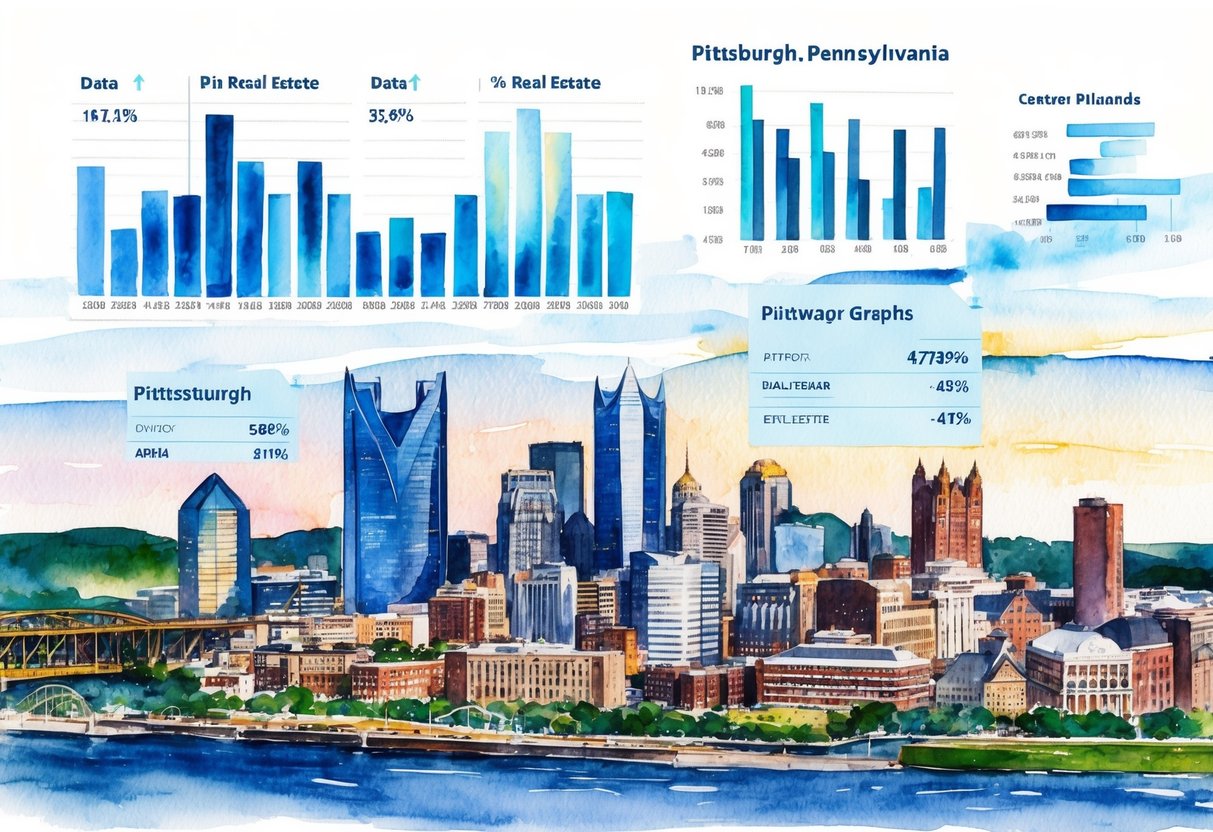
Honestly, getting ahead in real estate takes more than just effort. Data analytics and market research give me the clarity I need to avoid financial slip-ups.
Leveraging Geolocation Data
When I size up neighborhoods in Pittsburgh, I do more than drive around or scroll through listings. I lean on geolocation data to see where renters and buyers are moving, where new businesses open, and how traffic patterns change each year.
This data points me to zip codes with real growth potential. With the right geolocation tools, I can pull up maps that show rising rental demand and new construction trends.
I’m always watching for areas where big employers are expanding or where downtown Pittsburgh is adding fresh amenities. These insights keep me from sinking money into isolated or declining spots.
If I want to make data-driven decisions, ignoring these signals is just asking for trouble. I check out real estate market analysis resources before I put my money down.
Utilizing Search Data for Investment Decisions
I always wonder: what are people searching for when they’re thinking about moving to Pittsburgh? Search data gives me a window into buyer intent, current market demand, and even shifting interests.
By tracking what’s hot on Google or Yahoo, I spot which neighborhoods and property types people want right now—not last year. This info also shapes my advertising.
If a bunch of users are searching for “homes near Carnegie Mellon” or “family rentals with yards,” I know exactly where to focus my property hunt and how to write my listings.
Some digital platforms sum up this info for investors, covering average search volume, pricing trends, and forecasted growth. By combining search data with geolocation analytics, I make quicker, smarter decisions.
If you want more details, I sometimes skim through overviews like this Pittsburgh real estate market outlook.
Important Considerations for Responsible Investing

Choosing to invest in Pittsburgh real estate isn’t just about profits and cash flow. These days, protecting personal info and cutting down on spam can really make or break your reputation.
Handling IP Address and Personal Data
When I collect data from renters or partners, I know their trust is everything. IP addresses and other personal data need to stay protected.
If I get careless, I could face fines or, honestly, lose credibility fast. To stay safe, I use secure property management tools that encrypt sensitive stuff.
I review privacy policies regularly and make sure I don’t keep personal data longer than needed. Here’s what I focus on:
- Limit who can access renter or investor data
- Use strong passwords and change them often
- Work with property platforms that value privacy
Clear communication matters. I let renters know what I collect and why.
Transparency keeps everyone at ease and helps me stay on the right side of the law. The City of Pittsburgh’s socially responsible investing guidelines reflect this focus on ethics and privacy.
Strategies to Prevent Spam
Nobody likes opening their email to an inbox full of junk. It feels even worse when it’s tied to something personal, like a property search.
That’s why I take simple, direct steps to keep electronic communications clean. First, I pick communication platforms that use spam filters and automatically screen for suspicious messages.
I never sell or share contact details with third parties. It seems obvious, right? Still, too many investors ignore this and end up on spam lists.
I’ve also found that using sign-up verification, like CAPTCHAs, helps keep bots out of my mailing list. For every property or client, I make sure marketing emails offer an easy opt-out.
Letting people control their inbox just feels respectful. If I hate spam, I bet my renters and colleagues do too.