
Ever feel like the old ways of saving just aren’t cutting it anymore? I get it—working hard, following the usual financial advice, but still wondering if retirement or helping my kids will be tougher than I thought.
That’s what pushed me to check out real estate investing in Allentown, PA. This market’s got real growth potential and a surprising mix of options.
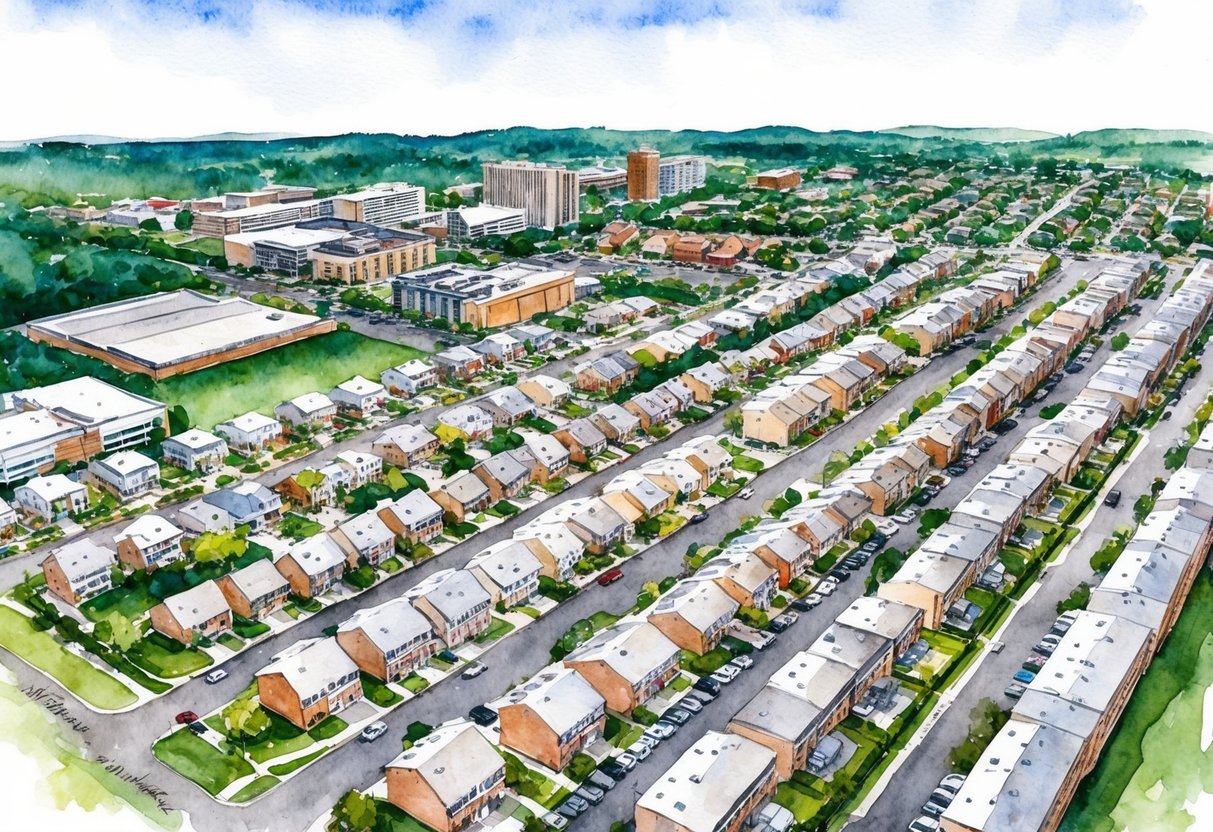
Investing in Allentown real estate gives me a shot at steady rental income, rising property values, and a little more control over my financial future. The neighborhoods here have caught the eye of investors, mostly because the prices are reasonable and demand for good housing keeps climbing.
Whether I’m eyeing single-family homes or multi-units, there’s enough variety to tailor an investment plan to fit what I want.
Why let uncertainty make all the decisions for me? With the right info, some local know-how, and a sharp eye, Allentown might just be the place where my money starts working smarter.
If you’ve ever wondered how to take charge of your savings and build a stronger foundation, you’re in the right spot.
Key Takeaways
- Allentown has promising real estate investment options.
- Picking the right property type and strategy makes a difference.
- Local resources and smart planning matter.
Understanding the Allentown Real Estate Market
Home values in Allentown usually run lower than in a lot of Pennsylvania. The city sits close to major metros, and the Lehigh Valley Planning Commission keeps things relatively steady, which makes Allentown stand out from other similar places.
Key Neighborhoods and Community Overview
When I walk through Allentown, I notice how each neighborhood has its own vibe and investment potential.
Downtown buzzes with new businesses, arts, and nightlife, all mixed with renovated historic buildings. These spots tend to attract young professionals or renters who want walkability.
West End, with its tree-lined streets and older homes, draws families and folks looking for something long-term. The East Side and South Side offer more affordable homes, and the rental demand there stays steady.
In places like Old Allentown or Hamilton District, there’s growing interest in fixer-uppers, which can mean bigger returns if you’re up for a project.
I always try to weigh each area’s pros and cons. Whether I’m hunting for cash flow, appreciation, or a mix, each neighborhood offers a different route—and honestly, it comes down to what fits my strategy.
Market Trends and Economic Outlook
The median home price in Allentown sits around $126,700. That’s a lot less than the state average, so it’s easier to get started if you’re careful.
Property values haven’t jumped much—growth averages close to zero lately. But the rental market stays busy, especially with new people moving in for affordable options near jobs.
Healthcare, warehousing, and logistics projects keep demand up for both rentals and homes to buy. Out-of-town buyers and investors are starting to take notice, and that could shake up prices and inventory sooner than we think.
Role of Lehigh Valley in Regional Development
Allentown isn’t just doing its own thing. It’s a big part of the Lehigh Valley, which has strong connections to Philly and New York.
The Lehigh Valley Planning Commission keeps the city plugged into regional projects and infrastructure. This teamwork helps the population grow and keeps the housing market from swinging wildly.
Companies moving in boost incomes and create more need for homes—rentals and ones to buy. Allentown’s spot in the Lehigh Valley is a real advantage for future value. If you want more details, check out this investment analysis of the region.
Types of Real Estate Investments in Allentown

Allentown’s not short on investment options. Whether you want to grow wealth with property, branch into commercial real estate, or get involved in the city’s redevelopment, there’s something here for you.
The mix of housing, business growth, and a city focused on revitalization make Allentown worth a closer look.
Residential Property Opportunities
I’m always surprised by the range of residential properties here. There are single-family homes, duplexes, even small apartment buildings—something for nearly any budget or experience level.
Classic homes near downtown or in neighborhoods getting a facelift attract plenty of attention. Older houses in up-and-coming spots can be cheaper to buy, and fixing them up often pays off through higher rents and better equity.
Short-term rentals have carved out their own space. With the hospital and several colleges nearby, the need for furnished places stays steady.
If you prefer long-term tenants, rentals on the north and west sides usually fill up and don’t turn over much. For anyone wanting to start small but think big, residential investing in Allentown is a solid way to get going.
Commercial Real Estate Ventures
Commercial real estate here feels like it’s waking up. Downtown development has brought new life to office spaces, retail spots, and mixed-use buildings.
Companies moving in want modern, well-placed office space. I like to focus on areas marked for redevelopment—Allentown offers incentives for updating old warehouses and underused buildings.
These projects can pay off, especially if you know how to spot growth corridors. Retail’s another angle; thanks to the city’s location near highways, there’s a steady flow of cafés, shops, and service businesses.
If you want a more hands-off investment, NNN (Triple Net) leased properties shift most expenses to tenants. There’s plenty to choose from if you’re willing to dig a bit and maybe take on some renovations.
Affordable Housing Initiatives
The need for affordable housing in Allentown is real, and I see both impact and profit potential here. City leaders have rolled out more programs to help developers create reasonably-priced homes.
Investors can snag tax breaks and grants by teaming up with local officials. Properties needing rehab are everywhere, especially in redevelopment zones.
Fixing them up helps families find safe, affordable places to live and gives neighborhoods a boost. For those thinking beyond quick flips, affordable housing is a smart long-term play.
Benefits of affordable housing investing:
- Access to local and federal funding
- Consistent demand from working families
- Steady rental income thanks to low vacancy rates
If you want your investments to do more than just grow your bank account, affordable housing is a meaningful path. More info on these programs is in the Allentown investment real estate guide.
Getting Started with Real Estate Investing
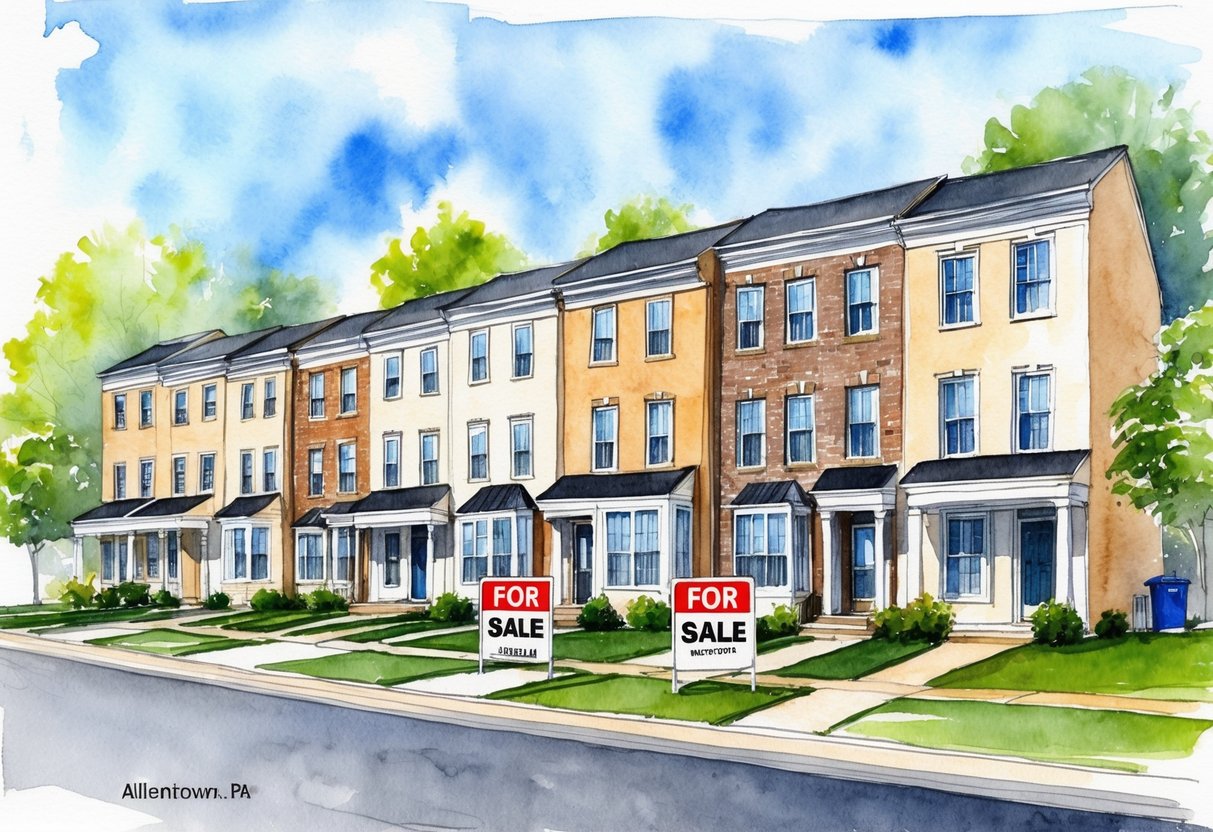
Letting your savings just sit in a bank or ride the stock market rollercoaster can feel like spinning your wheels. Real estate gave me the control and security I craved—it let me build lasting wealth on my own terms and with a lot less guesswork.
Building Your Investment Plan
A good real estate journey always starts with solid planning. I dive into the Allentown market—checking property values, neighborhood shifts, and rental demand.
Knowing the area is crucial; the wrong zip code can eat up profits and pile on stress. I organize everything with simple spreadsheets—tracking research, property leads, and projected returns.
If you’ve got a busy life, carving out a little time each week for research helps. Free guides, local meetups, and investor training programs sharpen my skills.
For hands-on learning, The Real Estate Lab in Allentown is a great place to start. I remind myself: there’s no one-size-fits-all plan. My approach matches my lifestyle, comfort with risk, and what I want long-term.
Setting Investment Goals
Without clear goals, I’d just be winging it. I ask myself, “Do I want monthly income or a bigger nest egg down the line?”
Some folks chase steady cash flow from rentals, others go for quick flips. I write down my intentions and numbers, like “How much passive income do I need for bills, kids’ stuff, or even just a vacation?”
Then I break it into milestones—buying my first rental in six months, paying off a property in five years, stuff like that. Measurable goals keep me on track, even when things get bumpy.
I check in on my goals and adjust as life changes, always keeping financial freedom front and center.
Assembling a Professional Team
I never try to do it all myself. Building relationships with local pros is one of the smartest moves I make.
I look for a sharp realtor who knows Allentown inside and out. I connect with attorneys, mortgage brokers, and contractors I can trust.
Who do I lean on for big decisions? I prefer professionals who invest themselves—they know what I’m aiming for. Joining investor groups or local networking events introduces me to people with real experience.
If I had an MBA, sure, I’d use those skills—due diligence, contract reviews, negotiation—but honestly, you don’t need a fancy degree to succeed here. My team keeps me accountable, brings me deals I’d never spot alone, and helps me dodge expensive mistakes.
I think of them as my personal advisory board—a small price to pay for peace of mind and bigger rewards down the road.
Financing and Funding Strategies
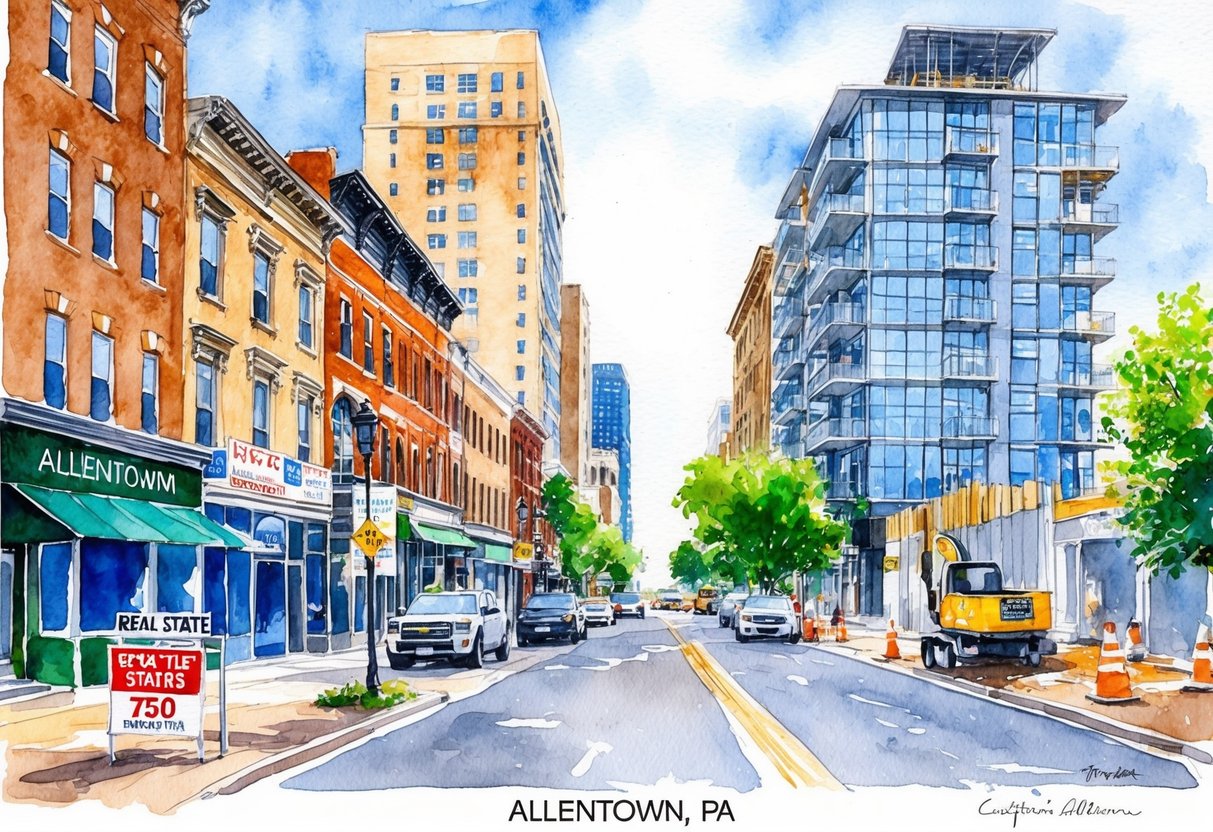
Finding the right funding method changes the whole game. If I pick the wrong financing, I can get stuck, but with the right move, I can buy more property, build wealth for my family, and start earning cash flow.
Traditional Lending Options
When I got started, banks seemed like the only route. Local banks and credit unions still offer fixed-rate and adjustable-rate mortgages.
The process can drag, but interest rates are usually lower than private loans. If my credit’s good and my income’s steady, I can get approved—even if I already own a couple of properties.
Many investors use conventional loans for their first few deals, but banks eventually cap how many properties they’ll finance. To avoid putting all my eggs in one basket, I check out portfolio loans—these are built for investors holding several properties at once.
FHA and VA loans are options too, though those require living in the property at first.
Here’s a quick look at common loan types:
Loan Type
Typical Down Payment
Best For
Conventional
20%
Investors/Repeat buyers
FHA
3.5%
First-time buyers
Portfolio Loans
20–25%
Multiple properties
Creative Financing Techniques
But what if the banks say no, or I want to move faster than they’ll let me? There are creative techniques that don’t depend on traditional lenders.
I can use seller financing, where the seller basically becomes the bank and I pay them monthly at terms we agree on. This works best if I’m decent at negotiation and the seller’s motivated.
Hard money loans and private lenders are another route. They charge higher interest, but for short-term projects, they let me buy, rehab, and then sell or refinance fast.
In Allentown, hard money loans are available for flips and rentals. If I want to scale up, I might mix options: use hard money to buy, then refinance with a regular loan after the rehab.
Some investors use home equity lines of credit (HELOCs) from properties they already own. That leverages their existing equity and creates a snowball effect for buying power.
Rent-to-own deals and lease options let me control more property with less upfront cash. In this business, creativity is often what separates the average investor from the wealthy one.
Risk Management and Public Safety Considerations

Managing risk in Allentown real estate isn’t about luck. I have to look at hard facts, not just my gut, if I want returns and fewer headaches.
Evaluating Market and Property Risks
When I invest in real estate, I never just follow headlines or rumors. I dig into the local market—Is rental demand steady? Are homes sitting empty too long?
I break down expected costs, likely rents, taxes, and insurance. Growth areas might look promising, but I want reliable data, not hype.
I also inspect properties closely. Cracks in foundations, old roofs, or bad wiring can mean unexpected expenses.
Zoning rules matter. I won’t rush into a deal unless I get the building codes, possible repairs, and even environmental risks.
I always keep an eye on Allentown landlord regulations—missing something there isn’t just expensive, it could end the investment. For more tips, I check guides on real estate risk management.
Ensuring Public Safety for Tenants and Communities
Good investments need to be safe. If I ignore safety codes, I’m not just risking my wallet—it’s people’s lives.
That’s why I stay up on Allentown’s property maintenance enforcement rules. Inspections, working smoke alarms, mold checks—these aren’t just boxes to tick.
They protect tenants and keep the city off my case. Safety isn’t just about the property, either.
Would I feel okay walking around the neighborhood at night? Strong public safety, decent roads, and solid infrastructure keep values stable.
If there’s a pattern of police calls in an area, that’s a red flag I can’t ignore. I make sure my properties and the surrounding area are secure, livable, and offer peace of mind for everyone.
Essential Skills for Success in Allentown Real Estate
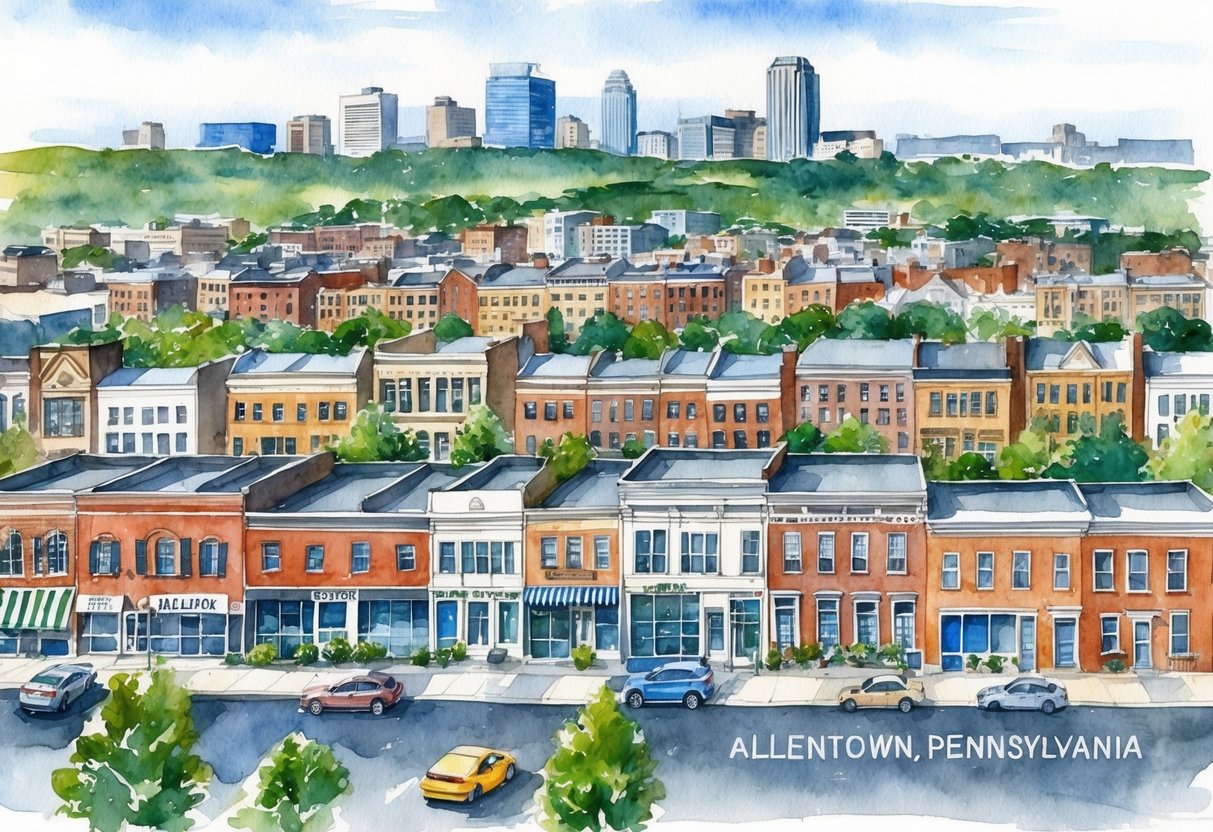
Real estate investing in Allentown takes more than just cash and hustle. Real progress comes from learning to communicate, standing out locally, and using new tools to get ahead.
Negotiation and Communication
The best deals aren’t handed out—they’re negotiated. Buying or selling in Allentown means facing agents and buyers who know their stuff.
If I sharpen my negotiation skills, I can turn a fair offer into a good deal, and sometimes a good deal into a great one. That means knowing what my property’s worth, understanding the market, and being clear about what I want.
Do I always get what I want? Of course not.
But I’ve learned to listen more than I talk, ask questions that get to the real needs, and present my facts with confidence. When emotions run high, I stay focused on my goals, not just on “winning.”
That’s how long-term wealth builds, one agreement at a time. Good communication makes all the difference.
I keep my emails and calls professional and my instructions clear. I treat everyone—realtors, inspectors, contractors, other investors—with respect.
In a city like Allentown, my reputation grows with every phone call and meeting.
Marketing Properties Effectively
Ever feel like you have to shout to get your property noticed? I get it.
In Allentown, just listing online and hoping buyers show up isn’t enough. The best investors use every channel—MLS, social media, flyers, targeted emails.
I focus on quality photos, detailed descriptions, and pricing that matches demand. Mixing digital and old-school methods, I reach local families, newcomers, and even out-of-towners looking for value in Allentown.
Open houses and virtual tours are a must. Notes from past buyers and renters help my credibility.
I treat every property like a business, every showing like an interview. I also watch what other investors are doing.
If a marketing trick works for them, I’ll try it myself. Why make things harder than they need to be?
Leveraging Technology in Real Estate
Back in the day, advertising meant a sign in the yard. Now I use modern tools—virtual tours, video walkthroughs, and automated scheduling—to give buyers and renters what they want: convenience.
If I can automate something, I do it. That means faster responses, fewer missed appointments, and more control over my schedule.
Online property analytics help me price rentals and sales way more accurately. I can check school ratings, walkability, neighborhood trends, and recent sales in seconds.
Will I ever need a CTO for my investments? Maybe not, but if there’s an app or a cloud tool that saves me time or money, I’ll use it.
I protect my investments with digital record-keeping and online banking. I never leave paperwork or sensitive files in a desk drawer.
In Allentown’s competitive market, the one who adapts and uses technology wisely moves ahead faster than the one who doesn’t. For more ideas, check out these tips for Lehigh Valley investors.
Local Resources and Educational Opportunities
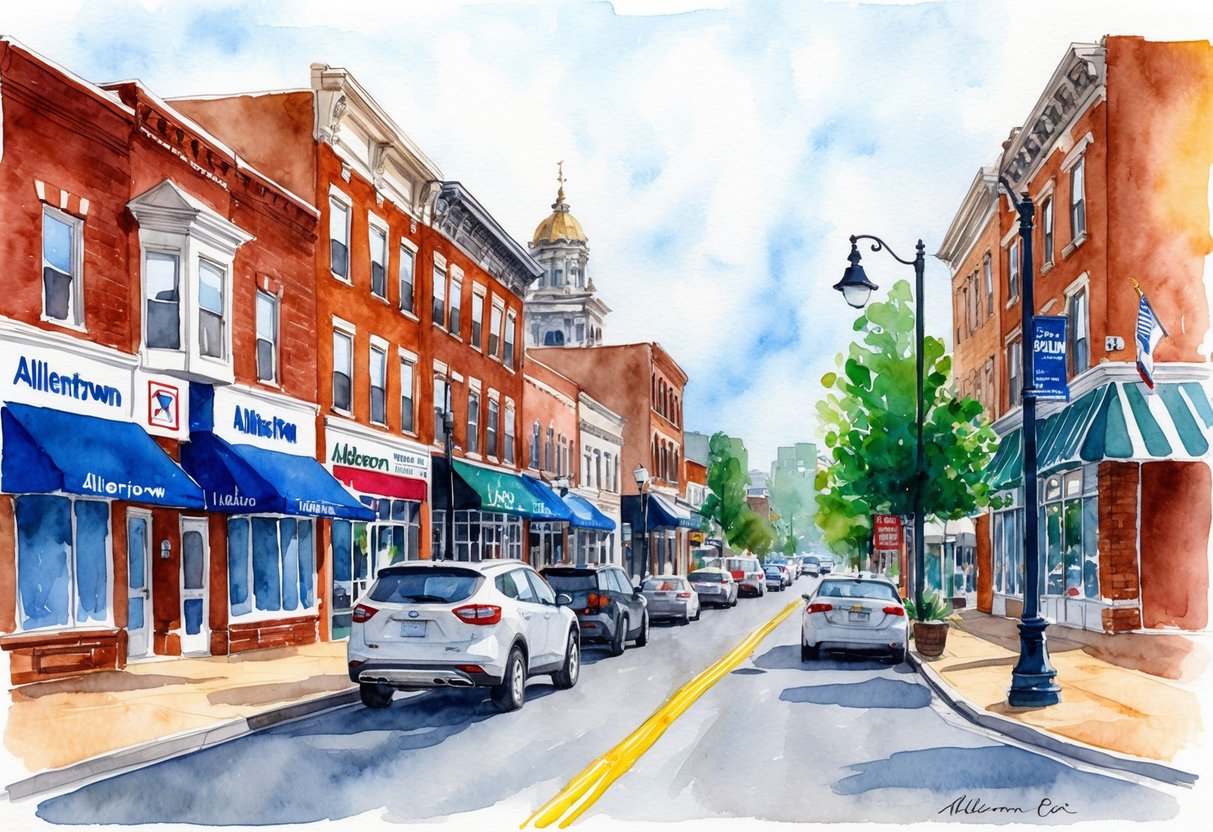
From what I’ve seen, the path to smart real estate investing isn’t just about spreadsheets and listings. Success often comes from finding the right local connections and getting an education that actually moves the needle.
Connecting With Local Organizations
Allentown has more going on than you’d think if you look past the MLS. I learned pretty quickly that building your network is priceless.
Ever wonder where local investors, policy-makers, and experts actually meet up? That’s what makes The Real Estate Lab in downtown Allentown stand out.
It’s not just another networking mixer—it’s a place for people who actually want to build wealth that lasts. You don’t need deep pockets to join.
They’ve built it for anyone willing to learn, share, and put in the time. They run a free program just for downtown residents, teaching people how to invest, manage property, and build real local relationships.
If you want to sharpen your skills and hear the truth from people actually doing this, it’s worth checking out. Imagine getting real insights on everything from tenant screening to repair estimates in a place focused on growth, not sales pitches.
That’s the kind of value you find by showing up and asking questions. And honestly, shouldn’t every investor have a spot like that?
Learning at Nearby Institutions
I looked at what local schools were actually doing to help investors—not just college kids. Turns out, schools like Lafayette College and Lehigh Carbon Community College offer partnerships and training focused on real-world real estate skills, not just theory you’ll never use.
Lehigh Carbon even teamed up with the Real Estate Lab to help entrepreneurs get the tools they need to succeed as investors.
These educational paths go beyond seminars. I’ve seen people start programs with zero experience and leave ready to screen tenants or manage repairs.
Some folks even learn how to analyze cash flow on potential deals. If you’re stuck wondering, “Can I really do this?” or “Where do I start?”—getting proper training honestly changes everything.
Find schools and programs where real estate investors and even the president of organizations share battle-tested tactics. You deserve more than empty theory and tired clichés—action steps matter way more.