Imagine having a powerful ally that takes care of tedious property acquisition tasks, so you can focus on what truly matters—growing your portfolio and enjoying financial freedom. With automation tools, this isn’t just a dream; it’s an achievable reality. Streamlining property acquisitions with automation tools empowers investors with efficiency and precision, revolutionizing how we approach real estate deals.  Automation isn’t just about saving time; it’s about making smarter decisions. By integrating advanced data analytics and AI algorithms, you can unveil insights that were previously hidden, helping you identify the best opportunities in the market. Imagine using technology to handle complex transactions with ease, optimizing your strategies at every step. As we embrace these innovations, it’s crucial to adapt and leverage them to our advantage. Automating processes like rent collection, maintenance, and compliance management not only enhances efficiency but also reduces risks. This shift not only transforms the way property transactions are handled today but also sets the stage for a more streamlined and future-ready real estate landscape.
Key Takeaways
- Automation enhances efficiency in property acquisitions.
- AI offers deeper insights into market opportunities.
- Streamlined processes reduce risks and improve outcomes.
The Role of Automation in Property Management
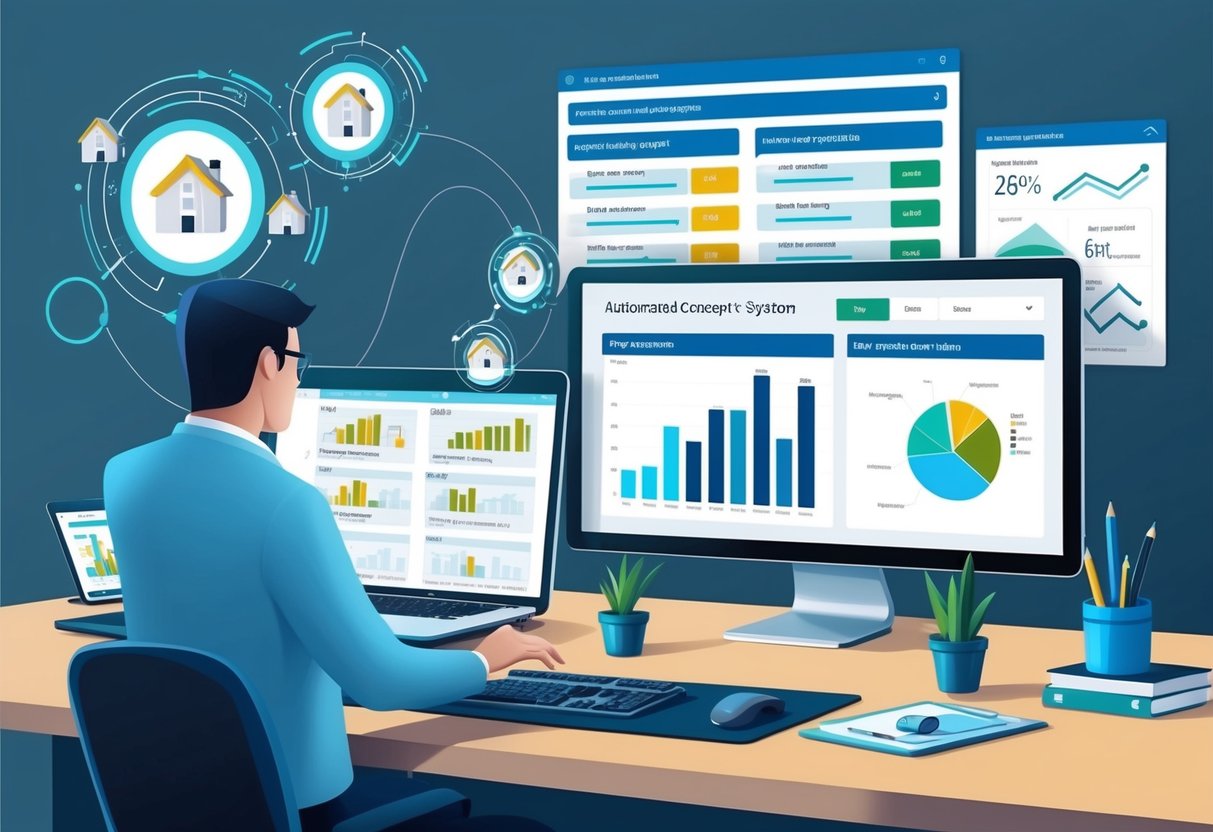 I often wonder, how can property management be simplified? Automation tools can answer that question. They boost efficiency and improve tenant satisfaction. This piece will explore how these tools streamline daily operations and enhance communication with tenants.
Enhancing Operational Efficiency with Automation Tools
Think about all the daily tasks that come with managing properties. From rent collection to maintenance scheduling, it adds up. Automation tools can handle these jobs easily. By integrating property management software, I can reduce manual work. This method increases accuracy and saves time. For example, setting up automated systems for tracking rent payments eliminates the chance of human error. AI tools can look through data and identify trends that might be missed otherwise. Such insights can lead to better decision-making.
Automated Communication and Tenant Experience
Have you ever experienced the hassle of communication breakdowns with tenants? Automation can help prevent this. Automated systems send reminders for rent payments or upcoming maintenance activities. This ensures tenants stay informed without me having to lift a finger. Moreover, chatbots are now part of tenant services. They provide answers to basic questions 24/7, enhancing tenant experience. By allowing tenants to schedule services online, they feel more in control. These automated solutions create a more seamless interaction, resulting in heightened tenant satisfaction.
Streamlining Rent Collection and Financial Reporting
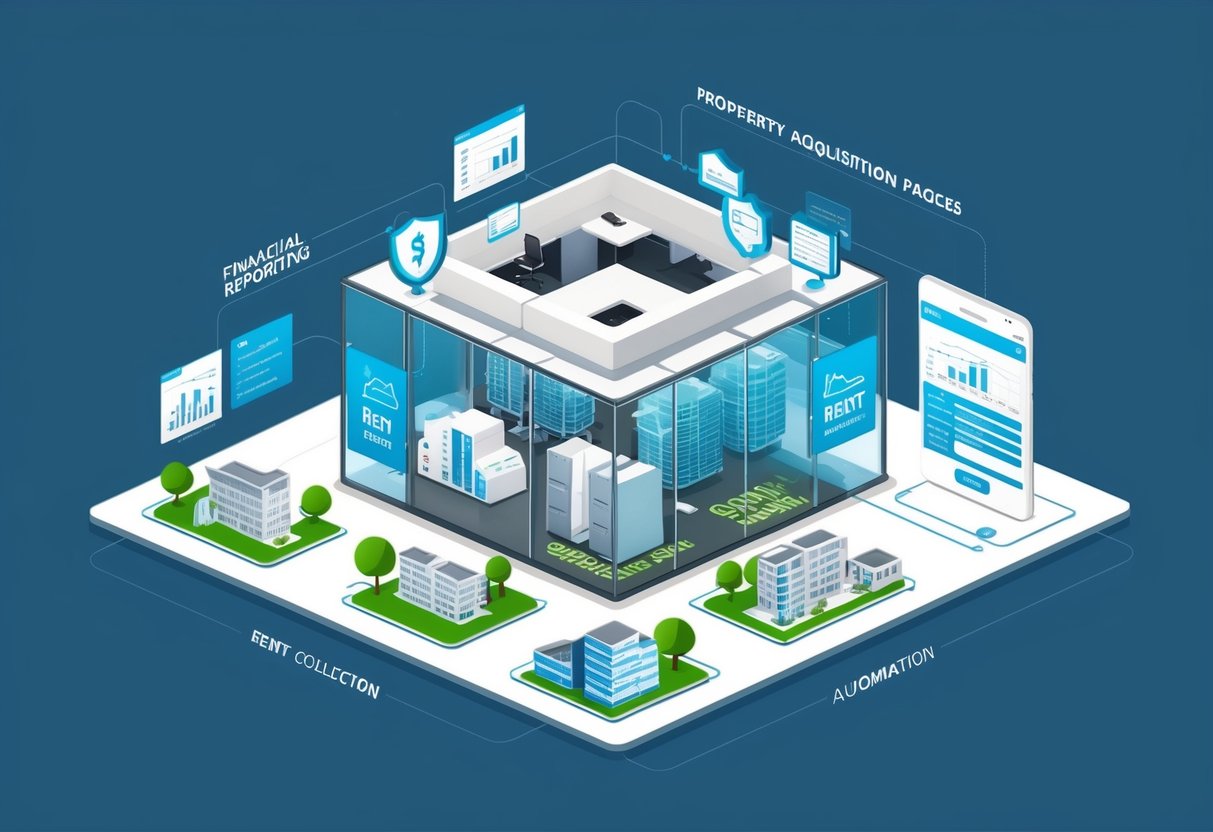 Managing rent collection and financial reporting can be simplified with the use of automation tools. These tools not only reduce human error but also ensure that tasks are completed promptly and accurately. Here’s how automation can be transformative.
Benefits of Automated Rent Collection
Why deal with the hassle of manual rent collection when automation offers a smoother path? Automated rent collection ensures tenants receive consistent reminders and can make payments conveniently online. This method greatly reduces the risk of missed payments and late fees. It also frees landlords from the tedious task of tracking payments manually. Imagine having a system that automatically updates rent records. This feature provides instant visibility into who has paid and who hasn’t, which simplifies financial oversight. With tools like TenantCloud, background and credit checks become seamless. Such automation is not just about convenience; it’s about creating a reliable system that benefits both the landlord and the tenant.
Improving Accuracy and Timeliness in Financial Reporting
Precision in financial records is crucial. With automation tools, creating and maintaining accurate financial reports is much easier. These tools can automatically compile data, reducing the chances of human error, and ensuring that reports reflect the truth of your financial situation. Why leave your financial health to chance? By automating financial reporting, landlords gain quick insights into their financial standing, allowing them to make informed decisions with ease. Automated systems can automatically update financial statements when rent is collected, giving real-time insight into their financial health. This streamlines processes and enhances the ability to plan for future investments or expenses with confidence. If consistent and precise financial management is the goal, automation provides the roadmap to get there.
Incorporating AI in Real Estate Transactions
 I often find that using artificial intelligence in real estate can make processes smoother and more profitable. A major part of this involves predictive analytics for identifying market trends and improving investment opportunities, as well as AI-powered tools that enhance tenant screening and property tours.
Predictive Analytics for Market Trends and Investment Opportunities
Have you ever wished you could predict the market? With AI, predictive analytics turns that wish into reality. AI can process vast amounts of data quickly to identify market trends. This means being able to analyze historical data to forecast future prices and demand. Such insights are crucial for making informed investment decisions. Investors, like myself, can leverage these insights to identify promising opportunities. AI can highlight undervalued properties or areas expected to grow, helping to maximize returns. It’s a game-changer in minimizing risks and making smart investment choices.
AI-Driven Tenant Screening and Property Tours
Tenant screening has always been a vital part of real estate. Imagine, though, if AI could automate this process for us. AI systems can now handle everything from background checks to analyzing rental application data. This provides a more thorough tenant evaluation in less time. AI also offers virtual property tours, saving time and reducing the need for physical visits. With AI, potential tenants can explore properties online before deciding on a physical tour. This technology enhances the experience for both property managers and tenants.
Advancing Maintenance and Energy Management
 Unlocking the potential of technology in property management can boost efficiency. I focus on two aspects: the proactive approach of predictive maintenance and the power of AI in energy management.
Predictive Maintenance and Scheduling
Predictive maintenance shifts us from repair to prevention. Why wait for a breakdown when we can anticipate it? By analyzing data from equipment sensors, we can predict when a system might fail and schedule maintenance before issues arise. This proactive approach cuts down on unexpected failures and extends the life of equipment. With better maintenance scheduling, property managers can allocate resources more efficiently and respond swiftly to maintenance requests. Automated systems ensure tasks are prioritized correctly, reducing downtime. When maintenance is well-organized, it not only saves time but money. This smart scheduling improves tenant satisfaction by minimizing disruptions and maintaining property value.
AI for Improved Energy Management
Consider how AI transforms energy management. By analyzing consumption patterns, AI can optimize energy use across properties. It adjusts heating, cooling, and lighting based on predictive analytics, ensuring comfort without waste. This level of energy efficiency is not just about saving on costs; it’s about being environmentally responsible. Advanced energy management systems can provide detailed insights into usage trends. This allows for targeted energy-saving measures, turning what used to be unpredictable expenses into manageable costs. AI systems can make real-time adjustments, offering both operational efficiency and sustainability. By embracing these technologies, property managers can enhance tenant comfort while reducing operational costs.
Leveraging Data Analytics and AI Algorithms
 In a rapidly evolving real estate market, using data analytics and AI can revolutionize property acquisitions. These technologies provide actionable insights, optimize portfolios, and enhance decision-making.
Data-Driven Decision Making in Property Acquisitions
When it comes to property acquisitions, data-driven decision-making changes the game. Why rely solely on intuition when vast amounts of data can guide us? By analyzing market trends and property valuations, I get insights that traditional methods might miss. For instance, AI can process historical data to identify patterns that predict future areas of growth or risk. This kind of deep analysis is what turns an ordinary investment into a strategic opportunity. Streamlined data collection reduces the time and uncertainty involved, allowing me to tailor strategies that align with my investment goals.
Enhancing Portfolio Optimization with Machine Learning
Machine learning takes portfolio optimization to the next level by tailoring solutions specific to individual needs. This isn’t about general advice; it’s about customizing my portfolio for maximum return. Machine learning models evaluate numerous variables, including economic indicators and demographic trends. These models predict changes that might affect property values or rental demand. By leveraging machine learning, I can not only protect my investment against risks but also maximize returns. The beauty of this approach lies in its adaptability, allowing quick responses to an ever-changing market landscape. Tools that integrate machine learning with data analytics empower me to make informed choices, enhancing the overall growth and resilience of my property portfolio.
Optimizing Compliance and Risk Management
 Navigating property acquisitions often feels like walking a tightrope where compliance and risk management are crucial. I aim to shed light on how automation can revolutionize these aspects. Automation ensures adherence to current regulations while identifying and mitigating potential risks, so you can focus on strategic growth.
Ensuring Regulatory Compliance through Automation
Isn’t it a challenge to keep up with ever-changing legal requirements? Automation steps in by continuously tracking regulatory updates, which minimizes the risk of non-compliance. Advanced systems provide instant alerts and reports, ensuring that all property documents align with current laws. Using automated compliance monitoring, companies can streamline their workflows. Automated tools can flag any discrepancies for prompt action, so no deadline or update is ever missed. The integration of these systems saves valuable time and resources, offering peace of mind and allowing teams to focus on more strategic tasks. Imagine a world where manual checks are a thing of the past; that’s the power of automation. It provides consistency and accuracy in compliance, making your operations more efficient and secure. With systems in place, following the rules becomes less about effort and more about strategy.
Risk Management Strategies in Property Management
Why is risk management often neglected? The truth is, without it, potential pitfalls can jeopardize your investments. Automation helps by analyzing large datasets to identify trends and red flags that may not be visible otherwise. Automated tools can provide risk assessments and scenarios, allowing you to plan proactively rather than reactively. They evaluate financial standings, market conditions, and more to give you a comprehensive view of potential risks. Automating risk management processes means less room for error and a reduced chance of costly mistakes. As a result, property managers can focus on strategic decision-making, knowing they’ve got a clear picture of potential threats and opportunities. This proactive approach to risk ensures that investments remain safe and profitable.
Technological Integration and the Future of Real Estate
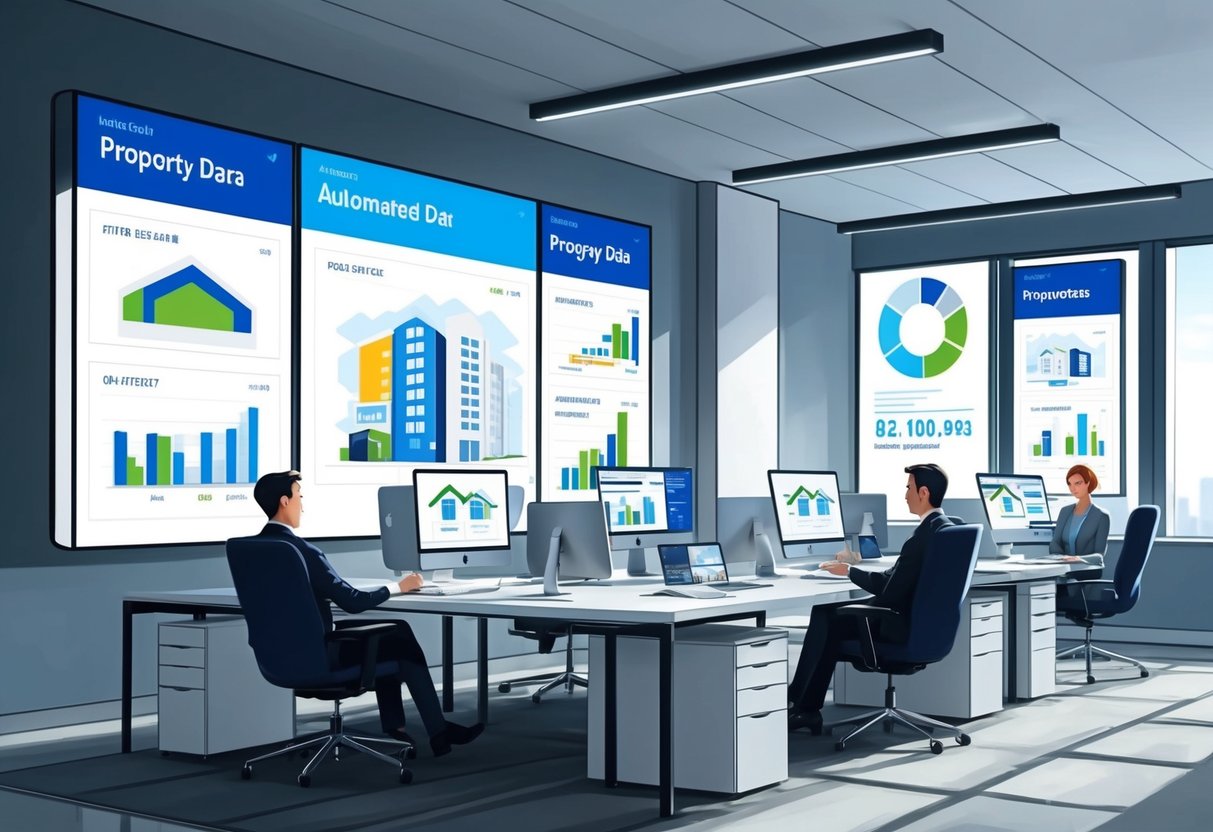 The real estate landscape is transforming with powerful tools like blockchain, IoT, and augmented reality leading the charge. These technologies streamline transactions, improve property management, and enhance the buyer experience.
Blockchain Applications in Real Estate
Blockchain technology is a game changer in real estate. You might ask, “How does it work?” It allows for the use of smart contracts to automate and secure transactions, reducing the need for intermediaries. This means faster, more transparent deals with fewer chances of fraud. Transactions are recorded in a tamper-proof way, ensuring that all details are clear and accessible. This not only speeds up property acquisitions but also cuts down on costs associated with manual processing. Just imagine the impact on efficiency! Implementing blockchain solutions may protect investments and maximize returns for savvy investors.
The Impact of IoT and Augmented Reality
The Internet of Things (IoT) is revolutionizing property management by connecting devices and sharing vital property insights. Who wouldn’t want their investments to run like a well-oiled machine? IoT ensures that buildings are monitored in real-time, optimizing energy efficiency and reducing maintenance costs. Meanwhile, augmented reality is enhancing how properties are showcased. Instead of relying on outdated photos, potential buyers can explore properties virtually. This provides a more immersive experience and helps envision potential renovations without stepping inside the property. Such innovations are essential in attracting modern buyers, making property transactions smoother and faster.
Enhancing Leasing Processes and Tenant Retention
 In the dynamic world of property management, automation serves as a powerful ally. By enhancing efficiency in the leasing process and boosting tenant satisfaction, it plays a vital role in maximizing property value. Let’s explore how automation tools can transform these critical areas.
Automating the Leasing Process for Efficiency
Imagine a world where tenant screening and lease signings are seamless. Automation makes this possible by cutting down manual tasks in the leasing process. For instance, AI-powered systems streamline operations—from initial tenant applications to finalizing lease agreements. These technologies save time, reduce errors, and lower administrative costs. AI solutions come equipped with features like automated listings and lead tracking, enhancing efficiency and accuracy. This approach allows property managers to focus more on creating valuable tenant relationships than paperwork. An automated system also increases the speed of responding to tenant inquiries. It ensures potential renters get timely and accurate information, making their experience smoother. So, why spend energy on repetitive tasks when automation can handle them with precision?
Strategies for Tenant Retention through Automated Services
Effective tenant retention is key to long-term success. Automation plays a crucial role here, too, by providing services that enhance the tenant experience. Property managers can set up automated communication channels to send timely rent reminders, maintenance updates, and personalized messages to tenants. These automated services reduce the chance of missed payments and keep tenants informed and satisfied. Automation also assists in lease renewals by proactively contacting tenants before their lease end date. By offering attractive incentives and simplifying the renewal process, property managers can significantly improve retention rates. Tenants appreciate these conveniences, which can lead to higher occupancy and quicker lease renewals. Investing in the tenant experience pays off—making renters feel valued builds loyalty and makes them more likely to stay.
Scaling Real Estate Operations
 In the real estate industry, scaling operations is essential. Automation tools play a critical role by reducing costs and increasing efficiency. This approach enhances property acquisition strategies.
The Role of Scalability in Property Acquisitions
Have you ever wondered how to manage more properties without being buried in work? Scalability is key. It allows a real estate operation to handle growth effectively. By optimizing processes, we can manage a larger volume of properties and transactions. Embracing scalability also helps in improving lead generation and occupancy rates, essential for successful property acquisitions. The ability to scale means that operations can expand without a significant increase in costs, thanks to emerging technologies like natural language processing enhancing communication and decision-making.
Automation and Scaling Operational Costs
Do you often feel like operational costs are holding back your growth? Automation could be the answer. Implementing automated solutions reduces the need for manual tasks, leading to significant cost savings. By using tools designed specifically for real estate, we can better manage expenses and budget allocations. Automation supports growth by streamlining tasks, allowing us to focus on strategic developments. With real estate automation software, creating repeatable workflows becomes more efficient, helping us keep operational costs in check while expanding our portfolio. This strategic use of technology ensures the smooth scaling of operations, making it a valuable asset in achieving financial freedom.
Accounting and Data Entry Automation
 In the world of property acquisitions, it’s crucial to streamline accounting and data entry processes. By using the right automation tools, we can enhance efficiency, minimize human error, and save valuable time.
Increasing Efficiency in Accounting with Automation Tools
Why should we put up with tedious manual accounting tasks? Automation tools can revolutionize the way we manage financial data. By adopting specialized software designed for tasks like data entry and invoice processing, we can cut down on manual efforts and significantly reduce errors. These tools not only streamline routine tasks but also free up our time for more strategic thinking. Imagine accountants focusing on analysis rather than inputting numbers. Accounting automation empowers us to make informed decisions with fewer mistakes. This means less time correcting errors and more time creating value. By implementing these technologies, we’re able to maintain accuracy while growing our investments confidently.