
Retirement is not just about leaving a career behind; it’s a new chapter for growth and impact. Have you ever thought about the legacy you’ll leave behind? Cultivating a legacy-oriented mindset can transform how you approach retirement, turning it into a time of purpose and fulfillment. I believe that anyone can harness their leadership qualities to create a lasting impact in the later years of life. Many of my friends have found immense satisfaction in redefining their purpose during retirement. They have discovered that continuous improvement and embracing new challenges can lead to unexpected joys. This approach not only enhances personal growth but also strengthens relationships with family and community, allowing us to influence others positively. I’ve seen how facing your fears and being adaptable are essential to success in retirement. When you open yourself to innovation and change, you pave the way for a rich and meaningful legacy. This mindset is key to not only personal success but also in shaping the lives of those around you.
Key Takeaways
- A legacy-oriented mindset adds purpose to retirement.
- Continuous growth enhances personal and community impact.
- Adaptability is crucial for retirement success.
Understanding Legacy and Retirement
 When thinking about retirement, it’s crucial to consider how the legacy we leave can impact future generations. This involves not just financial planning but also a mindset that embraces transformation and personal growth. Let’s explore how we can cultivate a legacy-oriented mindset.
Defining Legacy in the Context of Retirement
Legacy isn’t merely about wealth. It’s about influence and the values we impart. Have you ever thought of how your work and habits shape your legacy? It’s essential to reflect on what you truly want to pass on. Money is just a part of it. Your legacy includes the innovations you encourage, the happiness you spread, and the growth you foster. It includes your beliefs, how you’ve tackled life’s challenges, and the opportunities you’ve created. Imagine leaving behind neuropathways that inspire others to think differently or pursue personal growth. Your legacy is your mark on the world. So, how do you want to be remembered by your loved ones and community?
The Psychology Behind Legacy Building
Why do we feel the need to leave a legacy? It’s rooted in our psychology—our desire for significance and continuity. Psychological theories suggest that building a legacy is linked to epigenetics, where our actions and experiences can influence future generations. Ever notice how some families share similar values? Our choices and behaviors shape this transmission. Understanding this can change how we view retirement. It becomes an opportunity to actively shape not just our future but the world we leave behind. It’s about rewriting our stories and influencing how they’re told. Isn’t it empowering to think of retirement as a time for creating lasting influence?
Retirement as an Opportunity for Transformation
Retirement isn’t an end; it’s a beginning—a chance for transformation and renewal. With the right mindset, retirement can be the most fulfilling chapter of life. This phase offers new opportunities to focus on personal growth, explore new interests, and redefine success. Isn’t it time to see this as a period for innovation and creativity? The transition allows us to pursue what truly matters, unearthing passions and paths that were previously unexplored. This can lead to happiness and a stronger sense of purpose. How will you use this opportunity to transform your life and the legacy you leave behind? Retirement is not just a destination but a journey full of potential.
Preparing for Retirement Success
 Building a successful retirement plan means focusing on personal growth, crafting a solid strategy, and balancing immediate rewards with future prosperity. Let’s explore these essential elements to ensure financial stability and peace of mind for the years ahead.
Enhancing Personal Capabilities
Why should we push ourselves as we prepare for retirement? By focusing on self-improvement, we boost our skills and stay adaptable. I believe continuous learning is crucial. Reading, attending workshops, or even enrolling in new courses can stimulate our minds. Staying current with financial literacy is equally important. This knowledge helps us make informed decisions, especially when navigating complex investment opportunities or changing tax laws. Time management is another vital aspect. Prioritizing tasks ensures we tackle the urgent ones and still set aside time for personal development. This approach not only contributes to our financial growth but also enhances our mental wellbeing.
Developing a Strategic Approach to Retirement
Creating a strategic plan is essential in avoiding financial pitfalls. I start by evaluating my current assets and liabilities to form a clear picture. Using tools like retirement savings checkpoints, we can assess if we’re on target for maintaining our lifestyle. Setting realistic goals based on these insights can guide our saving and investing decisions. Next, I consider diversifying my investments. A mix of stocks, bonds, and other assets can protect against market volatility. The right balance can help preserve capital and generate income over time.
Balancing Short-term Gain with Long-term Success
It’s important to enjoy the present, but how can we ensure long-term sustainability as well? This balance often requires tough choices. While short-term gains can be tempting, I focus on sustainable practices that align with long-term goals. For instance, choosing investments with steady returns over high-risk, high-reward options can minimize potential losses. Finally, I emphasize the importance of maintaining an emergency fund. This safety net prevents us from dipping into retirement savings during financial surprises, ensuring that our long-term plans remain on track. Balancing immediate enjoyment with future security requires thoughtful decision-making, a key to achieving retirement success.
Cultivating Excellence and Continuous Improvement
 Cultivating a mindset focused on excellence and constant improvement can transform how we approach retirement planning. By adopting daily habits that support growth, we can better prepare ourselves for the future.
Implementing Daily Practices
What if you could make minor adjustments every day to improve your world? I focus on small, actionable steps that build up over time. Consistent daily actions lead to significant changes, helping me nurture excellence. I start by setting clear goals that reflect my values. This way, each day’s actions align with my bigger vision. Monitoring progress is key. Keeping a journal or checklist to track achievements keeps me motivated. It’s like competing against my past self, aiming to become better each day. By embracing positivity and surrounding myself with like-minded individuals, I foster an environment where I thrive, enhancing both personal and professional growth.
Fostering Skill Development
Continuous learning is the cornerstone of personal development. I regularly seek opportunities to enhance my skills, attending workshops or enrolling in online courses. It’s about turning perceived weaknesses into strengths. I assess my current skill set, identify areas needing improvement, and take deliberate steps to address them. Engaging in skill cultivation practice, such as role-playing or simulations, can also reinforce learning. Sharing knowledge with others is another way I solidify my understanding. By teaching and mentoring, I create a cycle of learning that benefits not only myself but also those around me. This also cultivates a culture of improvement where everyone is encouraged to be their best.
Adopting a Philosophy of Excellence
Striving for excellence in every aspect of life can be a rewarding journey. I look at excellence as a commitment to quality in everything I do. It’s not about perfection; it’s about doing my best and pushing boundaries. Setting high standards and holding myself accountable ensures I stay on track. To achieve excellence, I reflect on past experiences to learn and grow. When challenges arise, I see them as opportunities to push beyond my limits. Seeking feedback from trusted colleagues or mentors provides valuable insights that drive improvement. By continually refining my approach, I foster a lifestyle where excellence becomes second nature.
Communication and Relationships in Legacy Building
 Building a legacy isn’t just about assets and finances. It’s about fostering open communication and nurturing strong relationships that can redefine success in retirement.
Practice Open Communication
Communication is the cornerstone of legacy building. It’s not just about speaking but also about listening. When I communicate openly with family and colleagues, I foster transparency and trust. Why is that important? Because it sets the stage for collaboration and shared goals. Open communication isn’t just a one-time event. It’s an ongoing process that requires commitment. I focus on sharing my thoughts clearly and actively seek feedback. This reciprocal exchange helps in understanding diverse viewpoints, which enriches my vision for the future. By keeping the channels open, I ensure that everyone involved feels valued and heard. This supportive environment builds a culture of empathy, where I can address conflicts before they become barriers to my legacy.
Building Strong Relationships
Relationships are the foundation of any meaningful legacy. Strong relationships boost collaboration and offer support in achieving long-term goals. I invest time and effort into nurturing these connections. How do I do this? By being present and engaged in my interactions. Empathy plays a key role here. I try to understand the emotions and motivations of those around me, strengthening our bonds. I make it a point to celebrate achievements together, fostering a sense of belonging and shared purpose. As I cultivate these relationships, I find that they not only contribute to my legacy but also enhance my own life experience. In my journey to create a lasting impact, strong relationships provide the support and inspiration needed to navigate challenges with agility and confidence.
Leadership and Influence
 In building a legacy-oriented mindset, leadership and influence are critical components. Strengthening leadership skills and using influence thoughtfully can leave a lasting impact and guide us towards a meaningful retirement.
Developing Leadership Skills
Leadership isn’t just about having a title—it’s about the ability to inspire and motivate others. This requires dedication to personal growth. Have you ever thought about the traits that define effective leaders? Empathy, resilience, and clear communication can lead to stronger teams and better outcomes. By intentionally seeking opportunities to lead, even in small ways, we can hone these skills. Whether it’s in the workplace, at home, or in your community, every situation offers a chance to practice leadership. Practical experience is key. Engaging in continuous learning, such as attending workshops or reading widely, can also broaden your understanding of leadership nuances. Being proactive in decision-making helps sharpen leadership abilities.
Harnessing Influence to Shape Your Legacy
Influence goes beyond immediate surroundings—it’s about leaving a ripple effect. Being deliberate with your influence means considering how your actions affect others and how people remember you. This intentionality is what shapes your legacy. Ask yourself, how can you use your unique gifts to inspire others? Demonstrating kindness and integrity can set a powerful example for colleagues and loved ones. Influence isn’t wielded with force; it’s cultivated through genuine connections and trust. By mentoring others and sharing your experiences, you not only guide their growth but also create enduring relationships. As you plan your legacy, think about how you want to be remembered and what values you wish to pass on.
Tackling Challenges and Managing Fears
 Retirement often comes with its own set of challenges and fears. By actively addressing these concerns, you can navigate this transition with more confidence and less hesitation. Let’s explore how to tackle these issues head-on.
Overcoming Retirement Challenges
Retirement is a big shift. Figuring out how to handle challenges like financial worries or lifestyle changes is key. What if your savings fall short? Setting up a solid financial plan can help. Track your expenses, cut unnecessary costs, and explore investment strategies tailored for you. Unexpected health issues might also pop up. Staying active and checking in with your doctor regularly can keep you better prepared. If managing your time is a concern, consider engaging in hobbies or volunteer work. Staying busy can make your retirement more fulfilling.
Addressing Fears of Failure and Change
Fears of failing and changing can stop you from enjoying retirement. If fear of failure creeps up, ask yourself: What’s the worst that could happen? Often, the fear is bigger than reality. Building resilience helps. Instead of stress, view setbacks as opportunities to learn. Dreading big changes? Embrace adaptability. Think of change as a chance to grow. Staying flexible lets you adjust to new situations smoothly. It’s vital to acknowledge these fears, but don’t dwell on them. Focus on what you can control and take small steps forward every day.
Innovation and Adaptability
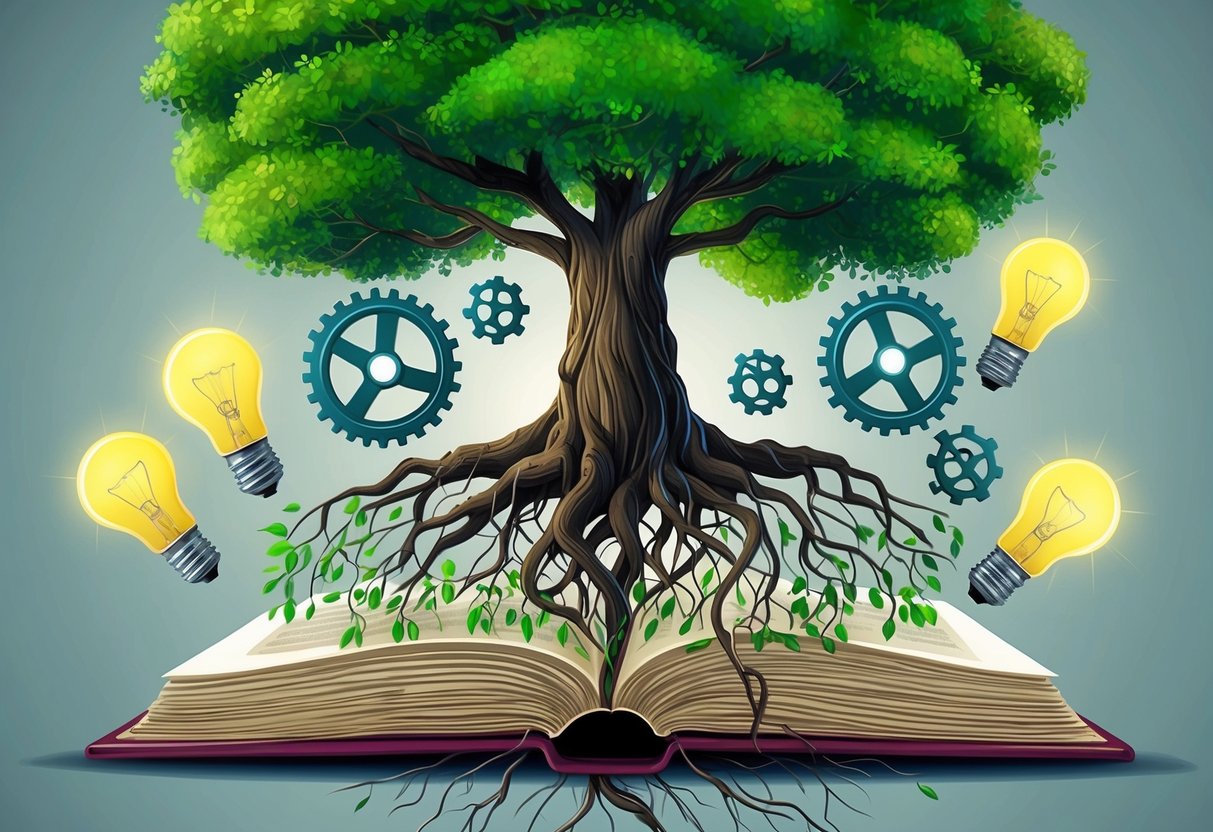 For a successful retirement that leaves a lasting impact, it’s crucial to weave both innovation and adaptability into our lives. Innovation can help us build a legacy that withstands the test of time, while adaptability ensures we can navigate the personal changes that come our way.
Embracing Innovation for Lasting Impact
How do we ensure our investments and plans are future-proof? By embracing innovation, we don’t just aim for profits today but for sustained success. This means being open to new ideas and technologies that can secure our financial future. For example, investing in innovative fields or businesses not only broadens your portfolio but might also increase your chances of long-term returns. It’s about looking beyond the usual safer bets and seeing potential in what others might overlook. Being proactive and willing to explore these opportunities can bolster our retirement plans. Staying informed about the latest trends and financial tools is another layer of innovation. This doesn’t mean getting caught up in every hype but understanding when a shift in the market could mean a chance for growth.
Cultivating Adaptability for Personal Evolution
Life throws curveballs; this we know. But what if we could adapt smoothly each time? Cultivating adaptability is essential for personal development, especially as we inch closer to retirement. It’s about learning to pivot when needed—whether it’s a career change, a new investment strategy, or a personal life shift. Being adaptable means being prepared for the unexpected. One way to do this is by diversifying skills and interests. This flexibility can also provide alternate income streams or new career opportunities post-retirement. Reflect on events that have required change in the past. Did you handle them well, or was there room for growth? By analyzing these instances, we can learn to improve our adaptability skills. Being willing to adjust plans, learn new things, and stay curious can make retirement not just a phase but a dynamic, enriching experience.