
Inflation can silently chip away at your retirement nest egg, leaving you wondering why your carefully laid plans aren’t enough. Many of us, at some point, have felt that pinch in our wallets and questioned if we’re saving enough for retirement. Understanding how inflation affects your retirement savings is crucial to ensuring that you don’t run out of money when you finally step away from your career.  You might think inflation is just a few extra dollars spent here and there, but over time, it can significantly impact your financial security. When planning for retirement, it’s important to consider not just how much you save but how inflation could eat into those savings. Without proper planning, you could find yourself struggling to maintain the lifestyle you’ve worked so hard to build. The key to a resilient retirement plan is not just about saving more, but about making smarter choices that account for inflation’s impact. By exploring strategies that offset inflation, you can better protect your future. Through a mix of careful planning and smart investing, you can ensure a comfortable and secure retirement.
Key Takeaways
- Inflation significantly impacts retirement savings.
- Smart planning helps protect against inflation.
- Choose investments that consider inflation risks.
Understanding Inflation
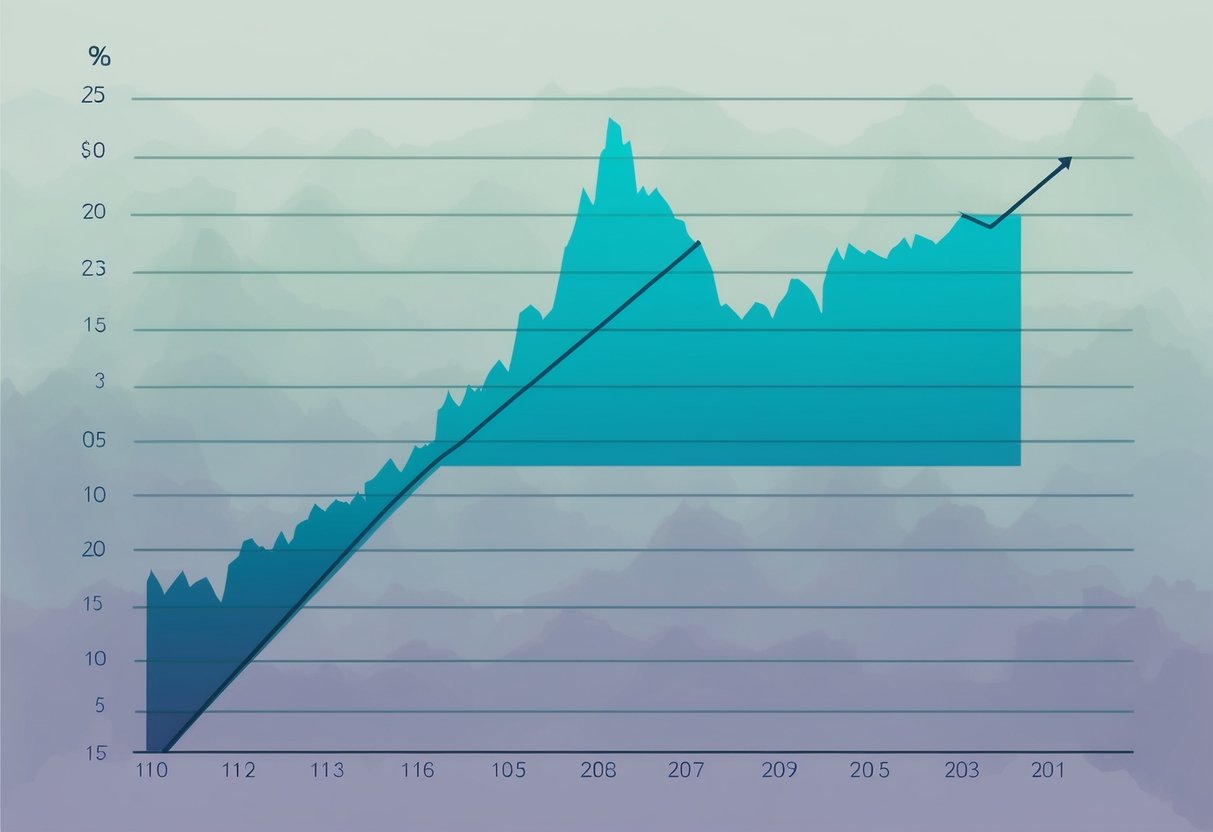 Inflation can significantly impact your retirement savings by reducing the purchasing power of your money over time. It’s crucial to grasp how inflation works and how it affects your savings and investments.
What Is Inflation?
Inflation is the rate at which the general level of prices for goods and services rises, eroding purchasing power. Imagine going to buy groceries, and suddenly everything costs a bit more than last year. This change is what inflation does to your money. It’s like a hidden tax on your savings. If you’re saving for retirement, inflation can be a silent enemy. A key question is: what will a dollar buy you in the future? Inflation determines that, impacting your future financial security.
Measuring Inflation: The Consumer Price Index
The Consumer Price Index (CPI) is one of the most widely used tools to measure inflation. The CPI tracks the price of a basket of goods and services over time. It includes everyday items like food, clothing, and transportation. Higher CPI figures indicate rising inflation, meaning your money won’t stretch as far. By regularly checking the CPI, I can better estimate how much inflation might affect my future expenses. Keeping an eye on these numbers allows me to plan more effectively, helping make smarter choices about where and how to invest my savings to maintain purchasing power.
Historical Impact of Inflation on Savings
Inflation has a long history of eroding the value of savings. Look back to the 1970s, when inflation rates were in the double digits. People saw their savings dwindle because their money couldn’t keep up with rising prices. Without strategies to combat inflation, savings can lose value quickly. What if the returns on your investments don’t outpace inflation? Your purchasing power might decrease, affecting my quality of life in retirement. Historically, those who ignored inflation’s impact found it challenging to maintain their standard of living. It’s a lesson that should remind us all to stay vigilant and adapt our strategies to protect our retirement savings.
Inflation and Retirement Planning
 Inflation can deeply affect how much you need to save for retirement and how you should budget your money. In this section, I’ll dive into how you can adjust your goals and budget, and why precise planning is so important.
Adjusting Your Retirement Goals for Inflation
When planning for retirement, inflation can easily shift your expectations. Have you considered how much more you’ll need in the future due to rising costs? Even a small increase in inflation can make a big difference. For example, if inflation is 3% annually, a $50,000 budget today could become $90,000 in twenty years. Setting realistic retirement goals accounts for these increases. One method is to plan with a higher inflation rate, like 3% or more, as suggested in this Kiplinger article. It might seem daunting, but it helps in creating a more resilient financial plan. Remember, the cost of essential items like healthcare always jumps with inflation, so aim to save more than you think you’ll need.
Inflation Risk in Retirement Budgeting
Inflation risk means the purchasing power of your savings may be less than what you expect when you retire. This isn’t just a theory—it’s a concern. Have you thought about how inflation could hit your retirement budget? For retirees, fixed incomes can be impacted if expenses grow faster than income. To manage this risk, consider ways to make your savings inflation-resistant. An example is investing in inflation-adjusted annuities. According to Thrivent, these can provide steady income and protection against inflation’s impact. It’s like having a backup plan for your backup plan. Being wise about your spending and adjusting your budget over time keeps you ready for unexpected changes.
The Importance of Retirement Planning Calculations
Precise calculations are the cornerstone of successful retirement planning. Have you done the math to ensure your savings will sustain you through retirement? Inaccurate estimations could lead to shortfalls or overspending. Start by incorporating inflation adjustments into your financial plans. Using tools or professional advice can help you estimate how much to save, considering inflation. As noted by Fidelity, saving a percentage of income might give more protection against inflation than saving a fixed amount. It’s all about understanding your needs, so you can retire with confidence and peace of mind.
Financial Instruments and Inflation
 Inflation can be a significant concern for anyone wanting a secure retirement. By understanding and utilizing certain financial instruments, you can better safeguard your savings against inflation’s impact. Below, I’ll explore some options such as annuities, inflation-protected bonds, dividend-paying stocks, and real estate.
Annuities and Inflation Protection
Annuities can offer a reliable income stream in retirement, and some are designed to adjust for inflation. Do you want peace of mind about your future income? Consider an inflation-adjusted annuity for protection against inflation’s erosion of purchasing power. An inflation-adjusted annuity can supplement your savings by ensuring your income grows as the cost of living rises. These annuities adjust their payouts annually based on inflation, helping to maintain the value of your income over time. Think about how much calmer you’ll feel, knowing your income won’t shrink in real terms as prices rise.
Inflation-Protected Bonds
Want to preserve the real value of your money? Consider inflation-protected bonds. These bonds, such as Treasury Inflation-Protected Securities (TIPS), offer a safeguard against inflation. Unlike regular bonds, TIPS provide returns linked to the Consumer Price Index (CPI). This means with inflation, your investment value increases too, protecting your purchasing power. By investing in TIPS, you can ensure that your principal adjusts with inflation, keeping your money’s worth stable even when prices rise. It’s a simple strategy but quite effective for maintaining the true value of your savings.
Dividend-Paying Stocks and Market Volatility
Stocks that pay dividends can be another way to combat inflation. These stocks not only provide regular income but also have the potential for growth. Many companies increase their dividends over time, which can outpace inflation rates. Dividend stocks can offer some cushion during market volatility. They often belong to established companies that steadily grow, providing stable returns even when markets swing. In uncertain times, these stocks can be a beacon of reliability.
Real Estate as an Inflation Hedge
Real estate has long been seen as a hedge against inflation. Property values and rental income typically rise with inflation, making real estate a tangible asset worth considering for your portfolio. If you’re worried about inflation eroding your wealth, owning property can be a game-changer. Real estate investments don’t just offer potential appreciation in value. They also provide cash flow through rentals, which can increase as inflation rises. It’s an asset that often performs well when prices climb, helping to protect and even grow your wealth.
Social Security and Retirement Income
 Navigating the complexities of Social Security and how it impacts your retirement income is crucial. With changes affecting benefits and the factors that influence income at retirement age, understanding these dynamics can significantly shape your financial future.
Social Security Benefits and Cost of Living Adjustments
Have you ever wondered how Social Security helps keep pace with inflation? The Cost of Living Adjustment (COLA) is the mechanism designed to ensure your benefits don’t lose value over time. Implemented annually, COLA adjusts payments based on the Consumer Price Index. But is it enough to keep up with rising costs? This adjustment aims to help retirees maintain their purchasing power as living expenses increase. Yet, in times of high inflation, the gaps can widen, making it difficult to meet expectations. Many retirees find that Social Security only covers a portion of their income needs, prompting the necessity for diverse income strategies.
Factors Affecting Social Security at Retirement Age
What should you consider about taking Social Security benefits at different ages? Full retirement age varies, impacting the amount you’ll receive. For those born in 1960 or later, your full retirement age is 67. Taking benefits earlier means a reduction in your monthly payments, while delaying increases them. It’s a balancing act: do you take a reduced benefit early or wait for a larger amount by delaying? Your decision should factor in health, financial needs, and employment status. Understanding these elements can make a significant difference in securing a more stable income during your retirement years.
Creating a Resilient Retirement Savings Plan
 Building a retirement savings plan that withstands inflation and accounts for future needs requires careful consideration. It’s not just about saving money but ensuring your assets can handle the future shocks from inflation, healthcare needs, and longer lifespans. Let’s explore some key strategies to achieve this.
Evaluating Portfolio Sufficiency Against Inflation
When planning for retirement, evaluating whether your portfolio will suffice against inflation is crucial. Inflation can silently erode your savings. An inflation-adjusted annuity might offer some protection, providing a steady income over time. Are your savings growing faster than inflation? Consider investments that naturally hedge against inflation. Real assets like real estate or commodities can be helpful. Stocks with strong dividends may also provide a buffer. Diversification across asset classes could reduce risks associated with inflation.
Incorporating Longevity Risk and Healthcare Costs
Have you planned for living well beyond your retirement years? Longevity risk is real, and so are rising healthcare costs. As lifespans increase, savings must last longer. This means preparing for extensive healthcare costs that might arise as you age. Long-term care insurance could be beneficial, covering expenses that regular insurance does not. Medical costs often rise faster than general inflation, warranting additional savings. Evaluating expected costs and including them in your retirement income plan can ensure you are not caught off guard.
The Role of Financial Professionals in Retirement Planning
Why go it alone when experts can guide you? Financial planners play a vital role in strengthening your retirement savings plan. They can analyze your current financial situation and suggest adjustments to meet future needs. These professionals assist in balancing portfolios, planning withdrawals, and optimizing tax strategies. They keep up with market changes and legislative updates so you don’t have to. Seeking their help can add a layer of confidence to your retirement strategy.
Lifestyle and Expense Management
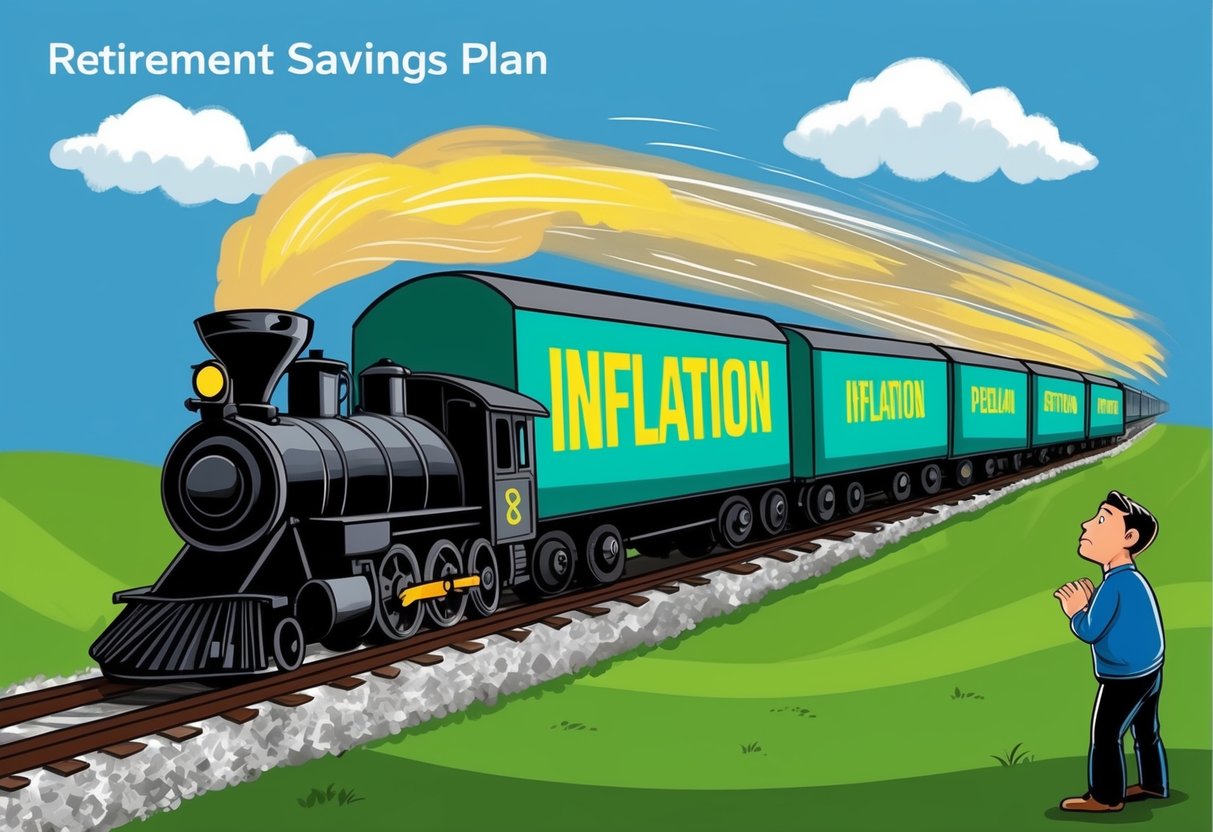 Managing your lifestyle and expenses is crucial for your financial security during retirement. It requires maintaining a balance between spending and saving, while still aiming for post-retirement goals.
Maintaining Lifestyle in the Face of Rising Costs
How can I keep my lifestyle intact even when costs are skyrocketing? One way is by reviewing and adjusting my spending habits. It doesn’t mean I have to give up everything I enjoy, but I do need to consider which expenses add real value to my life. I focus on essential costs like housing, food, and healthcare, then cut back on less important expenses. Tracking expenses helps too. I regularly check my spending to ensure it aligns with my goals. Are there subscriptions I never use? Maybe eating out every week isn’t necessary. The trick is to find a balance where I feel comfortable enjoying life while being mindful of financial priorities. Having this focus ensures that I’m prepared for those rainy days when costs unexpectedly rise.
Budgeting for Post-Retirement Goals
What dreams do I have for my retirement? Maybe travel, hobbies, or helping my children with their expenses. Achieving these goals demands a well-thought-out budget. I start by defining clear objectives. With these in place, I allocate funds accordingly, ensuring essential expenses are covered before earmarking money for post-retirement dreams. I devise a flexible budgeting plan. Why flexible? Life is unpredictable, and my budget should adapt to changes in my financial situation. Regularly revisit and adjust the budget. This proactive approach allows me to navigate through any economic shifts while still keeping my eyes on the prize. By understanding where my money goes, I can create a budget that supports my long-term goals. Ultimately, it’s about taking control to enjoy a fulfilling retirement.
Strategies for Inflation-Proofing Your Retirement
 Inflation can chip away at your retirement savings, so it’s crucial to have a plan in place. From using advanced financial tools to diversifying your investments, let’s explore some key strategies to secure your nest egg.
Leveraging Financial Planning Software
I’ve found that financial planning software is an indispensable tool. It allows you to run detailed scenarios about how inflation might affect your savings. With features that account for variables such as market returns and unexpected expenses, this software can provide a clearer picture of your financial future. What’s more, these tools often offer real-time updates on your investments’ performance, which helps in making informed decisions. Modern financial planning apps can analyze your current savings and suggest adjustments. By using these recommendations, you can better protect your assets against inflation. This means less guesswork and more certainty about where you’re headed financially.
Understanding the 4% Rule
You might have heard about the 4% rule. It’s a guideline for how much you should withdraw from your retirement savings each year. By sticking to this rule, I aim to maintain a balance between spending money and preserving my investment portfolio. The rule suggests starting with a 4% withdrawal in the first year, then adjusting annually for inflation. This method helps me avoid running out of funds too quickly. Some might argue that it’s outdated, but when paired with inflation protection strategies, it remains effective.
Combating Inflation with Diverse Investments
Diversification is my weapon against inflation. Investing in a mix of assets like stocks, bonds, and even real estate can offer protection. Stocks have the potential for higher returns, which can outpace inflation when chosen wisely. I also invest in I Bonds, as they provide a fixed rate additional with inflation protection. By not relying on a single asset class, I spread the risk and the potential rewards. This approach not only safeguards my savings but also opens up opportunities for growth in different market conditions.
Emerging Trends Affecting Retirement
 Retirement planning is more challenging today due to various emerging trends. From the rising role of commodities to the influence of Federal Reserve policies, these factors impact how we should view our retirement strategies.
The Role of Commodities in a Retirement Portfolio
Investing in commodities like gold, silver, or oil can diversify a retirement portfolio. Why are commodities important? They often act as a hedge against inflation. When prices rise, commodities may retain their value or even increase in worth. Incorporating commodities can add stability, especially when traditional stocks and bonds face volatility. For those over 40, adding a layer of protection in their retirement funds is crucial. Market returns can fluctuate, but a well-tailored mix of assets, including commodities, provides balance and potential growth.
The Effect of Federal Reserve Policies on Retirement Funds
Federal Reserve policies, especially decisions about interest rates, significantly affect retirement savings. When interest rates change, the returns on savings accounts and bonds can shift dramatically. Imagine planning your retirement around certain projected returns, only for rates to drop. Lesser-known elements like Federal Reserve policies can quietly erode expected gains. It’s essential to stay informed and adjust strategies accordingly. Employer match programs in 401(k) plans can also be impacted, affecting the overall fund growth. Understanding the connection between these policies and your retirement funds ensures better preparation for the future.