
Have you ever found yourself stuck, unable to take important steps toward improving your financial situation? It’s a common problem. The stress of managing money often leads to financial inaction, a cycle many find hard to break.
The key to overcoming this barrier lies in addressing both the stress and the inaction it causes.

When stress takes over, it’s easy to avoid dealing with finances, hoping the issues will resolve on their own. Before we know it, the cycle repeats, leading to more anxiety.
What if there were ways to manage this stress and regain control? The answer is that by understanding how stress impacts our financial behavior, we can implement strategies to break this pattern.
In the following sections, I’ll discuss practical methods and tools to help you overcome these challenges. As someone who’s navigated financial turbulence, I can assure you: there is a path forward, and it starts with small, intentional steps.
Key Takeaways
- Stress impacts financial behavior more than you might think.
- Identifying your stress triggers can prevent financial inaction.
- Effective strategies can break the cycle and lead to better choices.
Understanding Stress and Its Impact on Financial Behavior

Stress can dramatically change how we make financial decisions. It’s crucial to recognize specific stressors and understand their impact on our mental well-being.
Let’s explore the relationship between stress and our money habits.
The Nature of Stress and Mental Health
Stress is something we all deal with. It comes from various stressors, like work or family obligations. Stress can lead to anxiety and depression, affecting our decision-making abilities.
When we’re stressed, our brains might focus more on immediate needs rather than long-term goals. Isn’t it interesting how mental health problems can shift our priorities so quickly? This is why understanding stress and its broader implications on mental health is vital.
Financial Stress and Psychological Distress
Financial stress is a major concern for many. It often triggers psychological distress, leading to a negative cycle.
High levels of stress can be linked to increased anxiety and decreased psychological well-being. I’ve seen how it leads some to ignore crucial financial decisions just to avoid further stress. When your mind is preoccupied with worry, every bill feels like a mountain to climb.
Addressing financial stress is not just about balancing budgets—it’s about improving our mental health outcomes.
Stress Process and Longitudinal Studies
It’s no surprise that long-term effects of stress on financial behavior have been studied over years. Longitudinal studies reveal how prolonged stress impacts financial decision-making.
Research shows that sustained stress can hinder our ability to learn and adapt financially. Ever wonder why some folks seem stuck in a rut? It’s often because chronic stress affects their mental flexibility, making it hard to change deep-seated financial habits.
By studying these patterns, we can find ways to break the cycle and build better mental resilience.
Identifying Stress-Induced Financial Inaction Risk Factors

Addressing stress-induced financial inaction requires understanding the factors that lead to hesitation in making decisions. Let’s dive into how socioeconomic status and mounting debt can impact financial choices.
Role of Socioeconomic Status and Social Status
Have you ever wondered if your background affects your financial decisions? Socioeconomic status plays a crucial role here.
Individuals in lower social strata often face more barriers, like limited access to financial education and resources. These limitations can lead to stress, impacting their ability to make informed decisions.
I see this impact in the tendency to shy away from investments or savings plans. Instead of taking calculated risks, there’s often a retreat into safety nets, which don’t always yield growth.
The pressure to maintain social status can further result in risky spending rather than prudent investments. This pattern is not isolated; it’s seen worldwide, influencing how folks manage their financial future.
Impact of Chronic Stress and Debt on Financial Decision-Making
Debt is another significant risk factor. Chronic stress from financial strain can cloud judgment, making it hard to prioritize important financial actions.
The emotional toll of mounting debts often leads to avoidance behavior, where individuals delay crucial decisions like saving or investing, deepening the financial strain.
Chronic stress isn’t just internal. It’s societal too. When you’re in debt, it could seem like every choice narrows. Stress affects critical thinking and problem-solving skills, making it challenging to break free from this cycle.
Stress, combined with the burden of debt, often leads to short-term thinking. People become focused on immediate issues rather than building wealth for the long term.
Addressing this requires actively managing stress and seeking ways to reduce debt responsibly.
Effects of Financial Stress on Individual and Socioeconomic Health

Financial stress doesn’t just put a strain on your wallet; it can have deep impacts on both personal health and broader social conditions. Facing economic hardship can lead to serious health outcomes and influence mental well-being.
Health Outcomes and Depression Linked to Financial Hardship
When I think about financial stress, I often wonder how it seeps into our physical and mental well-being. It’s clear that economic stress contributes to various health issues.
Many adults experiencing financial strain report increased depressive symptoms. This isn’t just feeling blue; it often translates into clinical depression.
Money worries can lead to sleep problems, fatigue, and reduced immune function. Over time, this stress starts to erode both physical and mental health, creating a cycle that’s tough to break.
Dealing with constant financial pressure can drive feelings of hopelessness which directly impact one’s overall health. It’s not just about feeling overwhelmed; it affects our body in profound ways.
Influence of Economic Hardship on Substance Use and Mental Disorders
Economic hardship doesn’t stop at depression. It also plays a significant role in substance use.
People facing financial challenges might turn to alcohol or drugs as a coping mechanism. This can lead to a host of mental health disorders over time.
Why does this happen? Stress prompts us to seek quick fixes to ease our mental burden. This self-medication approach is dangerous, often leading to addiction.
Financial stress not only worsens existing mental disorders, but it can also be the trigger for new ones. As someone dealing with these pressures, I know it’s crucial to recognize how deeply economic factors are intertwined with mental and physical health.
Examining Coping Strategies for Stress-Induced Financial Inaction

Is stress stopping us from making smart financial choices? With the right methods and support, we can overcome this barrier. Let’s explore effective techniques and how resilience and professional guidance can be our allies in tackling financial stress.
Effective Coping and Adaptation Techniques
Ever felt stuck because of financial worries? It’s all about how we handle it. I focus on developing active coping strategies, like budgeting or setting clear financial goals, to tackle stress.
These strategies can lead to more security and control.
Some strategies include creating a budget, setting short-term financial goals, and using financial apps to track spending. By taking small steps, we gain confidence in managing our finances. Such actions reduce stress and lead to positive change.
Another powerful tool is social support. Talking to friends or family can provide new perspectives and encouragement. Having someone to discuss financial concerns with can ease the burden and motivate us to adopt consistent habits.
Building Resilience and Seeking Professional Help
How can we become more resilient in facing financial stress? Building resilience requires focusing on self-care and learning new skills.
Practicing mindfulness or meditation can also help in maintaining a positive mindset. This resilience helps us bounce back from setbacks.
Seeking professional help is crucial too. Financial advisors provide guidance tailored to specific needs. They offer expert advice and can develop personalized plans to address unique financial situations.
Professional support isn’t just about advice; it’s about empowering individuals to take control of their financial future.
The Role of Social and Psychological Factors in Financial Behaviors

Many people struggle to make financial decisions due to social influences and mental health issues. These factors can create a cycle of stress and inaction, impacting one’s ability to manage money effectively. Understanding how social and psychological aspects influence financial choices can help break this cycle.
The Interplay Between Social Factors and Financial Stress
Have you ever wondered how your social environment affects your finances? Social factors, such as family expectations and peer pressure, can heighten financial stress.
If you’re in a community with high social status, there’s often pressure to maintain certain lifestyles. This can strain your financial resources and lead to stress.
Let’s consider low income households. Social pressure to keep up with others, even when it’s financially challenging, can exacerbate stress. This stress is not just emotional; it can affect your decision-making.
For example, the pressure to buy a new car might cause someone to ignore the risk of higher debt.
Social factors often make financial stress worse without us even realizing it. Recognizing these influences allows us to address them head-on, leading to better financial decisions.
Psychological Disorders and The Stigma of Financial Anxiety
Do you ever feel anxious when thinking about money? You’re not alone. Financial anxiety is a real issue, often made worse by psychological disorders.
Conditions like anxiety or depression can make managing money feel overwhelming.
There is also a stigma around talking about psychological distress related to finances. Many people hesitate to discuss their struggles, which can lead to feelings of isolation. The fear of judgment can stop you from seeking advice or making changes that could improve your situation.
Acknowledging financial anxiety is the first step to managing it.
By understanding how psychological disorders influence our financial behaviors, we can find strategies to deal with these challenges more effectively. Let’s break the silence and address these issues head-on. After all, managing finances is not just about numbers; it’s about navigating through personal challenges as well.
Interventions and Tools to Break the Cycle of Stress and Inaction

When stress meets financial inaction, the right tools and interventions can help manage both. From using creative techniques like gamification to exploring financial therapy, there are effective ways to regain control and move forward.
Innovative Approaches: Gamification and Journaling
Who said managing your money can’t be fun? Gamification involves turning financial tasks into games, making them more engaging.
For example, apps that reward you for hitting savings goals add a competitive layer, motivating you to excel.
Journaling, on the other hand, offers a reflective approach. By writing down financial goals and stressors, you gain clarity.
It’s like having a conversation with yourself, helping you identify patterns and triggers. Regular entries can reveal insights that help reduce stress and procrastination, making financial tasks less daunting.
Utilizing Financial Therapy and Support Systems
Financial therapy blends money management with emotional support. It addresses the reasons behind financial behaviors, which can stem from stress or past experiences. A therapist might help unravel complex emotions tied to spending or saving.
Support systems are equally vital. Joining clubs or groups provides accountability and encouragement. Peers who understand your struggles can offer fresh perspectives and tips.
Engaging with these systems fosters a sense of community, lightening the load of financial management and helping you stay on track.
Preventive Measures and Financial Planning for Stress Reduction

In navigating the complexities of financial health, I find it’s crucial to arm myself with strategies that prevent anxiety and promote stability.
Understanding financial literacy and mindful financial planning are key to reducing impulsive spending and managing healthcare costs.
Strategies to Mitigate Financial Anxiety
One of the most effective ways I’ve discovered to tackle financial anxiety is through planning and mindfulness. By setting clear, achievable financial goals, I can reduce feelings of uncertainty.
Do you often feel overwhelmed by unexpected healthcare costs?
For me, creating an emergency fund has been a lifesaver. It acts as a buffer against unexpected expenses, reducing financial strain.
I also prioritize cutting unnecessary expenses, focusing on needs rather than wants. This helps prevent impulsive spending, which can spiral into stress.
Educational Programs and Financial Literacy
Learning is a powerful tool in my financial toolkit. Participating in financial literacy programs can be transformative.
These programs equip me with the knowledge to make informed decisions and manage my finances effectively. Do you know where your money goes each month?
By understanding budgeting, investing, and saving, I gain control over my financial future. Access to resources like workshops and online courses can demystify complex topics.
I recommend staying informed about financial markets and trends.
Educating myself not only builds confidence but also reduces financial anxiety. It’s amazing how understanding even basic financial concepts can have a profound impact on both my stress levels and long-term stability.
Contextual Factors: COVID-19 Pandemic and Economic Conditions

The COVID-19 pandemic has reshaped many lives, impacting jobs, financial security, and economic stability. These changes have prompted shifts in employment and productivity, requiring adaptations to new economic realities.
COVID-19, Employment Status, and Financial Implications
During the pandemic, many people faced job losses or reduced hours. This disruption altered employment status for millions, affecting their financial plans.
A sudden change in income posed challenges, particularly for those supporting families or nearing retirement. Would your emergency fund last?
These changes weren’t just temporary. The pandemic pushed some industries to stagnate, while others, like e-commerce and remote healthcare, grew rapidly.
As a result, people had to reassess career paths and financial strategies. Managing money in this unpredictable environment required resilience and forward-thinking to navigate uncertainties.
Economic Conditions, Productivity, and Employment Adaptation
Economic conditions during the pandemic have been unpredictable, leading to shifts in productivity levels across various sectors. Many had to adapt by learning new skills or changing how they work.
Businesses faced the choice: innovate or struggle. Would increased productivity come at a personal cost?
Remote work became a norm, pushing employees and employers to find new ways to stay effective. This shift meant adjusting to digital tools and maintaining balance in home and work life.
The need for flexibility and creative thinking in such an environment became crucial. Adapting wasn’t just a choice; it was a necessity for continued growth and financial stability.
Long-Term Consequences and Societal Trends
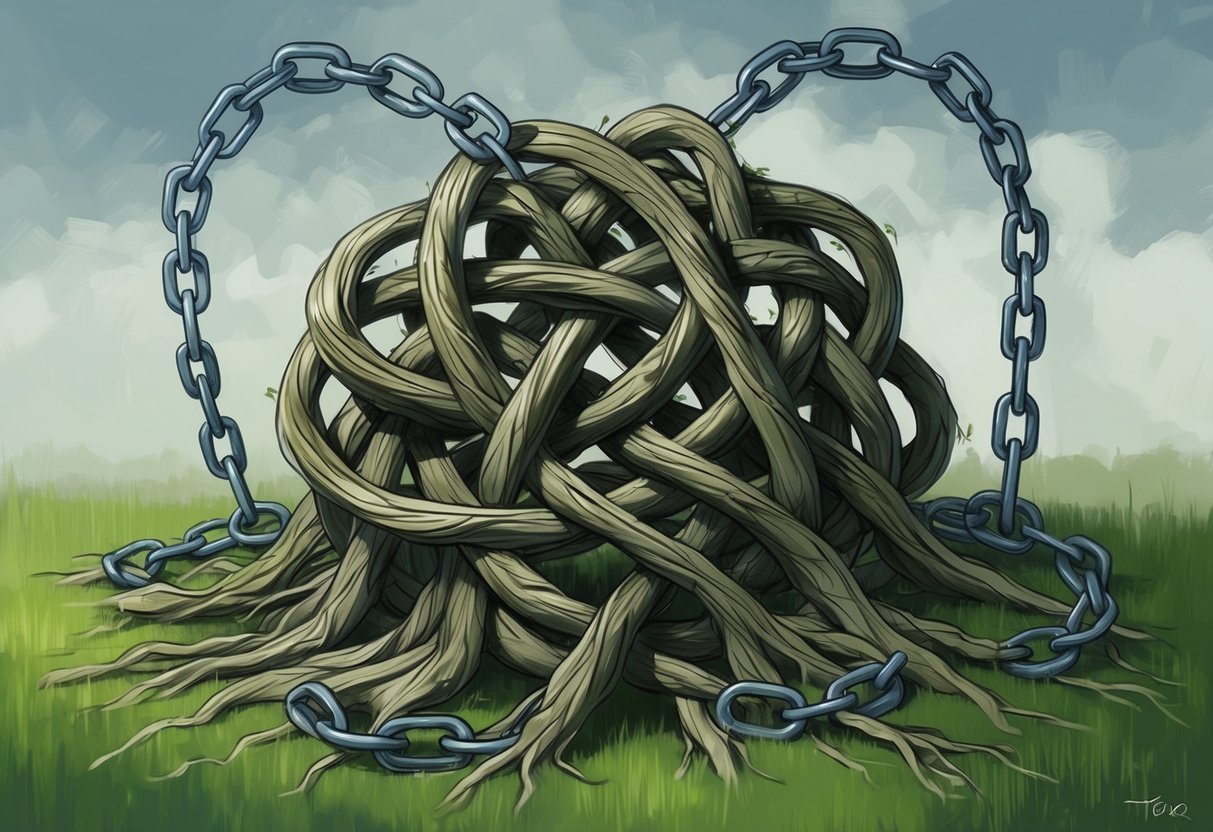
Financial stress isn’t just a personal issue; it’s shaping wider societal trends. Increasing income inequality and mental health issues are deeply intertwined, and long-term research highlights the ongoing impact of financial worries.
Income Inequality and Mental Health Disparities
Income inequality is more than just a gap in earnings; it creates a gap in mental wellness. As income levels vary dramatically, those on the lower end often experience higher levels of anxiety and depression.
This isn’t just speculation. It’s supported by studies that show a direct link between low income and increased psychological distress.
People facing financial challenges frequently struggle with mental health issues because they lack access to mental health services or stress-reducing activities.
The effects ripple through families, leading to wider societal issues. Poorer mental health in lower-income communities can affect productivity and societal participation. This pattern further entrenches economic divides, making it harder for individuals to break free from financial and psychological stress cycles.
Observational Studies and Longitudinal Research on Stress Effects
Researchers have extensively used observational studies to understand the link between financial stress and long-term health.
Longitudinal research tracks individuals over time, providing valuable insights into how financial stress affects long-term health outcomes.
These studies reveal that chronic financial stress impacts physical and mental health significantly.
Using quantitative data, researchers found that financial worries early in life predict health issues later.
High levels of stress are linked to serious conditions like heart disease and chronic anxiety.
By studying these patterns, we can see the intricate ways financial stress weaves into daily life, affecting not just individuals but entire communities.