
Many people spend years working diligently, dreaming of a comfortable retirement while also hoping to leave a meaningful legacy. It’s not just about having enough saved; it’s about making that money work for you and your loved ones in the long run. Can planned giving be the answer you’ve been looking for?  I’ve explored various financial strategies to ensure a lasting impact, and planned giving stands out. This approach not only benefits those we wish to support but also builds a stable financial future for ourselves. Imagine a strategy that aligns with personal values and fosters generational wealth. In what ways can planned giving contribute to long-term philanthropy?
1) Bequest in a Will
 Have you ever considered the legacy you want to leave behind? A bequest in a will is a powerful way to ensure your values live on. By including a charity as a beneficiary, you can make a significant impact without affecting your lifetime finances. It’s a straightforward process. You specify in your will a certain amount or percentage of your estate that will go to the chosen organization. This approach allows you to look after your loved ones, while also supporting causes close to your heart. Why is this option so beneficial? It provides flexibility. You can adjust the specifics as your circumstances or wishes change. It’s a customizable means to make a lasting difference well beyond your own time. Plus, bequests in wills can offer tax benefits to your estate, potentially reducing the tax burden on your heirs. This can bring peace of mind, knowing you’re taking care of your family in more ways than one. Isn’t it empowering to know that your hard-earned assets can continue to make a difference? Rather than just focusing on immediate needs, you’re preparing for a future impact. By planning ahead, you align your financial goals with your personal values, leaving a legacy of philanthropy. Thinking about the bigger picture can be daunting. Yet, by strategically planning your will, you transform uncertainty into action, creating a meaningful future for both your family and favorite charities. Curious how this might work for you? It’s worth exploring the possibilities.
2) Charitable Remainder Trust
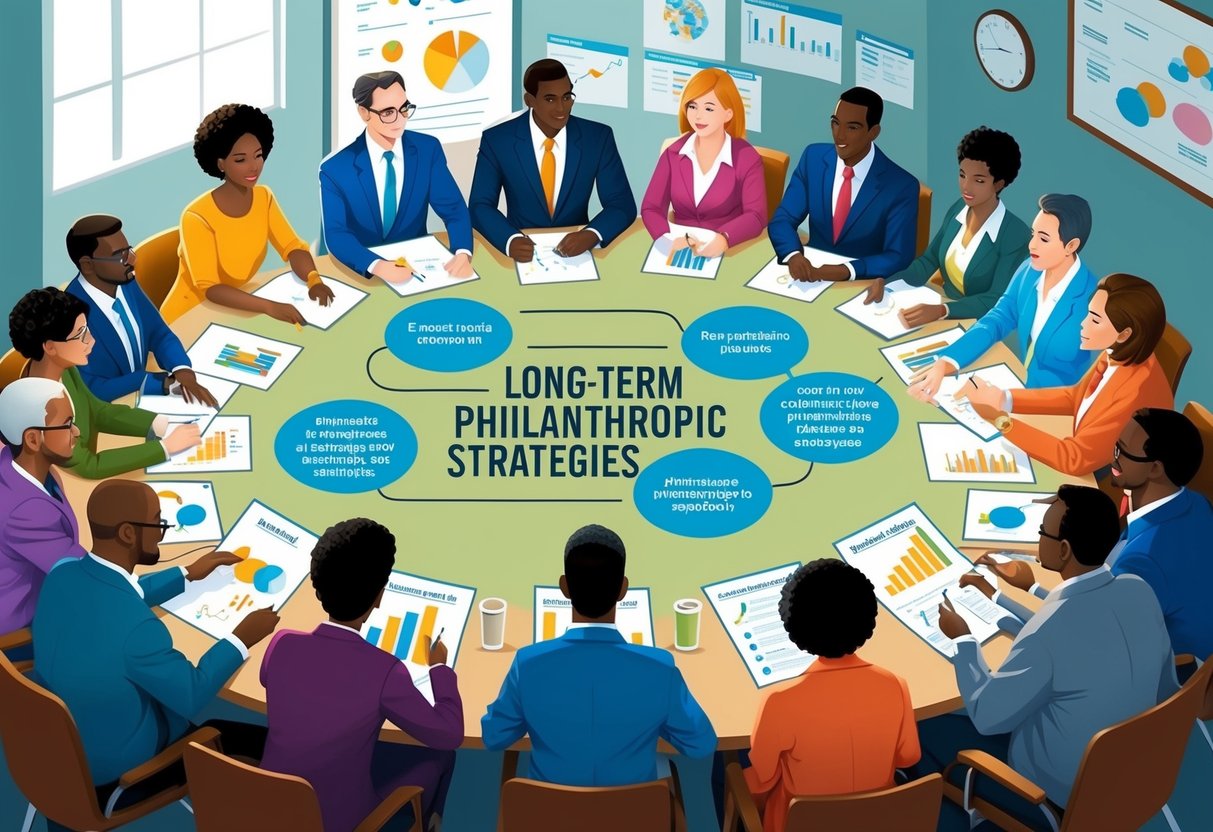 Have you ever wondered about a way to support the causes you care about while also benefitting yourself? A Charitable Remainder Trust (CRT) might be the answer. It lets me convert highly appreciated assets into a steady income stream while also gifting to a charity. Sounds like a win-win, right? By setting up a CRT, I can avoid immediate capital gains taxes on the sale of appreciated assets. This means more money stays working for me and my beneficiaries. Plus, I receive an income tax deduction based on the present value of the gift given to charity. This creates potential for immediate tax benefits. A CRT typically pays out a percentage of its value to me or other designated beneficiaries for a specific period. The trust can either pay a fixed percentage, called a charitable remainder unitrust, or a fixed payment, known as a charitable remainder annuity trust. The beauty of CRTs lies in their flexibility. They allow me to plan for my financial future while still supporting the charitable efforts I believe in. This can be particularly important for anyone with significant assets looking to ensure a lasting legacy. CRTs offer not only a chance to financially benefit during my lifetime but also to make a significant contribution to organizations that matter to me. Harvard Law School notes that the payout percentage can be as high as 6.5%, making CRTs a versatile tool in my financial toolbox. Isn’t it time we rethink how we approach giving and think about new strategies that can support our financial goals? Consider a Charitable Remainder Trust if you want to blend personal financial planning with philanthropy.
3) Donor-Advised Fund
 Have you ever wished for a flexible way to give to your favorite causes while also managing your charitable investments? A donor-advised fund (DAF) might be what you’re looking for. With a DAF, I have the opportunity to contribute assets like cash, stocks, or real estate and receive an immediate tax deduction. This giving vehicle allows me to advise how the funds are granted to charities over time. Why is this powerful? Because it lets me support causes I’m passionate about while potentially growing my donation through investment. It’s like having a personalized charitable savings account. Many of us want to make a difference, but we’re also thinking about our financial future. With a DAF, I can align my philanthropic goals with my financial plans. This means I can contribute when it makes the most sense for my tax situation, yet recommend grants to charities on my own timetable. The control and flexibility that come with managing a DAF can make philanthropy feel both impactful and strategic. I appreciate being able to continually support various non-profits rather than just making a one-time contribution. Imagine the potential for leaving a legacy! How does this fit into the bigger picture of planned giving? It’s all about building sustainable support. For someone looking to create long-lasting philanthropic impact, a donor-advised fund offers a straightforward path to thoughtful and sustained giving.
4) Endowed Scholarship Funds
 Have you ever thought about leaving a legacy that supports education for years to come? Endowed scholarship funds make that possible. They create a financial foundation that helps students pursue their dreams without the burden of debt. When I set up an endowed scholarship, I ensure that the principal amount remains intact. Only the interest or investment income gets used. This way, the scholarship can continue to support students year after year. What drives me is knowing that my contribution doesn’t just help one student, but many—over generations. Endowments like these create a ripple effect in the community, strengthening the future workforce and leaders. Schools often work with donors to match interests and academic focus areas. This personal connection lets me feel actively involved, knowing that my funds align with specific educational goals. Managing these funds requires expertise. Most institutions ensure they invest wisely to make the most of each donation. This is why professionally managed and invested endowments grow over time, increasing the scholarship’s impact. I’ve seen how donors can influence fields they’re passionate about. Interested in arts, science, or technology? Your fund can focus on these areas, supporting students who are equally passionate. Imagine the joy of meeting a student who benefited from your scholarship. Hearing their stories and achievements instills a sense of fulfillment and purpose, reaffirming the worth of your contribution in a very tangible way. Setting up an endowed scholarship isn’t just about money; it’s about values. It’s about investing in the future, creating opportunities where they didn’t exist before, and making a meaningful difference in someone’s life.
5) Charitable Gift Annuity
 Are you tired of the usual investment chatter and looking for a way to put your hard-earned money to work with purpose? A charitable gift annuity could be the solution. Why not benefit yourself and your favorite charity simultaneously? A charitable gift annuity is a simple idea. You make a sizable donation to a charity—this could be through cash, stocks, or other assets. In return, you get a steady income stream for life. It’s not just about feeling good. The tax incentives can be significant. You receive an immediate tax deduction for part of your donation. Plus, a portion of your income may be tax-free. Many charities offer this opportunity. They’re eager to form an agreement that benefits both you and them. You’ll also need to consider how it fits into your wider financial plans. In my experience, it pays to seek advice. A trusted financial advisor can help you navigate the process. They can explain how the annuity aligns with your goals of retiring comfortably and contributing to causes you care about. Doesn’t it feel great to know your money is working both for you and a cause bigger than yourself? Why not explore how a charitable gift annuity fits into your financial future today? Make your investments work towards something you truly care about.
6) Pooled Income Fund
 Ever heard about the potential of pooled income funds to fuel your philanthropic journey? Let me explain. Imagine a fund that acts like a mutual fund but is geared toward charity. You contribute to this pool, and based on your share, you receive a portion of the income it generates. Intrigued? You should be. Participating in a pooled income fund means you transfer cash or securities into a fund managed by a nonprofit. The magic happens as these funds are invested collectively, typically in a mix of assets, providing income flow. You get paid annually, and these payments are proportional to your contribution. Sounds like a win-win, doesn’t it? Now, as someone who’s worked hard, maybe you’re wondering about the tax implications. Well, the income you receive is generally taxed as ordinary income, just like any investment returns. Even with the tax consideration, you benefit from a charitable deduction at the time of the contribution, which may lighten your tax burden a bit. The flexibility of the pooled income fund allows you to name beneficiaries. You can secure lifetime income for yourself and potentially your spouse. It’s also a way to leave a lasting legacy with a favorite charity. These funds often have a minimum initial contribution, like this example where the suggested amount is $10,000. Doesn’t it sound like a creative way to mix charity with investment income? It’s another tool in your financial toolkit, offering a different approach to managing your wealth while supporting causes you care about.
7) Retirement Plan Beneficiary Designation
 Have you ever wondered how you can make the most impact with your retirement savings? Designating a charity as a beneficiary of your retirement plan can be a game-changer. It’s a way to give back, while managing taxes efficiently. When I think about my own retirement plans, I consider the tax implications. A beneficiary designation allows contributions, like those from an IRA or 401(k), to go directly to a charity without the burden of income tax. Organizations such as the American Heart Association can receive the full amount, as they are tax-exempt. Many people don’t realize how simple these designations are. It doesn’t require changing your day-to-day finances. I just fill out a form with my retirement plan provider. This ease and flexibility make beneficiary designations an attractive option. Moreover, this type of giving can help preserve cash flow and support a cause you care about long after you’re gone. It’s a legacy that continues without affecting your current financial security. Trust me, knowing that your funds will support a deserving organization is truly rewarding. Don’t overlook the power of your retirement assets. By planning ahead and choosing the right beneficiaries, you can ensure that your hard-earned money makes a lasting difference. So why wait? Consider reviewing your beneficiary designations today and explore how they can align with your philanthropic goals.
8) Life Insurance Beneficiary Designation
 Have you ever thought about how you can make a lasting impact without dipping into your bank account right now? Life insurance beneficiary designation might be the tool you’ve been looking for. It’s about using your life insurance policy to benefit others in the future—a simple yet powerful way to contribute to long-term philanthropy. By naming a charity as a beneficiary on your life insurance policy, you can ensure that your legacy continues even after you’re gone. This approach turns a portion of what you’ve earned into a lasting gift. It’s like planting a tree whose shade you may never sit under, but others will. There’s no immediate cash outlay needed, making it an attractive option for those who want to plan ahead without financial strain. As your life insurance grows over time, so does the potential impact of your charitable intentions. It’s a strategic move for forward-thinking donors. Designating a charity doesn’t mean you have to exclude your loved ones. You can split the policy among multiple beneficiaries, including family members and charitable organizations. This way, you balance personal and philanthropic goals, ensuring everyone benefits from your foresight. Life insurance beneficiary designations can offer tax advantages too. In many cases, the portion left to charity reduces the taxable part of your estate. It’s like efficiency in motion—you’re looking at your assets and planning for them to make the biggest difference possible. Isn’t it empowering to know that with a few decisions, you can transform your insurance policy into a gift that keeps on giving? This not only gives you peace of mind today but also aligns with broader philanthropic goals for the future. Transform potential into action with life insurance beneficiary designation.
9) Designated Fund at a Community Foundation
 Have you ever thought about using a designated fund at a community foundation to support a specific cause? These funds are a fantastic way to leave a lasting impact. They provide a steady stream of support to a charity of your choice, ensuring it can thrive for years. A designated fund allows you to target your giving. When I think about the importance of aligning my values with my financial legacy, these options stand out. They offer a chance to support organizations that matter to me, giving them the resources they need. Setting up a fund might feel daunting, but community foundations make it easy. They handle the paperwork, investment management, and distribution. This frees me to focus on the big picture—making a difference in the world without getting bogged down in details. What if you could ensure your favorite nonprofit receives help even when you’re not around? That’s the power of these funds. They provide stability for organizations, helping them plan ahead with confidence. With these funds, I get peace of mind knowing the causes I care about can count on my support. Consider the variety of ways in which you can create a positive, lasting impact. Wouldn’t you like to make sure your efforts continue to make a difference long after you’re gone?
10) Charitable Lead Trust
 Have you ever considered how to make a meaningful impact while also securing your family’s future? A Charitable Lead Trust (CLT) might offer a compelling solution. This approach can benefit both the charities you care about and your family. In a CLT, I transfer assets to an irrevocable trust that’s designed to provide income to a charity for a set period. The chosen charity receives regular payouts from the trust, allowing me to support causes that matter to me. What happens once the trust’s term ends? The remaining assets go to my chosen beneficiaries. This setup can effectively reduce or even eliminate transfer taxes. Utilizing a CLT can be a strategic way to balance philanthropy with personal financial planning. I might use cash or property for the trust. Some even choose to contribute marketable securities with good growth potential. This can maximize the benefits for all parties involved. Choosing a Charitable Lead Trust allows me to support charities while ensuring my family is provided for in the long run. It’s a flexible and powerful tool that serves dual purposes. How do you decide which trust to set? The choice depends on my financial goals and the specific needs of my family and preferred charities.
The Strategic Importance of Planned Giving
 Planned giving plays a crucial role in supporting both donors and non-profits alike. It offers a way to establish long-term financial stability and strengthen donor relationships.
Building Enduring Financial Support
Planned giving is not just about charity; it’s a smart financial move. By integrating planned gifts into estate planning, one can ensure donations have a lasting impact. Think about how you can create a sustainable source of funding for your favorite causes. Planned giving allows non-profits to plan future projects with confidence, knowing there’s ongoing financial support. It involves bequests, trusts, and other estate gifts, which can significantly boost a non-profit’s financial health. This strategy allows non-profits to secure their future by relying on long-term financial commitments rather than one-time donations.
Encouraging Donor Commitment
Why should donors consider planned giving? It solidifies a commitment to their values. When donors make a planned gift, they’re not only giving a one-time donation but also investing in their legacy. This approach strengthens the bond between donors and non-profits, encouraging ongoing support. Planned giving offers options for everyone, regardless of financial background. It allows donors to contribute to causes they care about deeply, while also managing their financial affairs wisely. This long-term strategy often appeals to those who want assurance that their contributions will continue to make a difference, creating a meaningful, lasting relationship with the organizations they support.
Strengthening Organizational Sustainability
 Planned giving can significantly bolster an organization’s stability by offering a reliable financial foundation. It also helps foster a sense of continuity, making nonprofits resilient against economic fluctuations. Here’s how a planned giving strategy supports these goals.
Enhancing Long-Term Financial Security
How can an organization ensure its future? The answer often lies in building a strong financial base. Planned giving attracts donations that provide a steady income, helping nonprofits endure challenging times. Regular income from bequests or endowments contributes to a predictable revenue stream, enabling better strategic planning. By establishing endowments or other long-term planned gifts, organizations can gain financial strength. Think of it as building a safety net that not only prepares for unexpected costs but also supports growth and innovation. When donors commit to planned giving, they align their personal legacy with the values and future of the nonprofit. The strategic use of planned gifts can also allow nonprofits to explore new initiatives without financial worry. It effectively transforms donor relationships into long-lasting partnerships, ensuring the organization thrives in the long run.
Fostering Legacy and Future-Orientation
How do we inspire donors to connect with a cause that endures beyond their lifetime? Planned giving can be a powerful tool for creating a lasting impact. By encouraging donors to include nonprofit causes in their wills or estate plans, organizations can motivate them to think ahead and leave a legacy. This future-oriented mindset not only benefits the organization but also gives donors a meaningful way to contribute. Such gifts allow nonprofits to align with their supporters’ long-term visions and goals. Isn’t it inspiring to think that a donor’s commitment today can shape the community’s future? Moreover, fostering legacy through planned giving enhances credibility and inspires trust. When donors see their contributions making a difference, they form deeper connections with the organization. It’s a journey towards mutual growth, transforming the way we think about philanthropy.