Retirement and debt often seem like opposing forces. Many people believe they need to be completely debt-free before they can retire. But is this really true? I’ve seen countless individuals put off their retirement dreams, thinking they need a spotless financial record first.  The truth is, you don’t always have to wait until you’re debt-free to retire. It’s about finding the right balance between managing your debts and building your nest egg. Some debts, like high-interest credit cards, should be prioritized. But others, such as a low-interest mortgage, might not be as urgent. Retiring with some debt can be a smart move if you’ve planned well. It’s about understanding your financial situation, making informed decisions, and creating a strategy that works for you. Remember, time is a valuable asset in retirement planning. Waiting too long to retire while trying to eliminate all debt could mean missing out on years of enjoyment and opportunities.
Key Takeaways
- Retiring debt-free isn’t always necessary for a comfortable retirement
- Balancing debt repayment and retirement savings is key to financial success
- Strategic planning can help you manage debt effectively in retirement
Understanding the Basics of Retirement and Debt
Retirement and debt are two critical financial concepts that often intersect in our lives. Let's explore how they relate and impact our financial future.Defining Retirement and Financial Freedom
What does retirement really mean? Is it just stopping work, or is it something more? I believe retirement is about achieving financial freedom - having enough money to live comfortably without relying on a paycheck. Financial freedom isn’t just about having a big nest egg. It’s about creating income streams that cover your expenses. This could be through: • Investments • Rental properties • Passive businesses The key is to have money working for you, not you working for money. But what about debt? Can you truly be free if you owe money?
The Impact of Debt on Retirement Plans
Debt can be a major roadblock on the path to retirement. But not all debt is created equal. There’s good debt and bad debt. Good debt might include:
- A mortgage on a home that appreciates
- Student loans that increase earning potential
- Business loans that generate income
Bad debt often includes:
- Credit card balances
- Personal loans for depreciating assets
How does debt affect your retirement? It can reduce your monthly cash flow, limiting how much you can invest. But should you delay retirement savings to pay off debt? Not necessarily. I believe in a balanced approach. Pay down high-interest debt aggressively, but don’t neglect your retirement accounts. Remember, time is your greatest asset when it comes to compound interest.
Assessing Your Financial Health
Money talks, but do you know what it's saying about your retirement readiness? Let's dive into the [key elements](/essential-steps-for-retirement-planning/) that can make or break your financial future, even if you're still carrying some debt.Elements of a Solid Financial Plan
A rock-solid financial plan is your roadmap to retirement success. Have you ever wondered what separates the wealthy from the rest? It’s not just income - it’s how they manage it. Start with a budget that tracks every dollar. Where’s your money going? Is it working for you or against you? Next, tackle those debts. Not all debt is created equal. Credit card balances? They’re wealth killers. But student loans or a mortgage? They might be stepping stones to greater wealth if managed wisely. Don’t forget your credit score. It’s like your financial report card. A high score can save you thousands in interest over time. How’s yours looking?
The Role of Emergency Funds in Retirement
Think emergencies stop when you retire? Think again. An emergency fund isn’t just for your working years - it’s your financial shock absorber for life. How much should you save? Aim for 3-6 months of living expenses. But here’s a secret: in retirement, you might need even more. Why? Because you can’t just pick up extra shifts to cover unexpected costs. Your emergency fund does double duty. It’s not just for surprises - it can also be your buffer against market downturns. When stocks dip, you won’t be forced to sell at a loss to cover your expenses.
Calculating Net Worth and Debt-to-Income Ratio
Ever feel like you’re running in place financially? Let’s change that. Your net worth is your financial scorecard. It’s simple: assets minus liabilities. Are you building wealth or just accumulating stuff? Now, let’s talk debt-to-income ratio. This is crucial. It’s your monthly debt payments divided by your monthly income. What’s a good ratio? Aim for 36% or less. Why? Because lenders love it, and it means you’re not drowning in debt. But here’s the kicker: in retirement, your income might drop, but your debts might not. That’s why it’s smart to tackle high-interest debts now. But remember, not all debt is bad. Some debts, like a low-interest mortgage, might be okay to carry into retirement.
Strategies for Debt Management Before Retirement
 Getting control of your debt before retirement is crucial. I’ll share some effective methods to tackle debt, leverage your retirement accounts, and know when to seek professional help.
Debt Repayment Methods
The debt snowball method can be a powerful tool for paying off debts. I’ve seen it work wonders for many people. How does it work? You focus on paying off your smallest debt first while making minimum payments on larger debts. Once you’ve cleared that smallest debt, you roll that payment into the next smallest debt. This creates momentum and gives you quick wins to stay motivated. Another approach is the debt avalanche method. With this strategy, you target the debt with the highest interest rate first. It can save you more money in the long run, but may not provide the same psychological boost as the snowball method. Which method should you choose? It depends on your personality and financial situation. I recommend trying both and seeing which one keeps you more motivated.
Leveraging Retirement Accounts for Debt Repayment
Can you use your retirement accounts to pay off debt? It’s a tricky question. While I generally advise against tapping into your 401(k) or IRA early, there are some situations where it might make sense. If you have high-interest debt, like credit cards, the interest you’re paying could be eating away at your retirement savings potential. In this case, using some retirement funds to clear that debt might be worth considering. But be careful! Early withdrawals from retirement accounts often come with penalties and tax consequences. You’ll need to weigh these costs against the benefits of clearing your debt. A better option might be to redirect some of your current retirement contributions towards debt repayment temporarily. Just don’t forget to ramp up your savings again once the debt is gone!
When to Consider Professional Debt Advice
Sometimes, managing debt on your own can feel overwhelming. How do you know when it’s time to seek professional help? If you’re struggling to make minimum payments, constantly using credit to cover basic expenses, or feeling stressed about your finances, it might be time to talk to a financial coach. A professional can help you create a personalized debt repayment plan, negotiate with creditors, and provide strategies you might not have considered. They can also help you avoid common pitfalls and scams in the debt relief industry. Remember, seeking help isn’t a sign of failure. It’s a smart move that can set you up for a more secure retirement. Don’t wait until you’re in crisis mode to reach out for professional advice.
Investment and Savings Strategies
 Smart investing and saving can help you build wealth for retirement, even if you’re still paying off debt. Let’s explore some key strategies to grow your nest egg.
Maximizing Your Retirement Contributions
I always tell my clients to max out their retirement accounts. It’s like giving yourself a raise that your future self will thank you for. If you have a 401(k) at work, try to contribute the maximum amount. In 2024, that’s $23,000 if you’re under 50, and $30,500 if you’re 50 or older. Don’t forget about IRAs too. You can put in up to $7,000 per year ($8,000 if you’re 50+). These accounts offer tax benefits that can really boost your savings over time. Are you self-employed? Look into SEP IRAs or Solo 401(k)s. They let you save even more.
The Importance of Diverse Investments
Ever heard the saying “don’t put all your eggs in one basket”? That’s what diversification is all about. I recommend spreading your money across different types of investments:
- Stocks for growth potential
- Bonds for stability
- Real estate for passive income
- Index funds for broad market exposure
Don’t just stick to retirement accounts. Non-retirement investments can give you more flexibility and potential tax advantages. Consider certificates of deposit (CDs) or savings bonds for some of your safer money. They offer guaranteed returns, though usually lower than stocks.
Understanding Taxes and Retirement Savings
Taxes can take a big bite out of your retirement savings if you’re not careful. But with some smart planning, you can keep more of your hard-earned money. Traditional 401(k)s and IRAs offer tax deductions now, but you’ll pay taxes when you withdraw in retirement. Roth accounts work the opposite way – no deduction now, but tax-free withdrawals later. I often suggest using a mix of both. This gives you tax flexibility in retirement. You can choose which account to withdraw from based on your tax situation each year. Don’t forget about capital gains taxes on your non-retirement investments. Holding investments for over a year can qualify you for lower long-term capital gains rates.
Balancing Debt Repayment and Retirement Saving
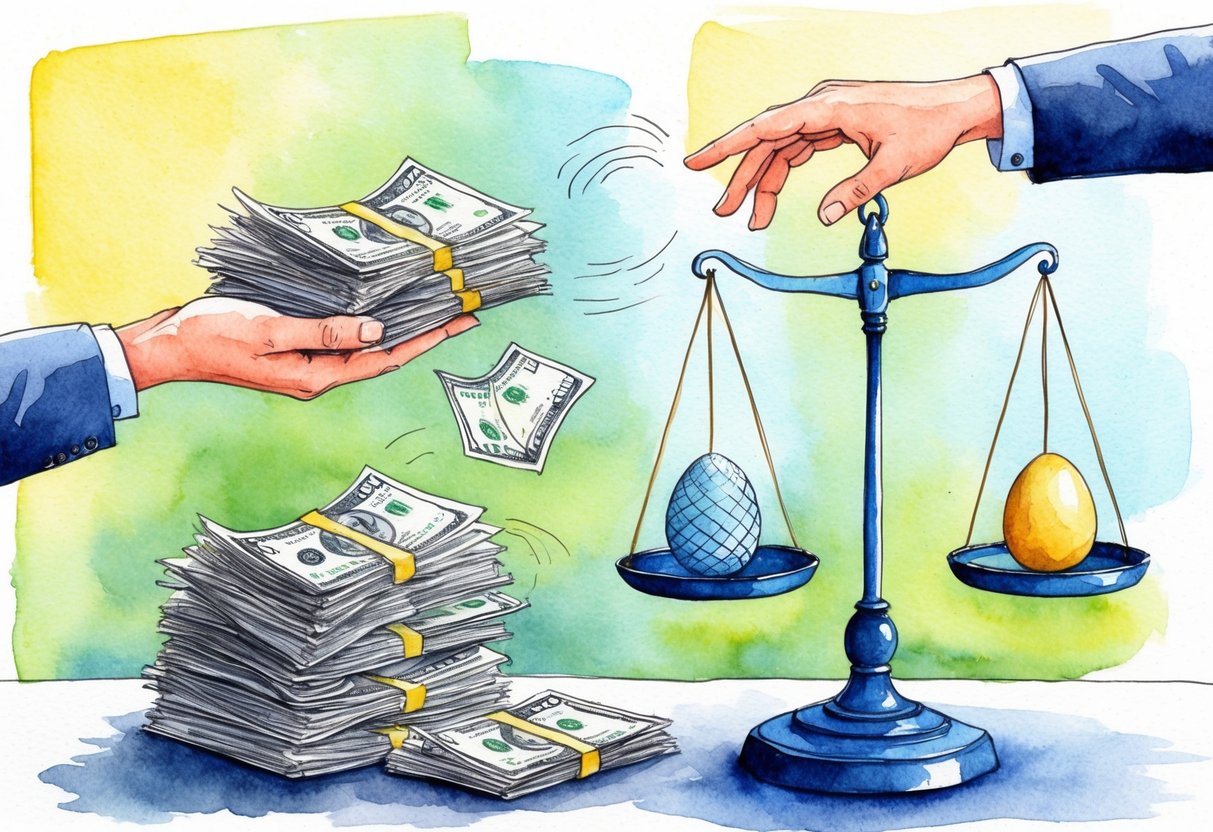 Paying off debt and saving for retirement don’t have to be mutually exclusive. The key is finding the right strategy that works for your unique financial situation.
Prioritizing High-Interest Debt Over Retirement Saving
When it comes to debt, not all balances are created equal. I always tell my clients to focus on high-interest debt first. Credit card balances with 20% APR or more can quickly spiral out of control. But here’s the catch - should you completely stop saving for retirement while tackling debt? Absolutely not! Instead, I recommend this approach:
- Make minimum payments on all debts
- Put extra money towards highest interest debt
- Contribute enough to your 401(k) to get full employer match
Why? That employer match is free money! It’s an instant 100% return on your investment. You won’t find that anywhere else.
Striking the Right Balance with a Customized Approach
Now, you might be wondering, “How do I figure out the right balance for me?” Great question! Start by looking at your full financial picture. What’s your income? Your expenses? Your debt balances and interest rates? Your retirement goals? Use an investment calculator to see how different scenarios might play out. You might be surprised at the power of compound interest over time. Remember, building wealth is a marathon, not a sprint. It’s okay to take a balanced approach. Pay off debt steadily while also growing your nest egg. Consider this strategy:
- 50% of extra funds towards debt
- 30% towards retirement
- 20% towards emergency savings
This way, you’re making progress on all fronts. You’re reducing debt, preparing for the future, and building a safety net for unexpected expenses.
Preparing for Retirement with Outstanding Debt
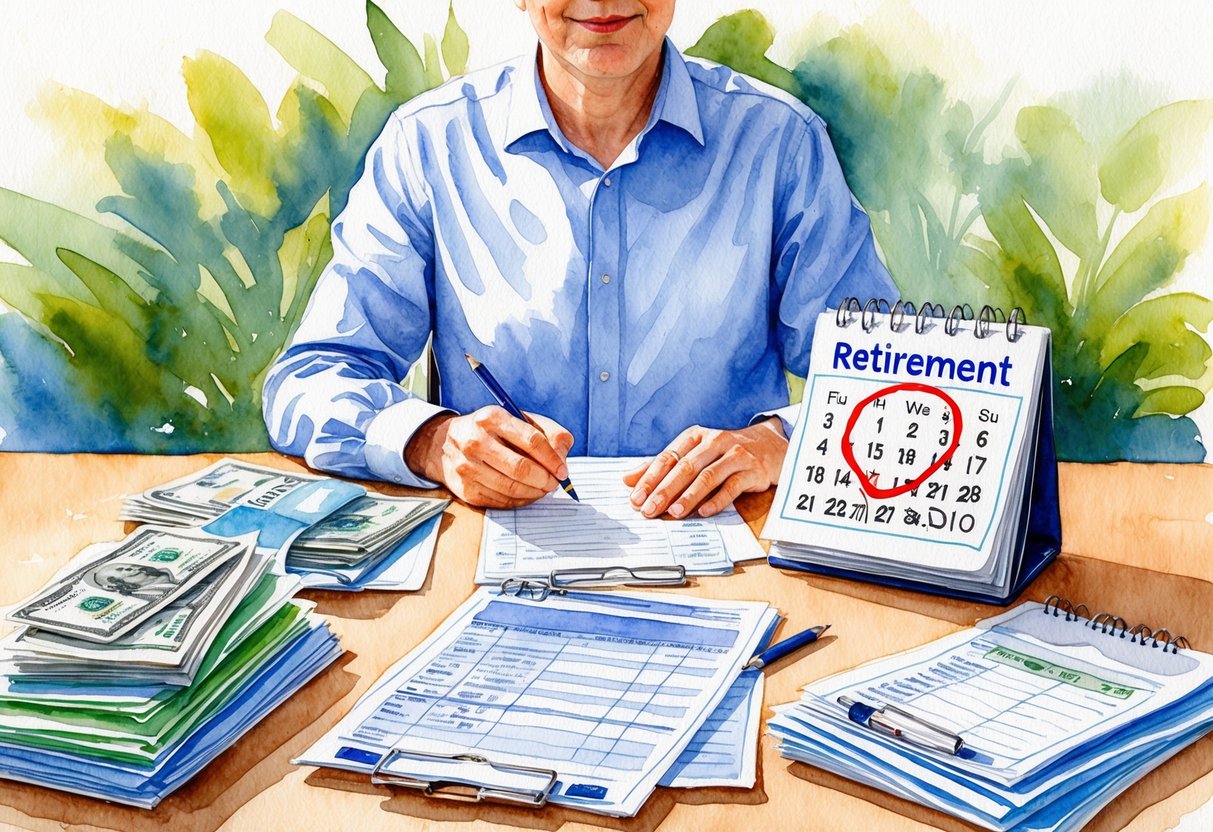 Many people believe they need to be debt-free before retiring. But I’ve found that’s not always necessary or realistic. Let’s explore how to approach retirement even if you’re still carrying some debt.
Adjusting Retirement Expectations
I’ve seen many soon-to-be retirees panic about their debt. But it’s crucial to stay calm and adjust your plans. Can you downsize your home to reduce your mortgage payment? Have you considered part-time work to supplement your income? It’s also worth looking at your retirement savings. Are you maximizing your contributions to retirement accounts? Could you delay retirement by a few years to boost your nest egg? Remember, retirement doesn’t have to mean stopping work completely. Many of my clients find fulfillment in consulting or freelancing, which can help manage debt without draining their savings.
Managing Debt During Retirement
Once you’re retired, managing debt becomes a balancing act. I always advise my clients to prioritize high-interest debt first. Credit card balances can quickly eat into your retirement fund if left unchecked. For mortgage debt, consider these options:
- Refinancing to a lower rate
- Making extra payments when possible
- Exploring reverse mortgages (but be cautious!)
Be wary of using retirement accounts for debt repayment. Early withdrawals can trigger penalties and reduce your long-term financial security. Instead, focus on budgeting and reducing unnecessary spending. Have you thought about negotiating with creditors? Many are willing to work with seniors on fixed incomes. Don’t be afraid to ask for lower interest rates or modified payment plans.
Life After Retirement Without Debt
 Being debt-free in retirement opens up a world of possibilities. It allows for greater financial flexibility and peace of mind. Let’s explore the mental benefits and exciting options available to those who’ve shed their debt burdens.
The Psychological Benefits of Being Debt-Free
Freedom from debt in retirement is like a weight lifted off your shoulders. I’ve seen countless people experience a newfound sense of calm and contentment. Without monthly payments looming, retirees can truly relax and enjoy their golden years. Stress levels plummet when you’re not worried about making ends meet. This improved mental state often leads to better physical health too. Isn’t that what we all want in retirement? Financial peace brings confidence. You can make decisions based on desires rather than obligations. Want to help a grandchild with college tuition? Or perhaps treat yourself to a special purchase? The choice is yours.
Options for Enjoying Retirement to the Fullest
A debt-free retirement unlocks countless opportunities for enjoyment and personal growth. Here are some ways to make the most of this freedom:
- Travel: Take those dream vacations you’ve always wanted
- Hobbies: Invest time and resources into passions you’ve put off
- Giving back: Volunteer or donate to causes close to your heart
- Learning: Enroll in classes or workshops to keep your mind sharp
Without debt payments, your retirement savings can go further. You might consider part-time work or starting a small business for extra income and fulfillment. Remember, retirement isn’t just about money. It’s about living life on your terms. Have you thought about what truly matters to you? Now’s the time to focus on those priorities.