
Are you ready to take control of your retirement future? If you’re over 40 and haven’t started planning, don’t panic. A 10-year retirement plan can help you catch up and secure your financial freedom.  I’ve seen too many people reach their 50s and 60s without a solid retirement strategy. They end up stressed and scrambling at the last minute. But it doesn’t have to be that way. With a focused 10-year plan, you can build a comfortable nest egg and set yourself up for the retirement you deserve. In this article, I’ll walk you through the key steps to create your own 10-year retirement roadmap. We’ll look at setting clear goals, maximizing your savings, smart investing strategies, and more. Are you ready to take charge of your financial future?
Key Takeaways
- A focused 10-year plan can help you build a substantial retirement nest egg
- Maximizing savings and optimizing investments are crucial for catching up
- Careful budgeting and debt management set the foundation for a secure retirement
Understanding Retirement Goals and Timeframe
Retirement planning is a journey that starts with knowing where you want to go. I've found that setting clear goals and understanding your timeframe are crucial steps in creating a solid 10-year retirement plan.Setting Clear Retirement Goals
What does your ideal retirement look like? It’s essential to define your retirement goals early on. Do you want to travel the world or stay close to family? Maybe you’re dreaming of starting a small business? I recommend making a list of your top 3-5 retirement goals. These might include:
- Desired retirement age
- Monthly income needed
- Location preferences
- Healthcare considerations
- Legacy plans for family
Remember, your goals may change over time. That’s okay! The key is to have a clear direction to guide your planning process.
Assessing Your Timeframe and Retirement Lifestyle
With 10 years to go, you have time to make impactful changes. But how do you want to spend those years? Will you work part-time or dive into new hobbies? I suggest creating a retirement budget now. This helps you estimate your future expenses and income needs. Consider factors like:
- Housing costs
- Healthcare expenses
- Travel and entertainment
- Inflation effects
Don’t forget to factor in potential lifestyle changes. Maybe you’ll downsize your home or relocate to a cheaper area. These decisions can significantly impact your retirement needs and goals.
Creating Your Retirement Budget
Planning for retirement requires a clear understanding of your future financial needs. A well-crafted budget is the foundation for a secure retirement. Let's explore how to calculate expenses and account for inflation in your retirement planning.Calculating Expected Expenses
To create a solid retirement budget, I recommend starting with your current expenses. List out everything you spend money on now. Don’t forget yearly costs like property taxes or car insurance. Now, think about how these might change in retirement. Will your mortgage be paid off? Maybe you’ll travel more? Healthcare costs often go up as we age. Add up these periodic expenses and divide by 12 to get a monthly figure. I always tell my clients to be realistic. It’s better to overestimate than come up short. Remember, retirement isn’t about pinching pennies - it’s about living comfortably.
Incorporating Inflation into Your Planning
Inflation is the silent budget killer. It’s easy to forget, but prices tend to rise over time. That $100 grocery bill today might be $150 in 10 years. When I plan for retirement, I always factor in at least a 2-3% annual inflation rate. This means your retirement savings need to grow to maintain buying power. Consider moving some money to high-interest savings or investments that outpace inflation. It’s not just about saving - it’s about growing your wealth to beat rising costs. Have you thought about how inflation might affect your specific expenses? Healthcare, for instance, often increases faster than general inflation. Plan accordingly.
Maximizing Retirement Savings
 Are you ready to supercharge your retirement nest egg? Let’s explore powerful strategies to boost your savings and secure a comfortable future.
Utilizing Retirement Accounts
I can’t stress enough how crucial it is to make the most of your retirement accounts. Have you maxed out your 401(k) contributions? If not, now’s the time to start. For 2024, you can contribute up to $23,000 to your 401(k). Don’t leave free money on the table - make sure you’re getting your full employer match. But why stop there? Consider opening an Individual Retirement Account (IRA) too. You’ve got two main options: traditional or Roth. With a traditional IRA, you get a tax break now, while a Roth IRA offers tax-free withdrawals in retirement. Which one’s right for you? It depends on your current tax situation and future expectations.
Making the Most of Catch-Up Contributions
Did you know that being over 40 gives you a secret weapon in the retirement savings game? It’s called catch-up contributions. Once you hit 50, you can contribute an extra $7,500 to your 401(k) in 2024, pushing your total limit to $30,500. But that’s not all. IRAs also allow catch-up contributions. You can add an extra $1,000 to your IRA contribution limit once you’re 50 or older. That’s $7,500 in total for 2024. Are you taking full advantage of these opportunities? If not, you’re missing out on turbocharging your retirement savings. Remember, every dollar counts. Even small increases in your contributions can make a big difference over time. Why not challenge yourself to bump up your savings rate by just 1% this year?
Optimizing Investment Strategies
 When it comes to retirement planning, smart investing can make a huge difference. Let’s look at how to fine-tune your investment approach for maximum impact in the years leading up to retirement.
Determining Risk Tolerance and Capacity
I’ve seen many people struggle with this concept. Risk tolerance is about your comfort level with market ups and downs. Can you sleep at night if your investments drop 20%? That’s risk tolerance. Risk capacity is different. It’s about how much risk you can afford to take. If you’re 55 with a solid pension, you might have more capacity for risk than someone relying solely on their investments. Here’s a quick way to think about it:
- Low risk tolerance: Bonds, CDs, stable value funds
- Medium risk tolerance: Balanced funds, blue-chip stocks
- High risk tolerance: Growth stocks, real estate investment trusts
Remember, your risk profile can change. It’s not set in stone.
Allocating Assets in Your Portfolio
Asset allocation is key. It’s not just about picking good investments; it’s about the right mix. A common rule of thumb: Subtract your age from 110. That’s the percentage you might consider putting in stocks. At 45, that’s 65% in stocks, 35% in bonds. But rules of thumb are just starting points. Consider this allocation for a 45-year-old with moderate risk tolerance:
- 65% Stocks (40% US, 25% International)
- 25% Bonds
- 10% Alternative Investments (Real Estate, Commodities)
Diversification within each category is crucial. Don’t put all your eggs in one basket. Spread your investments across different sectors and company sizes.
Revising Investment Strategy with a Financial Advisor
A good financial advisor can be worth their weight in gold. They bring expertise and an outside perspective to your planning. What should you look for? I recommend finding a fee-only fiduciary advisor. They’re legally bound to put your interests first. An advisor can help you:
- Refine your asset allocation
- Identify tax-efficient investment strategies
- Plan for required minimum distributions
Don’t be afraid to ask tough questions. How are they compensated? What’s their investment philosophy? A good advisor welcomes these questions. Remember, it’s your money and your future. Stay involved in the process, even with professional help.
Analyzing Income Sources and Benefits
 Planning for retirement means understanding where your money will come from. Let’s look at the key income streams that can fund your golden years.
Calculating Social Security Benefits
Social Security is a crucial part of most retirement plans. How much can you expect? It depends on your work history and when you start taking benefits. I recommend checking your Social Security statement regularly. This shows your estimated monthly payment. The longer you wait to claim, the higher your benefit. Waiting until 70 can boost your check by 32% compared to starting at 62. But is waiting right for you? Consider your health, savings, and other income sources. Don’t forget - Social Security is taxable if your total income is high enough. Plan for this to avoid surprises.
Considering Pensions and Part-Time Work
Do you have a pension? Lucky you! Pensions are becoming rare, but they’re a reliable income stream in retirement. Check with your employer to understand your options. Some offer lump sums instead of monthly payments. What about working part-time? It can ease the transition to retirement and boost your income. Plus, it keeps you active and engaged. Consider consulting in your field or trying something new. Remember, extra income affects your taxes and could reduce your Social Security benefits if you claim early. But the trade-off might be worth it for a more secure retirement.
Managing Debt Before Retirement
 Getting rid of debt is crucial for a comfortable retirement. I’ll show you how to tackle credit card balances and implement strategies to become debt-free. These steps will put you on the path to financial freedom in your golden years.
Eliminating Credit Card Debt
Credit card debt can be a major roadblock to retirement savings. Have you ever wondered how much faster you could build your nest egg without those high interest payments? Here’s what I recommend:
- Stop using credit cards immediately
- List all debts, prioritizing highest interest rates
- Pay more than the minimum on priority debts
- Consider balance transfer offers to lower interest
- Negotiate with creditors for lower rates
Creating a debt repayment plan is key. I always say, “You can’t get out of a hole by digging deeper.” Cut expenses ruthlessly and redirect that money to debt payments.
Strategies to Get Out of Debt
Now, let’s talk about powerful tactics to crush your debt. Are you ready to take control of your financial future? Here’s how:
- Use the debt avalanche method: Pay off highest interest debts first
- Try the debt snowball: Tackle smallest balances for quick wins
- Increase your income: Side hustles can accelerate debt payoff
- Consolidate debts: A personal loan might lower overall interest
- Consider a home equity line of credit for lower rates
Remember, getting out of debt isn’t just about money—it’s about freedom. I’ve seen countless people transform their lives by shedding debt. It takes discipline, but the peace of mind is priceless. Start today, and you’ll thank yourself in retirement.
Planning for Healthcare in Retirement
 Healthcare costs can sneak up on you in retirement. Have you thought about how you’ll cover these expenses? Let’s explore some key strategies to protect your financial future.
Understanding Medicare and Long-Term Care Needs
Medicare is a great start, but it’s not a complete solution. Did you know Medicare doesn’t cover most long-term care? That’s right - you’re on your own for things like nursing homes or in-home care. I always tell my clients to plan for the unexpected. Medicare Part A covers hospital stays, but there’s a $1,600 deductible per admission in 2023. Part B handles doctor visits with a monthly premium of $164.90. But here’s the kicker - there are gaps in coverage you need to fill. Prescription drugs, dental care, and vision aren’t fully covered. That’s why I recommend setting aside extra cash or considering supplemental insurance.
Evaluating Long-Term Care Insurance Options
Long-term care insurance is like a safety net for your retirement. It can cover costs that Medicare won’t touch. But is it worth it? That depends on your situation. I’ve seen premiums rise sharply over the years. Some of my clients have been priced out of their policies. That’s why it’s crucial to lock in rates when you’re younger and healthier. Here’s a tip: look for a policy with inflation protection. Healthcare costs tend to rise faster than general inflation. Without this feature, your coverage might not keep pace with real costs. Consider hybrid policies that combine life insurance with long-term care benefits. If you don’t use the long-term care portion, your heirs still get a death benefit. It’s a way to hedge your bets.
Lifestyle and Location Considerations
 Planning for retirement isn’t just about money. Where and how you’ll live are crucial factors that can make or break your golden years. Let’s explore some key options that could transform your retirement experience.
Advantages of Downsizing
Downsizing can be a game-changer for your retirement plan. I’ve seen many clients free up significant cash by selling their large family homes. This money can boost your retirement savings or fund exciting new adventures. But it’s not just about the money. A smaller home means less maintenance and lower utility bills. You’ll have more time and energy to focus on what really matters in retirement. Think about it: Do you need all that space now that the kids have moved out? A cozier home could lead to a cozier life. Plus, it’s an opportunity to declutter and simplify your life. Less stuff often means less stress.
Relocating to Reduce Living Costs
Have you ever dreamed of living somewhere new? Relocating in retirement can be both exciting and financially savvy. I often recommend considering areas with a lower cost of living. Moving to a new location can dramatically stretch your retirement dollars. Think about states with no income tax or cities where housing is more affordable. Your money could go much further, allowing for a higher quality of life on the same budget. But it’s not just about pinching pennies. The right location can offer better weather, improved healthcare, or a more active lifestyle. Consider what’s important to you. Do you want to be near the beach? In a bustling city? Or perhaps in a quiet mountain town?
Final Preparations for Retirement
 As you approach retirement, it’s crucial to fine-tune your financial strategy and ensure your legacy is protected. Let’s explore two key areas that will set you up for a secure and comfortable retirement.
Implementing the 4% Rule
The 4% rule is a helpful guideline for managing your retirement nest egg. Here’s how it works:
- Calculate 4% of your total retirement savings
- Withdraw that amount in your first year of retirement
- Adjust for inflation in subsequent years
For example, if I have $1 million saved, I’d withdraw $40,000 in year one. This approach can help make your money last for 30 years or more. But is the 4% rule foolproof? Not always. I recommend:
- Adjusting withdrawals based on market performance
- Considering your unique expenses and lifestyle
- Reviewing and updating your plan annually
Developing a Comprehensive Estate Plan
An estate plan isn’t just for the wealthy. It’s about protecting what you’ve worked hard for and ensuring your wishes are carried out. Here’s what I include in my estate plan:
- Will or trust
- Power of attorney
- Healthcare directive
- Beneficiary designations
Have you considered the tax implications of your estate? A well-crafted plan can help minimize taxes and maximize what you leave to your loved ones. Don’t forget to review and update your plan regularly. Life changes, and so should your estate plan.
Options to Boost Retirement Readiness
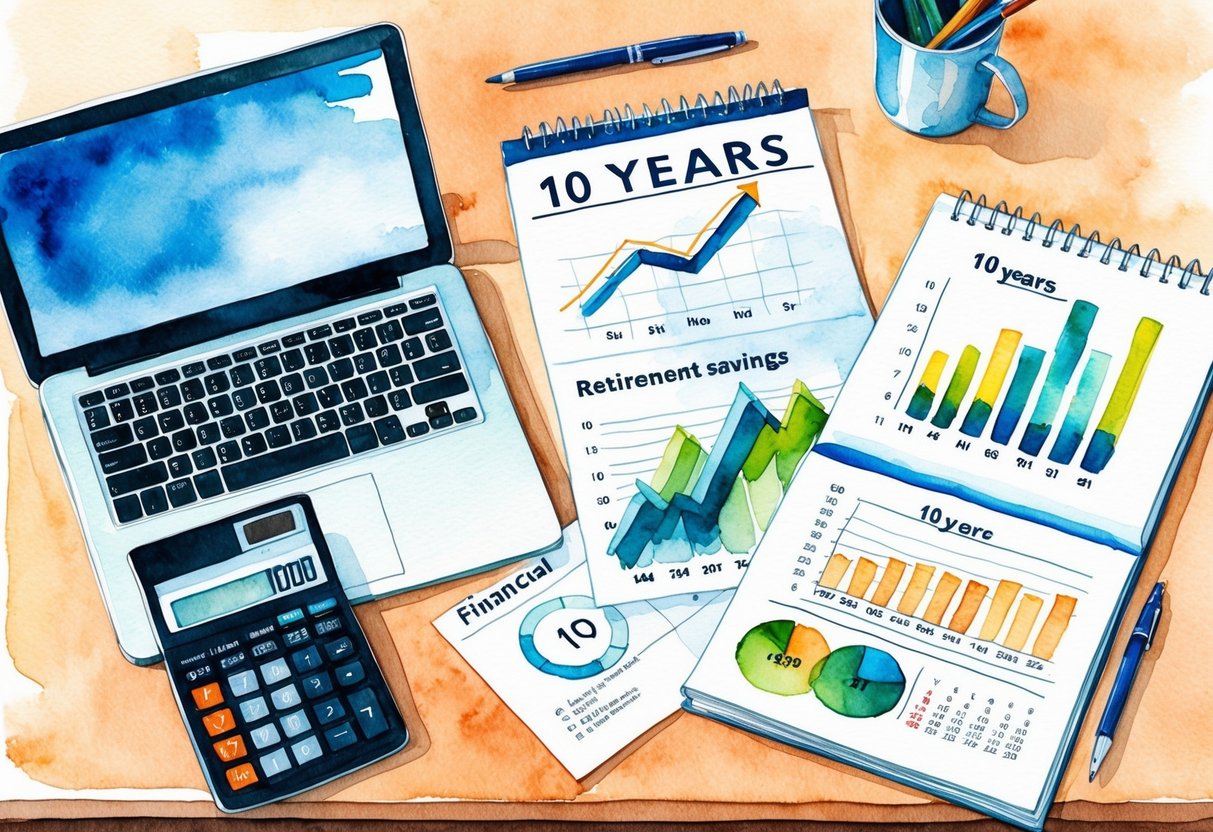 Feeling stuck with your retirement plans? Don’t worry! There are powerful strategies you can use to supercharge your nest egg, even if you’re starting late. Let’s explore some game-changing options that could transform your financial future.
The Benefits of Working Longer
Have you ever considered that working a few extra years could be your secret weapon for retirement success? It’s true! By staying in the workforce longer, you can:
- Boost your Social Security benefits
- Add more to your retirement accounts
- Delay tapping into your savings
I’ve seen countless people transform their retirement outlook just by working an extra 2-3 years. Plus, you’ll keep your mind sharp and maintain social connections. It’s a win-win! But what if you’re not thrilled about staying in your current job? Get creative! Consider part-time work, consulting, or turning a hobby into a side business. The key is to keep some income flowing while your nest egg grows.
Exploring Alternative Retirement Funds and Investments
Are you tired of the same old investment advice? It’s time to think outside the box! Your retirement portfolio doesn’t have to be boring. Here are some exciting options to consider:
- Real estate investment trusts (REITs)
- Peer-to-peer lending platforms
- Dividend-paying stocks
- Self-directed IRAs
I’m a big fan of diversifying beyond traditional mutual funds. Why not explore alternative retirement funds that align with your interests and risk tolerance? Remember, the goal is to create multiple income streams for your golden years. Don’t put all your eggs in one basket. By mixing traditional and alternative investments, you’ll build a more resilient retirement portfolio.