
Setting up alerts and utilizing auto-invest features can transform a passive income portfolio from a distant dream into a tangible reality. When I first started exploring passive income, I was skeptical about how much these automated tools could help. But by embracing automated investing tools, I realized they offered more than just convenience—they provided a reliable framework for consistent growth.  Many of us have spent years managing our finances manually, watching the market, and making investment decisions on our own. Is there a better way? Auto-invest features allow you to set consistent contributions and ensure your investments are consistently rebalanced. This strategy encourages discipline and minimizes emotional decision-making. Alerts and notifications can also play a crucial role. They keep me informed of important changes and ensure that I don’t miss opportunities or risks. As we move towards maximizing our portfolios, automated strategies are becoming a cornerstone for efficient investing.
Key Takeaways
- Automated investing supports efficient portfolio growth.
- Alerts help stay informed and seize opportunities.
- Consistent auto-investing fosters disciplined saving.
Understanding Passive Income Portfolios
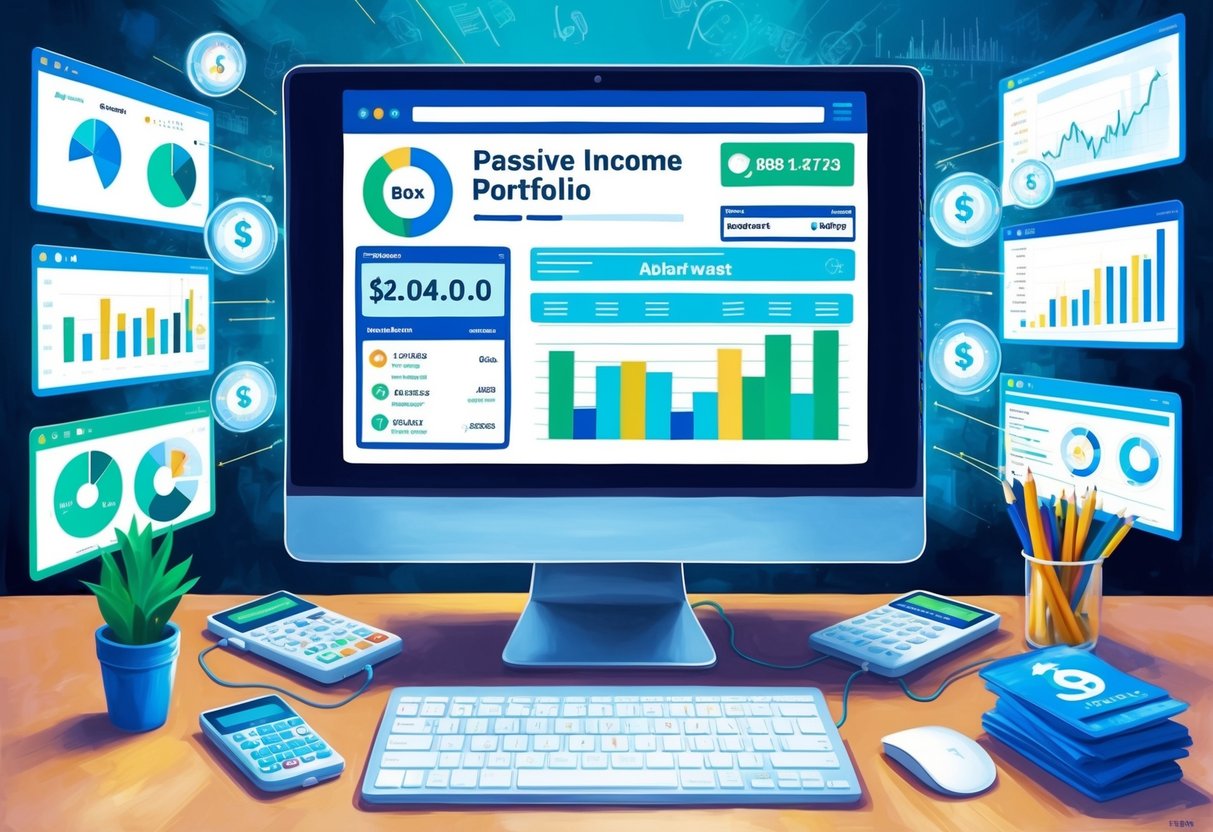 Creating a passive income portfolio involves strategically choosing assets that generate income without constant management. Let’s explore two key aspects that are crucial for building a successful passive income portfolio.
Modern Portfolio Theory and Diversification
When it comes to building a passive income portfolio, diversification plays a vital role. Modern Portfolio Theory suggests that spreading investments across various asset classes can reduce risks while maximizing returns. By including a mix of stocks, bonds, and real estate, I can better shield my investments from market volatility. Why keep all my eggs in one basket? A diversified portfolio ensures that losses in one area might be offset by gains in another. This approach allows me to create a more stable income stream, which is essential for those seeking financial security.
Assessing Risk Tolerance and Financial Goals
Understanding my risk tolerance and financial goals is critical when setting up a passive income portfolio. Am I comfortable with high-risk investments, or do I prefer a more conservative approach? My risk tolerance will influence the types of assets I choose. For example, some might opt for dividend stocks, while others lean toward government bonds. At the same time, aligning my investments with my financial goals ensures that I’m on track to meet my long-term objectives. Taking a clear look at what I want to achieve financially helps in crafting a portfolio that not only matches my risk tolerance but also supports the lifestyle I desire.
Setting Up Brokerage Accounts
 When choosing a brokerage account, it’s essential to think about your financial goals and the security of your investments. Some people may look for tax advantages, while others are interested in ease of use or customer service quality. Your account choice can also impact how you save for retirement or manage healthcare costs.
Choosing the Right Brokerage Account
How do you decide which account is right for you? First, consider your investment goals. Are you focusing on retirement? A Roth IRA or SEP IRA might be suitable. Roth IRAs allow for tax-free withdrawals in retirement, making them attractive for long-term growth. SEP IRAs are designed for self-employed individuals and small business owners, offering higher contribution limits than traditional IRAs. If healthcare savings are a priority, consider a Health Savings Account (HSA). HSAs provide triple tax advantages: contributions are tax-deductible, growth is tax-free, and withdrawals for qualified medical expenses aren’t taxed. Each of these accounts serves different purposes, so it’s crucial to match your choice with your financial needs and future plans.
Security and Safeguarding Investments
Security is vital in keeping your investments safe. Do you want to ensure your hard-earned money is protected? Look for brokerages that offer robust security measures such as two-factor authentication and insurance coverage like SIPC protection, which safeguards your securities up to a certain limit. It’s also wise to consider the brokerage’s reputation and regulatory compliance. Are they registered with the Securities and Exchange Commission (SEC)? What about customer reviews? A reliable brokerage will have a record of trustworthiness and transparency, making sure that your investments are secure and well-managed.
Building a Passive Investment Strategy
 Developing a passive investment strategy involves making informed choices about asset allocation and long-term growth strategies. This process can guide you to potentially achieve capital gains without frequent trading.
Strategic Asset Allocation
When it comes to strategic asset allocation, it’s all about balance. How will I allocate my resources among different asset classes to maximize my returns? A well-crafted allocation often includes a mix of equities, bonds, real estate, and cash. Each asset type behaves differently, which spreads risk and can smooth potential ups and downs in the market. It’s crucial for me to consider my risk tolerance and investment goals when deciding how to distribute assets. For example, if I’m more risk-averse, I might lean towards bonds. If I seek more growth, equities may play a larger role in my portfolio. Monitoring these allocations, yet keeping changes minimal, aligns with a passive approach.
Investment Strategies for Long-Term Growth
What strategies should I use to grow my wealth over time? One key technique is the buy-and-hold strategy, which means I invest in securities and maintain them over the long haul. This method relies on the market’s historical tendency to rise over the long term, aiming for steady capital gains. Index funds and exchange-traded funds (ETFs) are popular in this strategy thanks to their diversification and lower fees. By following major market indices, my portfolio can potentially capture the entire market’s performance without the need for constant oversight. Automated portfolios can enhance convenience, letting me set parameters and watch my investments manage themselves.
Automated Investing Tools
 In today’s fast-paced world, having your investments work for you is a game-changer. With automated tools, managing a passive income portfolio becomes simpler and more efficient. Let’s dive into the key methods available to make your money work smarter.
Leveraging Robo-Advisors
Robo-advisors are revolutionizing how we manage investments. These tools, like those offered by Schwab Intelligent Portfolios and SoFi, automatically allocate and rebalance your investments based on your goals and risk tolerance. What’s the real power of robo-advisors? They take the emotion out of investing. With a simple questionnaire, you get a diversified portfolio of ETFs. These platforms use sophisticated algorithms to monitor and adjust your portfolio. This ensures that your investment strategy stays aligned with your goals without constant intervention. Does managing your portfolio without lifting a finger sound appealing? Because that’s the reality with robo-advisors, often at a cost lower than traditional advisors.
Passiv: Harnessing the Power of Automation
Passiv allows me to automate account management functions, including executing recurring investments effortlessly. Setting up an automatic investment with platforms like Reddit’s Fidelity is straightforward. Simply set the plan, and investments occur without needing to move funds manually. Passiv integrates with my brokerage account, making it easy to create a balanced portfolio. This tool doesn’t just stop at recurring investments. It offers advanced strategies to optimize your investments over time. With a few clicks, I can ensure my portfolio is on track to meet long-term goals. Who wouldn’t want that peace of mind in managing their finances?
Setting Up Alerts and Notifications
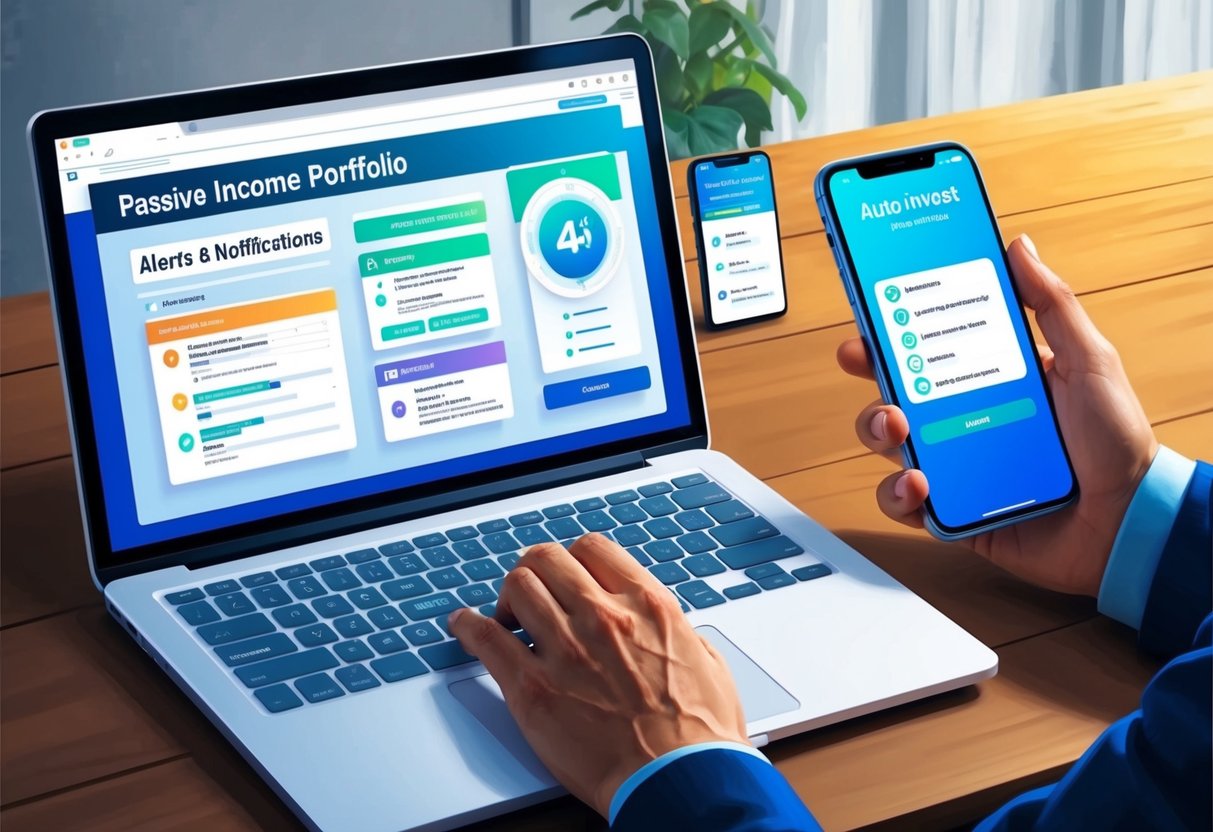 When managing a portfolio for passive income, using alerts and notifications can be a game-changer. They help track important changes in stock prices or earnings reports and ensure you make timely decisions. This section breaks down how to effectively set these alerts and notifications.
Customizing Alerts for Portfolio Management
How can you ensure you never miss a market opportunity? Customizing alerts is key. By setting specific alerts for price movements or percentage changes, you stay informed about the critical shifts in your investments. For instance, you might want to know when a stock reaches a 52-week high or low. It’s essential to tailor these alerts based on your investment goals. Price alerts can notify you when a stock or ETF hits your target buy or sell price, as suggested by Fidelity Investments. This way, you react quickly and align actions with market conditions. I recommend evaluating your portfolio periodically and adjusting alerts as needed. By fine-tuning these settings, you keep your strategy agile and responsive.
Real-Time Monitoring with Dashboard Notifications
Do you feel overwhelmed by the constant need to monitor your portfolio? Real-time dashboard notifications can help. These notifications provide an ongoing view of your investments, showing important updates at a glance. Applications like Schwab Mobile allow you to set up notifications that are triggered by events such as earnings announcements or relevant news stories. According to Charles Schwab, this feature ensures you’re always up to date without staring at screens all day. Effective dashboard notifications let you dynamically track your investments. This means making informed decisions about when to buy, hold, or sell. Leveraging these tools helps me stay connected and make smarter moves without feeling overwhelmed.
Allocating Investments in ETFs
 When setting up a portfolio, choosing the right ETFs and maintaining their allocation is key. Picking low-cost options and keeping the target allocation through regular adjustments can make a significant difference.
Choosing Low-Cost ETFs
Why pay more when you can keep your costs low? ETFs can be an investment powerhouse, but high fees can eat into your returns. I always look for low-cost ETFs because they help keep more of my money working for me. Lower expense ratios usually indicate a more efficient option. A few dollars saved each year adds up significantly over time. Research is crucial here. I consider well-known providers with a track record of managing costs. Transparency is also important, so I make sure to understand all potential fees. Here’s a tip: compare the expense ratios of different ETFs within the same category. This comparison highlights cost differences that might not be visible at first glance.
Rebalancing to Maintain Target Allocation
Market fluctuations can throw a careful plan off balance. Rebalancing brings my portfolio back to the target allocation I set based on my goals. This process may seem tedious, but it is crucial for maintaining a strategic approach. Imagine the market is a roller coaster. My plan is the track that keeps me from veering off course. By rebalancing, I sell portions of over-performing assets and buy assets that are lagging. This action can enhance my returns over the long haul. I keep a regular schedule for this, whether quarterly or annually. The market won’t wait for me to act, so consistency is key. By staying disciplined, I keep my investments aligned with my financial goals.
Reinvesting Dividends for Compounding
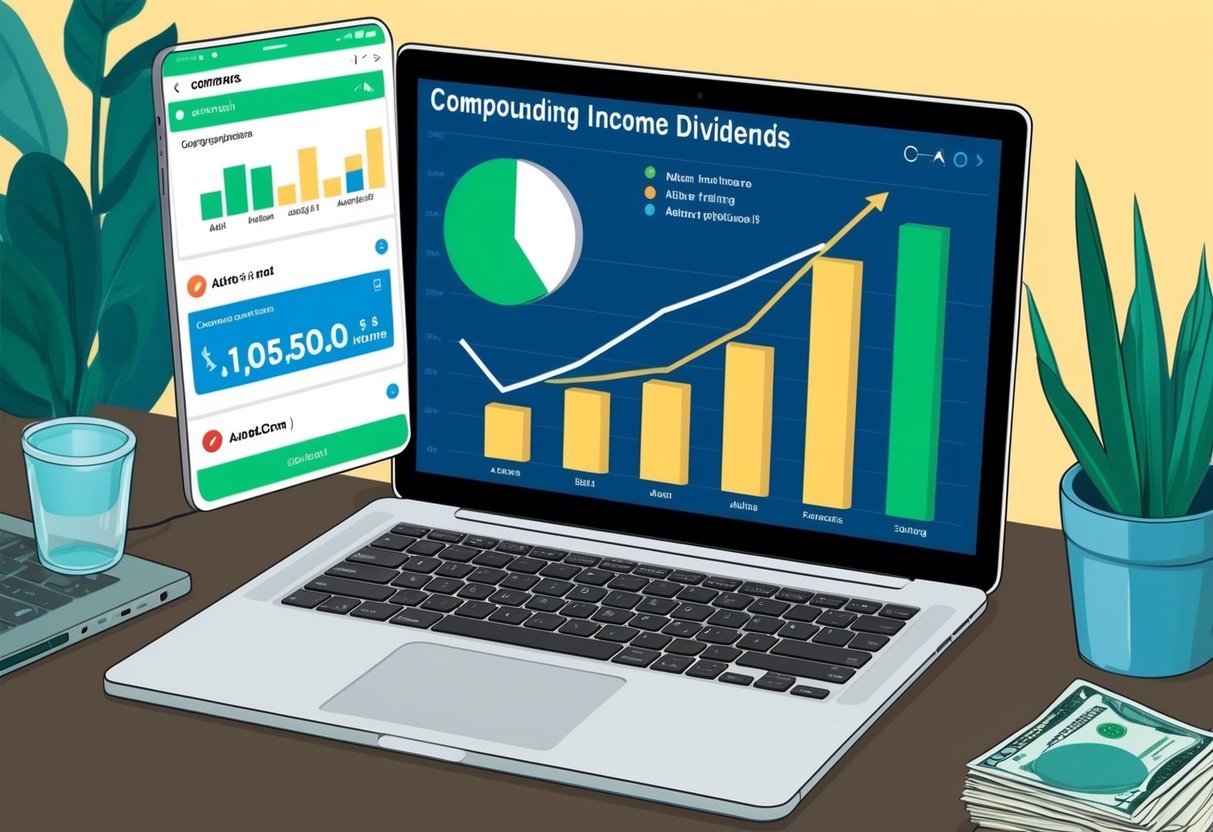 Reinvesting dividends can significantly boost your passive income over time by compounding returns. It’s a straightforward strategy where dividends are used to purchase more shares, increasing your investment without extra cash.
Setting Up Automatic Dividend Reinvestment
Why let your dividends sit idle when they can work for you automatically? Setting up an automatic dividend reinvestment plan (DRIP) is the key to making your portfolio grow effortlessly. Most brokerages and investment platforms offer this feature, allowing dividends to be reinvested without extra effort from you. Imagine your dividends being reinvested right away, buying more shares or fractions of them. This automatic mechanism not only saves time but also leverages the power of compounding by continually increasing your holdings. For example, platforms like Vanguard’s reinvestment program make it easy and cost-effective, as there’s often no fee involved. Got a brokerage account? Most of them, like Fidelity and Schwab, have straightforward steps to activate DRIP, right from your account settings. This way, you don’t even have to think about reinvesting manually.
Utilizing Dividends to Purchase Additional Securities
Ever thought about using dividends to acquire new securities? It’s an approach that allows diversification without pulling money from your pocket. When dividends from one investment are used to buy another, it spreads risk and potential. Consider this: you’ve been eyeing a new stock or fund but didn’t want to allocate new funds. Dividends give you a way to test the waters conservatively. With platforms, such as Schwab’s DRIP, you can reinvest dividends into additional shares, fueling both compounding and diversification. By treating dividends as an income stream, you have the flexibility to redirect them into different securities. This can cushion your portfolio against market volatility, giving you peace of mind and a broader reach in the market.
Implementing Recurring Investment Contributions
 Setting up recurring investment contributions can be crucial for building a robust passive income portfolio. By automating your investments, you ensure that funds are consistently added to your portfolio without the need for constant oversight. This technique is especially beneficial for those who have limited time but want to steadily grow their investments.
Scheduling Consistent Cash Deposits
Consistency is key when it comes to building wealth through investments. I make it a priority to schedule regular cash deposits into my investment accounts. How do you ensure this happens seamlessly? By setting up automated transfers from your bank to your brokerage account, it’s possible to maintain discipline and avoid missing any opportunities for growth. Automating your deposits might seem small, but these recurring investments can add up significantly over time. For example, setting up weekly or bi-weekly transfers from your paycheck into your investment portfolio ensures consistent growth and helps capitalize on market trends. Utilizing schedules for cash deposits takes the guesswork out of investing.
Expanding Portfolio Through Regular Contributions
Investing isn’t just about what you do today; it’s about strategy over time. By committing to regular contributions, I actively expand my investment portfolio. These contributions aren’t just token amounts; they can be strategically directed towards a variety of assets, including stocks, bonds, or ETFs. Implementing a system of recurring investments allows one to take advantage of dollar-cost averaging, which can help mitigate market volatility. By consistently investing, you distribute the purchase of investments over time, which can lower the average cost per share. Recurring investments like these help manage price volatility and can make your portfolio more resilient. Regular contributions also offer the chance to diversify a portfolio systematically. By reallocating smaller amounts over time, you can steadily add assets without disrupting your financial stability. So why not let these consistent contributions be the engine driving your portfolio’s growth?
Embracing Environmental, Social, and Governance (ESG) Investing
 Investing in ESG funds isn’t just about making money—it’s about aligning financial decisions with personal values. By using auto-invest features, you can effortlessly integrate ESG factors into your portfolio while managing personal finance goals.
Integrating ESG into Auto-Invest Decisions
When I think about auto-invest features, I see an opportunity to seamlessly include ESG factors without constant oversight. Auto-investing simplifies building a portfolio that reflects my values. Setting it up to include ESG funds means I don’t have to worry about missing opportunities that align with my ethics. It’s about setting a foundation that works automatically on my behalf. Not sure where to start? Consider using resources like ESG investing tips to get familiar with the process. Many platforms allow me to choose funds that prioritize ESG criteria, ensuring my money contributes to positive change. Automatic rebalancing can keep my investments in line with both market movements and personal principles.
Balancing Personal Finance and Ethical Investments
Can I achieve financial security without compromising my ethical standards? Absolutely. Balancing ESG investments with personal finance requires some forethought but is entirely feasible. With auto-invest options, I can maintain steady contributions to my portfolio while making ethical considerations. This balance is key to achieving my long-term goals. Utilizing tools from resources like ESG investment fundamentals can provide guidance. These platforms help me set targets that include both financial and ethical benchmarks. With the right strategy, I can support companies committed to sustainable practices while ensuring my financial stability for the future.
Optimizing for Retirement Accounts
 Balancing retirement savings with current financial needs is a common challenge. By focusing on maximizing contributions and leveraging auto-invest features, we can create a stable pillar for long-term financial security.
Maximizing Contributions to Retirement and HSA Accounts
Ensuring that we fully utilize retirement account options, like Roth IRA and SEP IRA, can greatly enhance our future wealth. These accounts provide tax advantages that can help compound investments over time. Have you considered how an HSA could fit into your retirement strategy? An HSA offers the opportunity to save pre-tax dollars for current and future medical expenses, which can indirectly support retirement readiness. Maximizing contributions to these accounts requires setting clear financial goals. Prioritize adding to your retirement accounts each year within the IRS limits. For example, the Roth IRA has contribution limits that vary based on income, while the SEP IRA benefits those self-employed with potentially larger contribution room. Being strategic and disciplined in managing contributions is key to this process.
Retirement Account Strategies Using Auto-Invest Features
Incorporating auto-invest features into your retirement planning can streamline how you build your financial future. Why is automation vital? It ensures consistent investment without the temptation to divert funds elsewhere. Automatic features mean scheduled contributions, taking advantage of dollar-cost averaging which can smooth out market fluctuations over time. I recommend utilizing automated features for consistent investment strategies. For instance, aligning them with pay periods can create a seamless transition from your paycheck into your retirement assets. Whether you hold a SEP IRA or a Roth IRA, using these features helps maintain a disciplined approach. Consider investing in diverse asset classes to minimize risk. This ensures your portfolio remains robust, adapting to changes in the financial market.
Accelerating Wealth Growth with Automated Investments
 Have you ever wondered how to make your money work harder for you? Automated investments might just be the answer. As someone over 40, the idea of building wealth effortlessly sounds appealing, doesn’t it? Setting up an auto-invest strategy means regular contributions to your investment accounts without lifting a finger. This method not only saves time but also ensures consistent growth.
Steps to Start
- Choose Your Platform: Look for options like Fidelity or E*TRADE.
- Set Your Schedule: Decide how often you want to invest—weekly, monthly, or some other frequency.
- Select Investments: Pick stocks, bonds, or ETFs that align with your investment goals.
Why Automate?
Automation helps you avoid emotional investment decisions. It reduces the chance of missing opportunities due to fear or indecision. Over time, this disciplined approach can lead to significant wealth accumulation.
Benefits Table
Feature
Benefit
Regular Investing
Consistent growth over the long term
Emotion-Free
Minimizes fear-based decisions
Time-Efficient
Less time spent managing investments
In embracing automated investments, I’ve freed myself from constantly monitoring the market. Are you ready to give your money a chance to grow without constant oversight? This approach could transform your financial future, making retirement or supporting your loved ones more achievable.