
Are you tired of the constant ups and downs of your investment portfolio? Trading bots might just be the solution you’ve been seeking. These innovative tools can help generate passive income by automating the buying and selling of stocks and cryptocurrencies.
Unlike traditional investing methods, trading bots work around the clock, helping you grow your wealth even while you sleep.
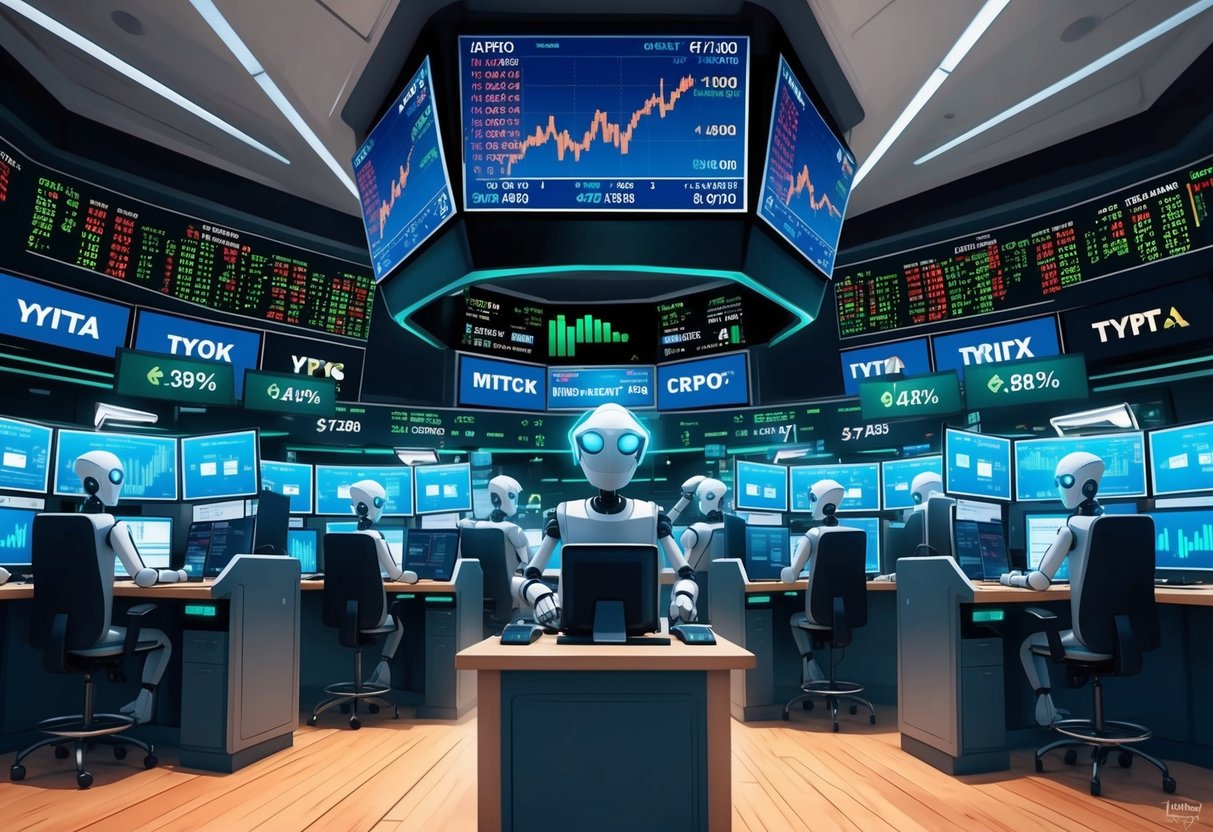
I’ve discovered that trading bots use advanced algorithms to analyze market trends and execute trades more efficiently than any human could. This technology can save time and take the emotions out of investing, which often lead to poor financial decisions.
By allowing a well-programmed bot to handle the complexities, you can focus on other important areas of your life without constantly worrying about the market.
Of course, not all trading bots are the same, and selecting the right one requires careful research and understanding.
It’s crucial to analyze key components such as strategy compatibility, risk management, and the flexibility to adjust settings based on your financial goals. With the right approach, trading bots can become a valuable asset in securing your future, potentially paving the way for a comfortable retirement and financial peace of mind.
Key Takeaways
- Trading bots can automate income generation in stocks and crypto.
- They provide efficient market analysis and trading execution.
- Choosing the right bot involves understanding its strategy and risks.
Understanding Trading Bots
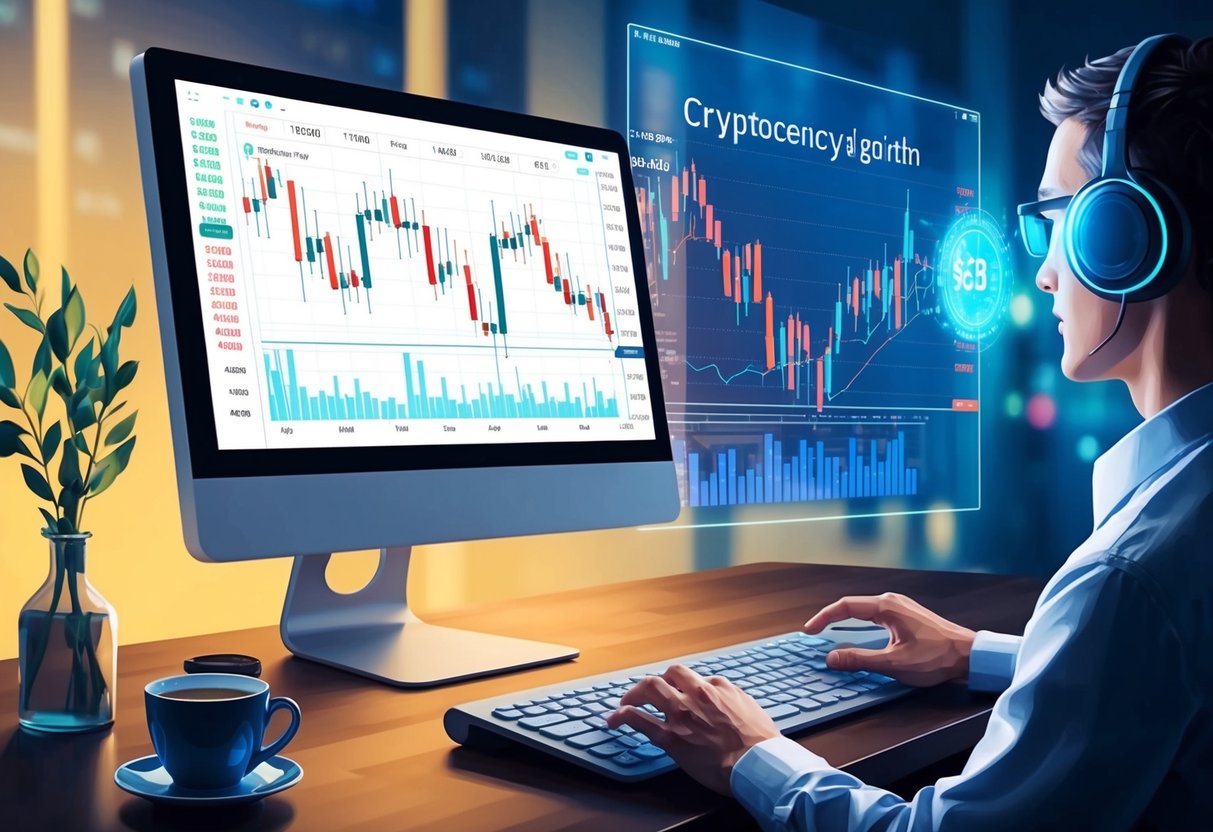
Trading bots have transformed how we look at generating income, offering new tools for both stock and crypto markets. Here’s how they function, their origins, and the different kinds available today.
Definition and Function
What exactly are trading bots? They’re automated software programmed to execute trades based on set criteria. These bots can analyze market data, execute buy or sell orders, and manage portfolios without direct human intervention.
They work tirelessly around the clock, making split-second decisions that humans simply can’t.
This automation offers the potential to maximize gains by reacting instantly to market changes. In essence, trading bots aim to remove the emotional aspect of trading, sticking strictly to logic and data.
History of Trading Bots
Trading bots didn’t just appear overnight. They have evolved from basic scripts used by programmers and traders in the early days of digital trading. Initially, their capabilities were limited, mostly following simple algorithms.
As technology progressed, so did their complexity and efficiency. Modern bots now use advanced algorithms and artificial intelligence, continuously learning and adapting to market conditions.
Their rise is linked to the increasing digitization of financial markets. This journey from rudimentary tools to sophisticated systems is a testament to our relentless pursuit of efficiency.
Types of Trading Bots
Did you know there’s a bot for almost every trading style? From arbitrage bots to market-making bots, these programs cater to diverse strategies.
Arbitrage bots, for instance, capitalize on price differences between exchanges. Then, there are trend-following bots that analyze historical market data to predict future trends. Meanwhile, algorithmic bots follow pre-set rules based on mathematical models.
Each type has its strengths, appealing to traders based on their goals and risk tolerance.
Choosing the right bot aligns with a trader’s individual needs. Understanding these distinctions is key to leveraging them effectively in both stocks and cryptocurrency markets.
Advantages of Using Trading Bots for Passive Income

Trading bots can revolutionize the way we generate passive income by enabling round-the-clock market operations, making swift decisions devoid of emotion, enhancing trading strategies with speed, and allowing for thorough backtesting and optimization. These factors can make trading bots an enticing proposition for those looking to maximize their investment returns.
24/7 Market Operations
Have you ever worried about missing out on overnight market movements? Trading bots operate continuously, even while you sleep. This around-the-clock capability means bots are always at work, taking advantage of any fluctuations in the market.
Unlike human traders, bots don’t need any rest, allowing them to monitor the market closely and execute trades precisely when conditions are optimal.
In the crypto world, where markets never close, this feature becomes even more valuable. It ensures that trades occur without delay, capturing opportunities at any time.
This constant operation can help increase potential returns and reduce the risk of missing profitable opportunities – a critical edge in today’s fast-moving markets.
Emotionless Trading Decisions
Who hasn’t made a decision based on emotion that they later regretted? Emotional decisions can lead to unnecessary losses, especially in trading.
Bots replace emotional impulses with pre-programmed strategies. This helps eliminate panic selling during a dip or overbidding in moments of euphoria.
By sticking to the set strategies without deviation, trading bots provide a level of consistency and objective decision-making that’s hard to achieve manually. I find that this aspect is crucial for maintaining discipline in trading, ensuring that trades are based on strategy rather than the ever-changing whims of the market.
Speed and Efficiency
In the world of trading, speed matters. A delay of even a few seconds can mean the difference between a winning and a losing trade.
Trading bots execute orders with lightning speed, taking advantage of the smallest price differences. I appreciate the immediate reactions to market changes that are beyond human capability.
Efficiency is another cornerstone of bot operations. Trading bots can process vast amounts of data faster than humans. They can analyze market conditions, adjust strategies, and execute trades seamlessly.
This high speed and efficiency can help capture profits that might otherwise be missed in the rapidly fluctuating markets.
Backtesting and Optimization
Wouldn’t it be great to know how a trading strategy might perform before actually using it?
Trading bots allow for backtesting, which involves running your trading strategies against historical data to evaluate their effectiveness. This process can reveal what works and what doesn’t, leading to better-informed decisions.
With the ability to optimize strategies through backtesting, trading bots can help fine-tune approaches for maximizing gains. Experimenting with various conditions and parameters enhances strategies even further. I find this invaluable for reducing risk and improving overall trading performance without enduring trial and error in real-time markets.
Key Components of an Effective Trading Bot

When it comes to crafting an effective trading bot, success hinges on several crucial elements. These components are pivotal in ensuring the bot’s efficiency and reliability in managing trades over time. Understanding and implementing algorithmic strategies, risk management protocols, and data analysis tools can make all the difference.
Algorithmic Strategies
Why is an algorithmic strategy so important? Because it forms the backbone of any trading bot. These strategies dictate when to buy or sell, based on predefined rules. They rely on historical data and patterns, aiming to maximize profits while minimizing losses.
Traders might use simple moving averages or complex machine learning models to guide decisions. The key lies in the flexibility and adaptability of the algorithm.
Moreover, the strategy should align with your investment goals. Are you aiming for aggressive, high-reward trades or a more conservative approach? Each strategy should be tailored to fit your risk appetite and market conditions. This precision ensures that the bot operates effectively under various scenarios.
Risk Management Protocols
How vital is risk management in trading? I cannot stress it enough. It’s the safeguard that keeps your investments from spiraling out of control.
A solid trading bot includes rules to manage and mitigate risks. This may involve setting stop-loss limits to cut potential losses. Allocating capital proportionately ensures not too much is placed on a single trade.
Risk management should also consider market volatility. Adjusting your strategies based on current market conditions can further protect against unexpected downturns.
It’s about finding a balance between risk and reward, ensuring long-term profitability and sustainability.
Data Analysis Tools
Imagine trying to trade without understanding market trends. This is where data analysis tools come into play.
These tools provide insights into market movements and price fluctuations. They use real-time data to make informed decisions, helping to identify opportunities and threats in the market.
The capability to process large datasets quickly is crucial. Tools like sentiment analysis can gauge market moods, while technical indicators focus on price action.
Having access to comprehensive analytics allows the bot to fine-tune its strategies, maintaining an edge against market uncertainties. Data analysis isn’t just a tool; it’s a necessity for any effective trading bot.
Building vs. Buying Trading Bots

The decision between building your own trading bot and purchasing a pre-made one carries important implications for control, customization, and investment. Each approach has its unique advantages and limitations.
Considerations for Building Your Own
Building your own trading bot offers unparalleled customization. You can tailor strategies specifically to your risk tolerance and market preferences. This approach puts you in the driver’s seat, allowing for adjustments as needed.
Building a bot requires significant time and technical skills. Knowledge in coding, financial markets, and algorithmic trading is crucial. For those with these skills, it can be a rewarding project.
However, if you lack technical expertise, consider the learning curve. Is it worth your time, or would hiring a developer be more efficient? For the adventurous, the trade-off may be worth it.
Pros and Cons of Purchased Bots
Purchased trading bots provide immediate access to automated trading without the need for complex programming. They are often available with user-friendly interfaces, making them accessible even to beginners. This can be a huge time saver for busy professionals.
The downside is the dependency on the provider for updates and support. As noted in this article on ready-made trading bots, if the provider is slow to adapt to market changes, your bot’s performance might suffer.
Costs can also be high, not just upfront but ongoing. Think about what you’re willing to pay for convenience versus potential missed opportunities for customizing the bot to better fit your needs.
Customization and Control
Building your own trading bot gives you maximum control. You decide what markets to focus on, what data to use, and how each transaction is executed. This custom-tailored approach can lead to better alignment with personal financial goals.
In contrast, purchased bots might limit your flexibility. Many are rule-based with pre-determined parameters. While some offer tweaks, true customization is often restricted.
If you value flexibility and are willing to invest time in learning, building your own could be the way to go. But if you prefer ease and are less concerned about deep customization, a purchased bot might suit you best.
What suits you more? The control of building or the convenience of buying?
Challenges and Risks of Trading Bots
As I dive into the world of trading bots, several challenges and risks stand out. These include dealing with market volatility, ensuring security, and navigating legal and regulatory compliance issues. Understanding these aspects is crucial for anyone looking to generate passive income through trading bots.
Market Volatility
Market volatility is something we all have to contend with when using trading bots. These bots operate based on algorithms and preset conditions, but no algorithm can foresee sudden market swings. This unpredictability can lead to unexpected losses.
Let’s consider the stock market. If a market crash occurs, bots may not react as quickly or as precisely as human intuition might. This can result in buying or selling at unfavorable times, impacting returns.
Sure, bots can trade 24/7 and monitor the market constantly, but they remain vulnerable to price shocks. There’s no perfect way to measure risk because of the intense and unpredictable nature of financial markets.
It’s important to test and update these algorithms regularly to minimize the impact of volatility.
Security Concerns
When I think about security, it’s hard not to worry about breaching safety protocols.
Trading bots require access to trading accounts, which means they need safeguarding like any other digital tool.
Data breaches and hacking attempts are real threats.
What happens if your data is compromised? The loss could be devastating.
That’s why I insist on using bots with robust security features.
Encryption, two-factor authentication, and regular security audits are not optional—they’re essential.
It’s also important to consider the ongoing risks of AI-powered trading bots, particularly since these technologies can adapt and evolve, sometimes beyond the original intended purpose.
Legal and Regulatory Compliance
Navigating the legal landscape with trading bots isn’t straightforward.
Different countries have varying regulations on automated trading.
It’s crucial to ensure compliance to avoid legal trouble.
Imagine the hurdles involved if you’re caught off guard by new regulations.
Staying informed about these rules can be a challenge but is necessary.
The CFTC warns about rising risks in this area, emphasizing the importance of understanding the regulatory environment.
Trading platforms and bots must align with guidelines set by financial authorities.
Compliance isn’t just about avoiding fines; it’s about protecting your investments and ensuring sustainable growth.
Impact of Trading Bots on the Stock and Crypto Markets
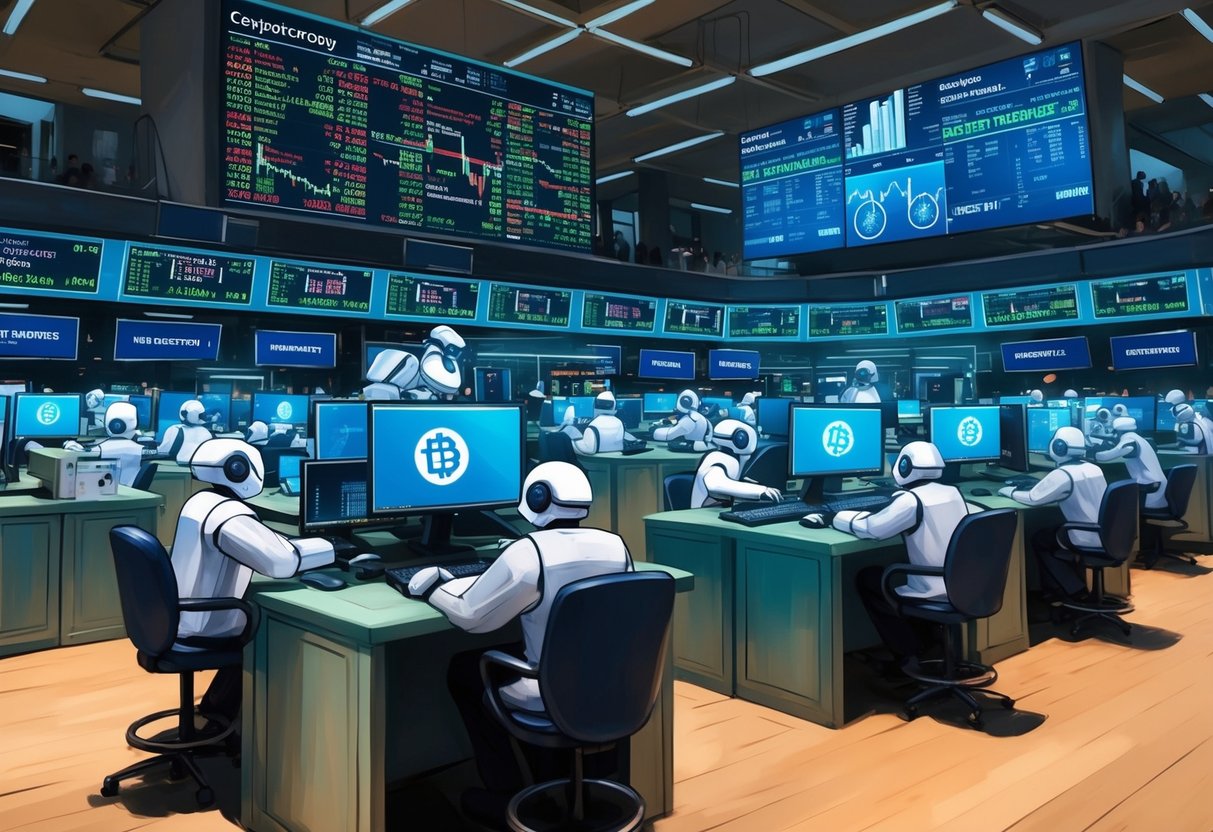
Have you ever wondered how trading bots influence market dynamics?
From liquidity to investor impact, these automated systems are reshaping the way markets function.
Market Liquidity and Price Stability
Trading bots play a crucial role in enhancing market liquidity. By executing numerous transactions rapidly, they help ensure that buying and selling activities happen smoothly.
Imagine a marketplace where every buyer finds a seller instantly. That’s what bots aim to achieve.
Bots also contribute to price stability. They make quick trades based on data, smoothing out sudden price swings.
If a large sell-off starts, bots can buy shares to keep prices from plummeting too fast. This dampens volatility, creating an environment where prices are more predictable.
However, it’s not without risks.
Bots can sometimes amplify market trends, leading to significant price movements. A balance is necessary to harness their benefits effectively.
The impact of bots on liquidity and stability is profound, yet it requires careful oversight to prevent potential downsides.
Effects on Small Investors
What about the small investors like you and me?
Trading bots can level the playing field to some extent. With access to technology, even smaller players can replicate strategies used by big institutions. This access can mean more opportunities to generate passive income.
Yet, there are challenges.
The sophistication of bots often requires technical knowledge, which can be daunting for newcomers.
Not all bots are created equal, and some might not perform as expected, adding risk.
Still, for informed investors willing to learn, bots can offer a competitive edge.
Small investors can delegate tedious tasks to bots, freeing up their time and reducing emotional decision-making in trading.
Navigating the world of trading bots is about finding the right balance and understanding their potential in your investment strategy.
Selecting the Right Trading Bot for Your Investment Style

Choosing the right trading bot isn’t just about the features it offers. It’s about aligning the tool with your personal investment goals, compatibility with your trading platforms, and feedback from the community who use these bots.
Assessing Your Financial Goals
Have you thought about what you want to achieve with trading bots?
Whether you’re aiming for consistent passive income, saving for a rainy day, or growing your wealth for retirement, knowing your goals is crucial.
Different bots offer varied risk profiles and strategies. Some might focus on short-term gains with high risk, while others aim for steady growth over time.
To pinpoint the right bot, start by listing your financial targets.
Consider your risk tolerance. A bot aligned with your goals and comfort level is more likely to keep you on track and reduce stress.
Also, many platforms provide simulations, allowing you to practice without real financial exposure. This can be invaluable in aligning your strategy with your goals before actual investment.
Compatibility with Exchange Platforms
In the fast-paced world of stock and crypto trading, a bot’s success can depend on its compatibility with exchange platforms.
Not all bots work on every exchange, so it’s key to ensure the bot you choose is compatible with the venues you prefer.
Do you have accounts with established exchanges like Coinbase or Binance? Check that your bot can operate smoothly on these platforms.
Consider both the technical and practical aspects.
Some bots might offer a seamless experience with specific exchanges, integrating with ease and offering more features.
It’s also wise to look for user experiences from similar setups to yours. A bot compatible with both your preferred platforms and your trading habits can optimize performance and reduce potential headaches.
Community and User Feedback
Is there a better way to understand a tool than hearing from those who use it daily?
The insights from the community can be invaluable. Real-world experiences and reviews offer a glimpse into the effectiveness and reliability of a trading bot.
Explore forums, discussions, and reviews related to the bot you’re considering.
Positive feedback on performance, ease of use, and support can guide your decision.
Pay attention to any issues raised by users, especially if repeated across multiple reviews. A strong community or support network can also signal that help is available if you encounter problems or have questions down the line.
Monitoring and Adjusting Your Trading Bot
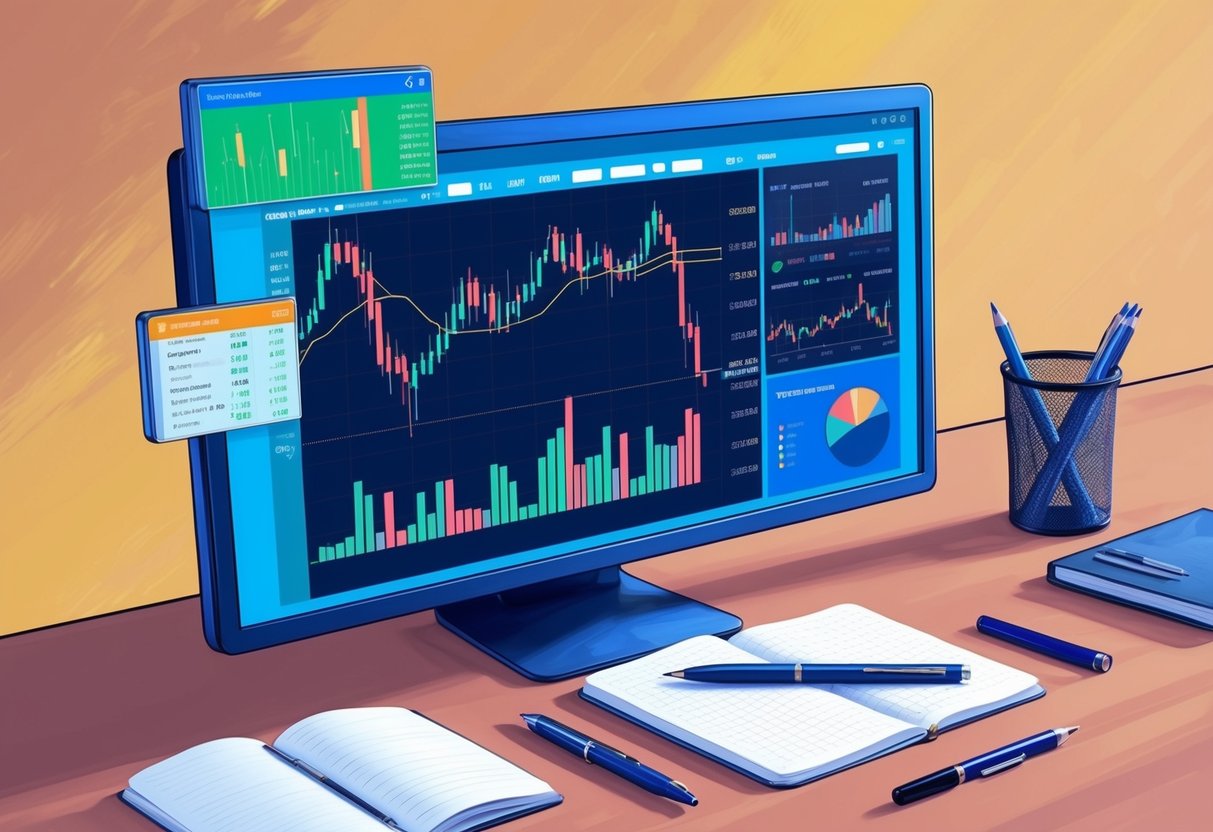
To keep your trading bot profitable and efficient, consistent monitoring and fine-tuning are key. It’s important to both recognize and react to market changes while ensuring your bot operates smoothly.
Setting Up Performance Metrics
What metrics should we track to ensure our trading bot works effectively?
I always start by defining key performance metrics. This usually includes return on investment (ROI), win rate, and drawdown. These indicators give me a clear snapshot of how well the bot performs in different market conditions.
I often use a spreadsheet or specialized software to organize and monitor these metrics.
Keeping these numbers accessible helps me quickly assess performance. It’s crucial to set benchmarks for these metrics, allowing for comparison over time.
Lastly, understanding the volatility that the bot can handle is important. By doing so, I can decide if adjustments are needed to align with my financial goals.
Regular Maintenance Checks
Just like a car needs regular check-ups, so does a trading bot.
I believe in reviewing settings at least once a month. This involves checking for software updates. Are any new features or bug fixes available? These updates often improve performance or add useful features.
I also observe how the bot handles new market situations and data.
Sometimes, a strategy works perfectly until the market shifts. To address that, I perform backtesting with recent data. This helps to verify if the bot’s strategies remain effective or if they need refining.
Lastly, I examine any technical glitches or issues.
These can include connection drops or data feed errors. By staying proactive, I prevent small issues from snowballing into larger problems that could impact trading success.
The Future of Automated Trading in Finance

In an ever-changing financial world, automated trading is becoming more influential. The developments in AI and machine learning are transforming how trades are executed. At the same time, regulatory changes are shaping this new landscape, impacting both innovation and investor protection.
Developments in AI and Machine Learning
AI and machine learning are at the heart of automated trading advancements. These technologies allow for faster, more accurate trade execution than ever before.
Imagine algorithms that learn from each trade to improve decisions continuously. This is no longer science fiction but a tangible reality driving profits.
With AI, I see bots that adjust strategies in real-time, responding to market shifts you and I might miss. This adaptability gives traders an edge, optimizing returns and reducing risks.
AI is not just crunching numbers; it’s revolutionizing the trading landscape by identifying patterns and trends invisible to the human eye.
These advancements make automated trading platforms more accessible. They’re no longer exclusive tools for big players, like hedge funds, but increasingly available for the everyday investor. As AI evolves, expect even more sophisticated strategies and trading tools at our disposal.
Regulatory Changes and Their Impact
While technology propels trading forward, regulations ensure stability and fairness in financial markets.
Recent regulatory changes aim to strike a balance between innovation and protecting investors. So, what does it mean for us?
New regulations often target transparency and risk management. They require clearer reporting and adherence to stricter standards.
This means that while bots are getting smarter, they must also comply with these rules, ensuring ethical trading practices.
However, regulations can sometimes slow down innovation. They might raise the bar for developing new trading technologies.
I see this as a double-edged sword. On one hand, it ensures market integrity; on the other, it might delay the deployment of cutting-edge tools.
As automated trading continues to evolve, staying informed about these regulatory landscapes is crucial.
It helps us navigate this complex environment, aligning our strategies with emerging rules and opportunities.