
Retiring on your terms isn’t just a dream - it’s achievable with the right approach. I’ve seen countless people transform their financial futures by tapping into the power of passive income. What if you could build streams of money that flow even while you sleep? That’s the magic of passive income.  Creating passive income streams is crucial for retiring comfortably and maintaining your lifestyle in later years. It’s not about working harder, but working smarter. By generating income without active involvement, you’re setting yourself up for financial freedom. Think of it as planting seeds today that will grow into a bountiful harvest for your retirement. Are you tired of the traditional advice that hasn’t gotten you where you want to be financially? I get it. That’s why I’m passionate about helping people like you discover the potential of passive income. Whether it’s through rental properties, annuities, or other investments, there are many ways to create steady cash flow that can support your retirement dreams.
Key Takeaways
- Passive income provides financial stability without constant effort
- Diversifying income streams enhances retirement security
- Starting early maximizes the growth potential of passive investments Human: continue the article
Understanding Passive Income
Passive income is a game-changer for retirement planning. It's the key to [financial freedom](/passive-income-financial-freedom/) and stability, allowing us to retire on our own terms. Let me break it down for you.Defining Passive Income
Passive income is money we earn without actively working for it. It’s like having a money tree in our backyard. Some examples include:
- Rental property income
- Dividend-paying stocks
- Royalties from books or music
- Interest from high-yield savings accounts
- Income from annuities
The beauty of passive income is that it keeps flowing even when we’re not actively involved. It’s the opposite of trading time for money.
Passive vs. Active Income
Active income is what most of us are familiar with – our regular paycheck. We work, we get paid. Simple, right? But here’s the catch: it stops when we stop working. Passive income, on the other hand, continues even when we’re sleeping, traveling, or retired. It’s like having employees working for us 24/7, except these employees are our investments. Key differences:
- Time investment: Active income requires constant effort; passive income needs upfront work but less ongoing effort
- Scalability: Active income is limited by time; passive income can grow indefinitely
- Freedom: Active income ties us to a job; passive income gives us flexibility
The Role of Passive Income in Financial Stability
Passive income is the secret sauce for financial stability in retirement. Why? Because it provides a consistent cash flow without depleting our savings. Think of it as multiple streams of income flowing into our retirement reservoir. The more streams we have, the more secure our financial future becomes. Passive income can create a reliable safety net. It can help cover our living expenses, fund our hobbies, or even leave a legacy for our kids. But here’s the million-dollar question: Are we relying too heavily on active income? If we lost our job tomorrow, would our financial house of cards come tumbling down?
The Importance of Passive Income for Retirement
Passive income can be a game-changer for your retirement plans. It offers financial stability, freedom, and the potential to retire on your own terms. Let's explore why it's so crucial.Extending Retirement Income
Have you ever worried about outliving your savings? I’ve seen this fear paralyze many would-be retirees. Passive income can be the solution. It provides a steady stream of money without requiring active work. Annuities are one way to generate passive income in retirement. They pay out fixed sums at regular intervals, giving you guaranteed income for life. Other options include rental properties, dividend-paying stocks, and bonds. These income streams can supplement your retirement savings. They act as a buffer against market fluctuations and inflation. With passive income, you’re less likely to deplete your nest egg too quickly.
Reducing Reliance on Social Security
Many people count on Social Security as their main retirement income. But is that really enough? In my experience, it’s often not. Passive income can reduce your dependence on Social Security. This is crucial because Social Security benefits may be taxed if your total income exceeds certain thresholds. By diversifying your income sources, you can potentially lower your tax burden. Moreover, Social Security’s future is uncertain. Having alternative income streams gives you more control over your financial destiny. It’s about creating your own safety net, rather than relying solely on government benefits.
Achieving Early Retirement Goals
Do you dream of retiring early? Passive income can make it happen. It bridges the gap between leaving your job and accessing traditional retirement accounts without penalties. Rental properties, dividends, and royalties are examples of passive income that can support early retirement. These income streams work for you, allowing you to step away from active employment sooner. Early retirement isn’t just about quitting work. It’s about having the freedom to pursue your passions. Passive income provides that financial cushion, letting you retire on your own terms. It’s the key to unlocking the retirement lifestyle you’ve always envisioned.
Types of Passive Income Investments
 Passive income investments can transform your financial future. Let’s explore some powerful options that could help you retire on your terms.
Real Estate and Rental Properties
Real estate is a classic passive income generator. I’ve seen many investors build wealth through rental properties. Here’s why:
- Steady monthly income from tenants
- Potential property value appreciation
- Tax benefits through deductions
Rental properties require some upfront work. You’ll need to find good tenants and handle maintenance. But once set up, they can provide consistent cash flow. Consider starting with a single-family home or small apartment building. As you gain experience, you might expand to larger properties or even commercial real estate. Remember, location is key. Look for areas with strong rental demand and growth potential.
Dividend-Paying Stocks and ETFs
Dividend stocks and exchange-traded funds (ETFs) can provide regular income without the hassle of property management. Here’s what you need to know:
- Dividends are payments companies make to shareholders
- ETFs can offer diversification across multiple dividend-paying stocks
- Reinvesting dividends can lead to compound growth
Look for companies with a history of consistent dividend payments. Some investors focus on “Dividend Aristocrats” – companies that have increased dividends for 25+ years. ETFs can be a great option for beginners. They offer instant diversification and professional management. Remember, stock prices can be volatile. But dividends can provide a cushion during market downturns.
Bonds and Certificates of Deposit
Bonds and CDs are often seen as safer investments. They can provide steady, predictable income. Here’s a quick breakdown:
- Bonds: Loans to governments or companies
- CDs: Time deposits with banks
Government bonds, especially U.S. Treasuries, are considered very low-risk. Corporate bonds typically offer higher yields but come with more risk. CDs can be a good option for short-term savings. They offer guaranteed returns, but rates are often lower than other investments. Consider creating a “ladder” of bonds or CDs with different maturity dates. This can provide regular income while allowing flexibility to reinvest at potentially higher rates.
Creating and Selling Digital Products
The digital world has opened up exciting new passive income opportunities. Have you considered creating your own products? Here are some ideas:
- E-books
- Online courses
- Stock photos or music
- Software or mobile apps
Digital products can be created once and sold repeatedly. There’s no inventory to manage or shipping to handle. Start by identifying your skills or knowledge. What can you teach others? What problems can you solve? Creating the product takes upfront effort. But once it’s done, sales can continue with minimal ongoing work. Marketing is key to success in this space.
Passive Income Strategies and Management
 Passive income can transform your retirement plans. It provides steady cash flow without constant effort. Let’s explore some effective strategies to build and manage passive income streams.
Building a Diversified Portfolio
I always tell my clients that diversification is key. It’s not just about stocks and bonds anymore. I like to mix in dividend-paying stocks, index funds, and even peer-to-peer lending platforms. Why limit yourself? By spreading your investments, you reduce risk and increase potential returns. Have you considered adding cryptocurrency to your portfolio? It’s volatile, but it could offer high rewards. Remember, diversification isn’t just about different asset types. It’s also about industries and geographical regions. Don’t put all your eggs in one basket! Here’s a simple way to start diversifying:
- 40% stocks (mix of growth and dividend-paying)
- 30% bonds
- 15% real estate
- 10% alternative investments (P2P lending, precious metals)
- 5% cash
Real Estate Investment Trusts (REITs)
REITs are a great way to get into real estate without becoming a landlord. They’re like mutual funds, but for properties. You invest, and they handle the rest. REITs can offer high dividend yields, often above 5%. That’s hard to beat in today’s market. Plus, they’re required to pay out 90% of their taxable income to shareholders. I love REITs for their liquidity. Unlike owning property directly, you can buy and sell REIT shares easily. This flexibility is crucial for retirees who might need quick access to cash. Some popular REIT sectors include:
- Residential
- Commercial
- Healthcare
- Data centers
Delegating Property Management
If you own rental properties, managing them can feel like a full-time job. But it doesn’t have to be. Have you considered hiring a property manager? A good property manager can handle:
- Tenant screening and placement
- Rent collection
- Maintenance and repairs
- Legal compliance
Yes, it costs money. But think about the time and stress you’ll save. Plus, professional management can often lead to higher occupancy rates and better tenants. Airbnb has changed the game for short-term rentals. Many property managers now specialize in this market. They can handle everything from listing your property to guest communication.
Utilizing Technology Platforms
Technology has made passive income more accessible than ever. Have you explored online platforms that can help you generate income? Here are some options I recommend:
- Robo-advisors for automated investing
- Crowdfunding platforms for real estate
- Print-on-demand services for selling designs
- Online course platforms to share your expertise
These platforms handle much of the heavy lifting. You provide the initial input, and they take care of the rest. For example, creating an online course takes upfront effort. But once it’s done, you can sell it indefinitely with minimal ongoing work. Isn’t that the essence of passive income? Remember, technology moves fast. Stay informed about new platforms and opportunities. The next big passive income stream might be just around the corner.
Financial Planning for Sustainable Passive Income
 Creating a solid financial plan is crucial for building sustainable passive income streams. It’s not just about making money while you sleep; it’s about ensuring that money keeps flowing for years to come.
Setting Financial Goals
When I think about financial goals, I always ask myself: What’s my dream retirement? How much monthly income do I need to live comfortably? These questions help shape realistic targets. Start by calculating your desired retirement income. Consider inflation and potential lifestyle changes. Do you want to travel more? Help your grandkids with college? Next, work backward to determine how much passive income you’ll need. I recommend aiming for multiple income streams. This could include:
- Rental properties
- Dividend-paying stocks
- Online businesses
Remember, diversification is key. Don’t put all your eggs in one basket!
Consulting With a Financial Advisor
Why go it alone when experts can guide you? A good financial advisor is worth their weight in gold. They can help you:
- Assess your current financial situation
- Identify potential passive income opportunities
- Create a tailored investment strategy
Look for advisors with experience in passive income strategies. Ask about their track record and approach to long-term wealth building. Be prepared to discuss your risk tolerance and time horizon. A skilled advisor can help balance your portfolio for both growth and stability.
Considering Tax Implications
Taxes can take a big bite out of your passive income if you’re not careful. Isn’t it better to keep more of what you earn? Different passive income streams have varying tax treatments. For example:
- Rental income may be subject to self-employment tax
- Dividend income often qualifies for lower tax rates
- Some passive activities might offer tax deductions
Consider working with a tax professional to optimize your strategy. They can help you:
- Structure investments tax-efficiently
- Take advantage of available deductions
- Plan for potential impacts on Social Security benefits
Remember, it’s not just about how much you make, but how much you keep. Smart tax planning can significantly boost your long-term passive income potential.
Maximizing Passive Income in Different Life Stages
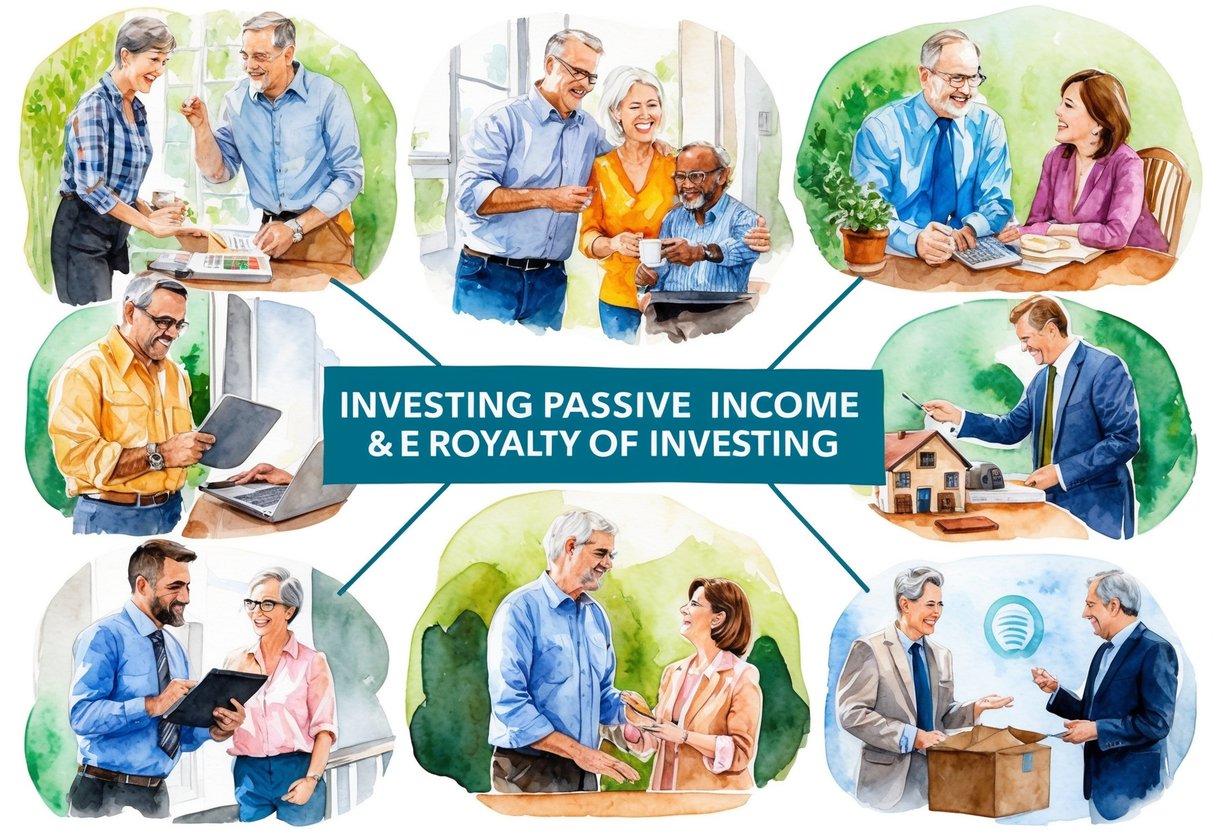 Passive income is a game-changer at any age. It gives us flexibility and security that traditional jobs can’t match. Let’s look at how to build passive income streams throughout our lives.
Starting in Your 20s and 30s
In our younger years, we have time on our side. I always tell my clients to start early with high-yield savings accounts. They’re easy and safe. But don’t stop there. Real estate can be a goldmine. Buy a small property and rent it out. As you pay down the mortgage, your equity grows. It’s like having tenants buy you a house! Online businesses are perfect for this age group. Create a blog, YouTube channel, or online course. These take work upfront but can pay off for years. Invest in dividend-paying stocks. Reinvest those dividends to grow your portfolio faster. It’s like planting money trees that bear more fruit each year.
Adjustments in Your 40s and 50s
Now’s the time to ramp things up. We need to think bigger and smarter. Consider buying into established businesses. They can provide steady income without daily management. It’s like owning a money-making machine that runs itself. Peer-to-peer lending can offer good returns. But be careful and diversify. Don’t put all your eggs in one basket. Look into creating digital products. E-books, templates, or software can sell while you sleep. It’s the ultimate hands-off income. Have you thought about franchises? They offer a proven business model with ongoing support. It’s like having a business in a box.
Optimizing Income during Retirement
Retirement doesn’t mean we stop making money. It means we make money work for us. Annuities can provide steady, guaranteed income. They’re like a paycheck that keeps coming even when we’re not working. Consider downsizing your home and investing the difference. A smaller place means lower costs and more cash to invest. Royalties from books, music, or patents can keep money flowing in. It’s like getting paid for work you did years ago. Have you looked into REITs? They let you invest in real estate without being a landlord. It’s real estate investing made easy.
Measuring Success and Adjusting Strategy
 Tracking and adjusting your passive income strategy is crucial for long-term success. It’s not just about setting up income streams - it’s about nurturing and growing them over time.
Tracking Income Sources and Performance
I always tell my clients to keep a close eye on their passive income sources. Are they meeting expectations? Which ones are underperforming? I use a simple spreadsheet to track my various income streams monthly. This includes:
- Rental property income
- Dividend payments
- Interest from bonds
- Royalties from books or courses
By monitoring these regularly, I can spot trends and make informed decisions. For example, if a rental property consistently underperforms, I might consider selling it and reinvesting in a more profitable venture. Don’t forget about capital gains! While not a regular income stream, they can significantly boost your overall returns. I review my investment portfolio quarterly to assess which assets have appreciated and if it’s time to realize those gains.
Reinvestment and Growth Opportunities
Once you’re tracking your income sources, the next step is to look for growth opportunities. I’m always asking myself: “Where can I reinvest to amplify my returns?” Here are some strategies I’ve used successfully:
- Dividend reinvestment plans (DRIPs)
- Upgrading rental properties to command higher rents
- Creating new products or courses based on successful ones
Remember, passive income doesn’t mean you can be passive about managing it. I dedicate time each month to research new opportunities. Could I expand into a new market? Is there a emerging technology that could boost my existing income streams? The key is to stay flexible and open to change. What worked last year might not work next year. By constantly measuring, adjusting, and reinvesting, you’ll be able to build a robust passive income portfolio that can support your retirement goals.
Potential Passive Income Pitfalls
 Passive income can be a game-changer for retirement, but it’s not without risks. Let’s explore some common pitfalls and how to navigate them wisely.
Risk Management in Passive Investments
Have you ever considered what could go wrong with your passive income streams? I’ve seen many people overlook this crucial aspect. The stock market can be volatile, and investment properties may come with unexpected costs. To protect your financial security, diversification is key. Don’t put all your eggs in one basket. Spread your investments across different asset classes and industries. Consider creating an emergency fund specifically for your passive income ventures. This can help cushion any temporary setbacks without derailing your entire retirement plan. Remember, passive doesn’t mean hands-off. Regular monitoring and adjustments are essential. I recommend setting aside time each quarter to review your passive income portfolio and make necessary changes.
Maintaining Financial Consistency
How steady is your passive income? This is a question I often ask my readers. Consistency is crucial for a worry-free retirement. One challenge many face is managing irregular income streams. Rental properties might have vacancies, dividend stocks may cut payouts. To combat this, I suggest building a buffer in your budget. Don’t forget about tax liability. Passive income is still taxable, and it can push you into a higher tax bracket. I always advise working with a tax professional to optimize your strategy. Consider setting up automatic transfers to smooth out income fluctuations. This can help maintain a consistent lifestyle even when individual income sources vary. Lastly, keep an eye on inflation. Your passive income needs to grow over time to maintain its purchasing power. Look for investments with built-in inflation protection or the potential for growth.
Leveraging Passive Income for Lifestyle Flexibility
 Passive income isn’t just about making money while you sleep. It’s about creating a life where you have the freedom to choose how you spend your time and energy.
Balancing Time and Income
Have you ever felt trapped by your 9-to-5 job? I’ve been there. Passive income from mutual funds and high-yield savings accounts can help break that cycle. These investments work for you, not the other way around. With a steady stream of passive income, you can:
- Reduce your work hours
- Take extended vacations
- Pursue hobbies and passions
I’ve seen many people use rental properties to generate income. It takes work upfront, but once established, it can provide consistent cash flow.
Achieving Work-Life Harmony
Imagine waking up and not having to rush to work. That’s the power of passive income. It gives you the flexibility to design your ideal day. With passive income, you can:
- Spend more time with family
- Focus on your health and well-being
- Volunteer or give back to your community
I’ve found that annuities can provide a reliable income stream in retirement. This peace of mind allows you to truly enjoy your golden years without financial stress. Remember, it’s not about working harder, but working smarter. Passive income lets you do just that, giving you the freedom to live life on your terms.